Are you tired of struggling with stubborn plumbing fixtures? Imagine tackling those leaky faucets and tight pipe fittings with confidence and ease.
Adjustable wrenches can be your best friend in these situations, transforming your plumbing tasks from daunting to doable. But, to truly harness their power, you need to know a few simple yet essential tips. By the end of this article, you’ll feel empowered and ready to handle your plumbing challenges like a pro.
So, let’s dive into these game-changing tips that will not only save you time but also prevent costly mistakes. Ready to make plumbing a breeze? Let’s get started!
Choosing The Right Adjustable Wrench
Using the right adjustable wrench is key for plumbing tasks. It helps you work safely and efficiently.
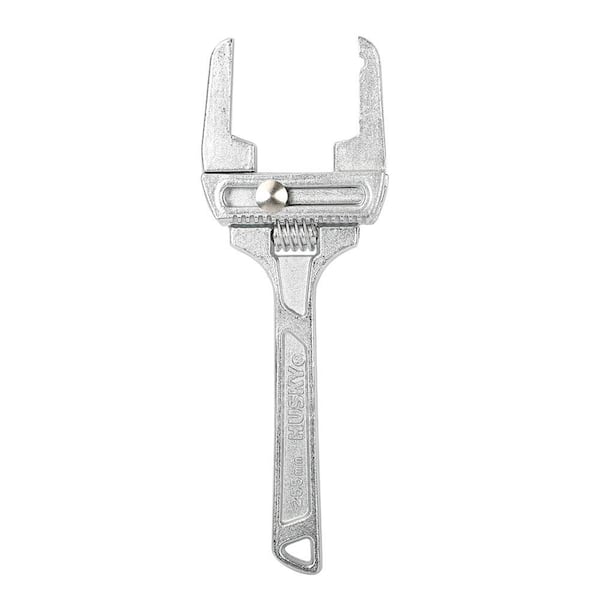
Pick a wrench that fits your needs well. This guide covers size, material, and handle design.
Size Matters
Choose a wrench size that matches the job. A wrench too small or too big can cause damage.
- Small wrenches (6-8 inches) work for tight spaces and small pipes.
- Medium sizes (10-12 inches) handle most plumbing jobs.
- Large wrenches (14+ inches) provide more leverage for bigger pipes.
Material And Build Quality
Strong materials ensure your wrench lasts longer and works well. Look for rust resistance too.
| Material | Benefits | Drawbacks |
| Steel | Strong, durable | Can rust if not coated |
| Chrome Vanadium | Rust resistant, very strong | Higher cost |
| Aluminum | Lightweight, easy to handle | Less durable |
Handle Design
Choose a handle that feels comfortable and gives good grip. It helps reduce hand strain.
- Rubber grips prevent slipping.
- Ergonomic shapes fit the hand better.
- Long handles give more leverage.
Credit: www.homedepot.com
Preparing The Wrench For Plumbing Tasks
Using an adjustable wrench correctly helps you fix plumbing problems safely. Before starting, prepare your wrench to avoid damage or slipping.
Two key steps in preparation are adjusting the jaw properly and checking the wrench for wear and tear. These steps keep your tool ready and reliable.
Adjusting The Jaw Properly
Adjust the wrench jaw to fit tightly around the plumbing part. A loose fit can cause slipping and damage the fixture or wrench.
- Turn the thumbwheel to open or close the jaw.
- Fit the jaw as close as possible to the nut or bolt.
- Test the grip by gently pulling the wrench.
- Readjust if the wrench slips or feels loose.
- Always position the fixed jaw on the side you will pull.
Checking For Wear And Tear
| Part | What to Check | Action If Damaged |
| Jaw Teeth | Look for worn or rounded teeth | Replace wrench or avoid use |
| Thumbwheel | Check smooth turning and no cracks | Lubricate or replace wrench |
| Handle | Inspect for bends or cracks | Do not use; buy new wrench |
| Jaw Movement | Test for smooth but firm jaw sliding | Clean and lubricate |
Techniques For Effective Use
Using an adjustable wrench correctly helps you fix plumbing problems safely. It saves time and prevents damage to pipes and fittings.
Below are key techniques to hold, use force, and turn the wrench properly for best results.
Proper Grip And Positioning
Hold the wrench handle firmly near the end for better control. Position the wrench so its jaws fit tightly around the nut or bolt.
- Adjust the jaws to fit snugly without gaps.
- Place the fixed jaw on the side where force will be applied.
- Keep your wrist straight to avoid strain.
- Use your whole arm to turn, not just your wrist.
Applying The Right Amount Of Force
Use steady pressure to avoid slipping or damaging parts. Too much force can round off nuts and cause leaks.
| Force Level | Use Case | Tip |
| Light | Fine adjustments | Turn slowly and feel resistance |
| Medium | Loosening stuck nuts | Apply steady pressure without jerking |
| High | Very tight nuts | Use with caution or a longer wrench |
Turning Direction Tips
Turn the wrench in the right direction to loosen or tighten. Most nuts turn counterclockwise to loosen and clockwise to tighten.
- Check the threading type before turning.
- Turn slowly at first to avoid stripping threads.
- If stuck, try rocking the wrench gently back and forth.
- Use a wrench with a ratchet feature for faster turning.
Avoiding Common Mistakes
Using an adjustable wrench correctly can save you time and prevent damage. Many plumbers make simple mistakes that cause problems.
These tips help you avoid common errors and work more efficiently with your adjustable wrench.
Preventing Slippage
Slippage can damage pipes and tools. Make sure the wrench fits snugly around the bolt or nut.
- Adjust the wrench to the exact size needed
- Place the wrench jaws fully around the fastener
- Pull the wrench handle toward you, not away
- Keep the wrench perpendicular to the fastener
Protecting Pipe Surfaces
Pipe surfaces can scratch or dent easily. Use care to protect them while working.
| Method | Details |
|---|---|
| Use Pipe Wrap | Wrap pipes with cloth or rubber strips before gripping |
| Apply Gentle Pressure | Do not force the wrench too hard against the pipe |
| Choose Correct Tool | Use a pipe wrench or soft-jaw pliers for delicate pipes |
Not Over-tightening
Over-tightening can strip threads or crack pipes. Tighten only until secure.
- Turn the wrench slowly and stop when resistance increases
- Check for leaks or movement after tightening
- Use a torque wrench if exact tightness is needed
Maintenance And Care
Adjustable wrenches need regular care to work well and last long. Proper maintenance keeps them safe to use and prevents damage.
Focus on cleaning, lubricating, and storing your wrench correctly. These simple actions improve performance and extend tool life.
Cleaning After Use
After using your adjustable wrench, remove dirt, grease, and moisture. This prevents rust and keeps the tool in good shape.
- Wipe the wrench with a dry cloth immediately after use.
- Use a mild soap and water solution for sticky grime.
- Dry the wrench completely before storing it.
- Check for any stuck debris in the adjustable jaw.
Lubricating Moving Parts
Lubricate the moving parts to keep the wrench easy to adjust. Proper lubrication stops the tool from jamming or wearing out.
| Lubrication Step | Details |
| Choose lubricant | Use light machine oil or a silicone-based lubricant |
| Apply oil | Put a few drops on the screw and sliding parts |
| Work the wrench | Move the jaw back and forth to spread the lubricant |
| Remove excess | Wipe off any extra oil to avoid attracting dust |
Storage Recommendations
Store your adjustable wrench in a dry and clean place. Proper storage keeps it rust-free and ready to use.
Follow these tips for storing your wrench:
- Keep it in a toolbox or drawer to protect from dust.
- Use a tool rack to hang the wrench and avoid damage.
- Store it away from moisture and extreme temperatures.
- Check the wrench regularly for any signs of rust or wear.

Credit: www.youtube.com
When To Use Other Tools Instead
Adjustable wrenches work well for many plumbing jobs. They fit different sizes of nuts and bolts. But some tasks need special tools to avoid damage.
Knowing when to switch tools can save time and keep your plumbing safe. Some fittings are too tight or fragile for adjustable wrenches.
Limitations Of Adjustable Wrenches
Adjustable wrenches may slip on round or soft fittings. Their jaws can cause scratches or dents. They do not always provide a strong grip on rusted or stuck parts.
These tools are not ideal for very tight spaces. The wide handle and movable jaw can make it hard to reach some plumbing connections.
- Can slip on rounded or damaged nuts
- May scratch soft metal fittings
- Less effective on rusted or stuck parts
- Hard to use in tight or narrow spaces
Alternatives For Stubborn Fittings
Pliers and pipe wrenches offer better grip on tough fittings. They have teeth or serrated jaws that hold parts firmly. Use them for rusted nuts or round pipes.
Sometimes, a socket wrench or basin wrench works best. Socket wrenches fit snugly and turn fasteners easily. Basin wrenches reach deep into tight spaces under sinks.
- Pliers: good for gripping irregular shapes
- Pipe wrenches: strong grip on round pipes
- Socket wrenches: tight fit for fast turning
- Basin wrenches: reach hard-to-access fittings
Credit: abascotools.com
Frequently Asked Questions
How Do I Properly Adjust An Adjustable Wrench For Plumbing?
To adjust, turn the thumbwheel until the jaws fit snugly around the pipe or fitting. Ensure a tight grip to avoid slippage and damage.
What Size Adjustable Wrench Is Best For Plumbing Tasks?
A 6 to 12-inch adjustable wrench is ideal for most plumbing jobs. It offers versatility and control without being too bulky.
How Can I Prevent Damage Using An Adjustable Wrench?
Always grip the wrench firmly and pull, not push. Use the correct jaw size to avoid rounding off nuts or pipes.
When Should I Choose An Adjustable Wrench Over Other Tools?
Use an adjustable wrench when you need flexibility for various nut sizes. It’s perfect for tasks with different-sized fittings or limited tool options.
Conclusion
Using adjustable wrenches in plumbing can make tasks easier and faster. Always choose the right size and adjust it tightly for a secure grip. Avoid slipping by applying steady pressure and turning slowly. Keep your tools clean and check for damage before use.
Practice these tips to handle plumbing jobs with more confidence and less stress. Small efforts lead to better results and fewer mistakes. Keep learning and improving your skills with each project. Your plumbing work will become smoother and more efficient over time.