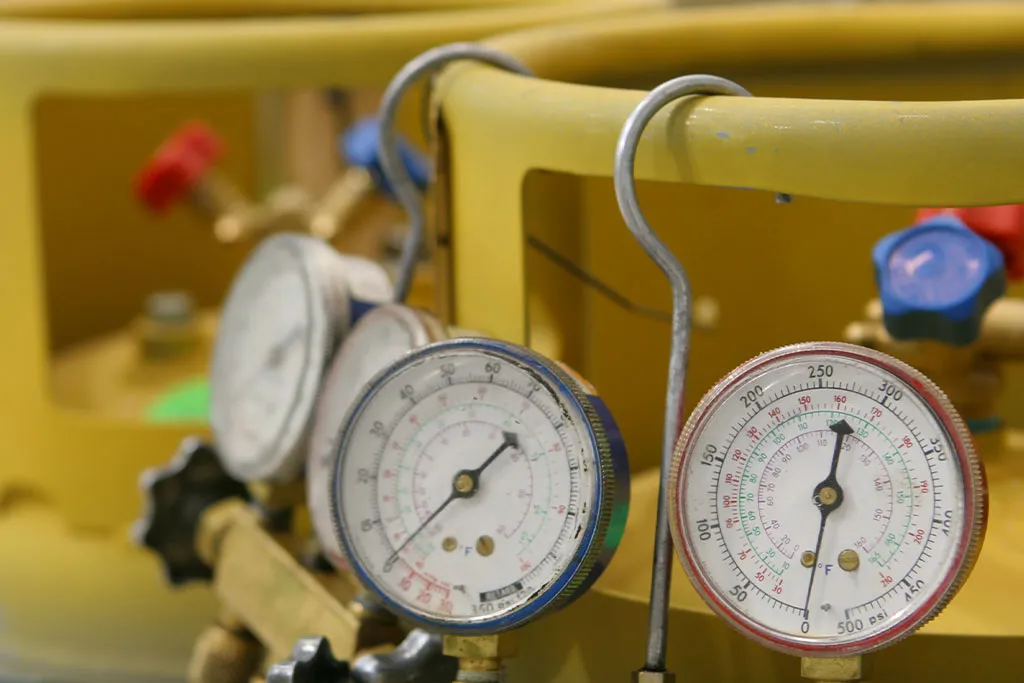
Are you tired of weak showers or inconsistent water flow in your home? Understanding and testing your water pressure is crucial for a comfortable and efficient household.
Imagine waking up to a refreshing, steady shower every morning, without any surprises. In this guide, you’ll discover simple steps to assess and improve your water pressure, ensuring optimal performance for all your daily activities. Don’t let low water pressure dampen your day—keep reading to unlock the secrets to achieving the perfect flow in your home.
Credit: www.pacificbackflow.com
Why Test Water Pressure
Testing water pressure helps keep your plumbing safe and efficient. It shows if water flows too fast or too slow in your pipes.
Good water pressure means better water use and fewer problems in your home.
Common Water Pressure Issues
Water pressure that is too high can cause pipes to burst. Low pressure may make it hard to get water from taps. Both problems can waste water and money.
- High pressure can damage pipes and fixtures.
- Low pressure may cause slow water flow.
- Pressure changes can create noisy pipes.
- Sudden pressure drops can stop water flow.
Impact On Appliances And Plumbing
Water pressure affects how well your appliances work. Too much pressure can break washing machines or dishwashers. Low pressure makes them run longer and use more energy.
| Appliance | Effect of High Pressure | Effect of Low Pressure |
| Washing Machine | Leaks and burst hoses | Longer wash times |
| Dishwasher | Damaged valves and seals | Poor cleaning results |
| Water Heater | Stress on tank and pipes | Insufficient hot water |
Tools Needed For Testing
Testing water pressure helps ensure your plumbing works well. You need the right tools for accurate results.
This guide explains the essential tools and equipment you will use to check water pressure properly.
Pressure Gauge Types
Pressure gauges measure the water pressure in your pipes. Different types serve different needs.
- Analog Pressure Gauge:Uses a dial to show pressure. Easy to read and common.
- Digital Pressure Gauge:Displays pressure on a screen. Offers precise readings.
- Compound Pressure Gauge:Measures pressure and vacuum. Useful for special tests.
Additional Equipment
You need more than just a pressure gauge to test water pressure well. These tools help you connect and record.
| Equipment | Purpose |
| Hose Connector | Links gauge to faucet or pipe |
| Wrench | Tightens or loosens fittings |
| Notebook and Pen | Records pressure readings |
| Teflon Tape | Prevents leaks at connections |
Preparing For The Test
Testing water pressure helps you find issues in your plumbing. Before you start, get ready with the right tools.
Preparing well makes the test easier and gives better results.
Choosing The Right Faucet
Select a faucet that is easy to access and has a clean connection. Outdoor faucets or laundry room taps work well.
A faucet with a threaded spout lets you attach the pressure gauge tightly. Avoid faucets with aerators or filters.
- Look for a faucet with a clear water flow
- Choose a faucet near the water main if possible
- Make sure the faucet spout is free of rust or debris
Shutting Off Water Supply
Turn off the main water supply before testing pressure. This stops water flow and protects your gauge.
Close valves slowly to avoid pressure spikes. Check if water is fully stopped before connecting the gauge.
- Locate the main water shut-off valve
- Turn valve clockwise to close it
- Open a faucet to drain remaining water
- Attach the pressure gauge after water stops flowing
Credit: leaktronics.com
Step-by-step Testing Process
Testing water pressure is important to ensure your plumbing works well. You need a pressure gauge and a few simple steps. This guide shows how to test water pressure safely and clearly.
Follow these steps carefully to get an accurate reading. Each part explains what to do and why it matters for your water system.
Attaching The Pressure Gauge
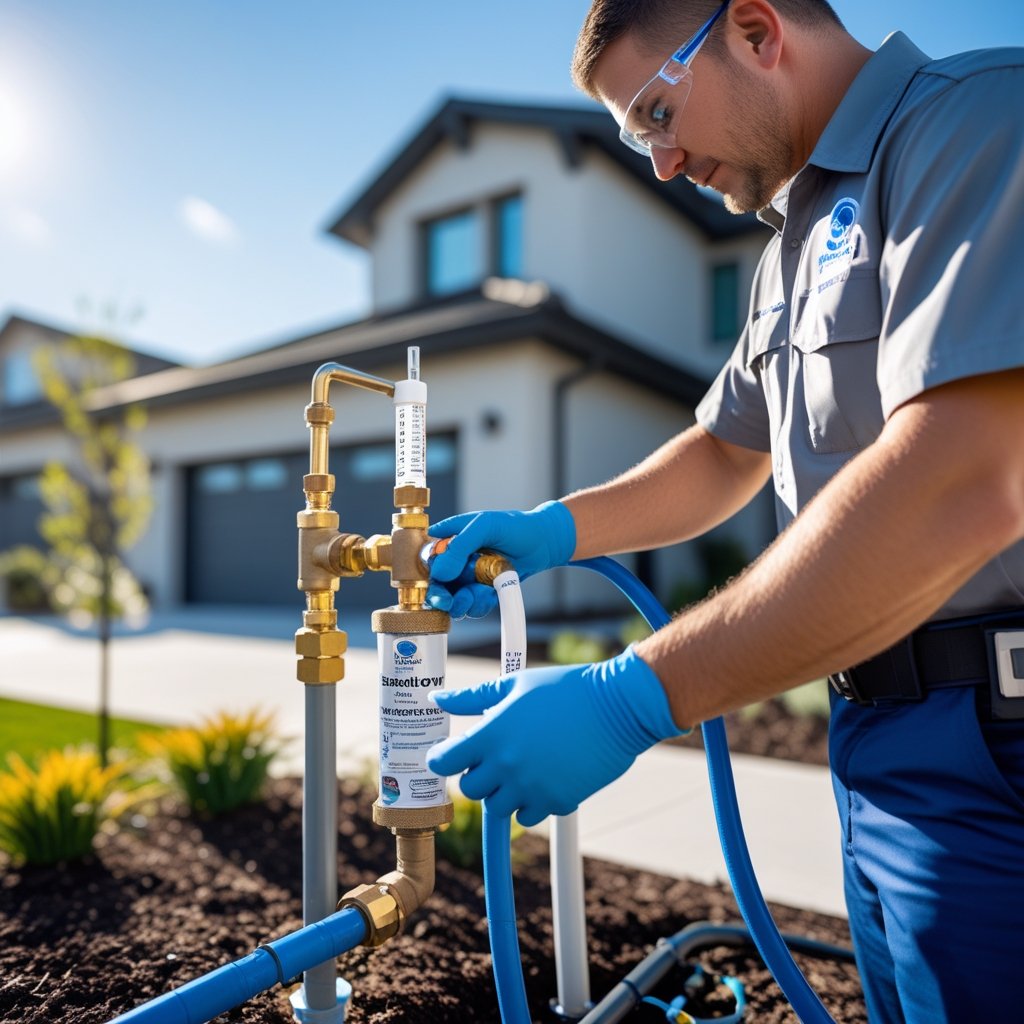
First, locate the main water supply valve or an outdoor faucet. You will attach the pressure gauge here to measure the pressure correctly.
- Turn off all water-using appliances and taps inside the house.
- Find a threaded faucet or hose bib to attach the gauge.
- Screw the pressure gauge firmly onto the faucet.
- Make sure the connection is tight to avoid leaks.
Reading The Pressure
After the gauge is attached, open the valve slowly. Watch the gauge needle carefully to note the water pressure.
| Pressure Range (PSI) | Meaning |
| 0-40 | Low pressure, may cause weak water flow |
| 40-60 | Normal pressure for most homes |
| 60-80 | High pressure, could damage pipes |
| Above 80 | Very high, needs immediate attention |
Recording Results
Write down the pressure reading and the time of the test. Keeping records helps track changes over time and spot problems early.
- Note the pressure value shown on the gauge.
- Record the date and time of the test.
- Check pressure at different times if needed.
- Keep a log for future reference or maintenance.
Interpreting Results
Testing your water pressure gives you clues about your plumbing health. Knowing how to read the results helps you spot problems early.
This guide explains normal pressure ranges and what signs show high or low pressure.
Normal Pressure Ranges
Water pressure usually ranges between 40 and 60 psi. This range works well for most homes and appliances.
| Pressure Level (psi) | Meaning |
| Below 40 | Low pressure, may cause poor water flow |
| 40 – 60 | Normal pressure, good water flow |
| Above 60 | High pressure, risk of pipe damage |
Signs Of High Or Low Pressure
Look for these signs to know if your water pressure is too high or too low.
- Low Pressure:Weak water flow, slow filling toilets, and poor shower spray.
- High Pressure:Loud pipes, dripping faucets, and damaged appliances.
- Both can cause leaks and increase water bills.
Troubleshooting Water Pressure
Water pressure affects how well your taps and showers work. Low or high pressure can cause problems. You can fix many issues by checking simple things.
Understanding the cause helps you solve water pressure problems fast. Use the tips below to fix low or high water pressure in your home.
Fixing Low Pressure
Low water pressure can make it hard to use your faucets or shower. It often means a blockage or leak in the system.
- Check for leaks in pipes and faucets.
- Clean faucet aerators and showerheads to remove buildup.
- Inspect the main water valve to ensure it is fully open.
- Look for clogged or damaged pipes that restrict flow.
- Test water pressure with a pressure gauge to confirm low pressure.
Addressing High Pressure
High water pressure can damage pipes and appliances. It may cause noises or leaks over time.
| Cause | Effect | Solution |
| Pressure above 80 psi | Pipe damage and leaks | Install a pressure reducing valve |
| Faulty pressure regulator | Sudden pressure spikes | Replace or repair the regulator |
| Water hammer | Noise and pipe stress | Install water hammer arrestors |
Maintaining Optimal Water Pressure
Water pressure affects how well water flows in your home. Good pressure helps appliances work right.
Testing your water pressure keeps it in the right range. This guide explains how to do that.
Regular Testing Schedule
Check your water pressure every few months. Regular tests catch problems early.
Test more often if you notice slow water flow or strange noises in pipes.
- Test water pressure every 3 to 6 months
- Test after plumbing repairs or changes
- Test if water feels weak or uneven
Preventive Measures
Prevent problems by keeping your pipes clean and checking your pressure regulator.
Fix leaks quickly and avoid using too much water at once to keep pressure steady.
- Inspect and clean pipes regularly
- Check and adjust the pressure regulator
- Repair leaks as soon as you find them
- Limit simultaneous water use during peak times
Credit: pipetestingservices.co.uk
Frequently Asked Questions
How Do I Test Water Pressure At Home?
You can test water pressure using a pressure gauge attached to an outdoor faucet. Turn on the water fully and read the gauge. Ideal home water pressure ranges between 40-60 psi for optimal performance and appliance safety.
What Tools Are Needed For Water Pressure Testing?
A simple water pressure gauge is the main tool needed. It’s inexpensive and easy to use. Attach it to a hose bib or faucet. No advanced tools or plumbing skills are required for basic water pressure testing.
Why Is Testing Water Pressure Important?
Testing water pressure helps prevent plumbing damage and appliance issues. Low pressure may indicate leaks or blockages, while high pressure can damage pipes. Regular testing ensures your water system works efficiently and safely.
How Often Should Water Pressure Be Tested?
It’s recommended to test water pressure annually or after plumbing work. Frequent checks help detect pressure changes early. Maintaining proper pressure avoids costly repairs and maintains water system health.
Conclusion
Testing water pressure helps keep your plumbing safe and efficient. Low or high pressure can cause damage and waste water. Regular checks catch problems early and save money. Using simple tools makes testing easy for anyone at home. Keep an eye on your water pressure to avoid costly repairs.
Small steps make a big difference in water use. Stay aware, act quickly, and enjoy better water flow every day.
