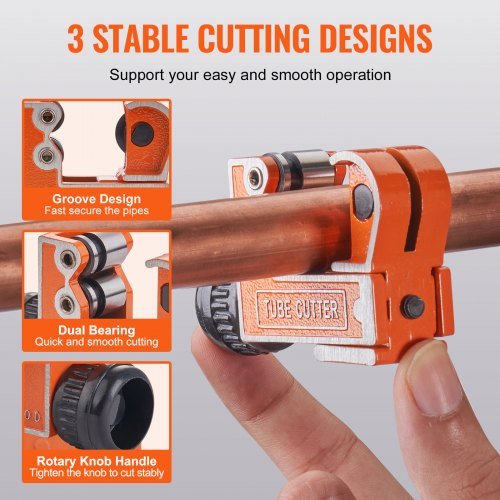
Are you planning a plumbing project or a DIY home improvement task involving copper pipes? If so, using the right tools is crucial for ensuring a smooth and professional finish.
Enter the pipe cutter—your new best friend in achieving precise and clean cuts on copper pipes. This simple tool can save you time, effort, and frustration. Imagine the satisfaction of completing your project with seamless results, just like a pro! But before you dive into cutting, there are essential tips and tricks you need to know.
Stay with us as we guide you through the process of using a pipe cutter for copper pipes, ensuring your project is not only successful but also enjoyable. Curious? Let’s get started!
Credit: www.vevor.ca
Choosing The Right Pipe Cutter
Using a pipe cutter makes cutting copper pipes easier and cleaner. Picking the right pipe cutter is important for a good job.
Different pipe cutters fit different pipe sizes and types. Knowing what to choose saves time and effort.
Types Of Pipe Cutters
There are several types of pipe cutters for copper pipes. Each type works best for certain tasks and pipe sizes.
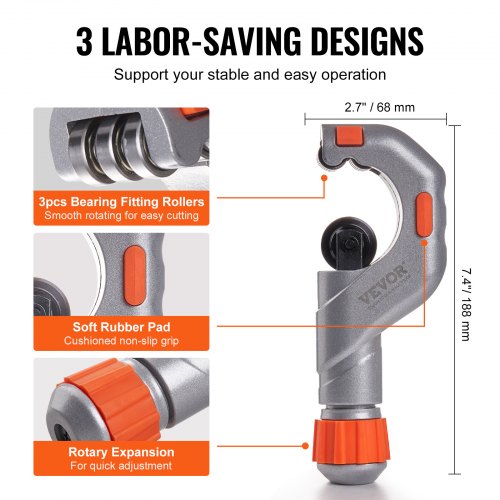
- Rotary cutters have a circular blade that spins around the pipe.
- Ratchet cutters use a ratchet mechanism to tighten the blade.
- Hose cutters are simple and used for thin copper tubing.
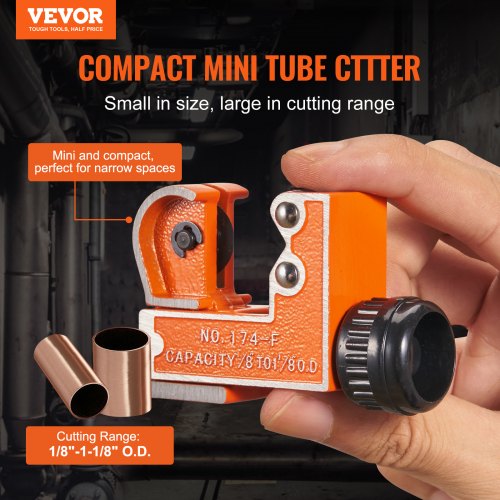
- Mini cutters are small and good for tight spaces.
Choose a cutter type based on the pipe size and workspace. Rotary cutters are common for most copper pipes.
Size And Compatibility
Pipe cutters come in different sizes for various pipe diameters. Make sure the cutter matches the pipe size exactly.
Using a cutter too small or too large can damage the pipe or make cutting hard. Check the cutter’s size range before buying.
- Small cutters fit pipes under 1 inch.
- Medium cutters handle 1 to 2 inches.
- Large cutters work for pipes over 2 inches.
Material And Build Quality
Good material and build quality make pipe cutters last longer. Look for strong metals and solid construction.
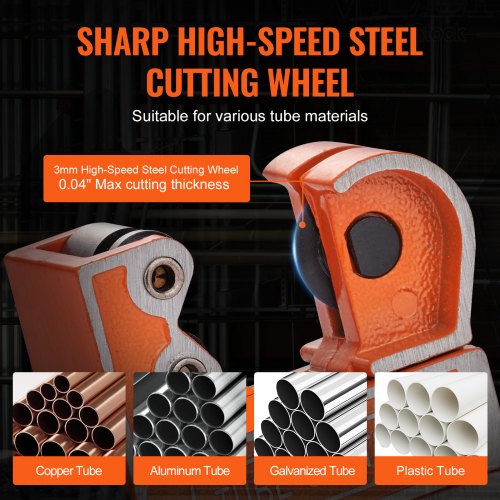
Blades should be sharp and made of durable steel. Handles need to be comfortable and easy to turn.
- Steel blades cut cleaner and stay sharp longer.
- Aluminum bodies are light but still strong.
- Comfort grips reduce hand fatigue.
- Adjustable parts should move smoothly without wobble.
Preparing Copper Pipes For Cutting
Cutting copper pipes needs careful preparation. This helps make clean and accurate cuts.
Proper preparation protects the pipe and makes your work easier. Follow these steps before cutting.
Measuring And Marking
Measure the pipe carefully to get the right length. Use a tape measure for accuracy.
Mark the cutting spot clearly with a permanent marker. Make a thin, straight line around the pipe.
- Use a tape measure or ruler
- Mark with a fine permanent marker
- Draw a line around the pipe for a straight cut
Cleaning The Pipe Surface
Remove dirt, grease, and oxidation from the pipe surface. Clean surfaces help the cutter work better.
Use a cloth or sandpaper to clean the area around the mark. Wipe the pipe dry before cutting.
- Wipe pipe with a clean cloth
- Use fine sandpaper to remove oxidation
- Make sure the pipe is dry before cutting
Securing The Pipe
Hold the pipe firmly to keep it from moving. Use a pipe vise or clamp for safety and precision.
Do not squeeze the pipe too hard. It can dent or damage the pipe before cutting.
- Use a pipe vise or clamp
- Secure the pipe without crushing it
- Keep the pipe steady while cutting
Step-by-step Cutting Process
Cutting copper pipes correctly is important for plumbing and other projects. Using a pipe cutter helps make clean, straight cuts without damaging the pipe.
This guide shows how to cut copper pipes using a pipe cutter in simple steps. Follow these to get the best results.
Positioning The Cutter
Place the pipe cutter on the copper pipe where you want to cut. Make sure the cutting wheel lines up exactly with the mark on the pipe.
Hold the pipe steady and check that the cutter is straight and not tilted. This keeps the cut even and clean.
Applying Proper Pressure
Tighten the pipe cutter’s knob gently until the cutting wheel touches the pipe surface. Do not force it too hard at first.
Apply firm but steady pressure. The wheel should press enough to score the pipe without crushing it.
- Start with light pressure
- Increase pressure gradually after each turn
- Avoid squeezing the pipe too much
Rotating The Cutter Smoothly
Turn the pipe cutter around the pipe in a smooth, even motion. Keep the pressure steady as you rotate.
After each full turn, tighten the knob a little to deepen the cut. Repeat until the pipe separates cleanly.
- Rotate the cutter clockwise around the pipe
- Tighten the knob slightly after each turn
- Keep the motion smooth and steady
Credit: www.vevor.ca
Common Cutting Mistakes To Avoid
Using a pipe cutter for copper pipes is simple if you avoid common mistakes. Cutting copper pipes requires care and attention to detail.
This guide explains some common errors and how to prevent them for clean and smooth cuts.
Over-tightening The Cutter
Over-tightening the pipe cutter can damage the pipe. It may crush or deform the copper pipe instead of cutting it cleanly.
Turn the cutter knob gently and tighten it little by little as you rotate the tool around the pipe.
- Start with light pressure
- Rotate the cutter smoothly
- Tighten only when needed
Cutting At Incorrect Angles
Cutting copper pipes at wrong angles causes uneven edges. This makes joining pipes harder and can cause leaks.
Hold the pipe cutter straight and keep the blade perpendicular to the pipe surface for a clean cut.
- Keep the cutter level to the pipe
- Check blade alignment before cutting
- Rotate evenly to avoid angled cuts
Ignoring Pipe Burrs
After cutting, copper pipes often have sharp burrs inside and outside. Ignoring these burrs can block water flow and cause damage.
Use a deburring tool or sandpaper to remove burrs and smooth the pipe edges before installation.
- Inspect both pipe ends for burrs
- Use proper tools to clean edges
- Ensure smooth pipe surface for joints
Finishing Touches After Cutting
After cutting copper pipes with a pipe cutter, you must complete a few important steps. These steps ensure the pipe is smooth and ready for use. Proper finishing prevents leaks and fits the pipes correctly.
Cleaning up the cut edge is essential. You will check the cut, remove sharp parts, and prepare the pipe for the next step in your project.
Removing Burrs And Sharp Edges
Burrs and sharp edges can damage fittings or cause injury. Use a deburring tool or file to smooth the cut edge. Remove all rough parts both inside and outside the pipe.
- Hold the pipe firmly after cutting
- Use a deburring tool to remove internal burrs
- File the outside edge to make it smooth
- Check with your finger for any sharp spots
- Repeat until the pipe edge feels even and safe
Checking For A Clean Cut
Inspect the pipe end to ensure the cut is straight and clean. A crooked cut can cause leaks or poor fitting. Use a ruler or square to check the edge.
| Check Point | What to Look For |
| Cut Edge | Straight and even without dents |
| Pipe Diameter | Consistent, no crushing or deformation |
| Surface | Clean, no dirt or metal shavings |
| Fit Test | Fits easily into the fitting without gaps |
Preparing Pipes For Fittings
Before attaching fittings, clean the pipe surface. Use a cloth to wipe the pipe and remove dirt or oils. This helps the fitting seal tightly and avoids leaks.
Follow these tips for preparing pipes:
- Remove oxidation with sandpaper or a wire brush
- Make sure the pipe end is dry and free of dust
- Apply flux if using solder fittings
- Align the pipe and fitting carefully before joining
Credit: www.vevor.ca
Maintaining Your Pipe Cutter
Keeping your pipe cutter in good shape helps it work well. Regular care extends its life and makes cutting easier.
Simple maintenance tasks keep the tool clean and sharp. This saves time and avoids problems during use.
Cleaning And Lubrication
After each use, clean your pipe cutter to remove dirt and metal bits. Wipe all parts with a dry cloth.
Apply light oil to the moving parts to stop rust and keep the cutter smooth. Avoid too much oil to prevent dirt build-up.
- Use a brush to clean hard-to-reach areas
- Wipe blade and rollers carefully
- Lubricate the screw and hinge points
- Remove excess oil with a clean cloth
Blade Replacement Tips
Change the blade if it gets dull or damaged. A sharp blade cuts copper pipes cleanly and safely.
Follow the tool’s instructions to replace the blade. Use the right size and type for your pipe cutter model.
- Turn the cutter to loosen the blade holder
- Remove the old blade carefully
- Install the new blade in the same position
- Tighten the blade holder securely
- Test the cutter on scrap pipe before use
Storage Recommendations
Store your pipe cutter in a dry place to avoid rust. Keep it away from moisture and dust.
Use a case or toolbox to protect the cutter from damage. Keep it in a spot where it won’t fall or get lost.
- Clean before storing
- Keep in a dry, cool area
- Use a protective case if possible
- Store away from heavy tools
- Check regularly for rust or wear
Frequently Asked Questions
What Is The Best Pipe Cutter For Copper Pipes?
The best pipe cutter for copper pipes is a rotary pipe cutter with a sharp cutting wheel. It ensures clean, precise cuts without deforming the pipe. Look for adjustable cutters that fit various pipe sizes for versatility and ease of use.
How Do You Use A Pipe Cutter On Copper Pipes?
To use a pipe cutter, place it around the copper pipe and tighten the knob. Rotate the cutter around the pipe, tightening gradually. Continue until the pipe is cut cleanly. This method ensures a smooth edge for better fitting and soldering.
Can A Pipe Cutter Damage Copper Pipes?
A quality pipe cutter used correctly will not damage copper pipes. It cuts cleanly without crushing or deforming the pipe. Avoid over-tightening the cutter to prevent dents. Proper use ensures a smooth, professional cut every time.
Why Choose A Pipe Cutter Over A Hacksaw For Copper?
Pipe cutters provide cleaner, more precise cuts than hacksaws. They reduce burrs and metal shavings, making pipe fitting easier. Using a pipe cutter saves time and effort, resulting in better joints and less cleanup.
Conclusion
Using a pipe cutter makes cutting copper pipes quick and clean. It helps avoid dents and rough edges. This tool fits well in tight spaces and works with little effort. Choosing the right cutter size matters for best results. Practice a bit to gain confidence and control.
Proper cuts lead to better pipe connections and fewer leaks. Keep your cutter sharp and clean for longer use. Simple steps bring strong, reliable plumbing work every time. Save time and avoid frustration with the right tool.
