
Are you tired of dealing with those frustrating kinks when trying to bend PVC pipes? You’re not alone.
Whether you’re a DIY enthusiast or a seasoned professional, mastering the art of bending PVC pipes without kinks can be a game-changer for your projects. Imagine achieving those smooth, flawless curves effortlessly, saving both time and materials. In this guide, you’ll discover simple yet effective techniques that will transform your approach to PVC pipe bending.
Get ready to uncover tips that will not only make your work easier but also elevate the quality of your projects to a whole new level. Keep reading to learn how you can achieve perfect bends every single time.
Choosing The Right Pvc Pipe
Bending PVC pipes without causing kinks needs the right pipe choice. Picking the correct type helps pipes bend smoothly and last longer.
This guide explains how to select PVC pipes by type, thickness, and diameter. These factors affect how well the pipe bends.
Types Of Pvc Pipes
There are several types of PVC pipes. Each type fits different uses and bending needs.
- Schedule 40:Common and sturdy, but less flexible for tight bends.
- Schedule 80:Thicker walls, very strong, harder to bend.
- Flexible PVC:Made for bending, good for curves without kinks.
- CPVC:Handles heat well but is more rigid.
Pipe Thickness And Flexibility
Thinner pipes bend easier. Thick walls resist bending and can kink more easily.
| Thickness | Flexibility | Bend Ease |
| Thin | High | Easy to bend without kinks |
| Medium | Moderate | Can bend with care |
| Thick | Low | Difficult, risk of kinks |
Selecting Pipe Diameter
Choose pipe diameter based on your project needs. Larger pipes bend less easily than smaller ones.
- Small diameter pipes are easier to bend without kinking.
- Medium diameter pipes require careful bending methods.
- Large diameter pipes may need heat or special tools to bend.
Credit: ftp.spaceneedle.com
Tools And Materials Needed
Bending PVC pipes without causing kinks needs the right tools. Using proper materials helps the pipe keep its shape and flow.
This guide covers the main tools and safety gear. Knowing these will make bending easier and safer.
Heat Gun And Alternatives
A heat gun softens PVC pipes so they bend smoothly. It heats the pipe evenly to avoid weak spots or cracks.
Alternatives to heat guns include hot water baths or heat blankets. These options also warm the pipe gently for bending.
- Heat gun: Quick and easy to control heat
- Hot water bath: Soaks pipe for slow, even heating
- Heat blanket: Wraps around pipe for steady heat
Pipe Benders And Mandrels
Pipe benders shape the pipe without flattening it. Mandrels support the pipe inside to keep its round form.
Using these tools together helps create smooth curves. They reduce the chance of kinks during bending.
- Pipe bender: Holds pipe and guides bend
- Mandrel: Fits inside pipe for support
- Combination use: Prevents pipe damage
Safety Gear Essentials
Safety gear protects you from burns and sharp edges. Always wear gloves and eye protection when working with heated pipes.
A mask can help if you work in a poorly ventilated area. Safety gear keeps you safe and comfortable during the process.
- Heat-resistant gloves to protect hands
- Safety goggles to shield eyes
- Face mask for fumes and dust
- Long sleeves to protect arms
Preparing The Pipe For Bending
Bending PVC pipes without causing kinks requires careful preparation. Proper steps help keep the pipe smooth and functional.
Before bending, you must measure, clean, and score the pipe correctly. These actions reduce damage and ensure a clean bend.
Measuring And Marking Bend Points
Measure the exact spot where you want to bend the pipe. Use a pencil or marker to make a clear line on the pipe.
- Use a tape measure for accuracy.
- Mark the pipe with a visible line.
- Check measurements twice before marking.
- Mark both sides of the pipe for reference.
Cleaning And Inspecting The Pipe
Clean the pipe surface to remove dirt and grease. Inspect the pipe for cracks or damage before bending.
| Task | Tool | Reason |
| Cleaning | Cloth and soap | Remove dirt and grease |
| Inspecting | Visual check | Find cracks or weak spots |
| Drying | Air dry or cloth | Prevent moisture inside pipe |
Scoring Techniques
Scoring the pipe helps control the bend and avoid sharp kinks. Use a utility knife to score lightly along the marked line.
- Place the pipe on a stable surface.
- Hold the knife at a shallow angle.
- Score lightly around the pipe circumference.
- Do not cut too deep; only score the surface.
- Check for even scoring before bending.
Heating Methods For Smooth Bends
Bending PVC pipes without causing kinks requires proper heating methods. These methods soften the pipe evenly, making it easier to shape.
This guide covers three common heating techniques that help create smooth and precise bends in PVC pipes.
Using A Heat Gun Correctly
A heat gun is a popular tool for bending PVC pipes. It gives controlled heat to soften the pipe without burning it.
- Keep the heat gun moving to avoid overheating one spot.
- Hold the gun about 3 to 5 inches from the pipe surface.
- Heat the pipe evenly around the area you want to bend.
- Wear heat-resistant gloves to protect your hands.
- Bend the pipe slowly once it becomes flexible.
Boiling Water Technique
This method uses hot water to soften the PVC pipe. It is simple and does not require special tools.
| Step | Details |
| 1 | Boil enough water to fully cover the pipe section. |
| 2 | Submerge the pipe part in boiling water for 2 to 3 minutes. |
| 3 | Remove the pipe carefully using tongs or gloves. |
| 4 | Bend the pipe gently to the desired shape before it cools. |
| 5 | Hold the bend until the pipe sets and cools down. |
Heat Blanket Application
Heat blankets provide even warmth over a larger area of the pipe. This helps avoid hot spots and reduces the risk of kinks.
To use a heat blanket:
- Wrap the heat blanket around the pipe section to bend.
- Set the blanket to the recommended temperature for PVC (usually around 140°F or 60°C).
- Leave it on until the pipe becomes soft and flexible.
- Bend the pipe carefully, using a form or jig if needed.
- Keep the pipe in position until it cools and hardens.
Bending Techniques To Avoid Kinks
Bending PVC pipes without causing kinks takes care and the right method. Kinks can block water flow and weaken the pipe.
Using proper techniques helps keep the pipe smooth and strong during bends. This guide covers three key ways to bend PVC pipes safely.
Slow And Steady Bends
Bending PVC slowly reduces the chance of sharp kinks. Quick bends can cause the pipe to fold or crack.
- Apply gentle heat evenly along the bend area.
- Move the pipe slowly to shape the curve.
- Pause often to check the pipe’s shape and softness.
- Let the pipe cool before moving it further.
Using Mandrels For Support
A mandrel is a tool placed inside the pipe to keep it round while bending. This stops the pipe from collapsing or kinking.
| Mandrel Type | Use Case |
| Flexible spring mandrel | Bending tight curves |
| Rigid mandrel | Long gentle bends |
| Segmented mandrel | Irregular or complex bends |
Insert the mandrel before heating and bending. Remove it only after the pipe cools to keep the shape intact.
Applying Even Pressure
Pressure must be spread out along the pipe. Uneven pressure causes sharp bends and weak spots.
Tips to apply even pressure:
- Use both hands to hold and bend the pipe.
- Push gradually rather than forcing the bend quickly.
- Support the pipe on a flat surface during bending.
- Check for soft spots and adjust pressure accordingly.
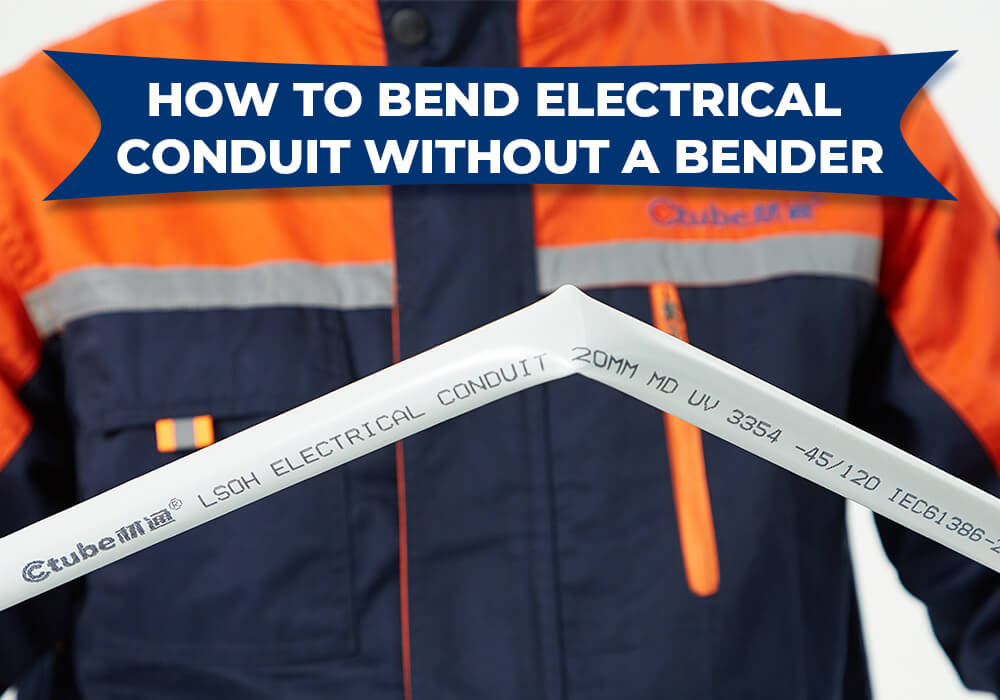
Credit: www.pvcconduitmanufacturer.com
Cooling And Setting The Bend
Bending PVC pipes requires careful cooling to avoid kinks. Cooling sets the shape so the pipe stays curved.
Proper cooling methods help keep the pipe strong and smooth. This guide explains how to cool and set the bend correctly.
Cooling Options
Cooling can be done using air, water, or ice. Each option cools the pipe at a different speed. Choose the best way for your project.
- Air cooling is slow but gentle. It reduces stress on the pipe.
- Water cooling is faster. It works well for tight bends.
- Ice cooling cools quickly. Use it only for small sections.
Maintaining Shape During Cooling
Keep the pipe in place while it cools. Support the bend with clamps or a jig to stop it from flattening.
- Use soft padding under clamps to avoid marks.
- Check the bend angle often.
- Do not remove supports until fully cooled.
Testing Bend Strength
Test the bend to make sure it holds well. Check for cracks or weak spots before using the pipe.
| Test | Purpose | Method |
| Visual Inspection | Find cracks or kinks | Look closely along bend |
| Flex Test | Check bend strength | Bend gently to test resilience |
| Pressure Test | Ensure pipe holds pressure | Fill with water and check leaks |
Common Mistakes And How To Fix Them
Bending PVC pipes can be tricky. Many make errors that cause kinks or cracks. These mistakes weaken the pipe and affect its function.
This guide covers common issues and how to fix them. Following these tips helps you bend PVC pipes safely and smoothly.
Dealing With Kinks And Cracks
Kinks and cracks happen when the pipe bends too fast or without support. These damage points cause leaks and reduce pipe life.
- Heat the pipe evenly to soften it before bending.
- Use a bending spring or form to keep the shape smooth.
- Avoid sharp bends that push the pipe wall inward.
- Inspect the pipe after bending for any cracks or weak spots.
- Replace pipes with serious cracks to avoid leaks.
Correcting Uneven Bends
Uneven bends cause stress on the pipe and look unprofessional. Fixing them early prevents pipe failure and saves time.
| Issue | Cause | Fix |
| Flattened section | Too much pressure at one point | Reheat and use a pipe form |
| Uneven curve | Improper heat distribution | Heat pipe evenly along bend area |
| Twisted pipe | Rotating pipe while bending | Hold pipe steady and bend slowly |
Preventing Pipe Weakening
Weak pipes break easily and cause leaks. Prevent damage by handling and bending pipes with care.
- Heat pipes only to the right temperature; too hot weakens the plastic.
- Do not bend the pipe multiple times at the same spot.
- Support the pipe fully during bending to avoid stress points.
- Allow the pipe to cool in the bent position to keep its shape.

Credit: www.finehomebuilding.com
Advanced Tips For Complex Bends
Bending PVC pipes without kinks can be tricky, especially with complex shapes. Using the right techniques helps keep pipes smooth and strong.
This guide covers advanced tips to create clean, precise bends in PVC pipes for your projects.
Multiple Bend Techniques
Sometimes your project needs several bends in one pipe. Managing multiple bends requires careful planning and technique.
Mark each bend clearly and heat one section at a time. Bend slowly to avoid kinks and let each bend cool before moving on.
- Mark all bend points with a marker
- Heat each bend area evenly
- Bend slowly to keep the pipe round
- Cool each bend before the next one
- Use supports to hold shape while cooling
Using Templates And Jigs
Templates and jigs help make repeated complex bends more accurate. They guide the pipe into the right shape every time.
Build a jig from wood or metal that matches the shape you want. Secure the pipe and bend it around the jig to keep angles consistent.
- Design a jig for your bend angles
- Clamp the pipe into the jig
- Heat the pipe evenly while in the jig
- Bend pipe to fit the jig’s shape
- Let pipe cool before removing
Combining Heating Methods
Using different heating tools can improve bending results. Combining methods helps heat large or thick pipes evenly.
Start with a heat gun to warm the pipe. Use a heat blanket or hot water bath for even heat distribution. This stops hot spots and pipe damage.
- Use a heat gun for focused heating
- Apply a heat blanket for even warmth
- Dip pipe in hot water to soften material
- Switch between methods to avoid overheating
- Check pipe temperature regularly
Frequently Asked Questions
How Can I Bend Pvc Pipes Without Causing Kinks?
To bend PVC pipes without kinks, heat the pipe evenly using a heat gun or hot water. Gently bend it slowly to the desired shape. Avoid sharp angles and sudden movements to maintain a smooth curve.
What Tools Are Best For Bending Pvc Pipes Safely?
The best tools for bending PVC pipes include heat guns, boiling water, and bending springs. These tools help soften the pipe and support it internally, preventing kinks and cracks during bending.
Can I Bend Pvc Pipes Cold Without Heating?
Bending PVC pipes cold is not recommended as it often causes kinks or cracks. PVC is rigid and needs heating to become pliable. Always heat the pipe before bending for safe and smooth curves.
What Temperature Is Ideal For Heating Pvc Pipes For Bending?
The ideal temperature for heating PVC pipes is between 140°F to 160°F (60°C to 70°C). This range softens the pipe without damaging it, allowing for smooth bends without kinking or warping.
Conclusion
Bending PVC pipes without kinks takes care and the right steps. Heat the pipe gently and bend it slowly to keep its shape. Using tools like a bending spring helps avoid damage. Practice makes the process easier and results better.
Remember, smooth bends improve pipe flow and last longer. Keep these tips in mind for your next project. Bending PVC pipes can be simple and effective. Your work will look neat and work well every time.
