Are you planning a home improvement project or tackling some plumbing work? Bending copper and PVC pipes might seem daunting, but with the right guidance, it can be surprisingly straightforward.
Imagine the satisfaction of knowing you can shape these materials to fit your specific needs, all while saving on expensive professional services. This guide will walk you through the process step-by-step, making sure you have the confidence and skills to bend pipes like a pro.
You’ll discover practical tips, essential tools, and techniques that will make your project successful. Ready to dive in and learn how to bend pipes with ease? Let’s get started!
Credit: www.vevor.com
Basics Of Pipe Bending
Bending pipes is common in plumbing and construction. It helps change pipe direction without joints.
Good bending avoids pipe damage and keeps water flow smooth. Use the right tools and methods.
Types Of Pipes
Copper and PVC pipes are popular for home plumbing. They have different bending needs.
Copper pipes are soft and can bend with heat or tools. PVC pipes are rigid and need special care.
- Copper Pipes:Easy to bend, good for water lines.
- PVC Pipes:Harder to bend, often cut and joined instead.
Tools Needed
Different pipes need different tools. Use the right tool to avoid cracks or breaks.
For copper, pipe benders and heat sources work well. For PVC, heat guns and bending springs help.
- Pipe bender for smooth copper bends
- Heat source like a torch for copper
- Heat gun for softening PVC
- Bending spring to keep PVC shape
- Measuring tape and marker for accuracy
Preparing Copper Pipes
Preparing copper pipes correctly makes bending easier and safer. It helps avoid damage and ensures a clean bend.
This guide covers key steps for measuring, marking, and heating copper pipes before bending.
Measuring And Marking
Start by measuring the copper pipe accurately. Use a tape measure to find the exact length needed for the bend.
- Mark the pipe where the bend will begin using a permanent marker.
- Double-check measurements before making any marks.
- Use a square or angle tool to mark the bend angle clearly.
- Ensure marks are visible and easy to follow during bending.
Heating Techniques
Heating copper pipes softens the metal, making bending smoother and preventing cracks. Use a propane torch for heating.
| Heating Method | Use | Safety Tip |
| Propane Torch | Heat the marked area evenly | Wear gloves and eye protection |
| Heat Gun | Good for small bends | Keep moving to avoid overheating |
| Open Flame | Not recommended | Risk of damage and burns |
Bending Copper Pipes
Bending copper pipes is a common task in plumbing and DIY projects. It helps shape pipes to fit into tight spaces or around obstacles.
Knowing how to bend copper pipes correctly saves time and prevents damage to the pipes.
Manual Bending Methods
You can bend copper pipes by hand if the pipe is soft and thin. Use steady pressure to avoid kinks or cracks.
- Mark the point where you want to bend.
- Support the pipe firmly near the bend area.
- Bend slowly and evenly by hand or with a curved form.
- Check the angle often to avoid overbending.
Using A Pipe Bender
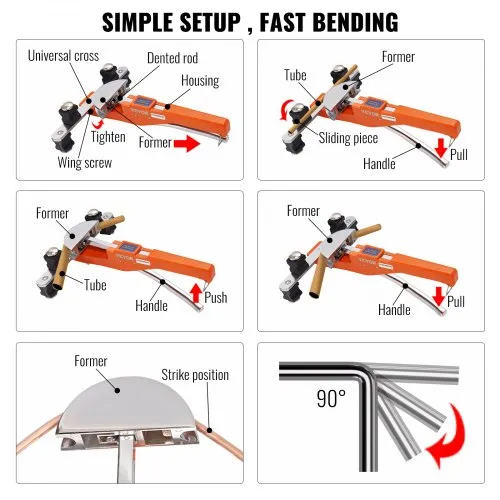
A pipe bender tool makes bending copper pipes easier and more precise. It supports the pipe to keep it smooth.
| Tool Part | Function |
| Handle | Provides leverage to bend pipe |
| Form or Die | Shapes the pipe to the desired angle |
| Clamp | Holds the pipe in place during bending |
Place the pipe in the bender, align the mark with the die, then pull the handle to bend the pipe smoothly.
Common Mistakes To Avoid
- Bending too quickly can cause kinks.
- Not supporting the pipe can lead to cracks.
- Using the wrong tool may damage the pipe.
- Overbending wastes material and time.
- Failing to measure angles can cause poor fits.
Preparing Pvc Pipes
Preparing PVC pipes is important before bending. Proper preparation helps avoid cracks and damage. It makes the pipe easier to shape.
Two main steps are cutting and cleaning, then softening the PVC. Each step needs care for good results.
Cutting And Cleaning
Cut PVC pipes straight and smooth. Use a fine-tooth saw or pipe cutter. Clean the cut edges to remove burrs and dirt. This prevents weak spots when bending.
- Mark the cutting line clearly on the pipe
- Use a sharp saw or pipe cutter for a clean cut
- File or sand the edges to remove rough spots
- Wipe the pipe with a clean cloth to remove dust
- Check that the pipe is dry before bending
Soften Pvc For Bending
Softening PVC makes it flexible and less likely to crack. Heat the pipe evenly using a heat gun or warm water. Avoid overheating to stop damage.
| Method | Description | Temperature |
| Heat Gun | Hold 6 inches from pipe, move evenly | 140-160°F (60-70°C) |
| Warm Water Bath | Submerge pipe for 5-10 minutes | 130-160°F (55-70°C) |
| Hair Dryer | Use on high, keep moving | Up to 140°F (60°C) |
Bending Pvc Pipes
Bending PVC pipes is useful for many plumbing and DIY projects. It helps fit pipes into tight spaces or curves.
PVC pipes are rigid but can bend if heated or supported properly. This guide explains easy ways to bend them safely.
Heat Bending Method
Heat softens PVC pipes so you can bend them without breaking. Use a heat gun or hot water to warm the pipe evenly.
Hold the pipe carefully and bend it slowly to avoid kinks. Stop heating once the pipe feels flexible.
- Use a heat gun or hot water
- Heat the pipe evenly along the bend
- Bend slowly to avoid damage
- Do not overheat or burn the pipe
Using A Bending Spring
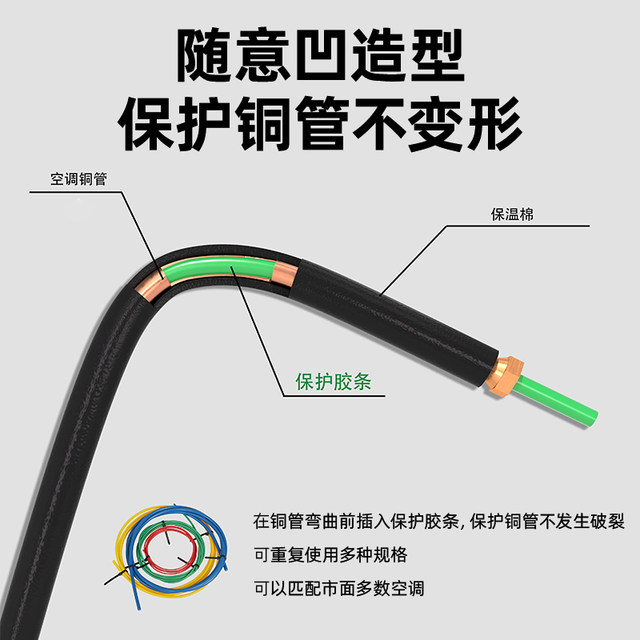
A bending spring is a tool placed inside the pipe. It supports the pipe walls while you bend it.
Push the spring into the pipe to the area you want to bend. Then, bend the pipe slowly around your desired curve.
- Insert the bending spring fully inside the pipe
- Bend the pipe slowly to keep shape
- Remove the spring after bending is done
Cooling And Setting Shape
After bending, let the pipe cool to keep its new shape. Cooling makes the PVC hard again and stable.
You can use cold water or just air to cool the pipe. Make sure the pipe is completely cool before use.
- Cool the pipe with cold water or air
- Wait until the pipe feels hard and firm
- Check the bend for any cracks or damage
Safety Tips
Bending copper and PVC pipes needs care to avoid injuries. Use safety measures to protect yourself.
Follow these tips to stay safe while working with pipes and heat sources.
Protective Gear
Wear the right protective gear to reduce risks. Safety equipment keeps you safe from burns and cuts.
- Use heat-resistant gloves to protect your hands.
- Wear safety goggles to shield your eyes from sparks.
- Put on a long-sleeve shirt to protect your arms.
- Use closed-toe shoes to protect your feet from falling tools or pipes.
- Consider a dust mask if sanding or cutting pipes.
Handling Heat Sources
Heat sources like torches can cause burns and fires. Handle them carefully to avoid accidents.
| Safety Action | Reason |
| Keep a fire extinguisher nearby | To put out any accidental fires quickly |
| Work in a well-ventilated area | To avoid inhaling harmful fumes |
| Never leave heat sources unattended | To prevent unintended fires or burns |
| Let pipes cool before touching | To avoid burns from hot surfaces |
| Use proper tools to hold pipes | To keep a safe distance from heat |
Troubleshooting Bends
Bending copper and PVC pipes can be tricky. Sometimes, the pipes do not bend as expected. This guide helps you fix common problems with bends.
Knowing how to fix kinks, cracks, and wrong angles will save you time and materials. Read on for tips to correct these issues.
Fixing Kinks And Cracks
Kinks and cracks weaken pipes and cause leaks. Fix these problems quickly to keep pipes working well.
- For copper pipes, gently use a pipe expander to smooth kinks.
- Heat the copper pipe slightly before bending to reduce cracking.
- Replace PVC pipes with cracks; they cannot be repaired safely.
- Use pipe clamps or repair sleeves to cover small cracks temporarily.
- Check for leaks after fixing kinks or cracks to ensure tight seals.
Adjusting Bend Angles
Bend angles may not match your project needs. Adjust them carefully for proper fit and flow.
| Issue | Cause | Solution |
| Bend too sharp | Too much force or wrong tool | Use a pipe bending spring or form to guide the bend |
| Bend too wide | Not enough force or pipe slipping | Slowly apply more pressure and hold pipe firmly |
| Uneven bend | Pipe twisting or uneven heat | Reheat pipe evenly and bend slowly with support |

Credit: www.shreedurgaelectroplastindustries.com
Maintenance After Bending
After bending copper and PVC pipes, proper maintenance is important. This keeps the pipes working well and prevents leaks.
Inspecting the pipes carefully and sealing the joints correctly helps extend their lifespan and avoid damage.
Inspecting For Damage
Check the bent pipes for cracks, dents, or weak spots. Look closely at the bends where stress is highest.
- Use good lighting to see small cracks or scratches.
- Feel along the pipe for soft areas or changes in thickness.
- Check if the pipe shape is still uniform and smooth.
- Listen for any unusual sounds when water flows through.
- Replace or repair any damaged section immediately.
Sealing And Joining
After bending, sealing and joining pipes properly is key to stop leaks and ensure strong connections.
| Material | Recommended Sealant | Joining Method |
|---|---|---|
| Copper | Flux and solder | Soldering with a torch |
| PVC | PVC cement | Solvent welding |
Credit: effectprint.cz
Frequently Asked Questions
How Do You Bend Copper Pipes Without Kinking?
To bend copper pipes without kinking, use a pipe bender or sand fill the pipe. This maintains shape and prevents collapse.
What Tools Are Needed To Bend Pvc Pipes Safely?
You need a heat gun, gloves, and a bending spring or jig to bend PVC pipes safely without cracking.
Can You Bend Pvc Pipes Without Heating Them?
No, PVC pipes must be heated evenly to bend without breaking. Heating softens the pipe, allowing smooth bends.
What Is The Best Temperature To Bend Pvc Pipes?
Heat PVC pipes to around 140°F to 160°F (60°C to 71°C) for optimal bending flexibility without damage.
Conclusion
Bending copper and PVC pipes can be simple with the right steps. Use the proper tools to avoid damage and ensure smooth bends. Take your time and measure carefully before bending. Practice helps improve your skill and confidence. Following these tips makes plumbing tasks easier and cleaner.
Keep safety in mind and work slowly. Enjoy the satisfaction of completing your pipe projects well.