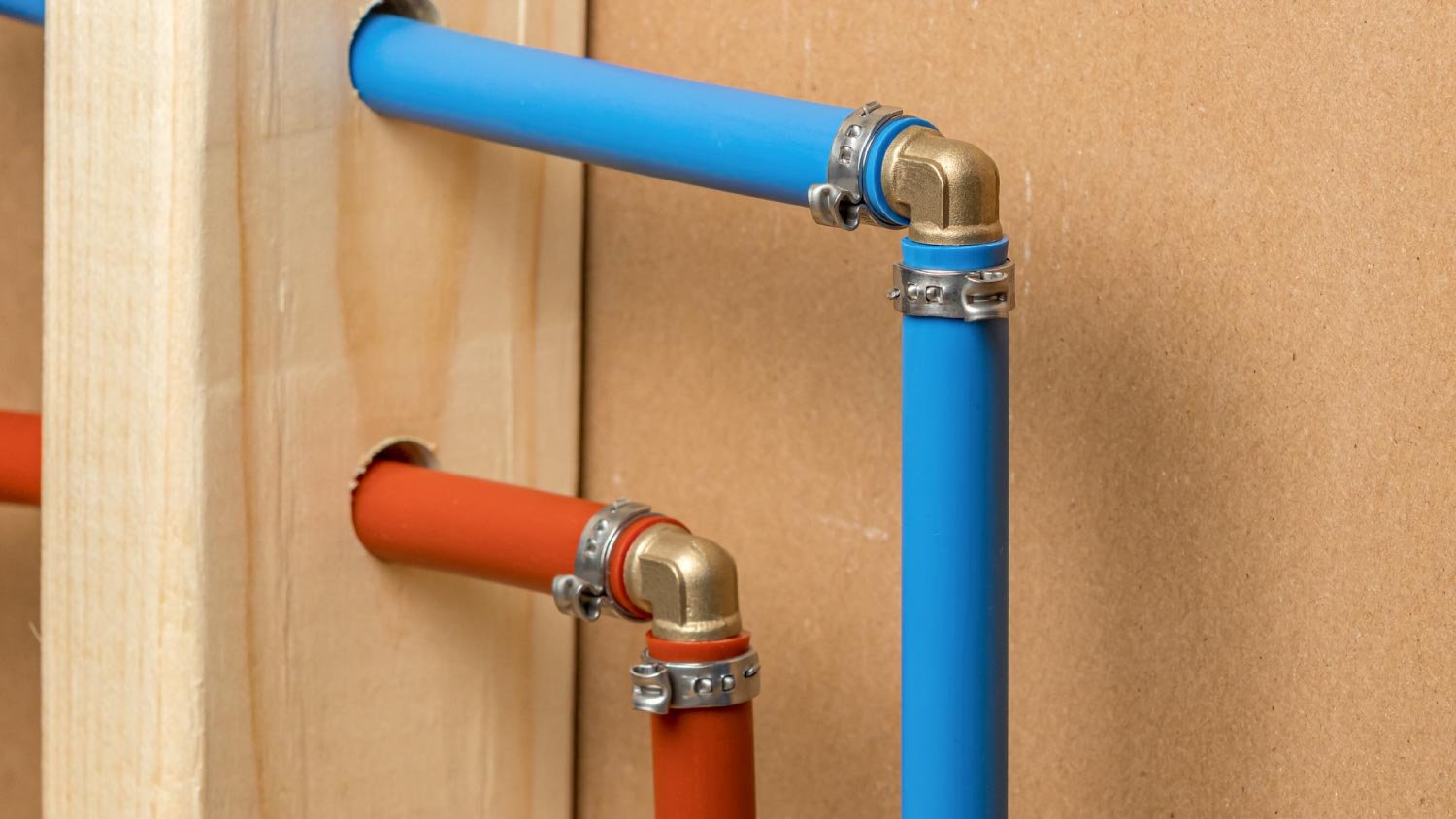
Are you planning a plumbing project and wondering how to install PEX fittings with ease and confidence? You’re in the right place!
PEX fittings are a popular choice for both DIY enthusiasts and professional plumbers due to their flexibility, durability, and cost-effectiveness. However, if you’re new to the world of plumbing, the installation process can seem daunting at first. But don’t worry, you’ve got this! Understanding the right techniques and tools can make all the difference, ensuring a leak-free and long-lasting connection.
In this guide, we’ll walk you through the step-by-step process to master PEX fittings installation, making your plumbing projects smoother and more efficient. Ready to tackle your plumbing like a pro? Let’s dive in!
Tools And Materials Needed
Installing PEX fittings requires the right tools and materials. This helps ensure a secure and leak-free connection.
Knowing the types of fittings, essential tools, and safety gear is important before you start the job.
Types Of Pex Fittings
PEX fittings connect PEX pipes in plumbing systems. They come in several types, each serving different purposes.
- Crimp fittings: Use copper rings to secure the pipe.
- Clamp fittings: Use stainless steel rings tightened with a tool.
- Push-to-connect fittings: Snap on quickly without special tools.
- Expansion fittings: Use a tool to expand the pipe for fitting insertion.
Essential Tools
Having the right tools makes installation easier and safer. Some tools work for all fitting types, while others fit specific ones.
| Tool | Purpose |
| PEX Crimp Tool | Secures copper rings on crimp fittings |
| PEX Clamp Tool | Tightens stainless steel clamps |
| PEX Expander | Expands pipe ends for expansion fittings |
| Pipe Cutter | Cuts PEX pipes cleanly |
| Deburring Tool | Removes rough edges from cut pipes |
| Measuring Tape | Measures pipe lengths accurately |
Safety Equipment
Safety equipment protects you while working with PEX fittings and tools. Always wear proper gear to avoid injuries.
- Safety glasses to protect your eyes
- Work gloves to protect your hands
- Long sleeves to avoid skin contact with sharp edges
- Ear protection if using loud cutting tools

Credit: www.sharkbite.com
Preparing The Pex Tubing
Preparing PEX tubing is an important step before installing fittings. Proper preparation ensures a tight and leak-free connection.
This guide covers measuring, cutting, deburring, and cleaning your PEX tubing.
Measuring And Cutting Tubing
Accurate measuring and clean cutting help avoid leaks and fitting problems. Use a tape measure to get the right length.
- Measure the required length of tubing carefully.
- Mark the cut point with a pencil or marker.
- Use a PEX tubing cutter for a clean, straight cut.
- Ensure the cut is square and smooth without crushing the tubing.
Deburring And Cleaning
Removing burrs and cleaning the tubing end is vital for a secure fit. Burrs can damage fittings or cause leaks.
| Task | Tool | Purpose |
| Deburring | Deburring tool or utility knife | Remove sharp edges and burrs |
| Cleaning | Clean cloth or rag | Remove dirt, dust, and oils |
After cutting, use a deburring tool or knife to smooth the inner and outer edges. Then wipe the tubing end with a clean cloth.
Choosing The Right Fitting Method
Installing PEX fittings needs the right tools and skills. Picking the right fitting method helps ensure a tight and leak-free connection.
Different fittings work well for different jobs. Understanding each type helps you choose the best one for your plumbing needs.
Crimp Fittings
Crimp fittings use a metal ring that you squeeze to seal the pipe. You need a special crimping tool for this job.
This method gives a strong and permanent seal. It works well in tight spaces and is common in home plumbing.
- Use a crimp ring over the pipe and fitting
- Place the crimp tool on the ring
- Squeeze the tool to compress the ring
- Check the seal with a gauge for safety
Clamp (cinching) Fittings
Clamp fittings use a stainless steel clamp to hold the pipe. You tighten the clamp with a special tool.
This method is quick and easy. It works well for repairs and is good if you want a strong but removable seal.
- Slide the clamp over the pipe and fitting
- Use a cinch tool to tighten the clamp
- Make sure the clamp fits snug and secure
- Test the connection for leaks
Push-to-connect Fittings
Push-to-connect fittings do not need tools. You push the pipe into the fitting until it locks in place.
This method is fast and simple. It is great for beginners and temporary setups but may cost more.
- Cut the pipe clean and square
- Push the pipe straight into the fitting
- Feel the pipe lock inside the fitting
- Pull gently to check the connection
Installing Crimp Fittings
Installing crimp fittings on PEX pipes is a common method for creating strong water connections. This process uses a special ring to secure the fitting to the pipe.
Follow each step carefully to ensure a leak-free and durable connection. Safety and accuracy are important during installation.
Sliding The Crimp Ring
First, slide the crimp ring onto the end of the PEX pipe. Make sure the ring is about 1/8 inch from the pipe’s end. This space allows the fitting to fit inside the pipe correctly.
Inserting The Fitting
Push the PEX fitting into the pipe until it reaches the depth mark. The fitting should fit snugly inside. Avoid forcing it too far, or the connection may weaken.
Using The Crimp Tool
- Place the crimp tool jaws around the crimp ring.
- Squeeze the handles firmly to compress the ring onto the pipe.
- Release the tool and remove it from the ring.
- Check if the ring is evenly compressed around the pipe.
Checking The Connection
| Check | What to Look For |
|---|---|
| Ring Position | Centered over the pipe and fitting |
| Ring Compression | No gaps or loose areas |
| Pipe Integrity | No cracks or damage near the crimp |
| Leak Test | Water does not leak under pressure |
Installing Clamp Fittings
Clamp fittings connect PEX pipes quickly and securely. They use a clamp ring and a special tool to seal the pipe and fitting.
This guide explains how to install clamp fittings step by step. Follow these instructions to ensure a strong and leak-free connection.
Positioning The Clamp Ring
Slide the clamp ring onto the PEX pipe before attaching the fitting. The ring must sit evenly over the pipe end.
- Make sure the pipe end is cut straight and clean.
- Push the fitting fully into the pipe.
- Slide the clamp ring about 1/8 inch from the fitting edge.
- Check that the ring is not crooked or loose on the pipe.
Securing With The Clamp Tool
Use a clamp tool to compress the ring tightly around the pipe and fitting. This locks the connection in place.
| Tool Step | Action | Tip |
| 1 | Open the clamp tool jaws wide. | Position the tool over the clamp ring. |
| 2 | Squeeze the handles to close the jaws. | Apply firm, even pressure. |
| 3 | Release the tool and remove it. | Check that the ring is fully compressed. |
Ensuring A Tight Seal
Check the connection to prevent leaks. A tight seal keeps water flowing without problems.
- Inspect the clamp ring for even compression around the pipe.
- Try to twist the pipe near the fitting; it should not move.
- Look for gaps or cracks around the fitting and clamp.
- Test the system with water pressure to confirm no leaks.
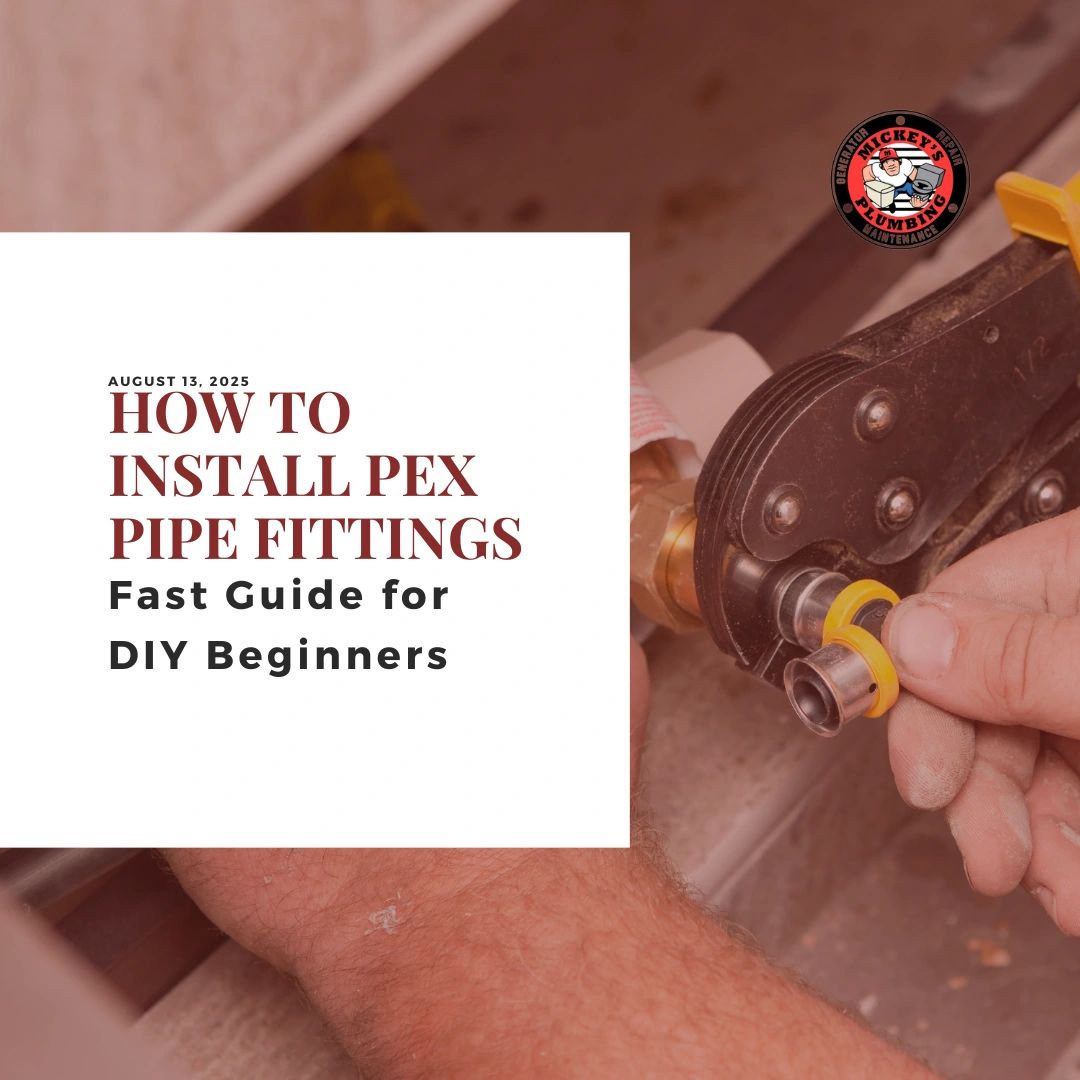
Credit: mickeysplumbing.com
Installing Push-to-connect Fittings
Push-to-connect fittings make PEX plumbing easier and faster. They do not need tools or soldering. You can install them with simple steps.
This guide will show you how to prepare the tubing, insert it into the fitting, and test the connection safely.
Preparing The Tubing End
First, cut the PEX tubing straight and clean. Use a sharp tubing cutter to avoid crushing the pipe.
- Measure and mark the length needed.
- Cut the tubing squarely with a PEX cutter.
- Remove any burrs or rough edges.
- Check that the tubing end is clean and dry.
Inserting Into The Fitting
Push the tubing straight into the fitting until it stops. The fitting’s teeth will grip the pipe and make a seal.
| Fitting Part | Function |
|---|---|
| O-ring | Creates a watertight seal around the tubing |
| Teeth | Hold the tubing firmly in place |
| Body | Protects the internal parts and connects pipes |
Make sure the tubing is pushed fully in. Pull slightly to check if it stays locked.
Testing The Connection
After installation, test the fitting for leaks by turning on the water supply slowly. Watch the connection area closely.
- Turn on water supply gradually.
- Check the fitting for any drips or moisture.
- Press the tubing to confirm it is secure.
- If leaks appear, turn off water and reinsert tubing.
Common Installation Mistakes
Installing Pex fittings is easier when you avoid common errors. Many problems start with simple mistakes.
Knowing what to watch for saves time and prevents leaks or damage later.
Improper Cutting
Cutting the Pex pipe unevenly can cause poor fitting seals. Make sure the cut is straight and clean.
- Use a sharp Pex pipe cutter.
- Do not use scissors or knives.
- Remove any burrs after cutting.
- Check that the pipe end is flat and smooth.
Incorrect Tool Use
Using the wrong tools can damage fittings or pipes. Always use tools made for Pex installation.
| Tool | Purpose | Common Mistake |
| PEX Cutter | Clean, straight pipe cuts | Using knives or scissors |
| Crimp Tool | Secure crimp rings tightly | Under or over tightening rings |
| Expansion Tool | Expand pipe ends for fittings | Not expanding fully before fitting |
Loose Connections
Loose connections cause leaks and water damage. Check every fitting for tightness.
To avoid loose connections:
- Push pipe fully into the fitting.
- Use the right size crimp or clamp ring.
- Tighten crimp rings until secure but not crushed.
- Test connections by gently pulling the pipe.
Testing The System
After installing PEX fittings, testing the system ensures it works well. This step helps find problems early.
Testing includes pressure checks and leak inspections. Follow these steps carefully for safety and performance.
Pressure Testing
Pressure testing confirms the pipes and fittings can handle water pressure. Use a pressure gauge and pump for this test.
- Turn off the main water supply before testing.
- Connect a pressure gauge to the system.
- Use a hand pump or air compressor to add pressure.
- Increase pressure slowly to the recommended level.
- Hold the pressure for 10 to 15 minutes.
- Watch the gauge for any drop in pressure.
- If pressure stays steady, the system passes the test.
- Release the pressure carefully after testing.
Checking For Leaks
Look for leaks at all fittings and joints. Use visual checks and touch to detect water or moisture.
| Area to Check | Signs of Leak | Action |
|---|---|---|
| Fitting Connections | Water droplets or wetness | Tighten fittings or replace damaged parts |
| Pipe Joints | Wet spots or corrosion | Inspect and reseal joints |
| Crimp Rings | Loose or missing rings | Re-crimp or replace rings |
| Valves | Drips or moisture around valves | Repair or replace valves |
Maintenance Tips
Keeping Pex fittings in good shape helps your plumbing work well. Regular care stops leaks and damage.
Follow simple steps to check and fix your Pex fittings. This saves time and money later.
Regular Inspections
Look at your Pex fittings often for signs of wear or leaks. Check around joints and connections carefully.
Use a flashlight to see cracks or corrosion. Listen for dripping sounds that show leaks.
- Inspect fittings every 3 to 6 months
- Look for cracks, rust, or loose parts
- Check for water spots or damp areas
- Tighten any loose connections
Replacing Damaged Fittings
Replace any Pex fittings that show damage. Damaged parts can cause leaks and water damage.
Turn off water before removing old fittings. Use the correct tools to avoid hurting pipes.
- Turn off water supply
- Cut out damaged fitting carefully
- Prepare pipe ends before adding new fitting
- Install a new fitting securely
- Turn water on and check for leaks
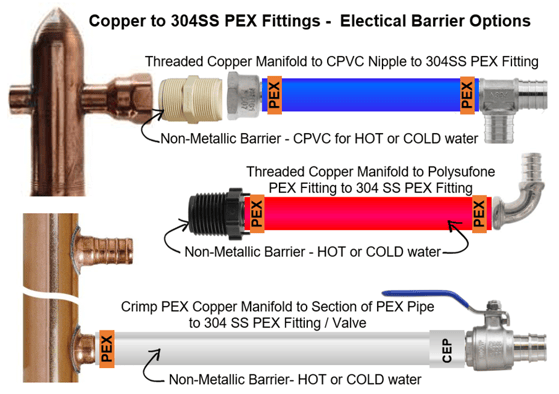
Credit: support.boshart.com
Frequently Asked Questions
What Tools Do I Need To Install Pex Fittings?
You need a Pex cutter, crimp tool, and a pipe expander. Also, have Pex tubing and fittings ready. Safety gloves and measuring tape can help ensure precise and safe installation.
How Do I Prepare Pex Tubing For Fittings?
Cut the tubing cleanly using a Pex cutter. Remove any burrs or debris from the edge. Slide the fitting onto the tubing firmly before crimping or expanding.
Can I Reuse Pex Fittings After Removal?
No, most Pex fittings are designed for one-time use. Reusing can cause leaks or damage. Always use new fittings for reliable connections and long-lasting plumbing.
What Types Of Pex Fittings Are Best For Plumbing?
Crimp, clamp, and push-fit fittings are common. Choose based on your plumbing needs and tools. Push-fit fittings are easier for beginners, while crimp fittings offer durability.
Conclusion
Installing PEX fittings can save time and money. Follow each step with care and patience. Use the right tools for a secure fit. Check all connections to avoid leaks later. Practice makes the process easier and faster. Remember, safety matters—turn off water before starting.
With these tips, your PEX installation will be strong. Enjoy a reliable plumbing system that lasts long. Keep learning and improving your DIY skills. Small efforts bring big results.