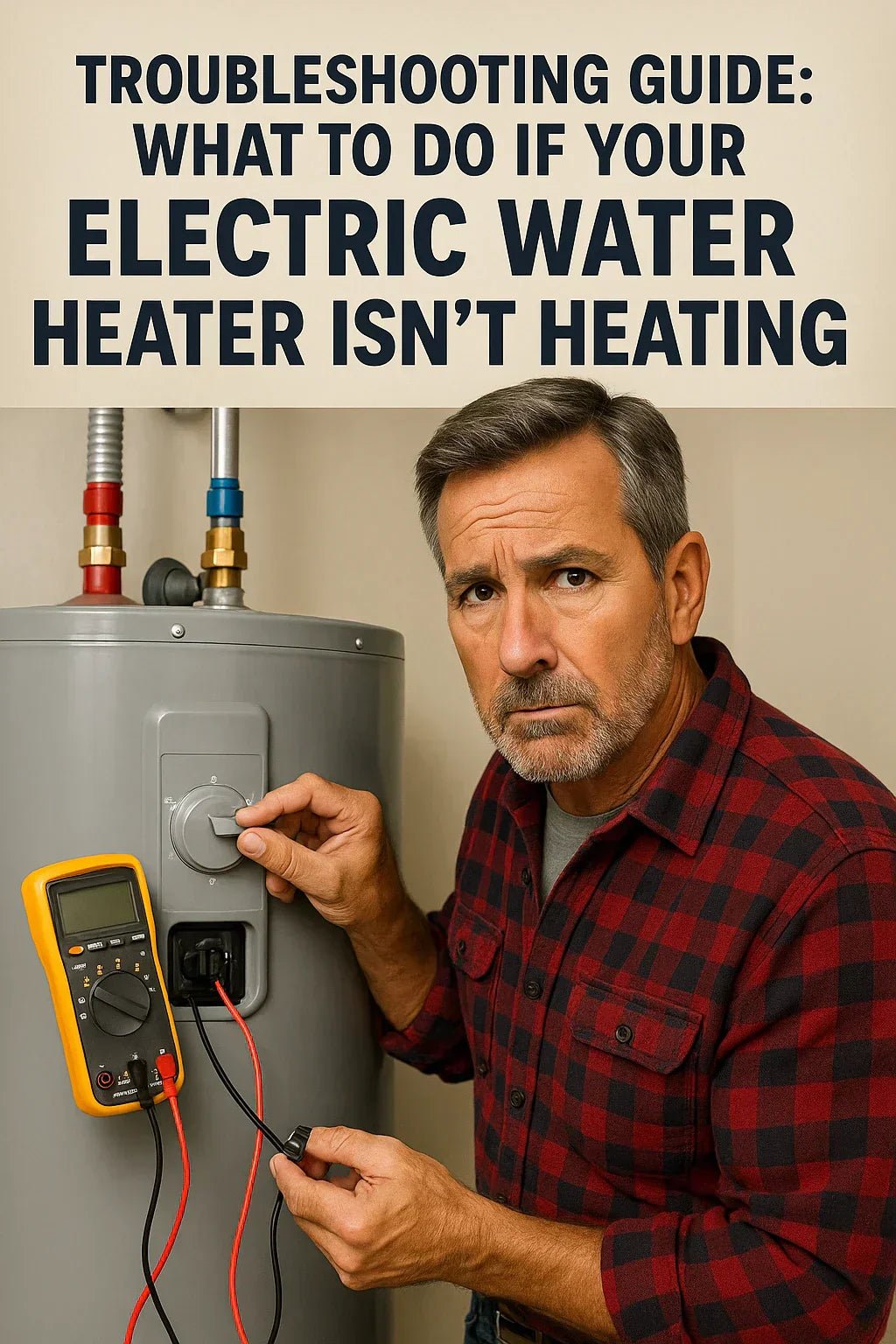
Imagine this: You flip the switch, but the lights stay dark. Your heart races as you wonder what went wrong.
Electrical issues in your home can be frustrating and sometimes even a little scary. But don’t worry, you’re not alone. In this Electrical Troubleshooting Guide, you’ll discover simple, effective solutions to common electrical problems. Whether it’s a pesky circuit breaker that keeps tripping or an outlet that just won’t work, this guide is your go-to resource.
Designed with you in mind, it’s packed with easy-to-follow steps that can help you regain control over your electrical system. Unlock the secrets to solving your electrical puzzles and bring light back to your home. Are you ready to take charge and fix those electrical issues once and for all? Dive in and empower yourself with the knowledge you need to handle electrical troubleshooting like a pro.
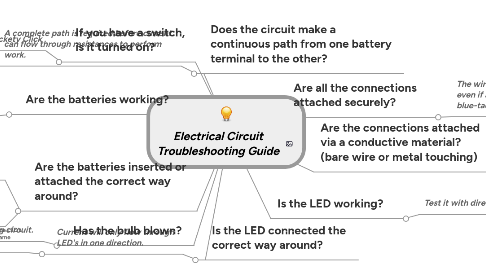
Credit: www.mindmeister.com
Common Electrical Problems
Electrical problems can cause many issues in your home. Knowing common problems helps you fix them faster.
This guide covers frequent electrical troubles and their signs. You can learn what to check and how to stay safe.
Frequent Circuit Breaker Trips
Circuit breakers trip to protect your home from electrical damage. If they trip often, there might be a problem.
Causes include overloaded circuits, short circuits, or faulty appliances. You should find and fix the cause quickly.
- Too many devices on one circuit
- Damaged wiring or outlets
- Malfunctioning appliances
Flickering Lights
Lights that flicker or dim can be annoying and unsafe. This often means there is a loose or bad connection.
Check the bulbs first. If flickering continues, it could be wiring problems or a bad switch.
- Loose bulb or socket
- Faulty light switch
- Wiring issues in the circuit
Dead Outlets
Outlets that do not work can stop your devices from charging or running. It may be caused by a tripped breaker or wiring problems.
Test the outlet with another device. If it still does not work, check the circuit breaker or call an electrician.
- Tripped circuit breaker or blown fuse
- Loose or damaged wiring inside the outlet
- Outlet worn out or broken
Buzzing Sounds In Wiring
Buzzing or humming sounds from wiring or outlets mean there is electrical noise. This may signal a loose connection or overloaded circuit.
Do not ignore buzzing sounds. They can cause fires or damage. Turn off power and get a professional to inspect it.

Credit: www.amazon.com.be
Essential Tools For Troubleshooting
Electric problems can be hard to find and fix. Using the right tools makes the job easier and safer.
This guide covers important tools every electrician or DIYer should have for electrical troubleshooting.
Multimeter Uses
A multimeter measures voltage, current, and resistance in electrical circuits. It helps find faults quickly.
You can test batteries, check wires, and verify if switches work using a multimeter.
- Measure voltage to check power supply
- Test continuity to find broken wires
- Check resistance to test components
- Measure current to see how much electricity flows
Non-contact Voltage Tester
This tool detects voltage without touching wires. It helps find live wires safely and fast.
Just bring the tester close to a wire or outlet. If it lights up or beeps, voltage is present.
- Check if wires are live before working
- Test outlets and switches for power
- Find hidden wires behind walls
- Use it to avoid electric shock
Circuit Tester Tips
A circuit tester shows if a circuit has power and if it is complete. It is simple and useful.
Use it to check outlets, fuses, and switches. It shows if electricity flows correctly.
- Insert tester into outlet slots to check power
- Use it to find blown fuses or tripped breakers
- Test switches by checking power flow
- Always follow safety rules when testing circuits
Insulated Screwdrivers
Insulated screwdrivers protect you from electric shock while working on live circuits.
They have special grips and shafts that stop electricity from passing through your hand.
- Use only insulated tools near electricity
- Check insulation for cracks before use
- Keep screwdrivers clean and dry
- Choose the right size for the screw head
Safety Precautions
Electrical work can be dangerous without the right safety steps. Always follow safety rules to protect yourself.
Understanding how to stay safe helps prevent injuries and keeps the work area secure.
Power Shutoff Methods
Before working on electrical systems, turn off the power. This stops electricity from flowing and lowers risk.
Use circuit breakers or switches to cut power to the area you will work on.
- Locate the main breaker panel.
- Turn off the specific circuit breaker.
- Use a lockout/tagout device if possible.
- Test with a voltage tester to confirm power is off.
Protective Gear
Wear the right gear to keep yourself safe from shocks and burns. Protective gear is a must.
Always wear insulated gloves, safety glasses, and proper footwear when handling electrical parts.
- Insulated gloves protect against electrical shock.
- Safety glasses shield your eyes from sparks.
- Rubber-soled shoes help prevent grounding.
- Wear flame-resistant clothing if sparks may occur.
Avoiding Electrical Shock
Electrical shock can cause serious injury. Take steps to avoid contact with live wires.
Never touch electrical parts with wet hands or while standing on wet surfaces.
- Use insulated tools only.
- Keep hands dry at all times.
- Do not bypass safety devices.
- Check wires and cords for damage before use.
Proper Workspace Setup
Set up your workspace to reduce hazards. A clean area helps you work safely and efficiently.
Keep the floor dry and remove clutter. Good lighting helps you see wires and connections clearly.
- Clear the area of tools and debris.
- Use a non-conductive mat to stand on.
- Ensure good lighting to avoid mistakes.
- Keep emergency exits and paths clear.
Step-by-step Troubleshooting Process
Electrical problems can be tricky. Following a clear process helps find the issue fast. This guide shows simple steps to fix electrical faults safely.
Use tools like a multimeter and wire tester. Always turn off power before working on circuits. Let’s begin with identifying the problem.
Identifying The Problem
Look for signs like flickering lights or outlets not working. Ask if devices are overloaded. Check if circuit breakers have tripped.
- Check if power is reaching the device
- Inspect switches and outlets for damage
- Listen for unusual sounds like buzzing
- Smell for burning odors or melted plastic
Testing Circuits
Use a multimeter to measure voltage and continuity. This shows if electricity flows correctly. Test each part of the circuit separately.
| Test | What to Check | Expected Result |
|---|---|---|
| Voltage Test | Power supply at outlet or fixture | Voltage matches rating (120V or 240V) |
| Continuity Test | Wiring and switches | Low resistance means good connection |
| Ground Test | Ground wire connection | Zero or near zero resistance |
Tracing Faulty Wiring
Follow wires from the power source to the device. Look for breaks, loose connections, or corrosion. Pay close attention at junction boxes.
- Remove outlet or switch covers
- Inspect wire insulation for damage
- Use a wire tracer tool for hidden wires
- Check connections inside the breaker panel
Replacing Components
Replace worn or broken parts like switches, outlets, or fuses. Use parts that match original ratings. Turn off power before replacing anything.
Tips for Safe Replacement:
- Always verify power is off with a tester
- Match wire colors and terminals correctly
- Tighten screws firmly to avoid loose connections
- Test the new component before closing covers
Fixing Specific Issues
Electrical problems can be dangerous and frustrating. Knowing how to fix common issues helps keep your home safe.
This guide covers ways to reset breakers, repair outlets, fix grounding, and handle overloaded circuits.
Resetting Breakers And Fuses
When power goes out in part of your home, a breaker may have tripped or a fuse blown. First, locate your electrical panel.
Switch the breaker fully to off, then back to on. For fuses, replace the blown fuse with one that matches the rating.
Repairing Outlets And Switches
Outlets and switches may stop working due to loose wiring or damage. Turn off power before you start any repairs.
- Remove the outlet or switch cover.
- Check for loose or disconnected wires.
- Tighten screws holding wires in place.
- Replace damaged outlets or switches.
- Restore power and test the repair.
Addressing Grounding Problems
Grounding protects you from electric shocks. If you feel a shock from an appliance, grounding may be faulty.
| Problem | Possible Cause | Solution |
| Shock from appliance | No ground wire | Install grounding wire |
| Breaker trips often | Poor grounding connection | Check and tighten ground wires |
| Metal parts feel live | Broken ground path | Repair or replace wiring |
Dealing With Overloaded Circuits
Overloaded circuits cause breakers to trip often. This happens when too many devices use the same circuit.
- Unplug some devices on the circuit.
- Move appliances to other circuits.
- Use power strips with circuit breakers.
- Consider adding new circuits for heavy use.
- Call an electrician if problems continue.

Credit: nanaimo.craigslist.org
Preventive Maintenance Tips
Electrical systems need care to work well and last long. Preventive maintenance helps avoid problems and keeps things safe.
Following simple tips can stop electrical issues before they start. Check your system often and fix small issues fast.
Regular Inspections
Look over your electrical system regularly. Inspections find worn parts or loose wires early. This stops bigger problems.
Check outlets, switches, and cords for damage. Test safety devices like breakers and fuses to make sure they work.
- Inspect all wiring for cracks or frays
- Look for signs of overheating or burning
- Test circuit breakers and fuses
- Check outlets for loose connections
Upgrading Old Wiring
Old wiring can cause shorts or fires. Update old wires to meet current safety rules. This improves system safety.
Use wires that fit your electrical load. Replace cloth-covered or damaged wires with modern ones. This lowers risk.
- Replace cloth or rubber insulation wiring
- Use wires with proper gauge for devices
- Hire a qualified electrician for upgrades
Using Surge Protectors
Surge protectors stop voltage spikes from damaging devices. They save your electronics and wiring from harm.
Use surge protectors on all important equipment. They are easy to install and affordable for most homes.
- Plug sensitive devices into surge protectors
- Replace surge protectors every few years
- Choose surge protectors with high joule ratings
Keeping Electrical Panels Clean
Dust and dirt in electrical panels cause overheating. Clean panels help breakers work correctly and last longer.
Turn off power before cleaning panels. Use a dry cloth or vacuum to remove dust carefully.
- Switch off main power before cleaning
- Remove dust with a dry cloth or vacuum
- Do not use water or liquids inside panels
- Check for signs of rust or corrosion
When To Call A Professional
Electrical problems can be tricky and unsafe. Some issues need expert help. Knowing when to call a professional keeps your home safe.
This guide explains signs that show you should hire an electrician. It covers wiring, persistent issues, code rules, and safety risks.
Complex Wiring Problems
Wiring inside walls or ceilings is hard to fix. Complex wiring can cause shorts or fire hazards. Professionals have the tools and skills to handle this safely.
- Old or damaged wiring that needs replacement
- Adding circuits or outlets to the main panel
- Wiring that does not follow a clear pattern
- Multiple breakers tripping at once
Persistent Electrical Issues
Some electrical problems keep coming back even after you try to fix them. This is a sign of a deeper issue.
- Lights flicker or dim frequently
- Outlets or switches that do not work properly
- Breaker trips repeatedly without clear cause
- Burning smells or scorch marks near outlets
Code Compliance Concerns
Electrical work must meet local safety codes. Professionals know these rules and ensure work is legal and safe.
| Issue | Why It Matters |
| Ungrounded outlets | Can cause electric shock |
| Incorrect breaker size | Risk of overheating and fire |
| Improper wire gauge | May not handle electrical load |
| Lack of permits | Fails inspection and insurance claims |
Safety Risks Beyond Diy
Some dangers go beyond simple fixes. Mistakes can cause serious injuries or damage.
Call a professional if you experience:
- Shock or tingling when touching switches or appliances
- Buzzing sounds from outlets or breaker box
- Water near electrical panels or outlets
- Unexplained power loss in parts of the home
- Visible sparks or smoke from wiring
Frequently Asked Questions
What Are The Basic Steps For Electrical Troubleshooting?
Start by turning off power and inspecting visible damage. Use a multimeter to check voltage and continuity. Identify faulty components and replace or repair them. Always follow safety guidelines and consult wiring diagrams for accuracy.
How Can I Identify Common Electrical Problems At Home?
Look for flickering lights, tripped breakers, or outlets not working. Check for burning smells or unusual sounds near electrical devices. Use a voltage tester to verify power flow. These signs often indicate wiring issues or overloaded circuits.
What Tools Are Essential For Electrical Troubleshooting?
A multimeter, voltage tester, wire stripper, and insulated screwdrivers are key. These tools help measure voltage, check continuity, and safely handle wires. Having the right tools improves accuracy and safety during troubleshooting tasks.
How Do I Safely Troubleshoot Electrical Circuits?
Always turn off power at the breaker before starting. Use insulated tools and wear protective gear. Verify power is off with a tester. Never touch live wires and follow proper lockout/tagout procedures to avoid accidents.
Conclusion
Electrical problems can be solved with the right steps and safety. Always check your tools and follow simple methods. Understanding basic troubleshooting saves time and money. Stay calm and work carefully to avoid mistakes. Keep this guide handy for quick reference.
Practice makes the process easier over time. Trust yourself to handle small electrical issues safely. Safety first, always.