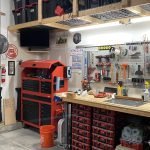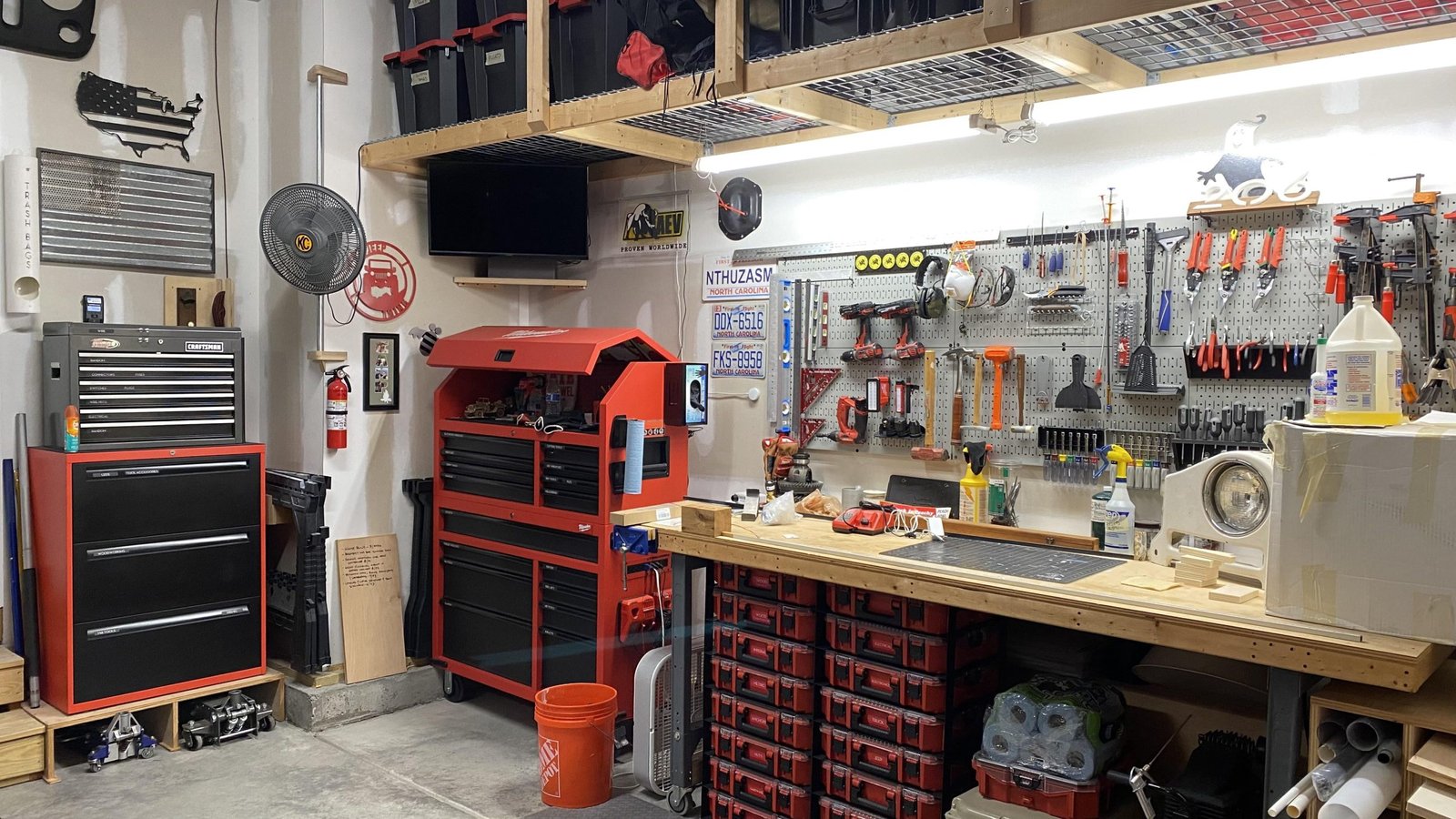
Are you tired of wasting time searching for tools scattered around your workspace? Imagine having everything you need in one convenient, mobile spot.
A mobile tool cabinet can be your ultimate solution, transforming the way you work and boosting your productivity. But how do you set it up for maximum efficiency? In this guide, you’ll discover straightforward steps to organize your tools like a pro.
Picture a workspace where every tool is within reach, and you know exactly where everything is. Sounds great, right? Keep reading to learn how to set up a mobile tool cabinet that will save you time and make your projects run smoother than ever before.
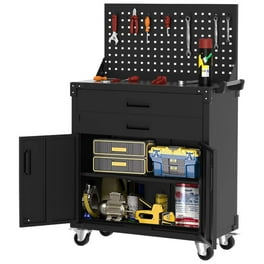
Credit: www.walmart.com
Choosing The Right Cabinet
Picking the right mobile tool cabinet makes your work easier. It helps keep tools safe and organized.
Think about the space you have and what tools you need to store. This guide will help you decide.
Size And Capacity
Measure your workspace before buying a cabinet. Choose one that fits well without crowding the area.
- Count your tools to know needed drawer space
- Consider extra room for future tool additions
- Check drawer sizes for large or small tools
- Look for adjustable shelves for flexibility
Material And Durability
Strong materials keep your cabinet safe from damage. Look for sturdy metal or heavy-duty plastic.
| Material | Benefits | Drawbacks |
| Steel | Very strong and long-lasting | Can be heavy and may rust |
| Aluminum | Lightweight and rust-resistant | Less strong than steel |
| Plastic | Easy to move and rust-proof | Less durable under heavy load |
Mobility Features
Good wheels help move the cabinet easily. Check for locking brakes to keep it in place.
- Look for smooth-rolling casters
- Choose cabinets with brakes on wheels
- Check if handles are comfortable to grip
- Consider weight of cabinet when full
Preparing Your Workspace
Setting up a mobile tool cabinet needs a clean and organized workspace. This helps you work safely and efficiently.
Prepare your area before moving your tools. Clear space and gather what you need first.
Clearing The Area
Remove any objects that block your workspace. Make sure the floor is clean and dry. This prevents accidents and gives enough room to place the cabinet.
Check for cords or cables that can trip you. Move them out of the way or tape them down securely.
Gathering Necessary Tools
- Measuring tape to check space and cabinet size
- Screwdrivers for adjusting parts
- Wrench set for tightening bolts
- Level to ensure cabinet stands straight
- Cleaning cloth to wipe down surfaces
- Gloves for hand protection
Having all tools ready saves time. Place them near your workspace for quick access.
Safety Precautions
| Safety Tip | Reason |
|---|---|
| Wear gloves | Protect hands from sharp edges |
| Keep area dry | Prevent slipping accidents |
| Use proper lifting techniques | Avoid back injuries |
| Keep tools organized | Reduce risk of dropping or losing them |
Follow these safety tips to avoid injuries while setting up your tool cabinet.
Assembling The Cabinet
Setting up your mobile tool cabinet is easier when you follow clear steps. This guide helps you put your cabinet together correctly.
Focus on each part carefully to avoid mistakes. Take your time during assembly for the best results.
Reading The Instructions
Start by reading the instruction manual fully. This helps you understand all parts and tools needed.
Look for diagrams and part lists to check you have everything. Follow the order suggested in the guide.
Attaching Wheels And Handles
Attach the wheels to the bottom of the cabinet first. Use the screws and tools provided with the kit.
Secure the handles on the sides or front. Make sure they are tight for easy movement and lifting.
- Place wheels on flat surface before screwing
- Tighten all screws firmly but don’t overdo it
- Check wheels roll smoothly after attachment
- Handles should be comfortable to grip
Securing Drawers And Shelves
Insert drawers into their tracks inside the cabinet. Slide them gently to avoid damage.
Fix shelves with brackets or supports as shown in the manual. Make sure they are level and stable.
- Align drawers before pushing all the way in
- Use screws or clips to lock drawers in place
- Check shelves do not wobble after fixing
- Adjust shelf height if needed for your tools

Credit: www.gladiatorgarageworks.com
Organizing Your Tools
Keeping your tools organized helps you find them fast. It also protects your tools from damage.
A mobile tool cabinet can store many tools neatly. Organize tools to save time and space.
Sorting By Type And Size
Group your tools by their type, such as wrenches, screwdrivers, or pliers. This keeps similar tools together.
Sort each group by size, from smallest to largest. This makes it easy to pick the right tool quickly.
- Separate hand tools, power tools, and accessories
- Arrange tools from small to large in each drawer
- Keep frequently used tools in top drawers
Using Drawer Dividers
Drawer dividers help keep tools separated and tidy. They stop tools from mixing and getting damaged.
Use adjustable dividers to fit different tool sizes. This lets you change your setup as your tool collection grows.
- Use plastic or metal dividers for durability
- Adjust dividers to create small compartments
- Keep sharp or delicate tools separated
Labeling For Easy Access
Labels on drawers and compartments save time searching. They show where each tool belongs.
Use clear, easy-to-read labels. Update labels if you move or add tools to your cabinet.
- Label drawers by tool type and size
- Use color-coded labels for quick spotting
- Place labels on drawer fronts and inside compartments
Maintaining Your Cabinet
Keeping your mobile tool cabinet in good shape helps it last longer. Regular care makes sure your tools stay safe and organized.
Learn simple ways to clean, check, and update your cabinet for the best use.
Regular Cleaning
Clean your cabinet often to avoid dust and dirt buildup. Use a soft cloth and mild cleaner for best results.
- Wipe the outside and inside surfaces weekly
- Remove tools before cleaning drawers
- Use compressed air to clear tight spaces
- Dry the cabinet after cleaning to stop rust
Checking For Damage
Look for signs of damage to keep the cabinet safe. Check locks, wheels, and drawer slides regularly.
| Part | What to Check | Action If Damaged |
| Locks | Function and keys | Replace or fix immediately |
| Wheels | Roll smoothly, no cracks | Lubricate or swap out |
| Drawers | Slide easily, no dents | Clean tracks or repair dents |
Updating Tool Inventory
Keep a list of all your tools inside the cabinet. Update it when you add or remove items.
Use this simple checklist to track your tools:
- Tool name
- Quantity
- Condition
- Last used date
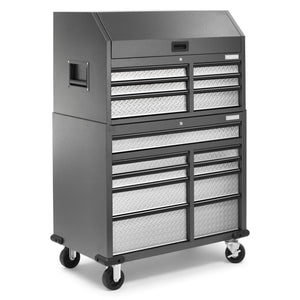
Credit: www.gladiatorgarageworks.com
Frequently Asked Questions
How Do I Choose The Right Mobile Tool Cabinet?
Consider size, storage capacity, and mobility features. Choose durable materials and ensure it fits your workspace and tool types.
What Tools Should I Store In A Mobile Tool Cabinet?
Store frequently used hand tools, power tools, and accessories. Organize by size and type for easy access and efficiency.
How Do I Organize Tools Inside The Cabinet?
Use drawer dividers and foam inserts to separate tools. Label drawers and group similar items for quick retrieval.
Can I Customize A Mobile Tool Cabinet?
Yes, customize with adjustable shelves, extra drawers, or pegboards. Tailor storage to your specific tools and work needs.
Conclusion
Setting up a mobile tool cabinet helps keep tools organized and easy to find. It saves time during work and reduces frustration. Choose the right size and strong materials for durability. Label drawers clearly to find tools quickly. Keep the cabinet clean and check wheels often for smooth movement.
A well-set cabinet makes work faster and more efficient. Start small and add more as needed. Stay organized and enjoy the benefits every day.