Precision is everything when it comes to measurements. Whether you’re crafting a DIY project, sewing a piece of clothing, or tackling a home improvement task, using a ruler correctly can make all the difference.
But let’s be honest, how often have you second-guessed your measurements, wondering if they’re truly accurate? You’re not alone. Mastering the art of using a ruler might seem simple, but there are key tips and tricks that can help you ensure every line and angle is just right.
Imagine the satisfaction of knowing your measurements are spot-on every time. Are you ready to transform your measuring skills and eliminate those frustrating errors? Dive into these essential tips and unlock the secret to flawless precision with your trusty ruler.

Credit: www.kearing.com
Choosing The Right Ruler
Using a ruler helps you measure things accurately. Picking the right ruler is important for precise results.
Different rulers suit different tasks. This guide explains how to choose one that fits your needs.
Material Options
Rulers come in many materials. Each material has benefits and drawbacks for measuring.
Plastic rulers are light and cheap. Metal rulers last longer and are more precise. Wood rulers feel solid but can wear out.
- Plastic: affordable and flexible
- Metal: durable and accurate
- Wood: classic feel but less durable
Measurement Units
Rulers show measurements in different units. Choose one with units that match your project.
Some rulers use inches, others use centimeters. Some have both for more options.
- Inches: common in the US
- Centimeters: used worldwide
- Dual scale: offers both units
Ruler Lengths
Rulers come in different lengths for different tasks. Pick a length that fits your measuring needs.
Short rulers are easy to carry. Long rulers cover bigger areas but can be harder to handle.
- 6 inches (15 cm): good for small tasks
- 12 inches (30 cm): standard size for many uses
- 24 inches (60 cm) or longer: for large projects

Credit: www.youtube.com
Preparing For Accurate Measurement
Using a ruler correctly helps you get exact measurements. Preparation is key to avoid mistakes.
Small details like where you measure and how you hold the ruler matter a lot. Follow these tips to prepare well.
Surface And Lighting
Choose a flat, clean surface to place your object and ruler. Good lighting helps you see the ruler marks clearly.
- Work on a smooth, stable table or desk.
- Avoid shiny or reflective surfaces that cause glare.
- Use natural light or a bright lamp to reduce shadows.
- Keep the area free of clutter to focus on measuring.
Stabilizing The Ruler
Hold the ruler firmly to stop it from moving during measurement. This keeps your reading exact.
| Method | Tip |
| Hand Grip | Press the ruler flat with your fingers near the middle. |
| Tape | Use a small piece of tape to fix the ruler on the surface for long measurements. |
| Weight | Place a light weight on the ruler’s edge if your hands shake. |
Aligning The Object
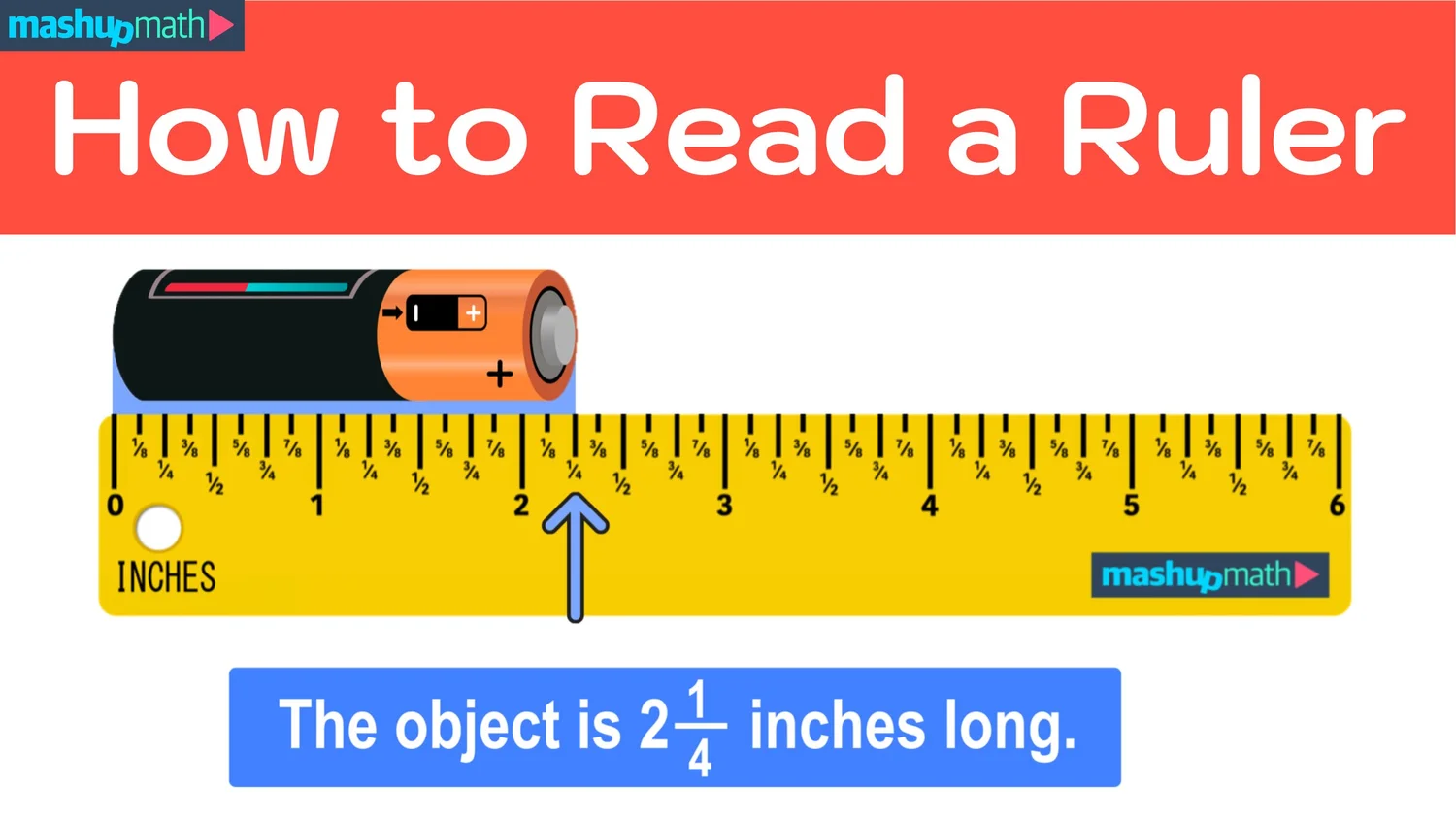
Place the object so its edge lines up exactly with the zero mark on the ruler. This avoids extra length in your measure.
- Make sure the object does not start before or after the zero mark.
- Check the ruler’s zero point is not worn or damaged.
- Keep the object steady while you measure.
- Look straight down at the ruler to avoid reading errors.
Reading Measurements Correctly
Using a ruler correctly helps you get exact measurements. It is important to read the marks on the ruler carefully.
This guide explains how to place the ruler, read the scale, and avoid common mistakes.
Starting Point Placement
Place the ruler so the zero mark lines up with the object’s edge. Do not start measuring from the ruler’s end if there is extra space.
Some rulers have a small gap before the zero mark. Always use the zero mark as the starting point.
- Check where the zero mark is on your ruler
- Align the zero mark with the object’s edge
- Do not start from the ruler’s physical end
Interpreting Scale Markings
Rulers have different marks for units like inches or centimeters. Each small line shows a fraction of the unit.
Learn what each mark means. For example, on a centimeter side, small lines might be millimeters.
- Longer lines show whole units
- Medium lines show half units
- Short lines show smaller fractions
Avoiding Parallax Errors
Look straight above the ruler to read the measurement. Looking from an angle can cause wrong readings.
Keep your eyes level with the mark you want to read. This stops the measurement from looking bigger or smaller.
- Place your eye directly over the mark
- Do not read from the side or above at an angle
- Keep the ruler steady during reading

Credit: www.youtube.com
Techniques For Precise Marking
Using a ruler helps you measure accurately. Marking your points clearly is key to getting the right size.
These techniques will help you make precise marks for your projects.
Using Sharp Pencils
A sharp pencil makes thin, clear lines. This helps avoid mistakes from thick marks.
Keep your pencil sharp by using a good sharpener. This keeps your marks clean and easy to read.
Marking At Eye Level
Hold your eyes level with the ruler when marking. This prevents mistakes caused by looking from an angle.
Look straight at the ruler’s edge to place your mark exactly where you want it.
Double Checking Marks
Check your marks twice before cutting or drilling. This helps avoid costly errors.
- Measure from the start point again
- Compare your marks with the ruler
- Use a second ruler if needed
Advanced Tips For Expert Accuracy
Using a ruler for precise measurements is a basic skill. Experts improve accuracy with advanced tips.
This guide covers how to use calipers with rulers, measure irregular shapes, and maintain ruler calibration.
Using Calipers With Rulers
Calipers help measure small distances and thicknesses with great accuracy. They work well with rulers.
Use a caliper to get a close measurement, then check the ruler for larger scale values. This method improves precision.
- Place the caliper jaws around the object for exact size
- Note the caliper reading carefully
- Use the ruler to measure longer parts or distances
- Combine both for detailed, accurate results
Measuring Irregular Shapes
Irregular shapes do not have straight edges, making measurements tricky with a ruler alone.
Use flexible measuring tools or break the shape into smaller parts. Measure each part and add the lengths.
- Mark key points along the shape’s edges
- Measure between points using the ruler
- Add all segment lengths for total measurement
- Use a string to follow curves, then measure the string
Maintaining Ruler Calibration
Rulers can lose accuracy if damaged or warped. Keep rulers calibrated for expert measurements.
Check your ruler against a certified standard or known length regularly. Replace rulers that show wear or errors.
- Store rulers flat to avoid bending
- Clean rulers to remove dirt and marks
- Compare with a standard measuring tool often
- Use metal or high-quality plastic rulers for durability
Common Mistakes To Avoid
Using a ruler might seem easy, but small mistakes can cause big errors. Precise measurements need care and attention. Avoid these common mistakes to get accurate results every time.
Check your technique and tools before measuring. This helps you avoid errors and saves time.
Misreading Units
Rulers often show different units like inches and centimeters. Confusing these units leads to wrong measurements. Make sure you read the correct side and unit before measuring.
- Look closely at the unit labels on your ruler.
- Use the same unit for all measurements in a project.
- Double-check your reading if you switch between metric and imperial.
- Be aware that some rulers have smaller marks for fractions or millimeters.
Applying Excessive Pressure
Pushing too hard on the ruler can bend or shift it. This changes the length and causes wrong results. Hold the ruler gently but firmly on the surface.
| Pressure Level | Effect on Measurement |
| Light pressure | Ruler stays flat and stable |
| Medium pressure | Good control without bending |
| Excessive pressure | Ruler bends or slips, causing errors |
Ignoring Ruler Wear And Tear
Old or damaged rulers lose accuracy. Faded marks, chips, or warped edges make it hard to measure right. Inspect your ruler regularly to avoid mistakes.
- Replace rulers with faded or missing markings.
- Check edges for chips or bends before use.
- Store rulers flat to keep their shape.
- Clean rulers to keep marks visible and clear.
Frequently Asked Questions
How Do I Align A Ruler For Accurate Measurements?
To align a ruler accurately, place it firmly along the edge of the object. Ensure the zero mark matches the object’s starting point. Keep your eye directly above the measurement to avoid parallax errors. This method guarantees precise and reliable readings every time.
What Ruler Type Is Best For Precise Measurements?
Metal rulers are best for precision due to their durability and clear markings. Transparent plastic rulers help see the object beneath for better alignment. Choose a ruler with fine, clearly printed increments for the most accurate measurements.
How Can I Avoid Parallax Error When Measuring?
Avoid parallax error by positioning your eyes directly above the ruler’s measurement mark. Viewing from an angle causes incorrect readings. Keeping your line of sight perpendicular to the ruler ensures the measurement is exact and consistent.
Why Is Starting From Zero On A Ruler Important?
Starting at zero ensures measurements are correct and not offset. Some rulers have an edge that doesn’t start exactly at zero, so double-check before measuring. This avoids adding extra length and improves accuracy in your work.
Conclusion
Using a ruler carefully helps you measure things right every time. Keep the ruler steady and read the numbers clearly. Small steps, like starting at zero and checking twice, make a big difference. Practice often to improve your skill and confidence.
Precise measurements save time and avoid mistakes. Remember, simple habits lead to better results. Use these tips to measure with ease and accuracy. Your projects will look neat and professional. Measuring well is a useful skill anyone can learn. Give it a try and see the difference yourself.