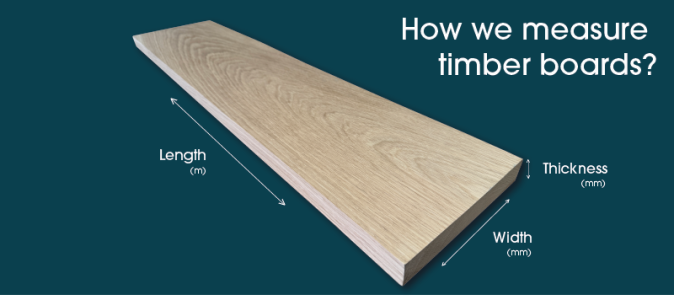
Are you struggling to get the right measurements for your panels and boards? Accurate thickness measurement is crucial for any project, be it DIY home improvements or professional construction.
Imagine the satisfaction of knowing you’ve nailed it down to the millimeter, ensuring everything fits perfectly. This guide will unravel the secrets of measuring thickness with ease and precision. Whether you’re a seasoned professional or just getting started, understanding these techniques can save you time and frustration.
Read on to discover the simple tools and methods that can make all the difference in your work.
Tools For Measuring Thickness
Measuring the thickness of panels and boards is important for quality and fit. Different tools help get accurate thickness readings.
This guide explains common tools used to measure thickness, their features, and how to use them.
Calipers
Calipers are simple tools that measure thickness by closing jaws around the panel. They can measure inside and outside dimensions.
They come in digital, dial, and vernier types. Digital calipers show readings on a screen, making them easy to read.
Micrometers
Micrometers provide very precise thickness measurements. They have a spindle that moves toward an anvil to hold the panel.
- Use a micrometer for thin panels or boards requiring exact thickness.
- They often measure in thousandths of an inch or hundredths of a millimeter.
- Micrometers need careful handling for accurate results.
Thickness Gauges
Thickness gauges come as sets of thin metal or plastic strips of known thickness. You slide them between the panel and a fixed surface.
| Type | Use | Accuracy |
| Feeler Gauge | Small gaps and thin panels | High |
| Plastic Gauge | Soft or delicate surfaces | Medium |
| Metal Gauge | Hard surfaces and rough edges | High |
Ultrasonic Thickness Meters
Ultrasonic meters use sound waves to measure thickness without touching the back surface. They work well on finished panels.
- Place the probe on the panel surface with gel.
- The device sends sound waves and calculates thickness from echo time.
- Good for painted or coated boards.
- Can measure through insulation or surface layers.
Choosing The Right Tool
Measuring the thickness of panels and boards needs the right tools. The tool you pick depends on the material and how exact you want to be.
Choosing the right tool helps get good results. It saves time and avoids mistakes in your project.
Material Type Considerations
Different materials need different measuring tools. Soft materials need gentle tools. Hard or thick materials need strong, precise tools.
- Wood panels: Use calipers or micrometers for exact thickness
- Plastic boards: Use digital calipers to avoid damage
- Metal sheets: Use micrometers for very precise reading
- Foam boards: Use a ruler or depth gauge for rough measurement
Precision Requirements
How exact your measurement must be affects the tool choice. Small projects need less exact tools. Large or technical projects need high precision tools.
- Low precision: Tape measure or ruler works well
- Medium precision: Dial or digital calipers are good
- High precision: Micrometers provide the best accuracy
Budget And Accessibility
Your budget limits which tools you can buy. Some tools cost more but last longer or offer better accuracy.
Also think about how easy it is to get the tool and use it. Simple tools work well for beginners and quick checks.
- Low budget: Use a ruler or tape measure
- Mid budget: Buy dial or digital calipers
- Higher budget: Invest in micrometers or specialized gauges
- Accessibility: Choose tools that are easy to find and use
Step-by-step Measurement Techniques
Measuring the thickness of panels and boards is important for many projects. Accurate measurements ensure the materials fit well and work properly. This guide shows easy steps to measure thickness correctly.
Use simple tools and follow clear steps. These tips will help you get exact thickness readings every time.
Preparing The Panel Or Board
Before measuring, clean the panel or board surface. Remove dust, dirt, or any stickers that may affect the reading. Make sure the panel is flat and stable on a solid surface.
- Wipe the surface with a dry cloth
- Place the panel on a flat table or floor
- Keep the panel steady to avoid movement
- Check for any warping or bends
Taking Accurate Readings
Use a caliper or thickness gauge for precise measurement. Place the tool perpendicular to the panel’s surface. Take readings from different spots to check for thickness variations.
| Tool | How to Use | Tip |
| Vernier Caliper | Close jaws gently on the edge | Read the scale carefully |
| Micrometer | Turn spindle to touch surface | Do not press too hard |
| Thickness Gauge | Slide gauge between surfaces | Use the thinnest leaf that fits |
Recording Measurements
Write down each measurement clearly. Note the location on the panel where the reading was taken. This helps to track uneven thickness or defects.
- Label each spot on the panel (e.g., corner, center)
- Record the thickness value beside each label
- Compare all values to find the average thickness
- Keep the notes for future reference

Credit: www.dunnlumber.com
Common Measurement Challenges
Measuring the thickness of panels and boards can be tricky. Different surfaces and shapes cause problems. Accurate results require careful techniques.
This guide covers common challenges and how to handle them. It helps you get the right thickness every time.
Dealing With Uneven Surfaces
Uneven surfaces create false readings when measuring thickness. High spots or dents can change the result. Use these tips to improve accuracy:
- Measure at several points across the surface
- Use a caliper with flat jaws for better contact
- Place a flat reference block under the panel for support
- Take the average of multiple measurements
- Avoid pressing too hard to prevent distortion
Measuring Curved Or Irregular Shapes
Curved and irregular boards need special attention. Straight rulers or calipers may not fit well. Follow these steps to measure correctly:
| Challenge | Solution |
| Curved edges | Use flexible measuring tape or contour gauge |
| Irregular thickness | Measure at several key points along the curve |
| Non-flat surfaces | Support the board on a soft but firm surface |
| Hard-to-reach areas | Use a thin feeler gauge or depth micrometer |
Avoiding Measurement Errors
Errors happen if you do not prepare or use the right tools. Watch out for common mistakes and follow these rules:
- Calibrate your tools before measuring
- Keep measuring tools clean and free of debris
- Measure in a controlled environment to avoid temperature effects
- Read the tool scale carefully and at eye level
- Record measurements immediately to avoid forgetting
Expert Tips For Reliable Results
Measuring the thickness of panels and boards is important for many projects. Accurate measurements ensure the quality and fit of your materials.
Use the right tools and techniques to get precise results every time. Follow these expert tips to improve your measurement skills.
Calibrating Tools Regularly
Check your measuring tools before use. Calibration helps avoid errors and keeps measurements accurate.
Use calibration blocks or standards that match the size you measure. Calibrate tools often, especially if used daily.
- Calibrate calipers and micrometers with gauge blocks
- Reset digital tools to zero before measuring
- Store tools properly to maintain accuracy
Multiple Measurement Points
Measure the thickness at several spots on the panel or board. This checks for any uneven areas or warping.
Take measurements near edges and the center to get a full picture of thickness variations.
- Mark points evenly across the surface
- Record each measurement carefully
- Calculate the average thickness for best results
Environmental Factors Impact
Temperature and humidity can change the size of panels and boards. Measure in a stable environment.
Allow materials to acclimate to room conditions before measuring for the most reliable results.
- Avoid measuring in direct sunlight or near heaters
- Keep tools and materials dry to prevent swelling
- Measure at consistent temperature and humidity levels
Credit: www.jlconline.com
Applications Of Thickness Measurements
Measuring the thickness of panels and boards is important in many industries. It helps ensure the material meets required specifications.
This measurement affects product quality, material choice, and legal compliance in manufacturing and construction.
Quality Control
Thickness measurement is a key step in quality control. It confirms that panels and boards match design requirements.
- Detects defects like uneven surfaces or warping
- Ensures consistent product performance
- Reduces waste by identifying out-of-spec materials early
Material Selection
Manufacturers use thickness data to select the right materials for specific uses. Thickness affects strength and durability.
| Material Type | Recommended Thickness (mm) | Common Use |
| Plywood | 6 – 18 | Furniture and flooring |
| MDF | 3 – 25 | Cabinet making and molding |
| Particleboard | 10 – 30 | Interior walls and shelving |
Compliance With Standards
Thickness measurements help meet industry and safety standards. They prove that products follow regulations.
Common standards requiring thickness checks include:
- ISO standards for wood products
- ASTM thickness tolerances for panels
- Building codes specifying minimum thickness

Credit: www.testandmeasurementtips.com
Frequently Asked Questions
What Tools Are Best For Measuring Panel Thickness?
Calipers, micrometers, and thickness gauges are ideal tools. They offer precise and accurate thickness measurements for panels and boards.
How To Measure Thickness Without Damaging Panels?
Use non-invasive tools like digital calipers or micrometers. Gently place the tool on the panel edges to avoid surface damage.
Why Is Measuring Panel Thickness Important?
Thickness affects strength, durability, and insulation of panels. Accurate measurement ensures product quality and suitability for specific applications.
Can Thickness Vary Across The Same Panel?
Yes, thickness can slightly vary due to manufacturing processes. Measuring multiple points ensures consistent and reliable thickness data.
Conclusion
Measuring panel and board thickness is simple with the right tools. Use a caliper or micrometer for best results. Always check multiple spots for accuracy. Consistent thickness ensures better quality and fit. Practice measuring often to improve your skills. Remember, careful measurement saves time and materials.
Keep your tools clean and calibrated. Accurate thickness helps avoid costly mistakes. Measuring well supports better project outcomes. Start measuring with confidence today.