
Imagine stepping into your garden, greeted by the vibrant blooms of healthy roses. Achieving this picture-perfect scene isn’t just about luck; it’s about knowing how to care for your roses properly.
Pruning is one of the most crucial steps in ensuring your roses thrive, free from disease. You might be wondering why pruning is so essential or perhaps you’re unsure how to start. Don’t worry—you’re not alone. Many gardeners hesitate, fearing they’ll harm their beloved plants.
But with the right guidance, pruning can become an empowering practice. You’ll discover straightforward techniques to prune your roses effectively, helping them flourish and remain resilient against diseases. Ready to transform your garden into a haven of health and beauty? Let’s dive in.
Choosing The Right Tools
Pruning roses helps keep plants healthy and free from disease. Using the right tools makes pruning easier and safer.
Good tools cut cleanly and prevent damage to the rose bushes. This lowers the chance of infections entering the cuts.
Essential Pruning Tools
You need sharp, strong tools to prune roses well. Dull tools can crush stems and cause injury to plants.
- Bypass pruners for small stems
- Loppers for thick branches
- Gloves to protect your hands
- Long-handled pruners for hard-to-reach spots
- Trash bag or container for cuttings
Choose tools that fit your hand and feel comfortable. This helps you work safely and avoid mistakes.
Sterilizing Equipment
Cleaning your tools helps stop the spread of rose diseases. Germs can live on old cuts and spread to healthy plants.
Use rubbing alcohol or a bleach solution to sterilize your tools before and after use. This keeps your roses safe.
- Dip or wipe tools with 70% isopropyl alcohol
- Or soak tools in one part bleach to nine parts water
- Rinse tools after bleach soak to prevent rust
- Dry tools completely before pruning
Clean tools reduce the chance of fungal or bacterial infections on rose plants.
Best Time To Prune
Pruning roses helps keep them healthy and free from disease. Picking the right time to prune is important for good growth.
Knowing when to prune helps you remove old or weak stems. This lets your roses grow strong and bloom well.
Seasonal Considerations
Prune roses during late winter or early spring. This is before new growth starts. Avoid pruning in very cold or hot weather.
- Late winter: Remove dead or weak branches
- Early spring: Shape the plant and cut back old growth
- Summer: Light pruning to remove spent blooms
- Fall: Avoid heavy pruning to protect from frost
Signs To Start Pruning
Look for these signs to know when to start pruning your roses. These signs show that the plant is ready for trimming.
| Sign | What it Means |
| Swollen buds | New growth is about to start |
| Dry or dead branches | These need removal to prevent disease |
| Old, woody stems | Cut back to encourage fresh shoots |
| Leaf drop or discoloration | May show disease or stress needing pruning |
Identifying Diseased Parts
Pruning roses helps keep plants healthy by removing sick parts. Learning to spot diseased areas is key. This guide shows how to find and cut off these parts.
Knowing what diseases look like on roses makes pruning easier. Look carefully at leaves, stems, and canes. Remove any part that shows signs of infection.
Common Rose Diseases
Roses face several common diseases. These can harm the plant and spread quickly if not removed. Watch for these signs:
- Black Spot:Black spots on leaves with yellow edges.
- Powdery Mildew:White, powdery coating on leaves and stems.
- Rust:Orange or rust-colored spots on leaf undersides.
- Canker:Dark, sunken areas on stems or canes.
Spotting Infected Canes
Infected canes often show clear signs. They may be discolored, soft, or shriveled. Check for unusual marks or growths. Early removal stops disease spread.
| Symptom | Description | Action |
| Black spots | Dark circular spots on cane surface | Cut below the spots into healthy wood |
| Sunken areas | Indented or cracked bark on cane | Remove cane entirely if large area |
| Discoloration | Browning or blackening on cane | Prune out affected section |
| Soft or mushy texture | Cane feels weak or rotted | Cut back to firm healthy wood |
Pruning Techniques
Pruning roses helps keep plants healthy and strong. It removes parts that can cause diseases.
Using the right pruning techniques can stop problems before they start. It also helps roses grow better.
Making Clean Cuts
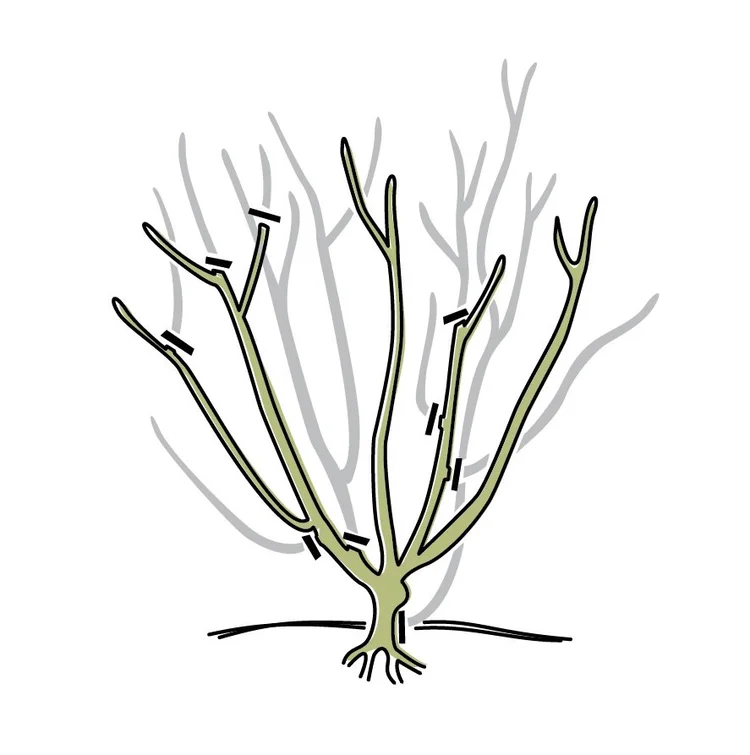
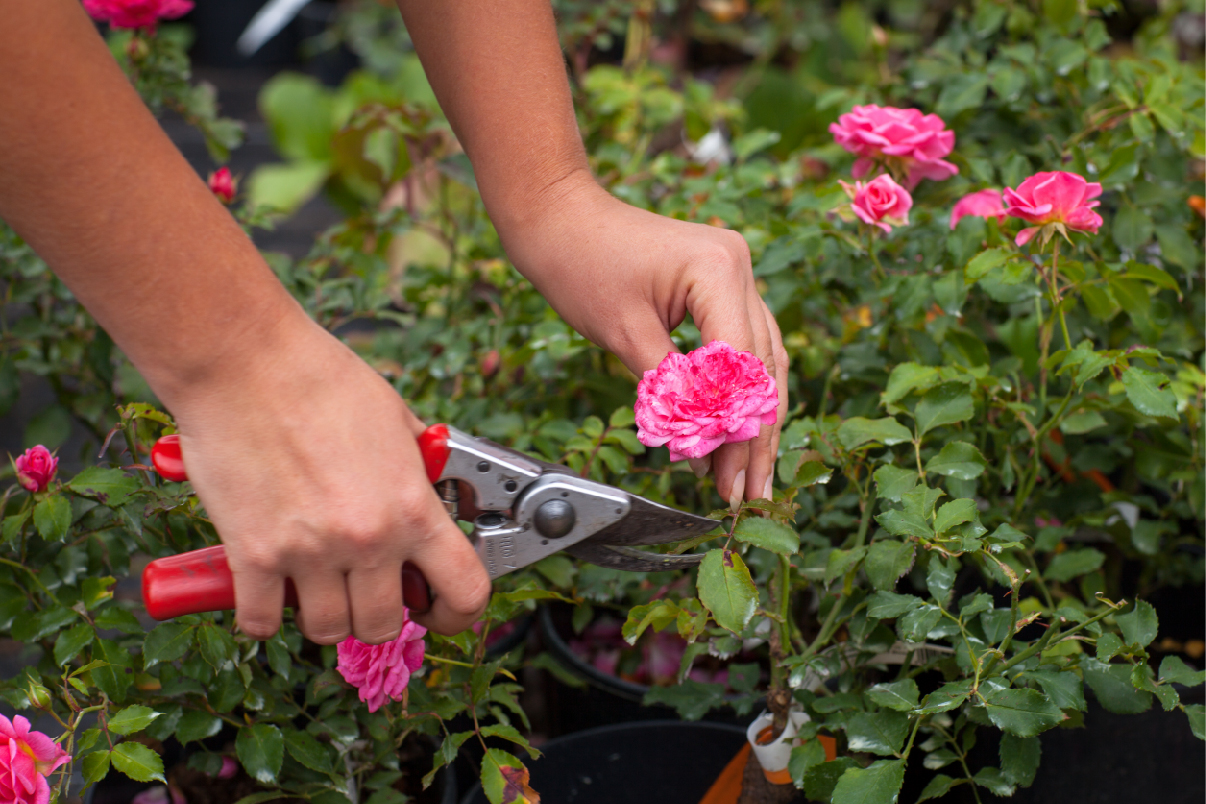
Make clean cuts to avoid damaging the rose plant. Use sharp pruning shears for smooth cuts.
Cut at a 45-degree angle just above a healthy bud. This helps water run off and stops rot.
- Use sharp, clean tools
- Cut at a 45-degree angle
- Cut above outward-facing buds
- Remove no more than one-third of the plant
Removing Dead And Weak Growth
Remove all dead branches to stop diseases from spreading. Dead wood is a breeding ground for pests.
Cut out weak or thin stems. These do not produce good flowers and can cause crowding.
- Look for dry, brown, or black branches
- Remove thin, weak stems
- Clear inside branches to improve air flow
- Discard all cuttings away from the garden
Disposal Of Pruned Material
Pruning roses helps keep plants healthy. Proper disposal of cuttings stops diseases from spreading.
Throwing away pruned parts correctly protects your garden and nearby plants.
Preventing Disease Spread
Diseases can live on pruned rose parts. Leaving them near healthy plants can cause infection.
Remove all leaves and stems with signs of disease. Clean tools after each cut to avoid contamination.
- Collect pruned material carefully
- Do not leave cuttings on the ground
- Keep pruned parts away from healthy roses
- Burn or dispose of infected material safely
Proper Waste Management
Do not add diseased rose cuttings to compost piles. Compost may not get hot enough to kill pathogens.
Use sealed bags or containers to remove pruned material from your garden. Dispose of it with green waste collection or burn it safely.
- Bag pruned rose clippings securely
- Use official green waste services if available
- Burn material only where allowed by law
- Clean pruning tools after disposal
Credit: www.swansonsnursery.com
Aftercare For Healthy Roses
Proper aftercare is key to keeping your roses strong. It helps prevent diseases and promotes growth.
Two important parts of rose care are applying fungicides and maintaining good air circulation.
Applying Fungicides
Fungicides protect roses from fungal diseases like black spot and powdery mildew. Use them after pruning and during wet weather.
- Choose a fungicide labeled safe for roses.
- Apply it evenly on leaves and stems.
- Repeat every 7 to 14 days as needed.
- Wear gloves and follow the instructions.
- Avoid spraying in strong sunlight.
Maintaining Air Circulation
Good air flow helps dry leaves and lowers disease risk. Keep your rose bush open and free from crowded growth.
| Tip | How to Do It |
| Prune regularly | Remove dead and weak stems |
| Space plants well | Plant roses 2 to 3 feet apart |
| Remove weeds | Keep area clear around roses |
| Stake tall roses | Support stems to avoid bending |
Common Mistakes To Avoid
Pruning roses helps keep them healthy and disease-free. Making mistakes can harm your plants.
Learn about common errors to protect your roses and prevent diseases.
Overpruning Risks
Cutting too much weakens rose bushes. It reduces leaves that make food for the plant.
Overpruning can also expose stems to sunburn and pests. This stress invites diseases.
- Leaves make energy through photosynthesis
- Too many cuts reduce food production
- Open wounds increase infection risk
- Plants become less able to fight diseases
Ignoring Tool Hygiene
Dirty tools spread diseases from one rose to another. Germs hide on blades and handles.
Clean and sterilize your pruning tools before use. This stops infections from spreading.
- Wipe blades with rubbing alcohol
- Use a bleach solution to disinfect
- Clean tools between plants
- Keep tools dry after cleaning

Credit: backyard-farmer.com
Credit: www.creechlandscape.com
Frequently Asked Questions
What Is The Best Time To Prune Roses For Disease Prevention?
The best time to prune roses is early spring, just as buds begin to swell. This timing helps remove winter-damaged wood and improves air circulation, reducing disease risks.
How Does Pruning Help Prevent Rose Diseases?
Pruning removes dead or diseased wood, which limits fungal and bacterial spread. It also opens the plant’s center, allowing better airflow and sunlight, both essential for disease control.
Which Tools Are Ideal For Pruning Roses Safely?
Use sharp, clean bypass pruners or loppers to make clean cuts. Sterilize tools before pruning to prevent transferring diseases between plants and ensure healthy rose growth.
How Much Should I Prune My Rose Bushes Annually?
Remove about one-third of the rose bush’s total growth each year. This encourages strong new growth, reduces disease risk, and keeps plants healthy and vigorous.
Conclusion
Pruning roses helps keep plants healthy and strong. It removes dead parts and stops diseases early. Regular pruning lets air and light reach inside branches. This reduces mold and pests that harm roses. Always use clean tools to avoid spreading germs.
Prune at the right time for best results. Healthy roses grow better and bloom beautifully. Small efforts in pruning bring big rewards in rose care. Try these steps to enjoy healthier, happier rose bushes. Your garden will thank you with vibrant flowers and fewer problems.
