Imagine stepping into your garden next spring to find your roses blooming more beautifully than ever. The secret to achieving this lies in how you care for them during the colder months.
When winter approaches, your rose bushes need a little extra attention to survive the harsh conditions. Pruning them properly is one of the most effective ways to ensure their health and vitality. But where do you start? How can you make sure you’re doing it right?
In this guide, you’ll discover the essential steps to prune your roses for winter protection. You’ll learn techniques that not only safeguard your plants from frost but also set the stage for a spectacular bloom come spring. With simple, actionable advice, you’ll gain the confidence to tackle this gardening task like a pro. Ready to unlock the secrets to a flourishing rose garden? Let’s dive in!
Timing Your Winter Pruning
Pruning roses at the right time helps protect them during winter. It keeps the plants healthy and ready for spring.
Knowing when to prune depends on the weather and the rose’s growth cycle. This guide covers the best months and signs to watch for.
Best Months For Pruning
Winter pruning usually happens in late fall or early winter. This time varies by region and climate.
- In mild climates, prune in late November or early December.
- In colder areas, wait until late January or early February.
- Avoid pruning before the first hard frost.
- Do not prune too early to prevent damage from cold weather.
Signs Your Roses Are Ready
Look for these signs before pruning your roses for winter protection. They show the plant is entering dormancy.
| Sign | Description |
| Leaf Color | Leaves turn yellow or brown and start falling off. |
| Bud Dormancy | New buds stop growing and become hard. |
| Stem Hardness | Stems feel firm, not soft or green when bent. |
| Frost Appearance | First frost has passed without damage to canes. |
Tools You’ll Need
Pruning roses before winter helps protect the plants. Using the right tools makes the job easier and safer.
Gathering your tools ahead of time saves effort and keeps your roses healthy during cold months.
Choosing The Right Pruners
Good pruners cut cleanly without crushing stems. Sharp blades reduce plant stress and disease risk.
- Bypass pruners are best for live rose stems.
- Anvil pruners can crush stems and are not ideal.
- Choose pruners with comfortable handles for better grip.
- Look for rust-resistant materials like stainless steel.
- Keep your pruners sharp for clean cuts.
Additional Protective Gear
Wear gloves and eye protection to avoid injuries from thorns and flying debris. Dress for safety and comfort.
| Gear | Purpose |
| Thick gardening gloves | Protect hands from thorns |
| Safety glasses | Shield eyes during cutting |
| Long sleeves | Prevent scratches on arms |
| Closed-toe shoes | Protect feet from dropped tools |
Preparing Roses Before Pruning
Pruning roses before winter helps keep them healthy and strong. Preparing the plants well makes pruning easier and safer.
Start by checking the rose bushes carefully. Look for any damage or problems that need fixing before you cut.
Cleaning And Sanitizing Plants
Clean the rose plants to remove dirt and pests. Use water and a soft brush to wash leaves and stems gently.
Sanitize your pruning tools to stop spreading diseases. Wipe blades with rubbing alcohol or a bleach solution before use.
- Wash plants to remove dust and bugs
- Use soft brush for delicate parts
- Clean tools with rubbing alcohol or bleach
- Dry tools to prevent rust
Removing Dead Or Diseased Wood
Look for branches that are dead or sick. These can hurt the plant if left on through winter.
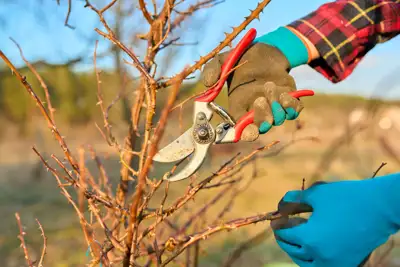
Cut dead or diseased wood back to healthy growth. Use sharp tools to make clean cuts and avoid damage.
- Identify dry, brown, or black branches
- Cut back to green, healthy wood
- Remove all damaged parts from the plant area
- Dispose of cuttings to prevent disease spread
Pruning Techniques For Winter
Pruning roses before winter helps keep them healthy. It also protects them from cold damage. Using the right techniques ensures your roses grow well next spring.
Focus on cutting back to healthy buds and shaping the plant. These steps prepare your roses to survive winter weather.
Cutting Back To Healthy Buds
Look for strong, healthy buds to prune back to. These buds will help the plant regrow after winter. Avoid cutting near weak or dead wood.
- Identify buds that are firm and green inside.
- Cut stems at a 45-degree angle just above the bud.
- Remove any damaged or diseased stems completely.
- Make clean cuts to prevent disease entry.
Shaping The Plant For Protection
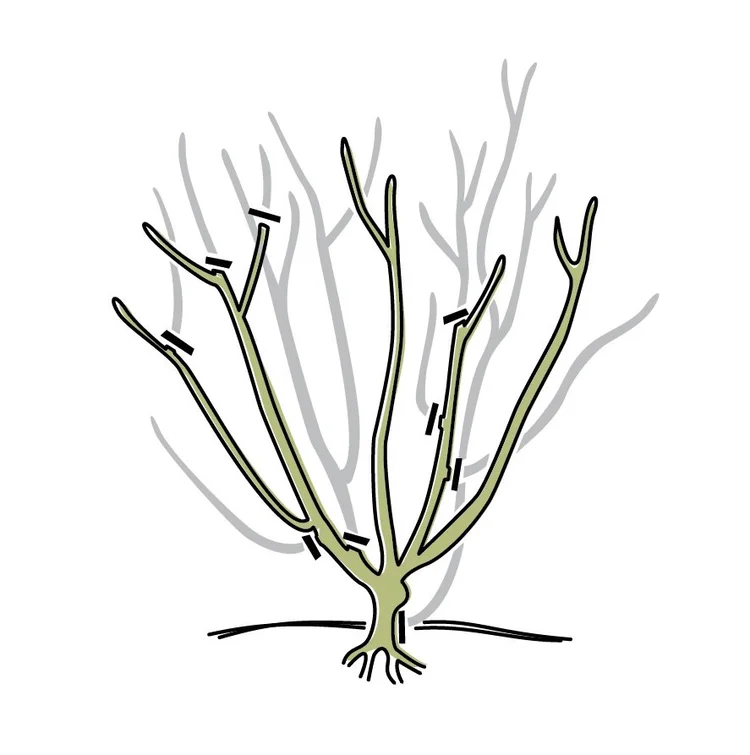
Shape your rose bush to reduce wind damage and snow buildup. A well-shaped plant holds up better in winter conditions.
| Shaping Tip | Reason |
| Cut back tall canes | Prevents breakage from heavy snow |
| Remove crossing branches | Reduces rubbing and damage |
| Thin out dense areas | Improves air flow and reduces mold |
| Keep a rounded shape | Helps snow slide off easily |
After-pruning Care
After you prune your roses for winter, they need special care. This helps protect them from cold damage.
Proper after-pruning care keeps your roses healthy until spring. It also helps them grow strong next year.
Mulching For Insulation
Mulch acts like a blanket for rose roots. It keeps soil warm and stops it from freezing.
Use organic mulch like straw, leaves, or wood chips. Spread it 2 to 4 inches thick around the base.
- Keep mulch a few inches away from the main stem
- Cover the root zone evenly
- Replace mulch if it gets thin or blown away
Watering Tips Before Frost
Water your roses well before the first hard frost. Moist soil holds heat better than dry soil.
A deep watering helps protect roots during cold weather. Avoid watering right before a freeze to stop ice damage.
- Water early in the day to let plants dry before night
- Give enough water to soak the root zone
- Stop watering if frozen ground is expected soon
Credit: www.yates.com.au
Common Mistakes To Avoid
Pruning roses for winter helps keep them healthy. Many gardeners make errors that harm the plants.
Learn which mistakes to avoid to protect your roses well during cold months.
Over-pruning Risks
Cutting too much weakens rose bushes. It lowers their ability to survive winter.
- Removing too many stems reduces food storage.
- Cutting late can expose fresh cuts to frost.
- Pruning below healthy buds limits new growth.
- Over-thinning opens the plant to cold damage.
Ignoring Weather Conditions
Weather changes affect the best time to prune. Ignoring weather can harm roses.
| Weather Condition | Pruning Effect | What to Do |
|---|---|---|
| Early Frost | Fresh cuts freeze easily | Prune before frost starts |
| Late Warm Spell | Promotes new growth | Avoid pruning to stop weak shoots |
| Heavy Snow | Breaks weak branches | Remove damaged branches after snow melts |
Extra Tips From Experts
Pruning roses before winter helps keep them healthy and strong. Experts share simple tips to protect your roses from cold weather.
Good winter care starts with careful pruning. Use the right tools and follow correct steps for the best results.
Using Protective Covers
Protective covers shield roses from frost and wind damage. Use materials that allow air flow but block cold.
Experts suggest using burlap, frost cloths, or rose cones. Avoid plastic sheets as they trap moisture and cause rot.
- Wrap burlap loosely around the rose bush
- Fill the base with mulch or leaves for extra warmth
- Use stakes to keep fabric from touching branches
- Remove covers in early spring to prevent mold
Preparing Different Rose Varieties
Different types of roses need different care before winter. Knowing your rose variety helps you prune correctly.
Hybrid teas need more pruning than shrub roses. Climbing roses require tying and lighter pruning to avoid damage.
- Hybrid Teas:Cut back to 18 inches tall and remove weak stems
- Shrub Roses:Trim lightly and remove dead wood only
- Climbing Roses:Tie stems to supports and prune lightly
- Old Garden Roses:Cut sparingly to keep natural shape

Credit: www.youtube.com
Credit: www.swansonsnursery.com
Frequently Asked Questions
How Do You Prune Roses For Winter Protection?
Prune roses by cutting back about one-third of the plant. Remove dead or weak stems. This reduces wind damage and disease risk. Always use clean, sharp tools for precise cuts. Mulch around the base for added insulation against cold temperatures.
When Is The Best Time To Prune Roses Before Winter?
The best time to prune roses is late fall, after the first frost. This timing helps the plant enter dormancy. Avoid pruning too early to prevent new growth. Late pruning also protects roses from winter damage and encourages healthy spring blooms.
Should I Remove All Leaves Before Winter Pruning?
No, remove only diseased or damaged leaves before pruning. Leaving some healthy leaves helps protect canes from cold. After pruning, clear fallen leaves to reduce pests and diseases. Proper leaf management supports plant health during winter dormancy.
How Much Should I Cut Back My Rose Bushes?
Cut back rose bushes by about one-third to half their height. This balances protection with growth potential. Avoid cutting too short to prevent stem damage. Proper pruning encourages strong, healthy growth in spring and minimizes winter injury.
Conclusion
Pruning roses before winter helps keep them healthy and strong. Cut back old and weak stems to protect the plant. Cover the base with mulch to guard against cold. Remember to use clean tools and prune carefully. This simple care will help your roses bloom beautifully next spring.
Take time now, and enjoy bright flowers later. Your roses will thank you for the extra attention.