Is your garden struggling to grow healthy plants? Compacted soil could be the hidden culprit.
When soil gets packed down, it stops water, air, and nutrients from reaching your plants’ roots. But don’t worry—you can fix this! Learning how to aerate compacted soil efficiently will transform your garden’s health. You’ll discover simple, effective methods that save you time and effort while giving your soil the breath of fresh air it needs.
Keep reading, and you’ll soon see your garden thrive like never before!

Credit: www.wastex.io
Causes Of Soil Compaction
Soil compaction happens when soil particles get pressed together. This reduces air and water flow in the soil.
Compacted soil makes it hard for roots to grow and plants to get nutrients. Knowing the causes helps prevent it.
Heavy Foot Traffic
Walking or running often on the same spot presses soil down. This reduces space for air and water.
Sports fields and garden paths often have compacted soil because many people use them.
Clay Soil Characteristics
Clay soil has very small particles. These particles pack tightly and hold water for a long time.
Because clay soil stays dense, it is more likely to become compacted after rain or pressure.
Improper Lawn Maintenance
Using heavy machines like lawn mowers often causes soil to get pressed down. Overwatering also adds to compaction.
Not aerating or loosening soil regularly makes compaction worse over time.
Credit: plantitearthflorida.com
Benefits Of Aerating Lawn Soil
Aerating lawn soil helps keep your grass healthy and green. It makes the soil less compact and easier for roots to grow.
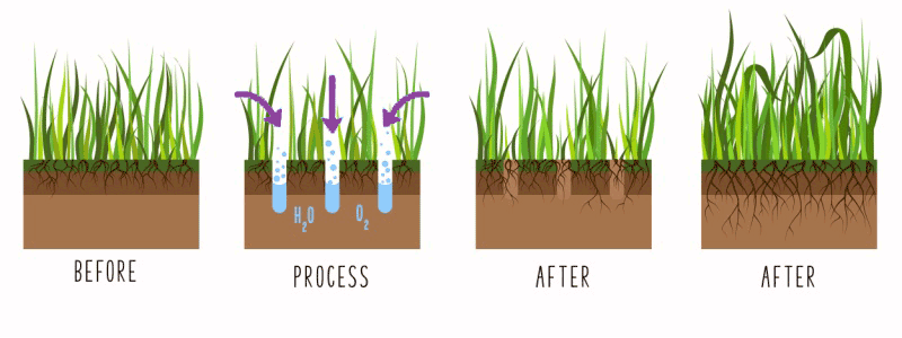
This process improves how air and water move through the soil. It also helps plants take in nutrients better.
Improved Air And Water Flow
Aeration creates small holes in the soil. These holes let air reach the roots and allow water to soak in more deeply.
Good air and water flow reduce puddles and dry spots on your lawn. It also helps soil stay balanced and healthy.
Enhanced Root Growth
Looser soil gives roots space to spread and grow stronger. Strong roots mean the grass can survive drought and stress better.
- Aeration breaks hard soil layers
- Roots get more oxygen
- Grass grows deeper and thicker
- Lawn recovers faster from damage
Better Nutrient Absorption
Aerated soil helps nutrients reach the root zone easily. This leads to healthier grass and a greener lawn.
| Benefit | Effect on Lawn |
| More Oxygen | Stronger root development |
| Improved Water Penetration | Less soil erosion and runoff |
| Enhanced Nutrient Uptake | Better growth and color |
Signs Of Compacted Soil
Compacted soil causes many problems in gardens and lawns. It stops roots from growing deep and blocks water from entering.
Knowing the signs of compacted soil helps you fix it quickly. Watch for changes in water behavior, grass health, and soil texture.
Water Pooling And Runoff
Water pools on the surface when soil is compacted. It cannot soak in well. You might see puddles after rain or watering.
Runoff happens when water flows off the soil instead of soaking in. This can wash away nutrients and cause erosion.
- Water stays on soil surface for a long time
- Soil looks shiny or crusty after rain
- Water flows away quickly, leaving dry spots
Thin Or Patchy Grass
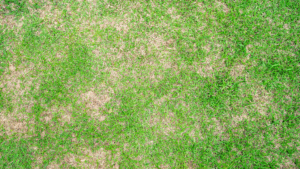
Grass grows thin or in patches when soil is hard. Roots cannot spread well to get water and nutrients.
Look for areas where grass is weak, yellow, or missing. These spots often show soil compaction below.
- Grass grows unevenly
- Some areas have no grass at all
- Grass looks dry or weak even with watering
Hard Soil Surface
Soil feels hard and dense when compacted. It is tough to dig or poke with a tool or finger.
Hard soil stops air and water from reaching roots. It often cracks or forms a crust on top.
- Soil is difficult to dig
- Surface looks cracked or crusted
- Soil feels heavy and dense
Types Of Aeration Tools
Aerating soil helps water, air, and nutrients reach plant roots. Different tools suit various lawn sizes and soil types.
Choosing the right aerator makes the job easier and improves soil health faster. Here are common types of aeration tools.
Manual Aerators
Manual aerators are hand tools that work well for small areas. They do not need fuel or electricity.
These tools are easy to use but require physical effort. They help loosen soil by creating holes or slits.
- Best for small gardens or lawns
- Lightweight and easy to store
- Affordable and low maintenance
Spike Aerators
Spike aerators use solid spikes to poke holes into the soil. They push soil aside without removing it.
This type works well for lightly compacted soil. It improves air flow but may cause more compaction in some cases.
- Spikes come in different lengths
- Can be manual or machine-powered
- Good for quick, surface aeration
Core Aerators
Core aerators remove small plugs of soil from the ground. This helps reduce soil compaction deeply.
These tools are best for heavily compacted soil. They improve root growth by creating space for air and water.
- Can be manual or powered machines
- Leaves soil plugs on the surface
- Effective for thick or clay soils
Step-by-step Aeration Process
Aerating compacted soil helps your lawn grow better. It allows air, water, and nutrients to reach grass roots easily.
This process improves soil health and makes your lawn greener and stronger.
Prepare The Lawn
Start by mowing your lawn short. Remove any debris like leaves or sticks.
Water the lawn a day before aerating. Moist soil is easier to aerate.
Choose The Right Tool
Pick a tool based on your lawn size and soil type. Manual aerators work well for small areas.
For larger lawns, rent a machine aerator. Spike or plug aerators both help but plug aerators remove soil cores.
- Manual spike aerator: good for small lawns
- Manual plug aerator: removes soil cores
- Machine aerator: best for large lawns
Aerate In Multiple Directions
Push or drive the aerator over the lawn in straight lines. Cover the entire lawn evenly.
Repeat the process going in a different direction. This helps aerate all soil areas fully.
Water The Lawn After Aeration
Water the lawn deeply after aeration. This helps soil settle and nourishes grass roots.
Keep the soil moist for a few days. Avoid heavy foot traffic on the lawn during this time.
Optimal Timing For Aeration
Aerating compacted soil helps improve water flow and root growth. Timing your aeration correctly makes it more effective.
Understanding the best seasons, soil moisture, and how often to aerate will guide you in caring for your lawn or garden.
Best Seasons
Aerate during cooler seasons when grass grows actively. This helps the soil recover faster and promotes healthy roots.
- Spring: Soil is warming up, and grass begins growing
- Fall: Cooler temperatures and moist soil support root growth
- Avoid very hot or dry summer days for aeration
Ideal Soil Moisture
Soil should be moist but not wet before aeration. This allows tools to penetrate without causing damage.
| Soil Condition | Effect on Aeration |
| Too Dry | Hard to penetrate; less effective |
| Too Wet | Can cause soil compaction and damage |
| Moist | Optimal for aeration tools to work well |
Frequency Of Aeration
How often you aerate depends on soil type and lawn use. Regular aeration maintains healthy soil structure.
- Lawns with heavy clay soil: aerate twice a year
- Sandy or loamy soils: aerate once a year
- Lawns with high foot traffic: consider more frequent aeration
Post-aeration Lawn Care
After aerating your lawn, proper care helps your grass recover well. Aeration creates holes that let air, water, and nutrients reach the roots.
Taking the right steps after aeration supports strong grass growth and a healthy lawn.
Fertilizing Tips
Apply fertilizer soon after aeration to help nutrients reach the soil better. Choose a fertilizer with balanced nitrogen, phosphorus, and potassium.
- Use a slow-release fertilizer for steady feeding
- Spread fertilizer evenly across the lawn
- Water the lawn lightly after fertilizing
- Avoid applying fertilizer during very hot days
Seeding And Overseeding
Aeration opens the soil, making it easier to plant new grass seeds. Overseeding fills bare spots and thickens your lawn.
| Seeding Tip | Reason |
| Use high-quality seed | Ensures good germination |
| Rake soil lightly | Helps seed contact the soil |
| Keep soil moist | Supports seed sprouting |
| Avoid heavy foot traffic | Protects new seedlings |
Maintaining Soil Health
Healthy soil keeps your lawn strong and green. Aeration helps, but you must also care for the soil after.
Use these tips to maintain soil health:
- Test soil pH and adjust if needed
- Add organic matter like compost yearly
- Water deeply but less often
- Control weeds to reduce competition

Credit: kappslawn.com
Frequently Asked Questions
What Is Compacted Soil?
Compacted soil is dense with tightly packed particles. It restricts air, water, and nutrient flow. This condition hinders plant growth and root development. Aeration helps alleviate these issues.
Why Is Soil Aeration Important?
Soil aeration improves air, water, and nutrient movement. It enhances root growth and boosts plant health. Aerated soil promotes beneficial microorganism activity, leading to healthier ecosystems.
How Often Should You Aerate Soil?
Aerate soil once or twice a year, depending on soil type and compaction level. Early spring or fall is ideal. Regular aeration maintains soil health and improves plant growth.
What Tools Are Best For Aerating Soil?
Use core aerators or spike aerators for effective soil aeration. Core aerators remove soil plugs, improving air circulation. Spike aerators puncture the soil, enhancing water and nutrient flow.
Conclusion
Aerating compacted soil helps plants grow strong and healthy. It improves air, water, and nutrient flow to roots. Use the right tools for best results. Regular aeration keeps soil loose and easy to work with. Remember to water the soil after aerating.
Healthy soil means a beautiful, thriving garden. Start aerating today to see your plants flourish. Simple steps make a big difference in your garden’s health. Keep your soil happy, and your plants will thank you.