Are you struggling with patchy grass or plants that just won’t grow as well as they should? The secret to a healthier garden might be right under your feet—your soil.
When soil gets compacted, it stops letting air, water, and nutrients reach your plants’ roots. That’s where aerating your garden soil comes in. In this guide, you’ll learn simple, effective ways to breathe new life into your garden and create the perfect environment for your plants to thrive.
Keep reading, and discover how a little effort can make a big difference in your garden’s health.
Credit: www.ageas.co.uk
Benefits Of Aerating Soil
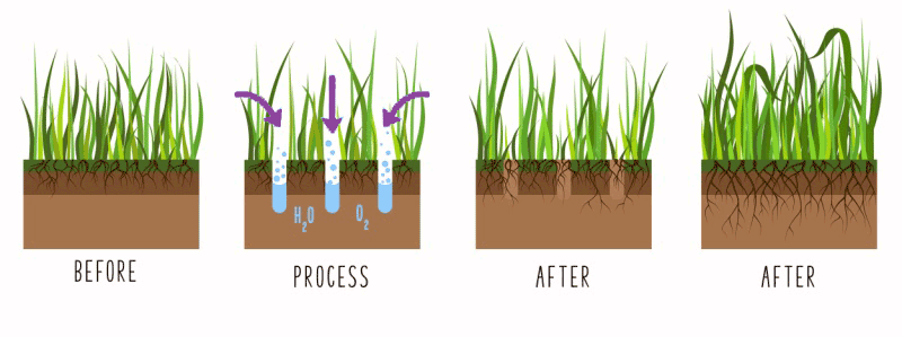
Aerating garden soil helps plants grow stronger and healthier. It involves making small holes in the soil to improve air flow and water movement.
This process can boost root growth, water absorption, nutrient uptake, and reduce soil compaction. These benefits lead to a better garden overall.
Improved Root Growth
Aerating breaks up hard soil, making it easier for roots to spread. Strong roots help plants get more water and nutrients. This leads to healthier plants and bigger flowers or fruits.
Enhanced Water Absorption
When soil is aerated, water can soak in better. This stops water from pooling on the surface or running off. Plants get the moisture they need for good growth.
- Water reaches deep into the soil
- Reduces water waste
- Prevents plant roots from drying out
Better Nutrient Uptake
Aeration allows nutrients to move more freely in the soil. Plant roots can absorb these nutrients faster. This helps plants grow strong and resist diseases.
| Nutrient | Benefit to Plants |
| Nitrogen | Builds healthy leaves |
| Phosphorus | Supports root and flower growth |
| Potassium | Improves disease resistance |
Reduced Soil Compaction
Soil compaction limits root growth and water flow. Aerating loosens the soil, making it softer and easier for roots to grow. It also helps air reach plant roots.
Signs of compacted soil include:
- Poor drainage
- Hard soil surface
- Thin or weak plant growth
When To Aerate Your Garden
Aerating garden soil helps plants grow strong. It improves air, water, and nutrient flow to roots.
Choosing the right time to aerate is important. It helps the soil and plants recover quickly.
Seasonal Timing
Spring and fall are the best seasons to aerate your garden. Soil is moist but not too wet during these times.
Aerate in early spring before plants start growing fast. Aerating in fall helps roots prepare for winter.
- Spring aeration boosts growth after winter
- Fall aeration improves soil before cold weather
- Avoid aerating in summer or winter when soil is too dry or frozen
Signs Your Soil Needs Aeration
Hard soil or water puddles show your soil needs aeration. Roots may also look weak or shallow.
Look for these signs to know when to aerate your garden soil.
- Soil feels hard or compacted when you dig
- Water pools on the surface after rain
- Grass or plants grow slowly or unevenly
- Roots stay near the surface instead of growing deep
- Soil cracks during dry weather
Types Of Soil Aeration
Aerating soil helps plants grow better by improving air and water flow. It reduces soil compaction and allows roots to spread.
There are different ways to aerate soil. Each type works best for certain garden needs and soil types.
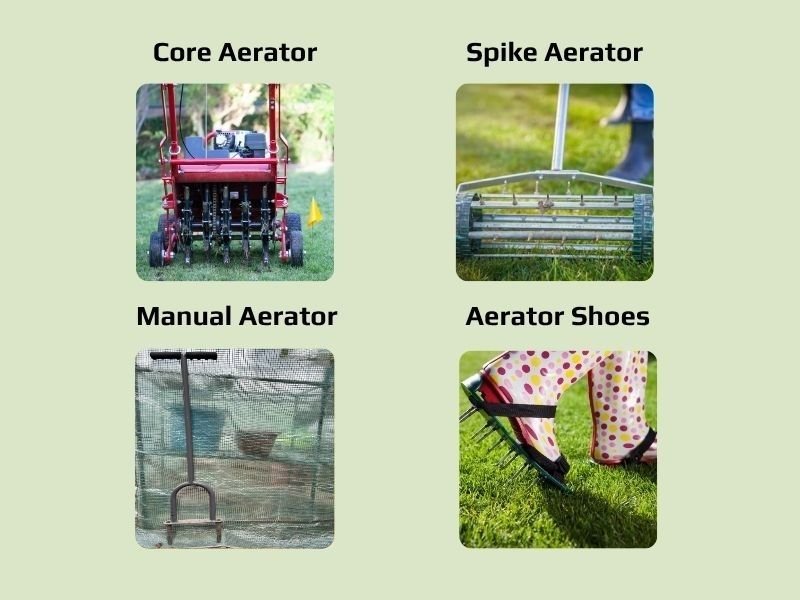
Core Aeration
Core aeration removes small plugs of soil from the lawn. These holes let air, water, and nutrients reach the roots.
This type is great for lawns with heavy clay soil or compacted areas. It helps reduce thatch build-up too.
Spike Aeration
Spike aeration pokes holes into the soil using solid spikes. It creates space for air and water to enter.
It works well for light compaction and small gardens. It is less disruptive than core aeration.
- Use garden forks or spike tools
- Best for lawns with mild compaction
- Does not remove soil plugs
Liquid Aeration
Liquid aeration applies a special solution to the soil. It breaks down compacted soil and improves porosity.
This method is easy and fast. It works well for all soil types and does not damage grass.

Credit: landzie.com
Tools For Aerating Soil
Aerating soil helps plants grow better by improving air and water flow. Using the right tools makes this job easier.
This guide covers different types of tools you can use to aerate your garden soil.
Manual Aerators
Manual aerators are simple hand tools that help you poke holes in the soil. They work well for small gardens or tight spaces.
- Spike aerators with long metal tines
- Core aerators that remove small soil plugs
- Handheld tools with sharp blades or forks
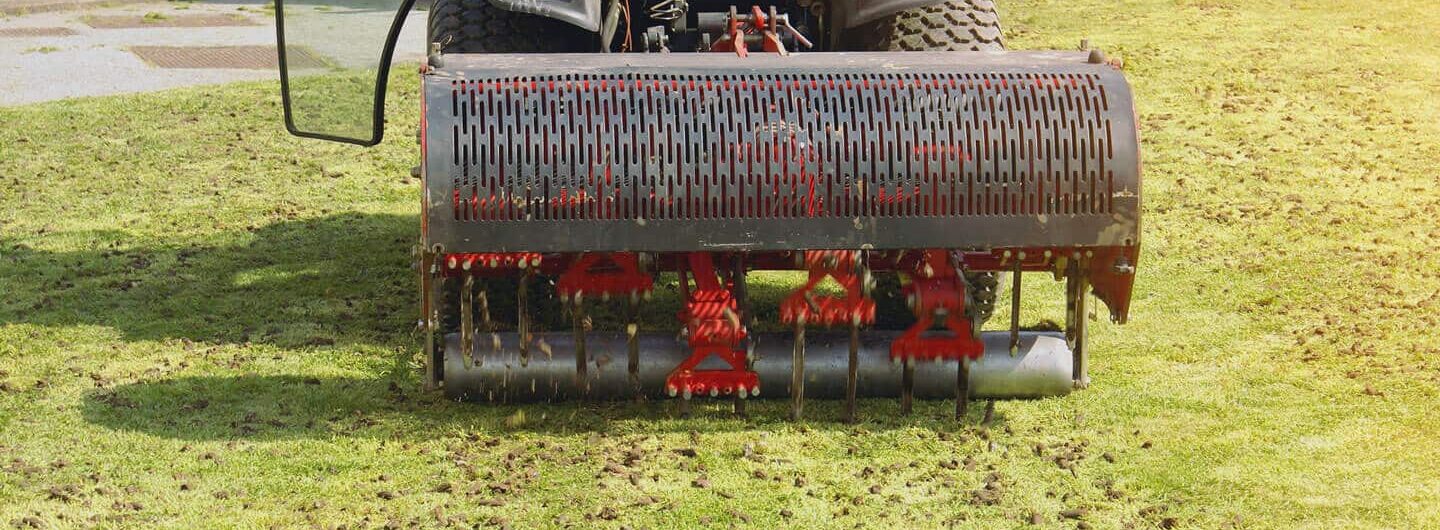
Mechanical Aerators
Mechanical aerators use power to cover larger areas fast. They are ideal for big lawns and gardens.
| Type | Power Source | Best Use |
| Gas-powered aerator | Gas engine | Large lawns, heavy soil |
| Electric aerator | Electric motor | Medium gardens, light soil |
| Tow-behind aerator | Tractor or lawn mower | Very large areas |
Diy Alternatives
You can aerate soil using tools you already have at home. These options save money and still work well.
- Garden fork: Push it into soil and wiggle to create holes
- Hammer and nails: Drive nails into a wooden board to make a spike aerator
- Shovel: Use its edge to break compact soil
Step-by-step Aeration Process
Aerating garden soil helps plants grow better. It lets air, water, and nutrients reach the roots.
This guide shows simple steps to aerate your garden soil well. Follow these steps for healthy soil.
Preparing The Garden
Start by clearing the garden area. Remove weeds, rocks, and debris from the soil surface.
Water the soil a day before aerating. Moist soil is easier to work with but not too wet.
- Clear plants and debris
- Check soil moisture
- Water if soil is dry
Using The Aerator
Choose the right aerator for your garden size. Manual tools work for small areas. Machines are best for large gardens.
Run the aerator over the soil in straight lines. Overlap slightly to cover all spots. Make holes evenly spaced.
- Pick manual or machine aerator
- Move in straight lines
- Overlap rows slightly
- Make evenly spaced holes
Post-aeration Care
After aerating, water the garden well. This helps the soil settle and roots absorb moisture.
Add compost or fertilizer to improve soil nutrients. Avoid heavy foot traffic on the soil for a few days.
- Water the soil deeply
- Add compost or fertilizer
- Keep off soil for a few days
Credit: naturesseed.com
Common Mistakes To Avoid
Aerating garden soil helps plants grow better by improving air and water flow. Doing it wrong can harm your soil and plants.
Learn about common mistakes to avoid when aerating your garden soil. This guide will help you get the best results.
Over-aerating
Too much aeration can damage soil structure. It breaks down the soil’s natural layers and can harm roots.
- Do not aerate more than once or twice per year.
- Avoid deep aeration if your soil is already loose.
- Give your soil time to recover between aerations.
Aerating Wet Soil
Aerating wet soil can cause compaction and damage plant roots. It makes the soil heavy and hard.
Only aerate when the soil feels dry enough to crumble between your fingers. If it sticks, wait to aerate.
Ignoring Soil Type
Different soil types need different aeration methods. Ignoring this can lead to poor soil health.
| Soil Type | Aeration Advice |
| Clay | Use core aerators to remove plugs and improve drainage. |
| Sandy | Aerate lightly to avoid disturbing soil too much. |
| Loamy | Aerate once a year for best air and water flow. |
Maintaining Soil Health After Aeration
Aerating garden soil helps air, water, and nutrients reach plant roots. After aeration, it is important to keep the soil healthy. Simple care steps improve soil structure and plant growth.
This guide covers regular watering, adding organic matter, and mulching tips. Follow these to support soil health after aeration.
Regular Watering
Watering is key after aeration. It helps settle the soil and delivers moisture to roots. Aim for consistent watering but avoid soaking the soil.
- Water deeply to reach roots
- Use a gentle spray to avoid washing soil away
- Water early in the morning for best absorption
- Check soil moisture before watering again
Adding Organic Matter
Organic matter improves soil texture and nutrient content. Add compost, leaf mold, or aged manure after aeration. This feeds microbes and helps soil retain moisture.
| Type of Organic Matter | Benefits |
| Compost | Rich in nutrients, improves soil structure |
| Leaf Mold | Enhances water retention and soil aeration |
| Aged Manure | Adds nutrients and boosts soil life |
Mulching Tips
Mulch protects soil after aeration. It keeps moisture in and stops weeds. Use organic mulches like straw or wood chips for best results.
Follow these mulching tips for healthy soil:
- Apply a 2-3 inch layer of mulch
- Keep mulch a few inches away from plant stems
- Replenish mulch as it breaks down
- Choose mulch that matches your soil and plants
Frequently Asked Questions
What Is Soil Aeration?
Soil aeration involves creating small holes in the soil to improve air circulation. This process helps roots access oxygen, water, and nutrients more effectively. Aeration enhances soil structure, boosts microbial activity, and promotes healthier plant growth. It’s essential for gardens, especially those with compacted or clay-heavy soils.
Why Is Aerating Garden Soil Important?
Aerating garden soil improves water drainage and nutrient absorption. It reduces soil compaction, allowing roots to grow deeper and stronger. Better air circulation promotes beneficial microbial activity. This process enhances plant health and increases resilience against diseases. Aeration is crucial for maintaining a thriving garden environment.
How Often Should You Aerate Garden Soil?
Aerate garden soil once or twice a year, depending on soil type and compaction. For clay-heavy or frequently used soils, aerate twice annually. Light, sandy soils may require only annual aeration. Regular aeration ensures consistent soil health, promoting robust plant growth and a flourishing garden environment.
Can You Aerate Soil Without Special Tools?
Yes, you can aerate soil using basic garden tools like a fork. Simply insert the fork into the soil and gently lift to create air pockets. This method is effective for small gardens. For larger areas, consider renting or buying a manual or mechanical aerator for efficiency.
Conclusion
Aerating garden soil helps plants grow strong and healthy. It lets air, water, and nutrients reach roots easily. Regular aeration stops soil from becoming hard and compact. This simple step improves drainage and reduces water runoff. Tools like garden forks or aerators make the job easier.
Take care of your soil, and your garden will thrive. Healthy soil means happy plants and better blooms. Try aerating your garden this season to see the difference. Your plants will thank you with lush green leaves and vibrant flowers.