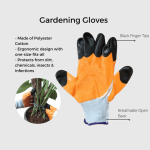
Are you tired of sore hands and unexpected cuts after gardening? Using garden gloves properly can change the way you care for your plants—and protect your skin at the same time.
Imagine working outside without worrying about dirt under your nails or thorn scratches. In this guide, you’ll discover simple tips to choose the right gloves and use them effectively. Keep reading to learn how a small change can make your gardening experience safer and more enjoyable.
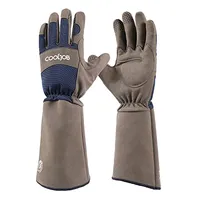
Credit: www.homesandgardens.com
Choosing The Right Gloves
Choosing the right garden gloves helps protect your hands. The right gloves make gardening easier and safer.
Focus on glove material, size, and special features. These factors affect comfort and hand protection.
Material Types
Garden gloves come in many materials. Each material fits different gardening tasks and weather conditions.
- Leather:Durable and protects from thorns. Good for heavy work.
- Cotton:Lightweight and breathable. Best for light gardening.
- Nitrile:Waterproof and flexible. Ideal for wet or muddy tasks.
- Rubber:Waterproof and easy to clean. Great for messy jobs.
- Synthetic fabrics:Often stretchy and breathable. Good for precision work.
Sizing And Fit
Gloves should fit snug but not tight. Proper fit helps you work without discomfort.
Measure your hand width and length before buying. Check size charts for the best match.
- Too loose gloves reduce control and may catch on tools.
- Too tight gloves cause hand fatigue and limit movement.
- Try gloves on if possible to check comfort and fit.
Special Features
Some gloves have features that improve safety and comfort. Choose features based on your gardening needs.
- Reinforced fingertips:Protect fingers from cuts and abrasion.
- Waterproof lining:Keeps hands dry in wet conditions.
- Breathable mesh:Reduces sweat and keeps hands cool.
- Elastic wristbands:Keep dirt and debris out.
- Grip patterns:Help hold tools securely.

Credit: www.navyprofessional.com
Preparing Gloves For Use
Garden gloves protect your hands from dirt, cuts, and bugs. Before you use them, it is important to prepare them well. This helps the gloves last longer and keeps your hands safe.
Two key steps to prepare gloves for use are cleaning new gloves and checking for damage. Each step helps keep your gloves in good shape.
Cleaning New Gloves
New gloves may have dust, chemicals, or residues from the factory. Cleaning them removes these substances before your first use.
- Rinse the gloves with warm water to remove surface dust.
- Use mild soap and gently scrub the gloves.
- Rinse thoroughly to remove all soap.
- Let the gloves air dry completely before wearing.
Checking For Damage
Before using gloves, check for any holes, tears, or weak spots. Damaged gloves do not protect your hands well.
| Damage Type | What to Look For | Action |
|---|---|---|
| Holes | Small or large openings in the fabric | Replace gloves immediately |
| Tears | Rips along seams or fingers | Patch if small or replace |
| Worn Areas | Thinned fabric or weak spots | Monitor closely; replace soon |
| Loose Threads | Unraveling seams or edges | Trim threads or repair |
Proper Wearing Techniques
Using garden gloves correctly helps protect your hands from cuts and dirt. Wearing them the right way also keeps them comfortable.
Follow these simple steps to put on your gloves and make sure they fit well. This will help you work better in the garden.
How To Put On Gloves
Start by checking your gloves for any damage or dirt. Clean gloves work best to protect your hands.
Hold the glove open and slide your hand inside. Make sure each finger fits into the right place without bunching.
- Open the glove wide before putting your hand in
- Insert fingers one at a time for a better fit
- Adjust the glove to cover your wrist fully
- Remove any wrinkles to avoid discomfort
Ensuring A Secure Fit
A secure fit keeps gloves from slipping while you work. Check the wrist area and make sure it holds the glove tight.
Many gloves have elastic bands or straps. Use them to adjust the fit around your wrist for better protection.
- Pull the wristband snug but not too tight
- Use straps or Velcro closures if available
- Shake your hand gently to check for slipping
- Replace gloves if they feel loose or worn out
Maintaining Comfort While Gardening
Wearing garden gloves helps protect your hands from dirt and injuries. Comfort is key to enjoy your gardening work.
Choosing the right gloves and using them well keeps your hands comfortable and dry. This guide shares tips to stay comfy.
Breathability Tips
Breathable gloves let air flow to your hands. This stops your hands from feeling hot and sweaty.
Look for gloves made with mesh or thin fabric in areas that need more air. Avoid thick materials on the back of your hands.
- Choose gloves with mesh panels
- Pick lighter fabrics for warm days
- Check for ventilation holes or breathable designs
Preventing Hand Sweat
Hand sweat can make gloves sticky and uncomfortable. It also makes your hands more slippery when holding tools.
Keep your hands dry by wiping them during breaks. Use gloves with moisture-wicking fabric inside to reduce sweat build-up.
- Take short breaks to dry your hands
- Use gloves with moisture-wicking liners
- Avoid wearing gloves longer than needed
Using Liners
Glove liners add a soft layer under garden gloves. They absorb sweat and reduce friction on your skin.
Choose liners made from cotton or thin synthetic fabric. They help keep your hands cool and prevent blisters during long work.
- Wear cotton or breathable liner gloves
- Remove liners to wash and dry after gardening
- Replace liners if they become worn or smelly
Safety Tips For Different Tasks
Garden gloves protect your hands during many tasks. Using them right helps avoid injuries.
Different tasks need different safety tips. This guide covers key ways to use gloves safely.
Handling Thorns And Sharp Tools
Thorns and sharp tools can cut your skin. Wear gloves that are thick and puncture-resistant.
Check gloves for holes before use. Replace damaged gloves to keep your hands safe.
- Choose gloves with reinforced fingertips
- Keep gloves dry to avoid slipping
- Use gloves with good grip for sharp tools
Working With Chemicals
Chemicals in fertilizers and sprays can harm your skin. Use gloves made for chemical protection.
After handling chemicals, wash gloves and hands well. Store gloves away from sunlight to last longer.
- Pick gloves labeled chemical-resistant
- Remove gloves carefully to avoid spills
- Wear long gloves to protect wrists and arms
Protecting Against Insects
Insects can bite or sting while you work. Gloves help protect your skin from these attacks.
Wear gloves that cover your wrists. Check gloves for holes or tears before use to keep insects out.
- Choose gloves with tight weave fabric
- Use gloves with wrist closures or elastic
- Inspect gloves regularly for damage
Cleaning And Storing Gloves
Garden gloves protect your hands from dirt and sharp objects. Keeping them clean and stored well helps them last longer.
This guide explains easy ways to wash, dry, and store your garden gloves properly.
Washing Methods
Cleaning your gloves after use removes dirt and germs. Different materials need different washing methods.
- For cloth gloves, soak in warm soapy water and gently scrub.
- Leather gloves should be wiped with a damp cloth and mild soap.
- Rubber gloves can be rinsed under running water and cleaned with soap.
- Avoid harsh detergents that can damage glove material.
- Rinse gloves thoroughly to remove all soap.
Drying Tips
Dry gloves carefully to keep their shape and material strong.
| Glove Type | Drying Method |
| Cloth | Air dry flat away from direct sun |
| Leather | Pat dry with towel, then air dry |
| Rubber | Shake off water and air dry inside out |
Storage Best Practices
Store gloves in a clean, dry place to keep them ready for next use.
Follow these tips for storing your gloves:
- Keep gloves away from sunlight and heat sources.
- Store gloves flat or hang them to avoid wrinkles.
- Use a breathable container or bag to prevent moisture buildup.
- Keep gloves separate from sharp tools to avoid tears.
When To Replace Garden Gloves
Garden gloves protect your hands from dirt, thorns, and chemicals. They wear out over time and lose their effectiveness. Knowing when to replace them keeps your hands safe and comfortable.
Look for signs of damage and consider safety risks before continuing to use old gloves. This guide explains what to watch for and when to get new gloves.
Signs Of Wear
Garden gloves wear down from use and exposure to moisture and dirt. Watch for these signs to know if your gloves need replacing:
- Holes or tears in the fabric or leather
- Worn or thinning fingertips
- Frayed seams or loose stitching
- Loss of grip on the palm or fingers
- Stiffness or cracking in the material
Safety Risks
Old or damaged gloves increase the chance of injury and infection. Using gloves past their prime can lead to these safety issues:
| Risk | Description |
| Thorn Punctures | Holes let sharp thorns or splinters reach your skin |
| Chemical Exposure | Worn gloves may not block pesticides or fertilizers |
| Infections | Cuts or scrapes can get infected if gloves fail |
| Reduced Grip | Slippery gloves cause tools to slip and cause accidents |

Credit: www.epicgardening.com
Frequently Asked Questions
How Do I Choose The Right Garden Gloves?
Selecting the right garden gloves depends on the task and material. For heavy-duty tasks, opt for leather gloves. For delicate work, choose cotton gloves for better dexterity. Ensure a snug fit to enhance comfort and protection. Always consider the glove’s breathability and flexibility for a better gardening experience.
Why Are Garden Gloves Important?
Garden gloves are crucial for protecting your hands from injuries, dirt, and harmful chemicals. They help prevent cuts, blisters, and insect bites, ensuring a safer gardening experience. Additionally, they provide a better grip on tools and plants, enhancing efficiency and comfort during gardening tasks.
Can I Wash My Garden Gloves?
Yes, you can wash most garden gloves, but always check the material. Cotton gloves can be machine-washed on a gentle cycle. For leather gloves, use a damp cloth and mild soap. Allow them to air dry completely before storing to maintain their shape and durability.
What Are The Best Materials For Garden Gloves?
The best materials for garden gloves include leather, cotton, and nitrile. Leather offers durability and protection for heavy tasks. Cotton provides comfort and dexterity for light gardening. Nitrile gloves are chemical-resistant and ideal for handling pesticides. Choose based on your gardening needs and the level of protection required.
Conclusion
Wearing garden gloves protects your hands from dirt and cuts. They help you grip tools better and keep your hands clean. Choose gloves that fit well and suit your garden tasks. Clean and store them after each use to last longer.
Using gloves makes gardening safer and more comfortable. Keep these tips in mind for healthy, happy hands while gardening. Simple steps lead to better results and less worry. Enjoy your gardening with the right gloves on.