Are your hand tools feeling dull and tired? Sharp tools make your work faster, safer, and more enjoyable.
If you want to get the best results every time you use your tools, knowing how to sharpen them is essential. In this guide, you’ll discover simple, effective ways to bring your tools back to life. Whether you’re a beginner or just need a refresher, this article will give you clear steps that anyone can follow.
Keep reading, and you’ll learn how to make your tools work like new again—saving you time, effort, and frustration.

Credit: woodworkersinstitute.com
Choosing The Right Sharpening Tools
Sharpening hand tools keeps them working well and safe. Choosing the right tools for sharpening is important. Different tools work best for different blades and uses.
Knowing what sharpening tools to use helps you get sharp edges quickly. It also keeps your tools from damage during sharpening.
Types Of Sharpening Stones
Sharpening stones come in many types. Each type has a different grit and material. They remove metal from blades to create a sharp edge.
Common stones include natural stones and synthetic stones. Synthetic stones are often more affordable and consistent. Natural stones may give a finer finish.
- Coarse stones remove lots of metal fast
- Medium stones sharpen edges smoothly
- Fine stones polish edges to sharpness
- Oil stones use oil as lubricant
- Water stones use water for lubrication
Using Honing Guides And Jigs
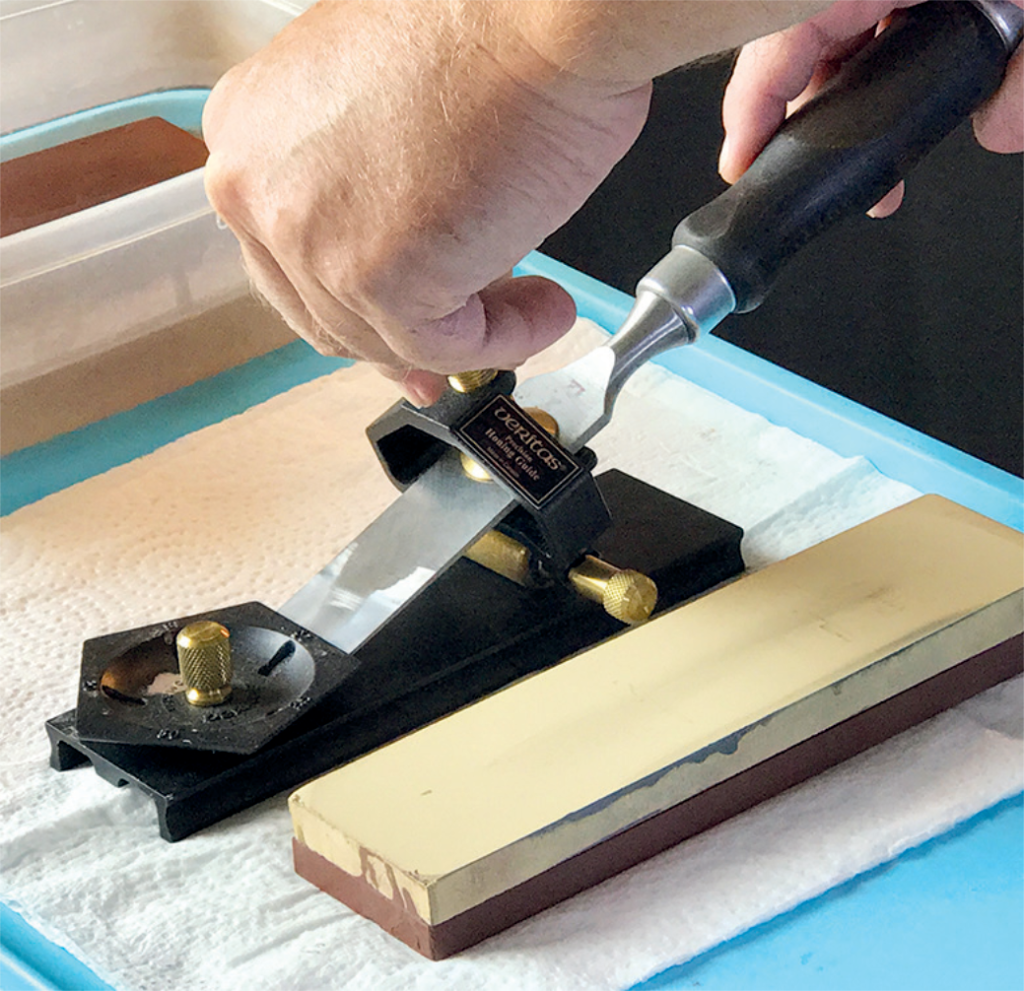
Honing guides and jigs help keep the right angle while sharpening. They hold the tool steady and guide the blade on the stone.
These aids are useful for beginners or for tools that need a precise edge angle. They improve consistency and reduce mistakes during sharpening.
- Honing guides clamp onto the blade
- Jigs hold the blade and adjust angle
- Both keep the angle steady on the stone
- They save time and make sharpening easier
Alternative Sharpening Methods
Besides stones, there are other ways to sharpen hand tools. These methods can be faster or more portable but may need practice.
Common alternatives include sharpening rods, sandpaper, and electric sharpeners. Each has its own benefits and limits.
- Sharpening rods are good for quick touch-ups
- Sandpaper can be used on flat surfaces
- Electric sharpeners save time but can remove too much metal
- Leather strops polish edges after sharpening

Credit: woodworkersinstitute.com
Preparing Hand Tools For Sharpening
Sharpening hand tools improves their performance and safety. Proper preparation helps you get the best results.
Before sharpening, take time to clean, inspect, and set up your tools correctly. This makes the process easier.
Cleaning And Inspecting Blades
Start by removing dirt, rust, and old oil from the blade. Clean blades sharpen more evenly and safely.
Check the blade for chips, cracks, or deep damage. Look closely along the edge and surface.
- Use a wire brush or steel wool to remove rust
- Wipe blades with a cloth and mild cleaner
- Inspect for cracks or bent edges
- Note any damaged spots that need extra care
Setting The Correct Angle
The sharpening angle affects how sharp and durable the edge will be. Use the right angle for each tool.
Most hand tools need an angle between 20 and 30 degrees. Check the tool’s manual or look at the existing edge.
- Hold the tool steady and note the blade’s angle
- Use an angle guide or protractor if needed
- Keep the angle consistent while sharpening
- Adjust angle based on tool type and use
Securing Tools Safely
Hold tools firmly during sharpening to avoid slips and injuries. Use clamps or a vise to keep tools steady.
Make sure the tool is supported well and does not move. A stable tool lets you sharpen more precisely and safely.
- Place the tool in a bench vise or clamp
- Check that the blade is exposed and easy to reach
- Wear gloves to protect your hands
- Work on a clean, flat surface
Sharpening Techniques For Different Tools
Sharpening hand tools keeps them safe and efficient. Each tool needs a different sharpening method. Learning the right way saves time and effort.
This guide covers knives, chisels, planes, spokeshaves, axes, and hatchets. Follow these simple tips for each tool type.
Knives And Chisels
Use a sharpening stone or whetstone for knives and chisels. Keep the blade angle steady while sharpening. Start with coarse grit and finish with fine grit for a sharp edge.
- Clean the blade before sharpening
- Hold the tool at a 20-degree angle
- Move the blade evenly across the stone
- Use water or oil on the stone to reduce friction
- Check the edge by carefully feeling or cutting paper
Planes And Spokeshaves
Sharpen plane irons and spokeshave blades with a flat sharpening stone. Remove nicks and keep the bevel flat. Polish the back of the blade for a smooth finish.
| Tool | Recommended Angle | Sharpening Tool |
| Plane Iron | 25 to 30 degrees | Flat Whetstone |
| Spokeshave Blade | 20 to 25 degrees | Sharpening Stone |
Axes And Hatchets
Use a file or coarse stone for axes and hatchets. Keep the blade angle wider to keep strength. Finish with finer stones for a sharper edge.
Here are tips for sharpening axes and hatchets:
- Secure the tool firmly before sharpening
- File the bevel evenly on both sides
- Maintain an angle of about 30 degrees
- Remove burrs with a finer stone
- Use protective gloves for safety

Credit: www.youtube.com
Maintaining A Consistent Edge
Keeping hand tools sharp helps you work safely and efficiently. A steady sharp edge makes cutting easier and cleaner.
Regular care stops tools from getting dull fast. This guide explains how to keep edges steady and sharp.
Checking Sharpness Regularly
Check your tool edges often to catch dullness early. Sharp tools perform better and reduce accidents.
- Look at the edge under good light for nicks or chips.
- Run a fingernail gently across the edge to feel for smoothness.
- Try cutting a piece of paper to test sharpness.
- If the tool drags or tears, it needs sharpening.
Using Stropping To Refine Edges
Stropping polishes the edge after sharpening. It removes tiny burrs and gives a fine finish.
- Use a leather strop with polishing compound.
- Pull the blade backward, away from the edge.
- Repeat 10 to 20 times for a smooth edge.
- Check the edge after stropping for a mirror-like shine.
Avoiding Common Sharpening Mistakes
| Mistake | Effect | How to Avoid |
|---|---|---|
| Using wrong angle | Dulls edge quickly | Use consistent angle |
| Sharpening too fast | Overheats blade | Sharpen slowly, cool often |
| Skipping stropping | Edge stays rough | Always strop after sharpening |
| Not cleaning tools | Rust and damage | Clean and dry before storage |
Safety Tips During Sharpening
Sharpening hand tools helps keep them effective. Safety is very important to avoid injuries.
Follow simple safety steps to protect yourself while sharpening your tools.
Proper Hand Placement
Keep your hands away from the blade edge during sharpening. Hold the tool firmly but not too close to the sharp area.
Use both hands if possible. One hand should guide the tool, and the other should control the sharpener.
- Hold the tool steady on a safe surface
- Keep fingers behind the sharpening edge
- Do not rush; move slowly and carefully
Using Protective Gear
Wear gloves that protect your hands but still allow good grip. Safety glasses protect your eyes from tiny metal particles.
Use a dust mask if you sharpen tools often. This will protect your lungs from dust and debris.
- Wear cut-resistant gloves
- Use safety glasses or goggles
- Consider a dust mask for fine particles
Safe Storage After Sharpening
Store sharpened tools in a safe place to avoid accidents. Keep blades covered or sheathed.
Place tools out of reach of children and pets. Clean tools before storage to prevent rust.
- Use blade guards or sheaths
- Keep tools in a locked toolbox or cabinet
- Wipe blades clean and dry before storing
Frequently Asked Questions
How Often Should I Sharpen My Hand Tools?
Sharpen hand tools regularly for optimal performance. Frequency depends on use, but check edges monthly. Dull tools reduce efficiency and increase injury risk. Maintain sharpness to ensure clean cuts and easier work.
What Is The Best Sharpening Method For Hand Tools?
The best method depends on the tool type. Use whetstones for blades, diamond stones for hard metals, and honing guides for precision. Always follow manufacturer guidelines and maintain consistent angles while sharpening.
Can I Sharpen Hand Tools Without Professional Equipment?
Yes, basic sharpening can be done with inexpensive tools like sharpening stones or files. Proper technique and patience are key to effective sharpening. Avoid power tools unless experienced to prevent damage.
Why Is Maintaining The Correct Angle Important When Sharpening?
Maintaining the correct angle preserves the tool’s edge and functionality. Incorrect angles can dull or damage the blade. Use guides or angle templates to keep consistency and extend tool life.
Conclusion
Sharpening hand tools boosts performance and extends tool life. Regular maintenance keeps tools in top shape. A sharp tool works better and saves time. Use the right technique for best results. Practice makes the process easier over time. Beginners start slow and improve gradually.
A little patience goes a long way. Investing time in sharpening pays off with smoother work. Safe sharpening avoids accidents and damage. Keep learning and adapting techniques. Enjoy the satisfaction of a well-maintained toolkit. Happy sharpening!