
If you love roses, you want them to bloom again and again, right? The secret to keeping your roses flowering all season lies in how you prune them.
Pruning might seem tricky, but with the right tips, you can make your roses healthier and more vibrant. Imagine stepping into your garden and seeing fresh blooms every few weeks. Ready to learn how to make that happen? Keep reading, and you’ll discover easy, effective pruning tips that will transform your rose garden.
Choosing The Right Time
Pruning roses at the right time helps them bloom again. Knowing when to prune keeps your roses healthy and full of flowers.
Timing depends on the season and the rose’s growth stage. This guide explains the best windows for pruning and how to tell when your rose is ready.
Seasonal Pruning Windows
Different seasons require different pruning actions. Prune too early or too late, and you may reduce flowering. Use this table to find the best months for pruning roses in your region.
| Season | Best Pruning Time | Reason |
|---|---|---|
| Early Spring | Late February to March | Before new growth starts |
| Late Spring | After first bloom | Encourages repeat flowering |
| Summer | Mid to late July | Remove spent flowers and shape |
| Fall | October | Light pruning to prepare for winter |
Signs Your Rose Is Ready
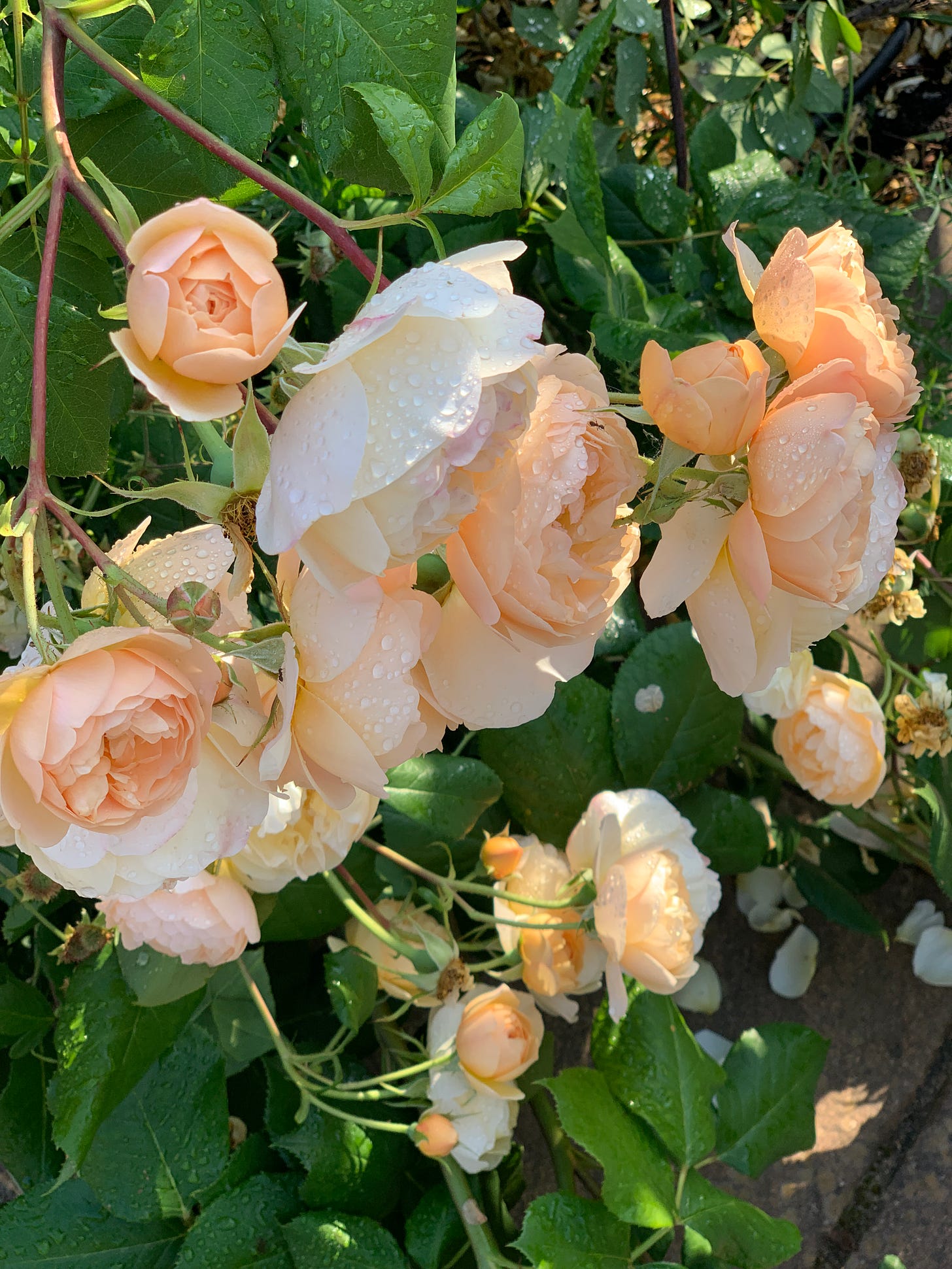
Look for clear signs before pruning. Cutting too soon or too late can harm the plant. Here are signs that your rose needs pruning now.
- Swelling buds appear on stems
- Old flowers start to fade or fall off
- New green shoots grow about 6 inches tall
- Dead or diseased wood shows on branches
- Plant looks leggy or overgrown
Credit: open.substack.com
Essential Tools For Pruning
Pruning roses properly helps them bloom again and stay healthy. Using the right tools makes pruning easier and safer. Good tools also protect the plants from damage.
This guide covers important tools you need for pruning roses. Learn about sharp pruners and safety gear to keep your hands safe.
Selecting Sharp Pruners
Sharp pruners cut cleanly through rose stems. This helps the plant heal faster and reduces disease risk. Dull pruners can crush stems and harm the rose bush.
- Choose bypass pruners for smooth cuts on live stems.
- Keep blades sharp by cleaning and sharpening regularly.
- Pick pruners with comfortable handles to reduce hand strain.
- Look for rust-resistant materials like stainless steel.
- Ensure the pruners lock safely when not in use.
Safety Gear Tips
| Safety Gear | Purpose |
| Gloves | Protect hands from thorns and scratches |
| Safety Glasses | Shield eyes from flying debris or branches |
| Long-Sleeve Shirt | Prevent skin cuts and irritation |
| Closed-Toe Shoes | Guard feet against dropped tools or stems |
Always wear safety gear before pruning. This gear keeps you safe and helps you work confidently. Check your equipment for damage before starting.
Pruning Techniques For Repeated Blooms
Pruning roses helps keep them healthy and blooming again. Proper cuts encourage new growth and more flowers.
Using the right pruning methods improves the shape and strength of your rose plants. This guide covers key tips for pruning roses to flower repeatedly.
Cutting At The Correct Angle
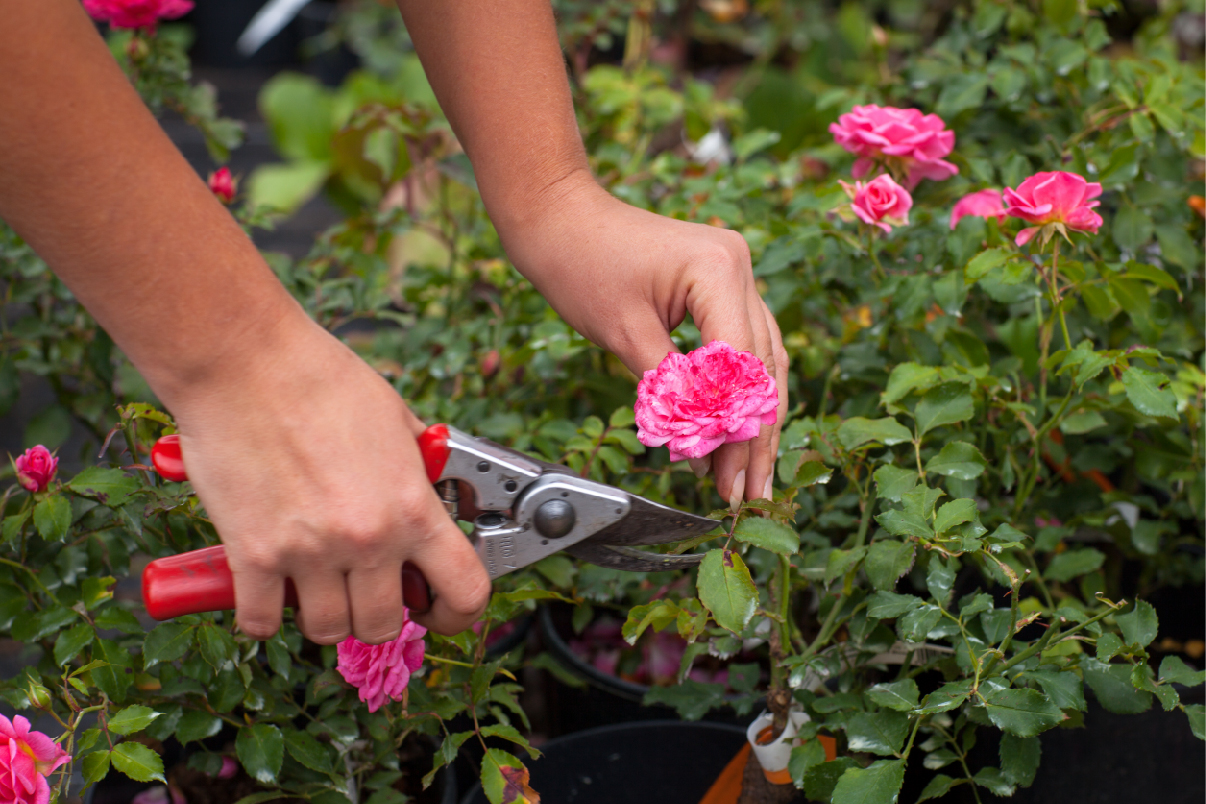
Cutting rose stems at the right angle helps water run off and prevents rot. Always prune just above a leaf bud facing outward.
- Use sharp, clean tools to make smooth cuts.
- Cut at a 45-degree angle, slanting away from the bud.
- Make cuts about 1/4 inch above the bud.
- Avoid cutting too close to the bud to protect it.
Removing Dead And Diseased Wood
Removing dead or diseased wood stops infections and helps the plant stay strong. Look for branches that are brown, dry, or black.
| Wood Condition | How to Identify | Action |
| Dead Wood | Brittle, no green inside when cut | Cut back to healthy wood |
| Diseased Wood | Discolored, spotted, or soft areas | Remove and discard immediately |
| Healthy Wood | Green inside, firm and flexible | Leave to grow |
Shaping The Plant
Shaping your rose bush helps air flow and light reach all parts. This supports better blooms and reduces disease risk.
- Remove weak or crossing branches.
- Trim to keep the center open for air circulation.
- Cut back overly long stems to encourage bushier growth.
- Balance the shape so the plant looks even from all sides.
Credit: www.creechlandscape.com
Encouraging New Growth
Pruning roses helps the plant grow new shoots. New growth means more flowers throughout the season.
Cutting back old parts lets the plant focus energy on fresh stems. This keeps your roses healthy and blooming.
Pinching Tips
Pinching means removing the soft tips of new shoots. This action encourages the plant to grow more branches.
Use your fingers or sharp scissors to pinch just above a leaf set. This helps roses produce more buds and flowers.
- Pinch when shoots are 6 to 8 inches tall
- Pinch above a healthy leaf to stimulate growth
- Remove only soft tips, not woody stems
- Pinch regularly during the growing season
Managing Old Canes
Old canes are thick, woody stems from previous years. Removing some old canes helps new shoots grow stronger.
Cut old canes back to healthy wood. This clears space and lets sunlight reach the center of the plant.
- Remove canes that are dead or damaged
- Cut old canes at the base near the soil
- Keep 3 to 5 healthy canes for best growth
- Prune in early spring before new growth starts
Common Mistakes To Avoid
Pruning roses helps them bloom again and stay healthy. Avoid mistakes that can harm your plants.
Learn about common errors to keep your roses flowering all season long.
Over-pruning Risks
Cutting too much can stress your rose bush. It may stop blooming or grow weak.
Remove dead or weak branches only. Leave enough healthy stems for growth and flowers.
- Over-pruning reduces leaf area for food
- Too few branches mean fewer flowers
- Stress can make plants vulnerable to pests
Ignoring Plant Health
Pruning unhealthy roses does not help. Look for signs of disease or pests first.
Clean your tools and remove damaged parts to stop problems spreading.
- Check leaves and stems for spots or holes
- Remove dead or infected wood carefully
- Use sharp, clean tools to avoid infections

Credit: www.housebeautiful.com
Aftercare To Boost Flowering
Proper aftercare helps roses bloom again and again. Taking care of your rose plants after pruning encourages healthy growth.
This guide covers key tips on fertilizing and watering to support repeated flowering in roses.
Fertilizing Strategies
Use fertilizers that provide essential nutrients to your roses. Balanced feeding helps flowers grow strong and bright.
- Apply a rose-specific fertilizer every 4 to 6 weeks during the growing season.
- Use fertilizers with equal parts nitrogen, phosphorus, and potassium (N-P-K) for overall health.
- Add compost or organic matter to improve soil quality.
- Avoid over-fertilizing as this can damage the plant and reduce blooms.
Watering Practices
Consistent watering supports steady growth and helps roses bloom repeatedly. Roses need deep watering to reach their roots.
| Time of Day | Watering Tip |
| Morning | Water roses early to reduce evaporation and disease risk. |
| Evening | Watering late can cause moisture on leaves, inviting fungus. |
| Frequency | Water deeply once or twice a week depending on weather. |
| Amount | Provide about 1 to 2 inches of water each week. |
Troubleshooting Flowering Issues
Sometimes roses do not bloom as expected. This can be frustrating for gardeners.
Understanding common problems helps you fix them. Proper pruning plays a big role.
Pest And Disease Control
Pests and diseases can stop roses from flowering well. Watch for signs like spots or holes.
Use safe methods to control problems. Removing bad leaves helps keep plants healthy.
- Check for aphids, spider mites, and beetles regularly
- Remove infected leaves and stems quickly
- Use insecticidal soap or neem oil if needed
- Keep the area around roses clean and free of debris
Adjusting Pruning Based On Rose Type
Different roses need different pruning styles. Knowing your rose type helps you prune right.
Some roses bloom once a year, others bloom many times. Prune repeat bloomers for best flowers.
- Hybrid teas and floribundas: prune in early spring to encourage new growth
- Climbing roses: prune after the first bloom to shape and remove old wood
- Old garden roses: prune lightly after flowering to keep shape
- Shrub roses: prune in late winter to control size and promote air flow
Frequently Asked Questions
How Often Should I Prune My Roses?
Prune your roses twice a year for optimal growth and flowering. Early spring and late summer are ideal. Regular pruning encourages healthy blooms and prevents disease. Always remove dead or weak stems to promote vigorous growth. Proper timing and techniques ensure your roses flower repeatedly and remain healthy.
What Tools Are Best For Pruning Roses?
Use sharp, clean bypass pruners for precise cuts. Loppers are ideal for thicker branches. Wear gloves to protect your hands from thorns. Disinfect tools between uses to prevent spreading diseases. A pruning saw might be necessary for very thick stems.
Proper tools make pruning easier and more effective.
Can I Prune Roses In Summer?
Yes, light pruning in summer can encourage more blooms. Remove spent flowers and dead stems to boost growth. Avoid heavy pruning during this time as it may stress the plant. Summer pruning helps maintain the plant’s shape and encourages continuous flowering.
Always ensure your tools are clean and sharp.
Why Is Pruning Important For Roses?
Pruning promotes healthy growth and increases flowering potential. It removes dead or diseased wood and encourages new shoots. Proper pruning improves air circulation and reduces the risk of pests. It also helps maintain the plant’s shape and vigor. Regular pruning is essential for beautiful, repeat-flowering roses.
Conclusion
Pruning roses helps them bloom again and again. Cut old, weak branches to make room for new growth. Trim just above a healthy bud for best results. Clean tools keep plants healthy and free from disease. Regular pruning keeps roses strong and full of flowers.
Watch your garden bloom with fresh, bright roses. Simple steps bring lasting beauty to your rose bushes. Keep practicing these tips for a vibrant garden all season.
