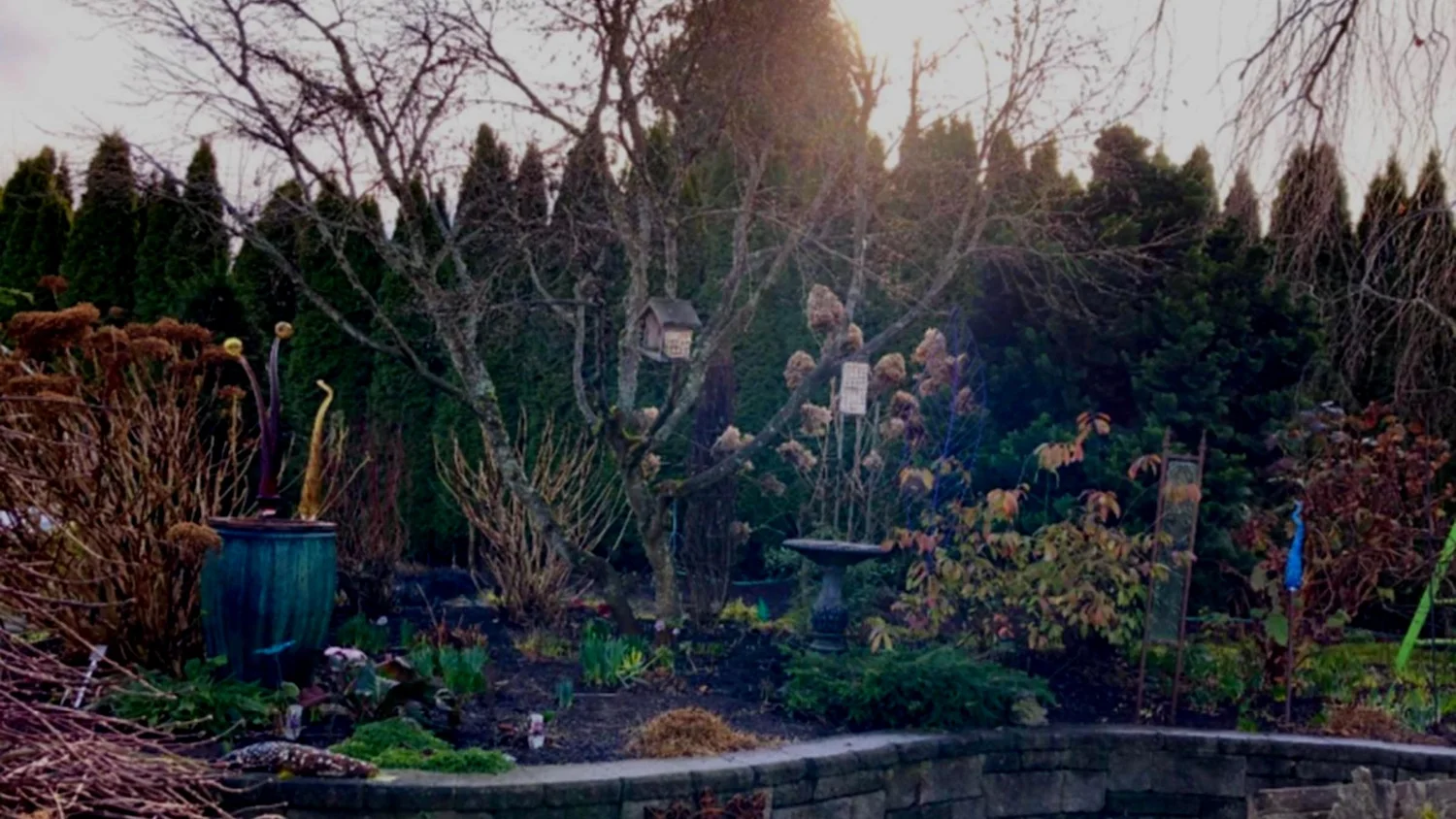
Are your shrubs looking a little wild or overgrown after winter? Knowing how to cut back shrubs in late winter can make a huge difference in your garden’s health and appearance.
When you trim your shrubs at just the right time, you help them grow stronger and bloom more beautifully in spring. In this guide, you’ll discover simple, effective steps to prune your shrubs like a pro. Keep reading, and you’ll soon have a garden that looks neat, healthy, and full of life.
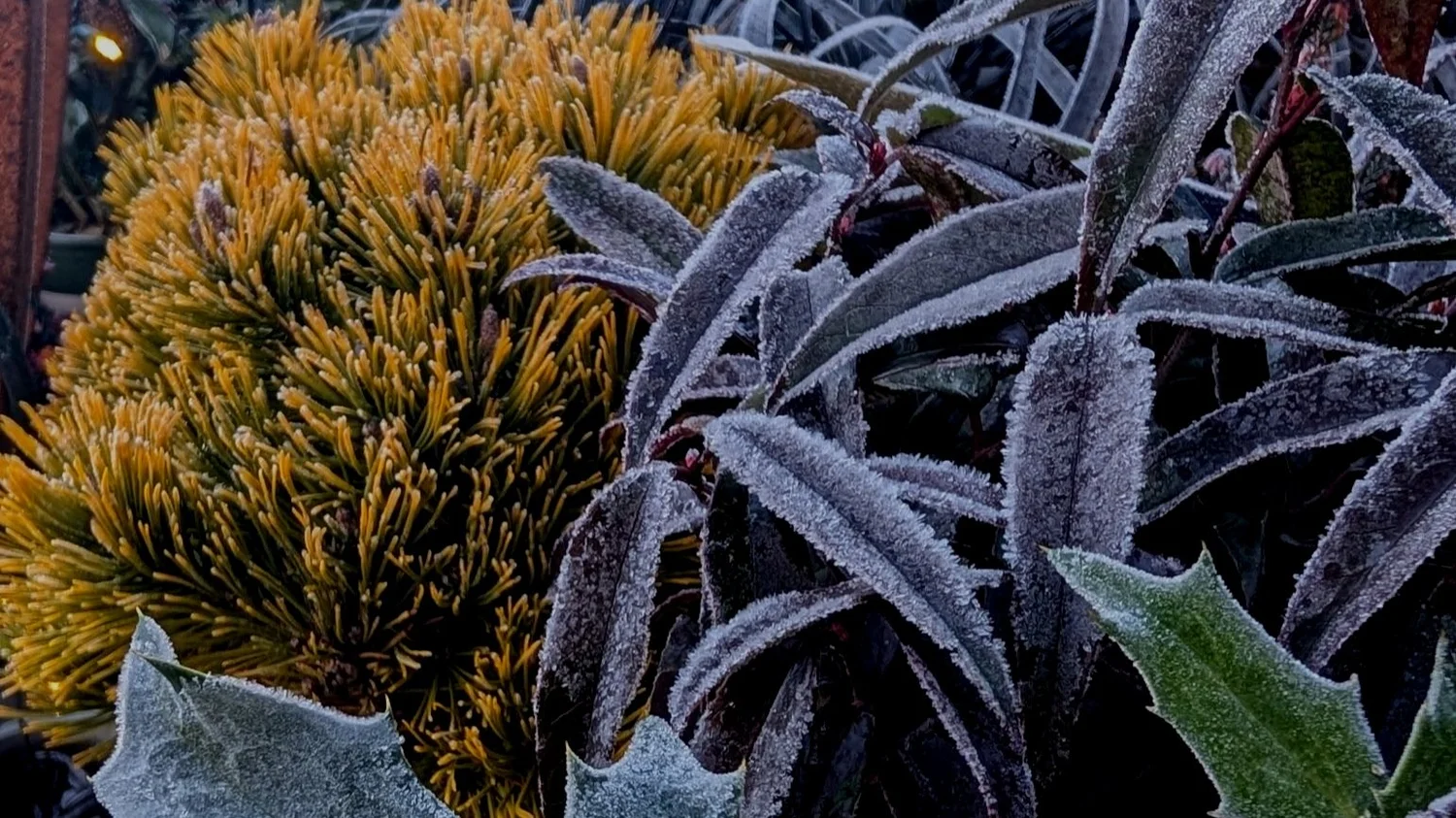
Credit: www.sunnysidenursery.net
Choosing The Right Time
Cutting back shrubs in late winter helps them grow strong in spring. Picking the right time matters for healthy plants.
This guide explains why late winter pruning is good. It also shows how to know when shrubs are ready.
Benefits Of Late Winter Pruning
Pruning shrubs late in winter has many benefits. It helps plants recover before spring growth.
- Removes dead or damaged branches to improve health
- Encourages new growth and fuller shape
- Reduces risk of disease by cleaning old wood
- Improves air circulation within the shrub
- Makes it easier to see the shrub’s structure
Signs Shrubs Are Ready
Knowing when shrubs are ready helps you prune at the best time. Look for clear signs before you start.
| Sign | Description |
| Swollen Buds | Buds look larger and full, but have not opened yet |
| Leaf Scars | Old leaf scars are visible, showing last year’s growth |
| Dry Branches | Branches that break easily may be dead and need trimming |
| Frost Passed | Risk of heavy frost is gone to avoid new damage |

Credit: dinternursery.ca
Essential Tools
Cutting back shrubs in late winter needs the right tools. Using proper tools helps keep your plants healthy.
Good tools make pruning easier and safer. Here are the essential tools to have ready.
Pruning Shears And Loppers
Pruning shears are great for small branches and detailed cuts. Loppers handle thicker branches that shears cannot cut.
- Choose sharp pruning shears for clean cuts under ¾ inch thick.
- Use loppers for branches between ¾ inch and 2 inches thick.
- Keep tools clean to prevent disease from spreading.
- Check handles for a comfortable grip to reduce hand strain.
Safety Gear
Safety gear protects you from cuts and scratches. It also keeps you safe from irritants on some shrubs.
| Safety Item | Purpose |
| Gloves | Protect hands from thorns and cuts |
| Safety Glasses | Shield eyes from flying debris |
| Long Sleeves | Prevent scratches and skin irritation |
| Sturdy Shoes | Keep feet safe from dropped tools or branches |
Preparing Shrubs For Cutting
Cutting back shrubs in late winter helps them grow strong and healthy. Preparing shrubs properly makes the task easier and safer.
Start by clearing the area around the shrub and then remove any dead or damaged branches before cutting.
Clearing Surrounding Area
Clear leaves, weeds, and debris from around the shrub base. This gives you space to work and prevents accidents.
- Remove fallen leaves and twigs
- Pull out weeds near the shrub
- Check for rocks or tools that may block your movement
- Wear gloves and protective clothing
Removing Dead Or Damaged Branches
Look for branches that are dry, broken, or diseased. These branches do not help the shrub and can cause harm.
| Branch Type | What to Do |
| Dead | Cut off close to the main stem |
| Damaged | Remove to healthy wood |
| Diseased | Dispose of carefully to avoid spreading |
Cutting Techniques
Cutting back shrubs in late winter helps them grow strong in spring. Use the right cutting techniques to keep plants healthy.
Sharp tools and careful cuts prevent damage. Focus on shaping and avoiding common mistakes.
Shaping For Growth
Trim shrubs to keep a balanced shape. This allows sunlight and air to reach all parts of the plant.
Cut branches at an angle just above a bud that faces outward. This encourages healthy new growth.
- Remove dead or weak branches first
- Cut to maintain the natural shape
- Keep the base wider than the top
- Use clean, sharp tools for smooth cuts
Avoiding Common Mistakes
Do not cut too much at once. Cutting more than one-third of the shrub can harm it.
Avoid cutting too close to the main stem. This can cause damage and slow growth.
- Do not leave jagged cuts or torn branches
- Do not prune in very cold weather
- Do not remove all old wood from flowering shrubs
- Avoid pruning late in the season to prevent new growth damage
Aftercare Tips
Cutting back shrubs in late winter helps them grow well in spring. After pruning, care is important. Proper aftercare keeps shrubs healthy.
This guide covers mulching, watering, and fertilizing. These steps help shrubs recover and stay strong.
Mulching And Watering
Mulching protects shrub roots from cold and keeps soil moist. Use organic mulch like wood chips or bark. Spread mulch 2-3 inches deep around shrubs.
Water shrubs after pruning if the soil is dry. Water deeply to reach roots. Avoid overwatering, which can cause root rot.
- Apply mulch to keep soil temperature steady
- Water once or twice a week if no rain falls
- Check soil moisture regularly
Fertilizing For Health
Fertilizing helps shrubs grow new leaves and branches. Use a slow-release fertilizer made for shrubs. Apply fertilizer in early spring after pruning.
Follow package instructions for the right amount. Too much fertilizer can harm plants. Balanced fertilizer with nitrogen, phosphorus, and potassium works best.
- Use fertilizer in early spring
- Choose balanced, slow-release types
- Follow recommended amounts
Shrub Types And Specific Tips
Cutting back shrubs in late winter helps prepare them for healthy growth. Different shrub types need different pruning methods. Knowing your shrub type makes pruning easier and better.
This guide covers two main shrub types: deciduous and evergreen. Each has specific tips for cutting back in late winter.
Deciduous Shrubs
Deciduous shrubs lose their leaves in winter. Prune them in late winter before new growth starts. This timing helps shape the shrub and remove old wood.
- Remove dead or damaged branches at the base.
- Cut back old stems to encourage new shoots.
- Thin crowded branches to improve air flow.
- Shape the shrub by trimming overgrown areas.
- Use sharp, clean tools to make smooth cuts.
Evergreen Shrubs
Evergreen shrubs keep their leaves year-round. Cut them back lightly in late winter to keep shape. Avoid heavy pruning because it can stress the plant.
| Evergreen Shrub | Pruning Tip |
| Boxwood | Trim new growth, keep dense shape |
| Holly | Remove crossing branches and shape lightly |
| Juniper | Cut back slightly, avoid cutting old wood |
| Rhododendron | Remove dead branches and shape gently |
Troubleshooting Problems
Cutting back shrubs in late winter helps keep them healthy and neat. Sometimes, problems can happen during pruning.
Knowing how to handle these issues will improve your shrub care and prevent damage.
Dealing With Overgrowth
Overgrown shrubs can block light and air, hurting their growth. Pruning helps control size and shape.
Cut branches back to healthy buds and remove crowded stems. This opens space inside the shrub.
- Use sharp tools to make clean cuts
- Remove dead or damaged branches first
- Thin out branches that cross or rub together
- Cut back about one-third of the shrub for heavy overgrowth
Preventing Disease
Disease can spread through broken or weak branches. Pruning correctly helps prevent infections.
Keep tools clean and cut at an angle to let water run off. Avoid cutting too close to the main stem.
- Disinfect pruning tools with rubbing alcohol or bleach
- Remove all diseased or dead wood from shrubs
- Do not leave cut branches on the ground
- Prune on dry days to reduce disease risk
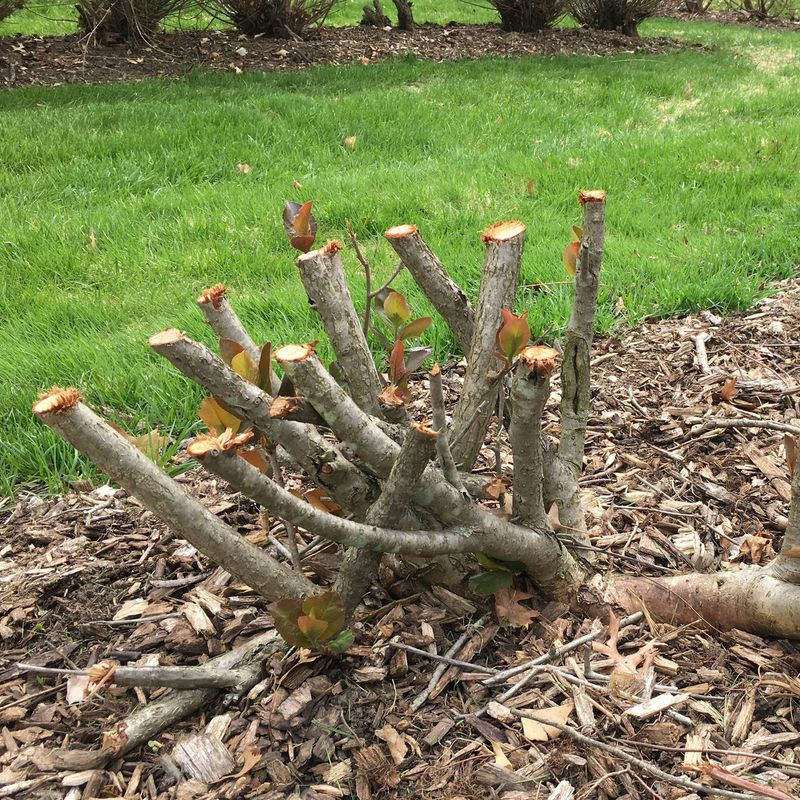
Credit: localgardener.net
Frequently Asked Questions
When Is The Best Time To Cut Back Shrubs?
The ideal time to cut back shrubs is in late winter. This is before new growth begins. Pruning in late winter helps promote healthy growth. It also prevents disease and pest infestations. Always ensure your tools are sharp and clean for best results.
How Do You Prepare Shrubs For Pruning?
Begin by removing dead or damaged branches. Use clean, sharp tools to make clean cuts. Identify the shape you want for the shrub. Trim branches to maintain this shape. Always cut just above a bud or branch junction.
What Tools Are Needed For Shrub Pruning?
Essential tools include pruning shears and loppers. Pruning shears are for smaller branches. Loppers are best for thicker branches. A pruning saw can be useful for very thick branches. Always ensure tools are sharp and clean before use.
Why Is Late Winter Pruning Beneficial?
Pruning in late winter helps stimulate new growth. It reduces the risk of disease and pests. The absence of leaves makes it easier to see the shrub’s structure. This allows for more precise pruning and shaping.
Conclusion
Cutting back shrubs in late winter helps plants grow healthy and strong. Trim dead or weak branches carefully. Keep tools clean and sharp for best results. This simple step prepares shrubs for spring blooms. Regular pruning keeps your garden neat and vibrant.
Start early before buds begin to swell. Watch your shrubs come back full and lively. A little care now saves work later. Enjoy a beautiful yard all season long.
