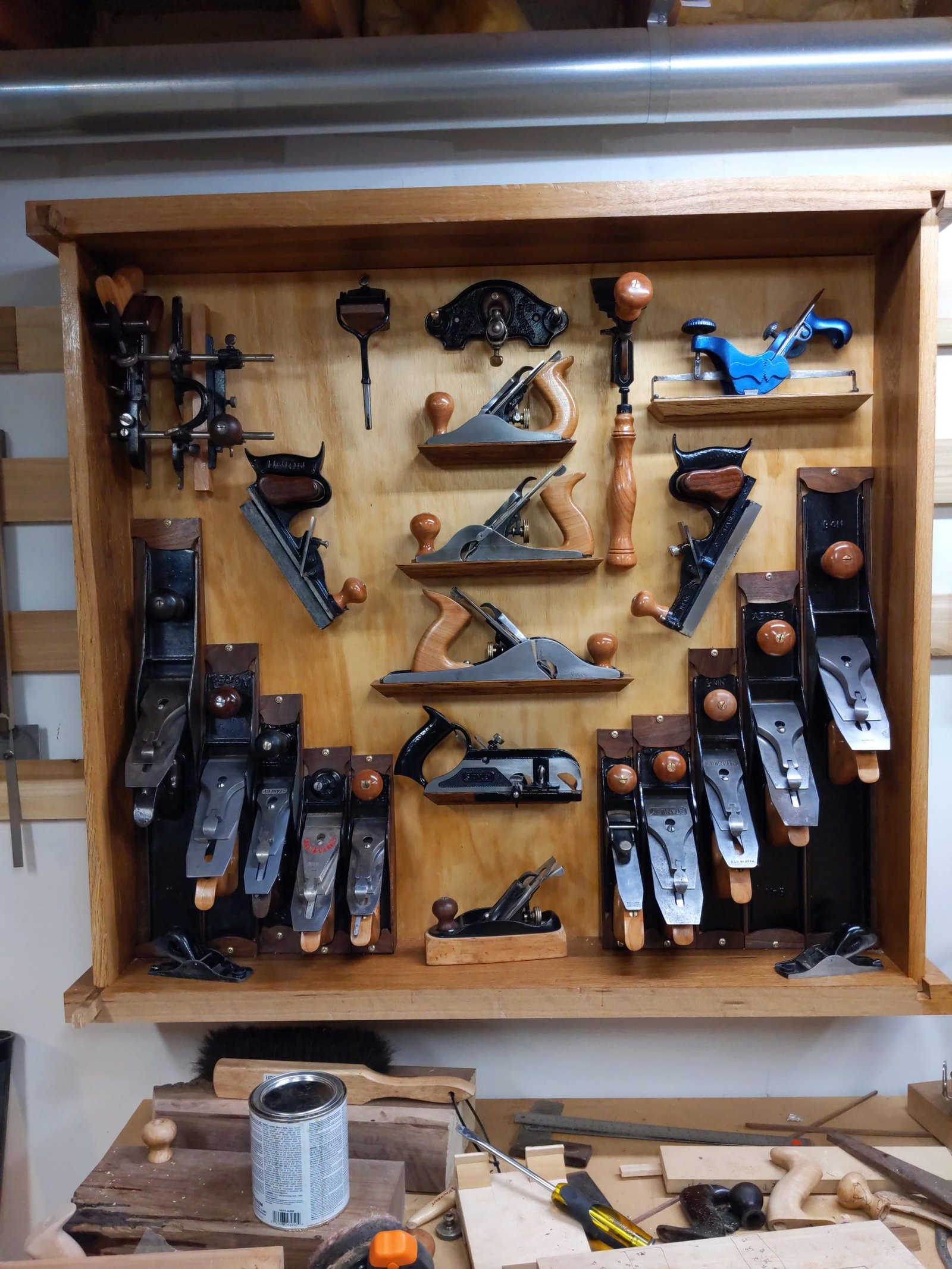
Are you tired of digging through cluttered toolboxes or crammed shelves just to find your favorite hand plane? Imagine the frustration melting away as you reach for a perfectly organized rack where each tool is neatly stored and easily accessible.
Storing hand planes in racks not only protects your valuable tools but also enhances your workflow, making your woodworking projects smoother and more efficient. You’ll discover simple yet effective tips to transform your storage space, ensuring your hand planes are always ready for action.
Read on to unlock the secrets to keeping your tools in pristine condition, saving you time and headaches in the long run.
Choosing The Right Rack
Storing hand planes properly keeps them safe and ready to use. The right rack protects the tools and saves space. Picking the best rack depends on your workshop size and style.
This guide explains different rack types to help you choose one that fits your needs. Consider how you want to access your planes and where you will place the rack.
Wall-mounted Options
Wall-mounted racks save floor space and keep hand planes visible. They are easy to build or buy. Mount the rack at a comfortable height for quick access.
- Use sturdy wood or metal to hold the weight
- Install hooks or slots to hold each plane securely
- Keep enough space between planes to avoid damage
- Choose a location away from moisture and dust
Freestanding Racks
Freestanding racks do not need wall mounting. They can be moved easily and placed anywhere in your workshop. These racks often hold many planes in one place.
| Feature | Benefit | Consideration |
| Portability | Easy to move and rearrange | May take floor space |
| Capacity | Holds many planes | May be large or bulky |
| Material | Usually wood or metal | Choose durable and stable types |
Custom Vs. Commercial Racks
Custom racks fit your exact needs and space. You can design them to match your workshop style. Commercial racks are ready to use and come in many styles and sizes.
- Custom racks offer full control over size and features
- Commercial racks save time and effort
- Commercial racks may cost less but fit less perfectly
- Custom racks may need woodworking skills or help
Preparing Hand Planes For Storage
Storing hand planes properly keeps them in good shape. It helps avoid rust and damage.
Before placing your tools in racks, take time to prepare each one carefully.
Cleaning And Oiling
Remove dust and dirt from all parts of the hand plane. Use a soft cloth or brush for cleaning.
- Wipe metal surfaces with a dry cloth
- Use light oil on all metal parts to prevent rust
- Apply oil sparingly to avoid sticky residue
- Dry wooden handles and bodies before oiling
Blade Protection
Protect the blade to keep it sharp and safe. Cover the cutting edge before storage.
| Protection Method | Description |
|---|---|
| Blade Caps | Plastic or leather covers fit over blades. |
| Wrapping | Wrap blades in cloth or paper to avoid nicks. |
| Positioning | Store planes with blades facing up or sideways. |
Disassembly Tips
Take apart some parts for better cleaning and to avoid damage during storage.
- Remove the blade and chip breaker carefully
- Keep screws and small parts in a labeled container
- Clean each part before storing
- Reassemble only before use
Maximizing Space Efficiency
Storing hand planes properly saves space and protects your tools. Using racks designed for hand planes helps keep your workshop neat.
Choosing the right way to place and organize your hand planes can make a big difference. This guide covers effective tips for better storage.
Vertical Vs. Horizontal Placement
Placing hand planes vertically saves floor and shelf space. It also makes each tool easy to grab quickly.
Horizontal placement offers stability and protects blades from damage. It works well for heavier hand planes or crowded racks.
- Vertical racks use less horizontal space
- Horizontal racks protect blade edges better
- Choose placement based on tool size and rack strength
Stacking Techniques
Stack hand planes carefully to avoid scratches and damage. Use padding between planes if stacking horizontally.
Stacking vertically can be done with racks that have slots or compartments. This prevents tools from touching each other.
- Use foam or cloth pads between stacked planes
- Stack by size, placing larger planes at the bottom
- Use racks with dividers for vertical stacking
Utilizing Unused Spaces
Look for unused wall space to hang racks. Walls near your workbench are great spots.
Use the back of cabinet doors or inside drawers for small plane storage. These spaces keep tools safe and out of the way.
- Install narrow racks on walls to free up bench space
- Add hooks or magnetic strips for quick access
- Use drawer inserts to keep planes organized

Credit: www.reddit.com
Safety And Accessibility
Storing hand planes properly keeps your workshop safe and tools easy to find. Good storage prevents accidents and protects your planes from damage.
Using racks designed for hand planes helps organize your workspace. It also makes reaching for the right tool quick and simple.
Securing Planes In Racks
Secure your hand planes firmly in the rack to stop them from falling. Use racks with slots or holders that fit the plane’s shape well.
- Choose racks with adjustable slots for different plane sizes
- Use padding or rubber grips to hold planes firmly
- Check that each plane sits tightly to avoid slipping
- Mount racks on sturdy walls to support the weight
Easy Reach Strategies
Place hand planes where you can grab them easily without moving other tools. Keep frequently used planes at eye level or just below.
| Plane Type | Recommended Rack Height |
| Bench Planes | Chest to waist level |
| Block Planes | Eye level |
| Specialty Planes | Lower shelves for less use |
Avoiding Damage
Keep planes from touching hard surfaces or each other to avoid nicks and scratches. Use separators or soft liners inside the rack.
- Use felt strips between planes
- Store blades facing down or covered
- Keep racks dry to stop rust
- Clean planes before storing
Maintenance Of Storage Racks
Keeping hand plane racks well maintained helps protect your tools. A good rack stops damage and keeps planes ready to use.
Regular care of storage racks makes them last longer. It also keeps your workshop neat and safe.
Regular Cleaning
Dust and dirt build up on racks can harm hand planes. Clean your racks often to remove grime and debris.
Use a soft cloth or brush to wipe surfaces. Avoid harsh chemicals that can damage wood or metal racks.
- Wipe down shelves weekly
- Use a vacuum for tight spots
- Clean spills immediately
Inspecting Rack Stability
Check racks regularly to ensure they are stable. Loose screws or weak joints can cause racks to fall.
Look for cracks or warping in wood racks. Tighten any bolts and replace damaged parts quickly.
- Test rack for wobbling
- Tighten loose screws
- Replace broken supports
- Check wall mounts if used
Upgrading Storage Solutions
Upgrade racks if they no longer fit your hand planes well. New racks can offer better protection and space use.
Consider adding padding or dividers to prevent scratches. Choose racks that match your workshop size and style.
- Add foam padding to shelves
- Use adjustable dividers
- Choose metal or wood racks
- Opt for wall-mounted racks to save floor space
Credit: ncwoodworker.net

Credit: www.reddit.com
Frequently Asked Questions
How Do I Prevent Rust On Hand Planes In Racks?
To prevent rust, keep hand planes dry and clean before storing. Use a rust inhibitor or oil on metal parts. Store planes in a low-humidity area, ideally with a dehumidifier to maintain dryness and protect the tools from corrosion.
What Is The Best Rack Type For Hand Planes?
Wooden or metal racks with padded holders work best. They protect plane soles and blades from damage. Ensure the rack allows air circulation to avoid moisture buildup. Custom racks tailored to plane sizes offer optimal organization and protection.
Should Hand Planes Be Stored Blade-up Or Blade-down?
Store hand planes blade-up to protect the cutting edge. This positioning prevents dulling and accidental damage. It also makes it easier to access the plane when needed, enhancing safety and prolonging tool life.
How Often Should I Clean Hand Planes In Storage?
Clean hand planes before and after each use. Regular cleaning removes debris and moisture, preventing damage. Inspect blades for rust or dullness monthly. Proper maintenance keeps planes in prime condition and ready for use.
Conclusion
Storing hand planes in racks keeps your tools safe and ready to use. It saves space and helps you stay organized. Clean your planes before placing them in the rack to prevent rust. Choose a rack that fits your workspace and tools well.
Regularly check your planes to keep them in good shape. Good storage habits protect your tools for years. Enjoy a tidy workshop and smooth woodworking with proper hand plane storage.
