Are you finding that your table saw isn’t running as smoothly as it used to? It might be time to give those gears a little TLC.
Proper lubrication is key to keeping your table saw in top shape and ensuring it performs at its best. In this guide, you’ll discover practical tips to lubricate your table saw gears effectively, extending the life of your machine and enhancing your woodworking projects.
Imagine the satisfaction of a saw that runs like new with every cut. Intrigued? Keep reading to learn how to make it happen effortlessly.
Choosing The Right Lubricant
Lubricating table saw gears keeps them running smoothly. Picking the right lubricant helps prevent wear and tear. It also makes your saw safer and more efficient.
Many lubricants work on gears, but not all fit every table saw. Understanding types and key factors helps you choose well. Avoiding common mistakes keeps your saw in good shape.
Types Of Lubricants
You can find several lubricants for table saw gears. Each type works best in different situations. Here are some common options:
- Grease: Thick and stays on gears well. Good for heavy use.
- Oil: Thin and easy to apply. Works for light to medium use.
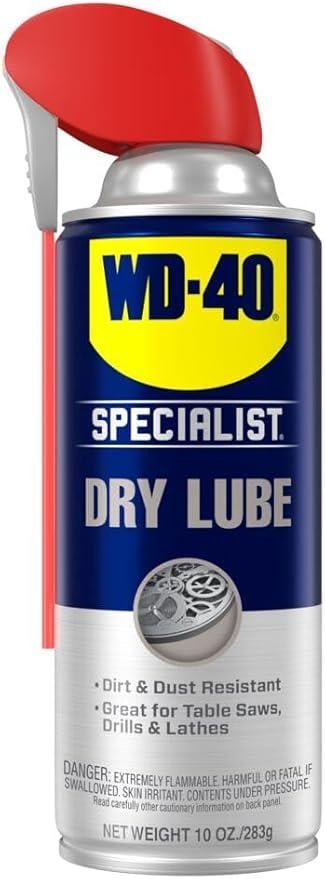
- Dry Lubricants: Powder or spray that does not attract dust. Best in dusty places.
- Silicone Lubricants: Resist water and heat. Safe for plastic parts.
Factors To Consider
| Factor | Why It Matters |
| Gear Material | Some lubricants harm plastic or rubber parts. |
| Temperature | High heat needs heat-resistant lubricants. |
| Usage Frequency | Heavy use needs longer-lasting lubricants. |
| Cleanliness | Dry lubricants avoid dirt buildup in dusty areas. |
| Ease of Application | Some lubricants spread easier on tight gears. |
Avoiding Common Mistakes
Many people make errors when lubricating gears. Avoid these to keep your saw working well:
- Using too much lubricant can cause gear slipping.
- Applying the wrong type may damage plastic parts.
- Skipping cleaning before lubrication leads to grit build-up.
- Not lubricating often enough causes faster wear.
- Mixing different lubricants can reduce effectiveness.

Credit: www.reddit.com
Preparing The Table Saw Gears
Proper preparation of your table saw gears is important before lubricating. Cleaning and checking the gears helps them work smoothly.
Taking safety steps protects you from injury during the process. Follow simple guidelines for best results.
Cleaning The Gears
Remove dust and old grease from the gears before adding new lubricant. Use a brush or cloth to clean all surfaces.
If grease is hard or sticky, apply a suitable solvent to loosen it. Wipe the solvent off completely before lubricating.
- Use a soft brush to reach between gear teeth
- Avoid water as it can cause rust
- Wear gloves to keep hands clean
Inspecting For Damage
Look closely at the gears for cracks, chips, or worn teeth. Damaged gears need repair or replacement to avoid problems.
Check if the gears turn smoothly without sticking. Tight or loose gears can cause uneven cuts or machine failure.
- Look for missing or broken teeth
- Check for rust or corrosion
- Make sure gears fit tightly on shafts
Safety Precautions
Always unplug the table saw before working on the gears. This prevents accidental starting and injury.
Wear safety glasses and gloves to protect your eyes and hands. Keep your work area clean and well-lit.
- Disconnect power before maintenance
- Use tools that fit properly
- Work slowly and carefully
Applying Lubricant Effectively
Keeping your table saw gears well lubricated helps them run smoothly. Applying lubricant the right way prevents wear and tear.
Use the correct method to avoid damage and get the best performance from your saw.
Proper Application Techniques
Clean the gears before applying lubricant to remove dust and old grease. This stops dirt from mixing with the lubricant.
Use a small brush or a spray nozzle to apply lubricant evenly. Avoid pouring it directly to prevent excess buildup.
- Wipe gears clean with a dry cloth first
- Apply lubricant in thin, even layers
- Turn the gears slowly to spread lubricant
- Remove any excess with a clean rag
How Much Lubricant To Use
Use just enough lubricant to coat the gear surfaces lightly. Too much can attract dirt and cause clumping.
A thin layer reduces friction without making a mess or slowing gear movement.
- Apply a small amount at a time
- Check for even coverage on all teeth
- Reapply only if the gear looks dry
- Clean off extra lubricant to avoid buildup
Areas To Focus On
Focus on the gear teeth, shafts, and any moving joints. These parts need the most lubrication for smooth operation.
Do not forget to lubricate bearings or bushings connected to the gears. They also affect the table saw’s performance.
- Gear teeth surfaces
- Shafts and pivot points
- Bearings and bushings
- Sliding metal parts near the gears
Maintaining Smooth Gear Operation
Lubricating table saw gears keeps them running smoothly. Proper care extends the tool’s life and performance.
Regular checks and lubrication prevent damage and reduce noise during operation.
Regular Lubrication Schedule
Follow a set schedule to apply lubricant on your table saw gears. This helps avoid rust and wear.
- Clean gears with a dry cloth before lubricating.
- Use a lubricant made for metal gears.
- Apply lubricant every 3 months or after heavy use.
- Wipe off excess lubricant to stop dirt buildup.
- Check the manufacturer’s guide for specific advice.
Signs Of Wear And Tear
Watch for signs that your gears need attention. Early spotting helps prevent bigger problems.
| Symptom | Possible Cause | Action |
| Grinding noise | Dry or dirty gears | Clean and lubricate immediately |
| Loose gear movement | Worn gear teeth | Inspect and replace if needed |
| Slow blade speed | Gear slipping or damage | Check gear alignment and condition |
| Excessive heat | Friction from poor lubrication | Apply lubricant and cool down |
Troubleshooting Common Issues
Fix common gear problems with simple steps. This keeps your saw safe and efficient.
- If gears stick, clean debris and apply fresh lubricant.
- For noisy gears, check for worn teeth and tighten loose parts.
- If the saw blade slows down, inspect gear teeth for damage.
- Replace gears that show cracks or heavy wear.
Expert Tips For Longevity
Lubricating table saw gears helps keep your saw running smoothly. Proper care can extend the life of your tool. Follow these expert tips to protect your gears.
Regular maintenance and good storage habits prevent damage. This guide covers key steps to keep your gears in top shape.
Storage Recommendations
Store your table saw in a dry, cool place. Avoid spots with extreme temperatures or direct sunlight. This prevents rust and gear wear.
Keep the saw off the floor to avoid dirt and moisture buildup. Use a stand or shelf to hold the saw securely.
- Choose a room with stable temperature
- Keep the saw away from windows
- Elevate the saw to avoid floor moisture
Using Protective Covers
Cover your table saw when not in use. Protective covers block dust and debris from reaching the gears. This lowers the chance of damage.
Use covers made of breathable materials. This stops moisture from building up under the cover. Plastic covers may trap humidity.
- Use a dust-proof, breathable cover
- Remove the cover before using the saw
- Clean the cover regularly to avoid dirt
Avoiding Excessive Moisture
Moisture causes rust and gear failure. Keep your table saw dry at all times. Wipe down parts after use if needed.
Use a dehumidifier in damp workshops. Check for leaks or water sources near the saw. Fix any problems quickly.
- Dry the saw after cleaning or use
- Control humidity in your workshop
- Fix leaks and avoid water spills near the saw
Credit: www.sawstop.com
Credit: www.woodworkingtalk.com
Frequently Asked Questions
How Often Should I Lubricate Table Saw Gears?
Lubricate table saw gears every 6 months or after heavy use. Regular lubrication prevents wear and ensures smooth operation. Check your saw’s manual for specific recommendations to maintain optimal gear performance.
What Type Of Lubricant Is Best For Table Saw Gears?
Use a high-quality grease or lubricant designed for metal gears. Avoid lightweight oils, as they may not provide long-lasting protection. Choose a lubricant that resists dust and debris buildup to keep gears running smoothly.
Can Improper Lubrication Damage Table Saw Gears?
Yes, improper lubrication can cause gear wear and damage. Over-lubricating attracts dust, while under-lubricating causes friction and heat. Proper lubrication extends gear life and maintains cutting accuracy.
How Do I Clean Gears Before Lubricating?
Remove sawdust and debris with a brush or compressed air. Wipe gears gently with a clean cloth to remove old lubricant. Clean gears ensure better lubricant adhesion and prevent damage.
Conclusion
Keeping your table saw gears well-lubricated helps your saw work smoothly. Regular oiling stops rust and reduces wear. Clean the gears before applying lubricant for best results. Use the right type of oil to protect the metal parts. Check your saw often to catch any problems early.
A well-maintained saw lasts longer and stays safe to use. Small efforts now save big repairs later. Take care of your tools, and they will take care of you. Simple steps make a big difference.