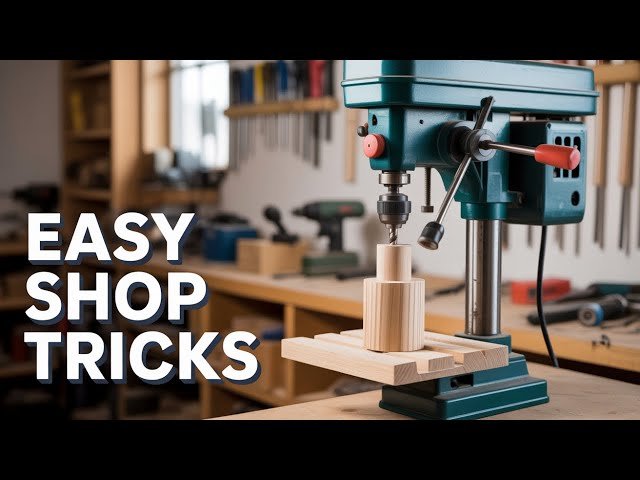
Are you tired of seeing your drill press table covered in dust and grime? You know that a clean workspace isn’t just about aesthetics—it’s crucial for precision and safety in your projects.
But with so many cleaning methods out there, how do you ensure you’re doing it right? Imagine running your fingers over a smooth, spotless surface, where every tool is organized, and every cut is perfect. That’s the kind of workspace you deserve.
We’ll share simple yet effective tips for cleaning your drill press table, ensuring it stays in top condition. Get ready to transform your workspace into a place of efficiency and accuracy. Curious about the secrets to achieving that pristine shine? Keep reading to discover how a well-maintained drill press table can elevate your craftsmanship.

Credit: www.youtube.com
Choosing The Right Cleaning Supplies
Cleaning your drill press table keeps it in good shape. Dirt and rust can cause problems with your work.
Choosing the right supplies makes cleaning easier and protects the metal surface.
Essential Tools And Materials
You need a few basic tools and materials for cleaning. These help remove dirt and rust safely.
- Soft cloths for wiping and drying
- Wire brush to remove rust spots
- Plastic scraper for stuck debris
- Sandpaper with fine grit to smooth surfaces
- Protective gloves to keep hands safe
Safe Cleaning Agents For Metal Surfaces
Use cleaning agents that do not damage metal. Avoid harsh chemicals that cause corrosion or stains.
| Cleaning Agent | Use | Notes |
| Mild Dish Soap | General cleaning | Safe for all metals |
| White Vinegar | Rust removal | Use diluted for light rust |
| WD-40 | Rust protection | Also cleans and lubricates |
| Isopropyl Alcohol | Grease removal | Evaporates quickly |
| Baking Soda Paste | Stain removal | Non-abrasive and gentle |
Preparing The Drill Press Table
Cleaning your drill press table helps keep your work safe and accurate. Proper preparation makes the cleaning easier and safer.
Start by clearing the area around the drill press. This gives you space to work and keeps dirt from spreading.
Removing Dust And Debris
Dust and debris can affect the drill press’s performance. Use soft brushes or cloths to remove loose dirt first.
For stubborn dust, use a vacuum or compressed air to clean hard-to-reach places. Avoid using water or harsh chemicals.
- Brush off loose dust gently
- Use a vacuum for small particles
- Blow compressed air into tight spots
- Do not use water on metal parts
Protecting Sensitive Components
Sensitive parts like the motor and switches need protection during cleaning. Cover these parts to stop dirt or liquid from entering.
Use plastic covers or cloths to shield these components. Avoid spraying cleaners directly on the drill press.
- Cover motor and switches with plastic wrap
- Use a dry cloth to clean near sensitive parts
- Avoid sprays or liquids near electronics
- Check covers before turning the machine back on
Effective Cleaning Techniques
Keeping your drill press table clean helps it work better and last longer. Dirt, rust, and stains can cause problems during drilling.
Use the right tools and methods to remove rust and polish the surface. This guide shows simple ways to keep the table smooth and clean.
Removing Rust And Stains
Rust and stains form on drill press tables if they are exposed to moisture or metal dust. Cleaning these helps keep the table flat and safe to use.
- Start by wiping the surface with a dry cloth to remove loose dirt.
- Use a wire brush or fine sandpaper to gently scrub off rust spots.
- Apply a rust remover solution and let it sit for a few minutes.
- Wipe the table clean with a damp cloth and dry it immediately.
- For tough stains, use a paste made of baking soda and water. Rub it on the stain, then rinse and dry.
Polishing For A Smooth Finish
Polishing the drill press table gives it a smooth finish. This helps materials slide easily and prevents damage.
| Polishing Material | Purpose | How to Use |
| Fine steel wool | Remove minor scratches | Rub gently in circular motion |
| Metal polish cream | Restore shine | Apply with soft cloth and buff |
| Wax | Protect surface | Spread thin layer and let dry |
Always clean the table before polishing. Use light pressure to avoid damage. After polishing, wipe off residue to keep the surface clear.

Credit: magswitch.com
Preventing Future Build-up
Keeping your drill press table clean helps it work better and last longer. Dirt and rust can build up quickly if you do not take care of the table.
Use simple steps to stop dirt and rust from forming again. This saves time and effort in cleaning later.
Applying Protective Coatings
Protective coatings help keep your drill press table safe from rust and dirt. They form a barrier that stops moisture and dust from causing damage.
Use oils or waxes made for metal surfaces. Apply a thin, even layer after cleaning the table. This makes cleaning easier next time.
- Use light machine oil or paste wax
- Apply with a soft cloth or brush
- Let the coating dry before using the drill press
- Reapply every few weeks for best protection
Regular Maintenance Schedule
Set a regular time to clean and check your drill press table. This stops build-up before it becomes a problem.
Daily or weekly cleaning depends on how much you use the tool. Keep a simple checklist to stay organized.
- Wipe the table with a clean cloth after each use
- Remove dust and metal shavings regularly
- Check for rust spots and treat them early
- Apply protective coatings every few weeks
Troubleshooting Common Issues
Keeping your drill press table clean is key for accurate work. Dirt and damage can cause problems during drilling. This guide helps you fix common cleaning issues.
Read on for tips on removing tough residue and repairing surface damage on your drill press table.
Dealing With Stubborn Residue
Residue on the table can come from glue, metal shavings, or rust. Removing it safely keeps your table smooth and ready to use.
- Use a plastic scraper to lift off stuck-on material without scratching.
- Apply a rust remover if rust is present; follow product instructions carefully.
- Wipe the surface with a cloth dampened in mild detergent and warm water.
- Dry the table fully to stop moisture from causing rust again.
- For sticky glue, try rubbing alcohol or acetone on a cloth.
Handling Surface Damage
Surface damage like scratches or dents affect drill accuracy. Fix these issues to keep the table flat and safe for your work.
| Type of Damage | Cause | Fix |
| Scratches | Metal tools sliding on the surface | Sand lightly with fine-grit sandpaper and clean |
| Dents | Dropping heavy items on the table | Fill with metal epoxy and smooth once dry |
| Rust Spots | Exposure to moisture | Remove rust with a wire brush and apply rust inhibitor |

Credit: www.familyhandyman.com
Frequently Asked Questions
How Often Should I Clean A Drill Press Table?
Clean your drill press table after each use to prevent debris buildup. Regular cleaning ensures accurate drilling and prolongs the machine’s life.
What Materials Are Safe For Cleaning Drill Press Tables?
Use a soft cloth and mild detergent or mineral spirits. Avoid abrasive cleaners that can damage the table’s surface and affect precision.
Can I Use Wd-40 To Clean The Drill Press Table?
Yes, WD-40 helps remove rust and lubricates the surface. Apply it sparingly and wipe off excess to maintain smooth operation.
How Do I Remove Rust From A Drill Press Table?
Use fine steel wool or a rust remover for light rust. Always clean and lubricate afterward to prevent future corrosion.
Conclusion
Cleaning drill press tables keeps your work safe and precise. Regular care stops rust and dirt build-up. Use simple tools like brushes and cloths for best results. Clean tables help your drill work smoothly every time. Small efforts now save big repairs later.
Keep your workspace tidy and organized. Clean drill press tables make projects easier and safer. Try these tips often for long-lasting tools and better work.