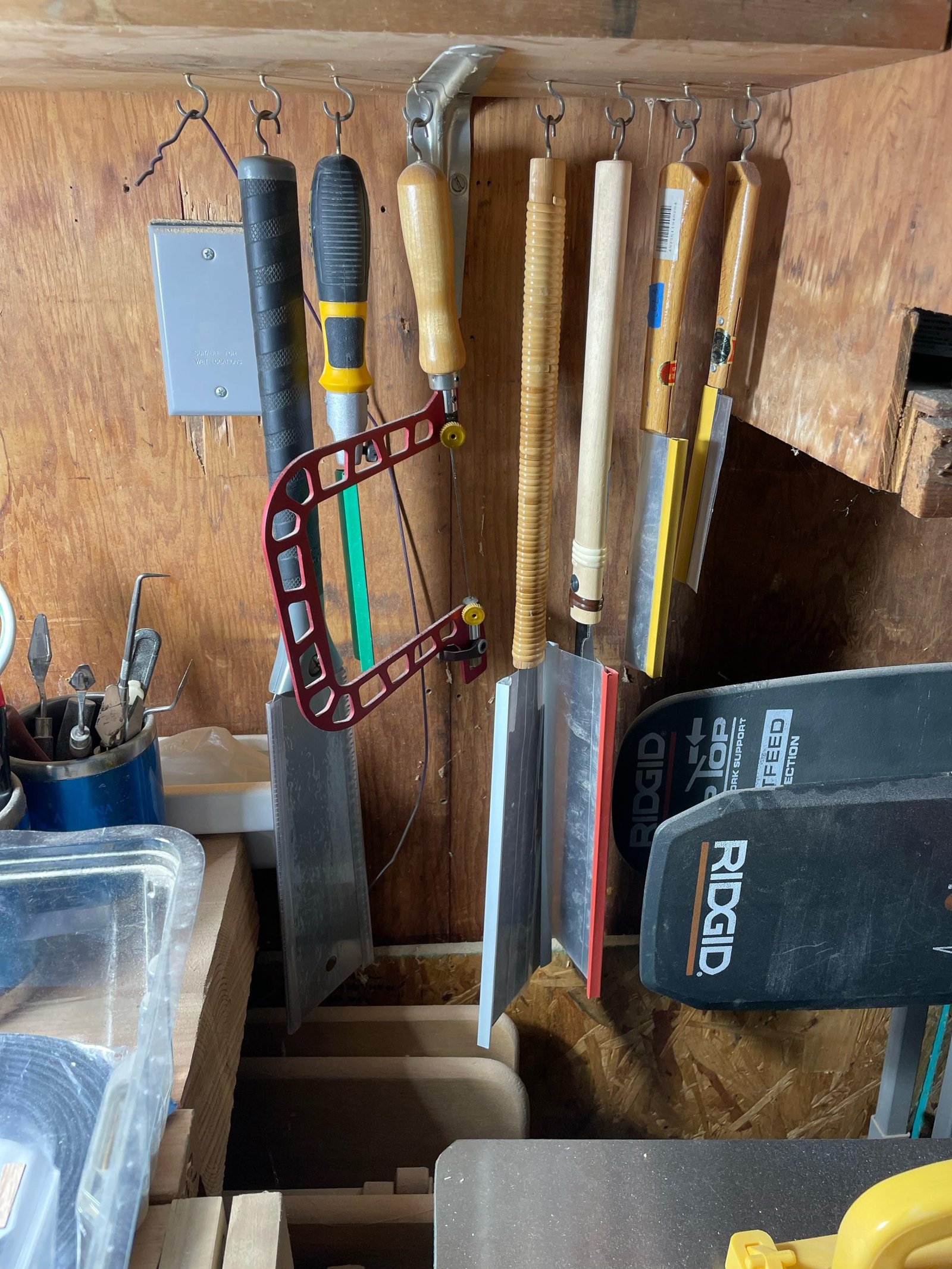
Have you ever noticed how a well-maintained hand saw can make your woodworking projects a breeze? It’s all in the details, especially when it comes to the handle.
Your hand saw’s handle isn’t just a grip; it’s the bridge between your hands and your creativity. Maintaining it can mean the difference between a smooth, effortless cut and a frustrating, uneven one. Imagine the ease of cutting through wood as if it were butter, all because you took the time to care for your tool.
In this guide, you’ll discover the simple yet effective ways to keep your hand saw handle in top shape, ensuring every cut is precise and every project is a success. Let’s dive in and unlock the secrets to a perfect grip that enhances your woodworking skills.
Credit: www.familyhandyman.com
Choosing The Right Handle Material
Picking the right handle material is key for hand saw care. The handle affects comfort and tool durability.
Wood and plastic are common choices. Each has benefits and challenges to consider.
Wood Vs Plastic Handles
Wood handles offer a natural feel and good grip. Plastic handles are lighter and resist moisture well.
- Wood handles absorb shock better.
- Plastic handles need less maintenance.
- Wood can wear with water exposure.
- Plastic may crack in cold weather.
- Wood handles can be sanded and refinished.
- Plastic handles are often cheaper.
Benefits Of Hardwood Handles
| Benefit | Description |
| Durability | Hardwoods resist dents and wear well. |
| Comfort | Hardwood handles feel warm and fit hands nicely. |
| Repairable | Scratches and dents can be sanded out. |
| Grip | Wood grain helps prevent slipping. |
| Appearance | Hardwoods have a classic, attractive look. |
Choosing hardwood means a longer-lasting handle. It also allows easy maintenance and a better grip.

Credit: www.reddit.com
Regular Cleaning Techniques
Keeping hand saw handles clean helps them last longer. Dirt and grime can cause damage over time. Regular cleaning is simple and effective.
This guide covers easy ways to remove dirt and use mild cleaners safely on your saw handles.
Removing Dirt And Debris
Start by wiping the handle with a dry cloth to remove loose dirt. Use a soft brush to clear dust from hard-to-reach places.
- Use a dry cloth to wipe the handle surface.
- Brush away dust from crevices with a soft brush.
- For sticky spots, dampen the cloth slightly with water.
- Dry the handle immediately to prevent moisture damage.
Using Mild Cleaners Safely
Choose gentle cleaners to avoid harming the wood or finish. Avoid harsh chemicals and strong detergents.
| Cleaner Type | Use Instructions | Notes |
|---|---|---|
| Warm Soapy Water | Dilute mild soap in water. Use a soft cloth to clean. | Wring out cloth well before wiping. |
| Vinegar Solution | Mix equal parts water and vinegar. Apply gently. | Good for disinfecting but avoid soaking the handle. |
| Wood Polish | Apply after cleaning. Use a soft cloth to buff. | Enhances finish and protects wood. |
Preventing Moisture Damage
Hand saw handles are often made of wood or other materials that can absorb water. Moisture can cause the handle to swell, crack, or rot. Preventing moisture damage helps keep the handle strong and safe to use.
Regular care and proper storage protect your hand saw handles from moisture. Small steps can make a big difference in how long your tool lasts.
Proper Drying Methods
After using your hand saw, always dry the handle thoroughly. Wipe it with a dry cloth to remove surface water. Do not leave it wet or damp for long periods.
Avoid drying the handle near strong heat sources like heaters or direct sunlight. These can cause the wood to crack. Let the handle air dry in a well-ventilated area instead.
- Use a clean, dry cloth to wipe the handle
- Air dry in a shaded, ventilated space
- Avoid heat sources that cause cracking
- Check handle for moisture before storage
Storing In Dry Environments
Store hand saws in places with low humidity. Moist air can make the handle absorb water slowly. A dry environment helps keep the handle stable and strong.
Use toolboxes, shelves, or cabinets away from damp areas. Avoid basements or outdoor sheds that are prone to moisture. A dry room keeps your hand saw handle safe.
- Choose storage areas with low humidity
- Keep saws off cold, damp floors
- Use protective covers if possible
- Inspect handles regularly for signs of moisture
Repairing Minor Handle Damage
Hand saw handles can get small damages from regular use. Fixing these issues keeps the saw safe and comfortable.
Minor repairs can extend the life of your saw handle. It also prevents bigger problems later.
Fixing Cracks And Splinters
Cracks and splinters weaken the handle and may cause injury. It is important to repair them quickly.
Use wood glue to fix small cracks. Apply glue inside the crack and press tightly until dry.
- Sand the area gently to remove splinters
- Fill deep cracks with wood filler
- Let all repairs dry before sanding smooth
- Apply a finish to protect the wood
Reinforcing Loose Handles
Loose handles make the saw hard to use and unsafe. Tighten or reinforce them to keep the handle steady.
Check the screws or bolts holding the handle. Tighten them with the right tool if they are loose.
- If screws are stripped, replace them with new ones
- Use wood glue around the handle joint for extra strength
- Clamp the handle until glue fully dries
- Inspect regularly to keep the handle secure
Applying Protective Finishes
Hand saw handles need care to last long and stay comfortable. Applying a protective finish keeps the wood safe from moisture and dirt. It also helps keep the handle smooth and strong.
Using the right finish and applying it correctly will make your hand saw handle look good and work well for years. Read on to learn how to protect your saw handles effectively.
Choosing The Right Oil Or Varnish
Pick an oil or varnish that protects wood without making it sticky. Oils soak into the wood and keep it from drying out. Varnishes form a thin hard layer on the surface. Each type has its benefits.
- Tung oil:Dries hard and water-resistant.
- Linseed oil:Easy to apply and keeps wood nourished.
- Danish oil:Mix of oil and varnish, gives good protection and shine.
- Polyurethane varnish:Forms a tough, clear coat but may feel less natural.
Step-by-step Application Guide
Follow these steps to apply protective finishes well. Take your time and let each layer dry before the next.
- Clean the handle with a dry cloth to remove dust and dirt.
- Lightly sand the wood with fine sandpaper for a smooth surface.
- Apply a thin coat of oil or varnish using a clean cloth or brush.
- Let the finish soak or dry as the product instructions say.
- If using oil, wipe off any extra after 15 minutes to avoid stickiness.
- Sand lightly between coats with fine sandpaper for a smooth finish.
- Apply 2 to 3 coats for best protection.
- Let the handle dry completely before use.
| Step | Action | Tip |
| 1 | Clean handle | Use a dry cloth to remove dust |
| 2 | Sand wood | Use fine sandpaper (220 grit) |
| 3 | Apply finish | Use thin, even coats |
| 4 | Dry time | Follow product instructions |
| 5 | Remove excess oil | Wipe after 15 minutes if oily |
| 6 | Sand between coats | Light sanding for smoothness |
| 7 | Repeat coats | Apply 2-3 coats total |
| 8 | Final drying | Wait before using saw |

Credit: www.reddit.com
Safe Storage Practices
Keeping your hand saw handles in good shape starts with proper storage. Safe storage helps avoid damage and extends the tool’s life.
Below are key practices to protect your hand saw handles from harm during storage.
Avoiding Extreme Temperatures
Extreme heat or cold can cause wood handles to crack or warp. Avoid leaving saws in places like garages or sheds that get very hot or cold.
- Store saws in rooms with stable temperatures
- Keep handles away from direct sunlight
- Avoid placing saws near heaters or air conditioners
- Maintain humidity levels to prevent wood drying or swelling
Using Tool Racks And Cases
Proper racks and cases protect saw handles from knocks and dust. They also keep saws organized and easy to find.
| Storage Type | Benefits | Considerations |
|---|---|---|
| Wall-mounted tool racks | Keep saws off the ground and visible | Ensure racks have padded hooks to protect handles |
| Wooden tool chests | Protect from dust and impact | Must have ventilation to avoid moisture buildup |
| Plastic or metal cases | Provide full enclosure and easy transport | Choose cases with foam padding inside |
Frequently Asked Questions
How Often Should I Oil Hand Saw Handles?
Oiling hand saw handles every few months prevents drying and cracking. Use linseed or mineral oil. Regular oiling maintains wood’s moisture and durability.
What Is The Best Way To Clean Hand Saw Handles?
Clean handles with a damp cloth and mild soap. Avoid soaking wood. Dry thoroughly to prevent swelling or damage.
How Can I Fix Loose Hand Saw Handles?
Tighten screws or bolts securing the handle. If damaged, replace the fasteners. For wood handles, use wood glue to reinforce joints.
Should I Sand Hand Saw Handles Before Oiling?
Yes, lightly sanding removes dirt and rough spots. Use fine-grit sandpaper for a smooth finish. Sanding improves oil absorption and handle feel.
Conclusion
Keeping hand saw handles clean and dry helps them last longer. Regularly check for cracks or loose screws. Sand rough spots gently to avoid splinters. Apply a light coat of oil to protect the wood. Store saws in a dry place to prevent damage.
Small efforts keep your tools safe and ready to use. Taking care of handles makes sawing easier and safer. Simple steps save money and time by avoiding repairs. Start today, and your hand saw will serve you well.