Have you ever struggled with a dull utility knife, trying to make precise cuts but ending up with jagged edges instead? A sharp utility knife is essential for a seamless cutting experience, whether you’re working on a craft project, slicing through packaging, or tackling home repairs.
Imagine the satisfaction of a perfectly honed blade gliding effortlessly through materials, saving you time and frustration. In this guide, you’ll discover the simple steps to keep your utility knives razor-sharp and ready for any task. By the end, you’ll not only enhance the efficiency of your work but also enjoy the confidence that comes with using a well-maintained tool.
Ready to transform your cutting experience? Let’s dive in and unlock the secrets to sharpening your utility knives with ease!
Choosing The Right Tools
Sharpening utility knives requires the right tools to get a sharp edge. Using the correct tool helps keep your knife safe and effective.
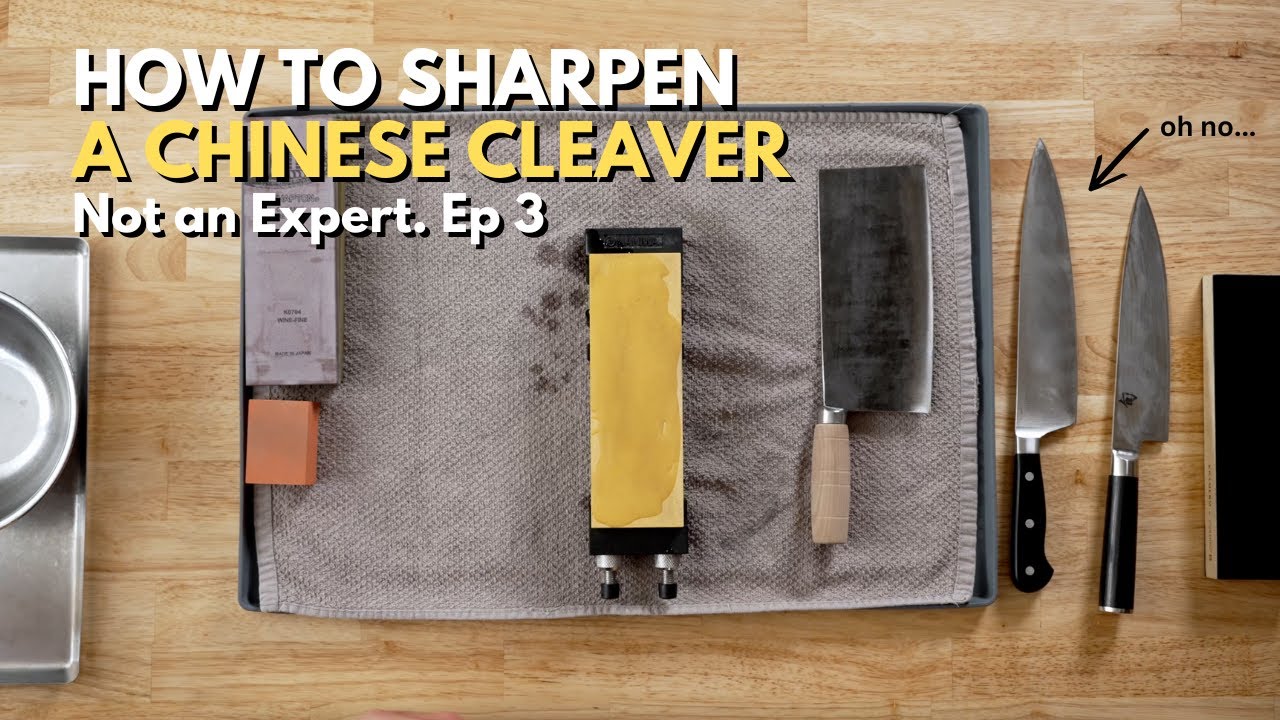
Different tools work best for different knife types and user skills. Learn about sharpening stones, honing rods, and electric sharpeners to pick what fits you.
Types Of Sharpening Stones
Sharpening stones come in many types, each with a different grit size. The grit affects how much metal the stone removes from the knife.
Coarse stones remove a lot of metal fast. Fine stones polish and refine the edge for a sharp finish.
- Coarse stones (around 220 grit) fix very dull or damaged blades
- Medium stones (around 1000 grit) sharpen knives for regular use
- Fine stones (3000+ grit) polish and smooth the edge
Using Honing Rods
Honing rods do not sharpen but straighten the knife edge. They help keep your knife sharp between sharpenings.
Honing rods come in steel, ceramic, or diamond-coated versions. Steel rods are common and good for regular use. Ceramic and diamond rods are harder and can fix small dull spots.
- Hold the rod vertically on a flat surface
- Slide the knife edge down the rod at a 20-degree angle
- Repeat on both sides for even edge alignment
Electric Sharpeners
Electric sharpeners are quick and easy to use. They have motorized wheels that grind the knife edge automatically.
These sharpeners often have multiple slots for coarse and fine sharpening. They suit people who want fast results without much skill.
- Insert the knife blade into the correct slot
- Pull the blade gently through the sharpener
- Repeat if needed, then clean the blade
Credit: www.youtube.com
Preparing Your Knife
Before sharpening your utility knife, you need to prepare it well. This helps you get a clean and safe sharpening process.
Taking time to prepare your knife makes the blade sharper and lasts longer. Start by cleaning and checking the blade carefully.
Cleaning The Blade
Remove any dirt, glue, or sticky residue on the blade. A clean blade is easier to sharpen and safer to handle.
Use warm water and mild soap to clean the blade. Dry it completely with a soft cloth before sharpening.
- Wear gloves to protect your hands from cuts.
- Use a soft brush to remove stuck debris.
- Do not soak the knife for a long time.
Inspecting For Damage
Look closely for chips, cracks, or bends on the blade. Damaged blades need special care before sharpening.
Check the blade edge under good light. Small problems can get worse if you sharpen without fixing them.
- Do not sharpen if the blade is cracked.
- Use a file for bent edges before sharpening.
- Replace the blade if damage is severe.
Sharpening Techniques
Utility knives are useful tools that need sharp edges to work well. Sharpening keeps the blade safe and effective.
There are different ways to sharpen knives. Each way has its own steps and tools.
Setting The Correct Angle
Hold the knife at the right angle for good sharpening. Most utility knives sharpen best at 20 degrees.
Keep this angle steady as you sharpen. Changing the angle can dull the blade faster.
- Use a guide if you find it hard to keep the angle.
- Practice the angle before sharpening.
- Work on one side, then switch to the other side.
Using A Sharpening Stone
Sharpening stones are flat stones that smooth the blade edge. Wet the stone with water or oil before use.
Move the knife across the stone in a circular or sweeping motion. Use light pressure and keep the angle steady.
- Start with coarse grit for dull blades.
- Use fine grit for finishing and polishing.
- Sharpen both sides evenly.
Using A Honing Rod
A honing rod does not sharpen but realigns the blade edge. Use it often to keep the blade sharp longer.
Hold the rod vertically and slide the knife down at a 20-degree angle. Repeat on the other side.
- Use light, even strokes.
- Do 5 to 10 strokes per side.
- Check the blade for smoothness.
Using An Electric Sharpener
Electric sharpeners make sharpening quick and easy. They have slots with built-in guides for the correct angle.
Turn on the sharpener and pull the knife through the slots slowly. Use light pressure and repeat if needed.
- Follow the sharpener’s instructions.
- Use coarse slots for dull blades.
- Use fine slots for finishing the edge.

Credit: www.youtube.com
Testing Blade Sharpness
It is important to check if your utility knife blade is sharp. A sharp blade cuts smoothly and safely. Testing blade sharpness helps you know when to sharpen it again.
There are simple tests you can do at home to check the sharpness. These tests use common items to see how well the blade cuts.
Paper Slice Test
Hold a piece of paper firmly in one hand. Try slicing the paper with the utility knife blade. A sharp blade will cut the paper cleanly without tearing.
If the blade tears or drags on the paper, it needs sharpening. This test is quick and shows how sharp the edge is in detail.
- Hold paper steady
- Slice with light pressure
- Check if cut is smooth
- Repeat if unsure
Tomato Test
Use a ripe tomato to test your blade. Try slicing the tomato skin with light pressure. A sharp blade cuts through skin easily without squashing the tomato.
If the blade slips or the tomato gets crushed, the blade is dull. This test shows how well the blade cuts soft surfaces.
- Choose a ripe tomato
- Cut gently through skin
- Blade should not slip
- Tomato should stay whole
Maintaining Sharpness
Keeping your utility knife sharp makes cutting easier and safer. Dull blades can cause accidents and damage materials.
Regular care helps your knife stay sharp longer. Simple habits protect the blade and improve performance.
Regular Honing
Honing realigns the blade’s edge without removing metal. It keeps the knife sharp between sharpenings.
Use a honing rod or fine stone to gently run along the blade. Do this before or after each use.
- Hold the blade at a 20-degree angle
- Run the edge along the honing surface
- Repeat 5-10 times per side
- Wipe blade clean after honing
Proper Storage
Store utility knives safely to prevent dulling and injury. Avoid loose placement in drawers.
Use blade covers or a knife block to protect edges. Keep knives dry to stop rust and corrosion.
- Keep knives in a dedicated holder
- Use blade guards or sheaths
- Store in a dry, cool place
- Separate from other tools and utensils
Safe Cleaning Practices
Clean utility knives carefully to avoid dulling edges. Harsh scrubbing or drops can damage blades.
Wash knives by hand using mild soap and warm water. Dry immediately with a soft cloth to prevent rust.
- Do not put knives in the dishwasher
- Avoid abrasive sponges or steel wool
- Handle blades gently to protect edges
- Dry knives thoroughly after washing

Credit: www.youtube.com
Frequently Asked Questions
How Often Should I Sharpen My Utility Knife?
You should sharpen your utility knife when it starts to dull. Frequent use may require sharpening every few weeks. Regular sharpening maintains cutting efficiency and safety.
What Tools Do I Need To Sharpen Utility Knives?
Common tools include sharpening stones, diamond files, or honing rods. Choose based on your knife’s blade type and your skill level.
Can I Sharpen A Utility Knife At Home?
Yes, you can sharpen utility knives at home. Use proper tools and techniques to avoid damaging the blade.
How Do I Maintain My Knife After Sharpening?
Clean and dry the blade after sharpening. Store it safely and apply oil to prevent rust and corrosion.
Conclusion
Sharpening utility knives keeps them safe and effective. Regular sharpening saves time and effort during use. A sharp knife cuts smoothly and reduces accidents. Use simple tools like a whetstone or sharpening rod. Practice sharpening often to maintain the blade’s edge.
Clean and dry your knife after sharpening to prevent rust. Taking care of your utility knife extends its life. Keep sharpening part of your routine for best results. Sharp knives make every task easier and safer.