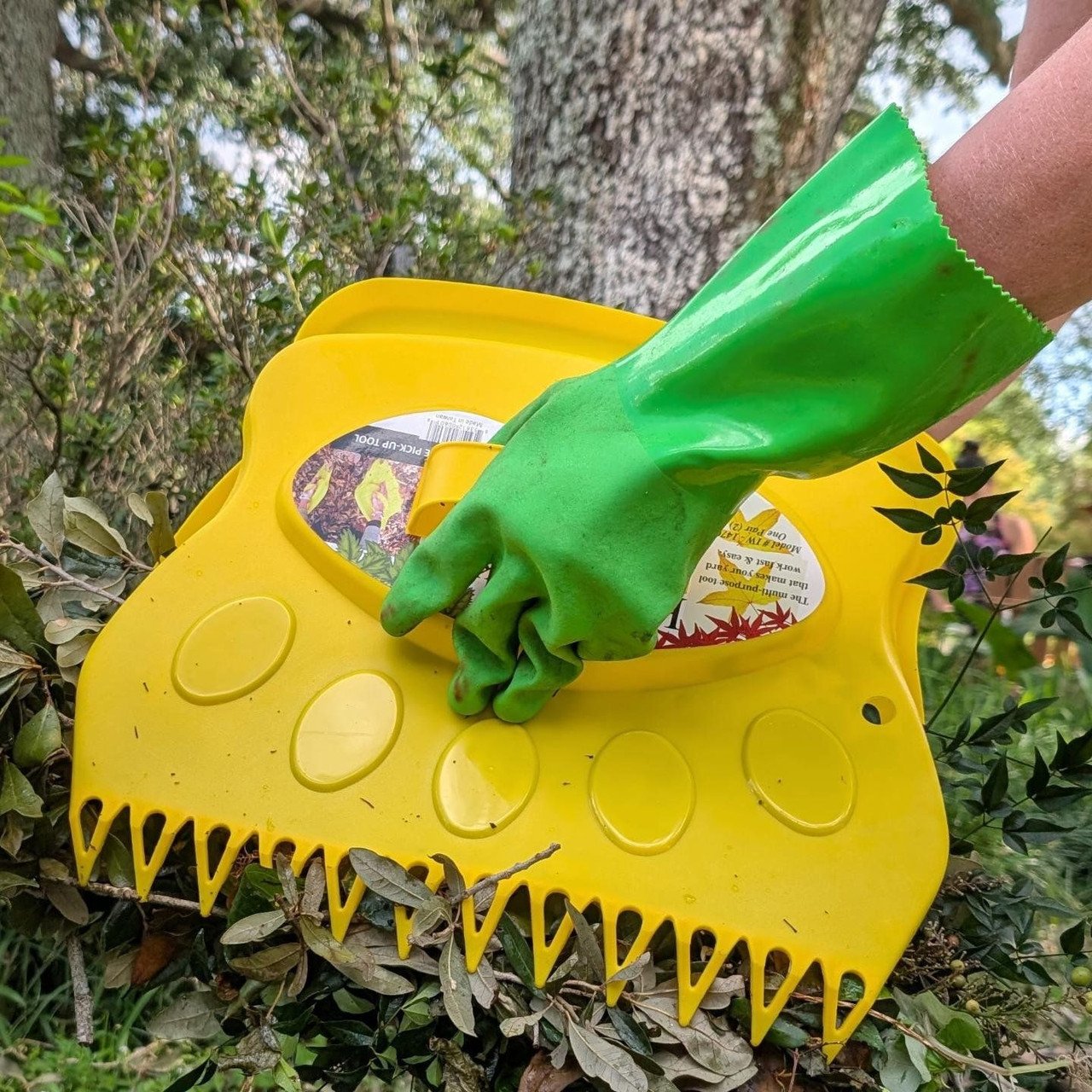
Autumn leaves create a picturesque scene, but they can also turn your yard into a mess. You might wonder how to tackle this colorful chaos efficiently.
With so many tools out there, why should you consider a hand rake for leaf collection? The answer is simple: it’s effective, easy to use, and gives you the control you need. Imagine transforming your yard into a clean, inviting space without the noise and hassle of power tools.
By the end of this article, you’ll discover how a hand rake can make your leaf collection a breeze. Let’s dive into the secrets of maximizing this humble tool, so you can enjoy a tidy yard with minimal effort.
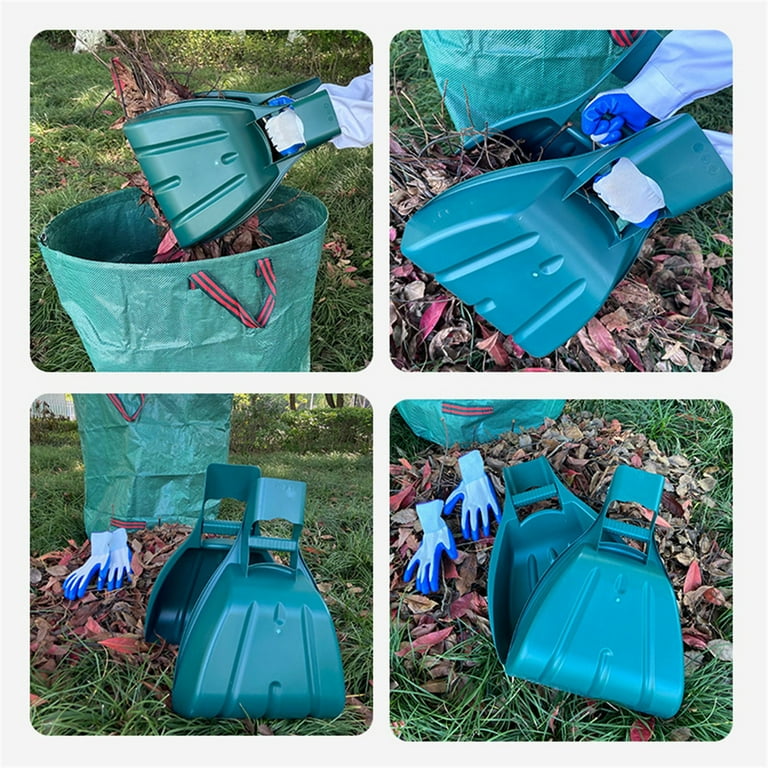
Credit: www.walmart.com
Choosing The Right Hand Rake
Using the right hand rake makes leaf collection easier and faster. Different rakes work better for different yards and needs.
Consider the rake type, material, and size before you buy. This helps you get the best rake for your work.
Types Of Hand Rakes
Hand rakes come in various types. Each type suits different leaf and yard conditions.
- Leaf Rakes:Wide heads with flexible tines for light leaves.
- Garden Rakes:Stiffer tines for heavier debris and soil.
- Adjustable Rakes:Heads that change width for different areas.
Material And Durability
Rake material affects how long it lasts and how well it works. Pick a strong, rust-resistant material for best use.
- Steel:Very durable but can be heavy and may rust.
- Aluminum:Lightweight and rust-resistant but less strong.
- Plastic:Light and gentle on grass but less durable.
- Bamboo or Wood Handles:Natural feel but can break if not treated.
Size And Handle Options
Choose a rake size that fits your height and yard size. The handle length and grip matter for comfort.
- Short handles give more control but need bending.
- Long handles reduce bending but may be harder to store.
- Ergonomic grips reduce hand strain during use.
- Adjustable handles fit different user heights.

Credit: www.everydaycheapskate.com
Preparing Your Yard For Raking
Using a hand rake for leaf collection works best when your yard is ready. Preparing your yard helps make raking easier and safer.
Before you start raking, take some time to clear obstacles, choose the right time, and dress properly. These steps improve your raking experience.
Clearing Obstacles
Look around your yard and remove any items that may block your path. Clearing obstacles helps prevent accidents and speeds up your work.
- Pick up toys, tools, and garden equipment
- Remove sticks and large branches
- Check for rocks or uneven ground
- Trim low-hanging branches that get in the way
Timing Your Raking
Choose the best time to rake leaves for easier cleanup. Weather and leaf condition affect how well you can rake.
| Time of Day | Reason |
| Morning | Dew makes leaves heavier and easier to rake |
| After Rain | Wet leaves can clump and be harder to handle |
| Windy Days | Leaves blow around, making raking more difficult |
Dressing For Comfort
Wear the right clothes to stay comfortable and safe while raking. Proper clothing helps you work longer without strain.
- Wear sturdy shoes with good grip
- Choose long sleeves and pants to protect skin
- Use gloves to prevent blisters
- Wear a hat to shield from sun
- Dress in layers for changing weather
Proper Raking Techniques
Using a hand rake correctly makes leaf collection easier and faster. It also helps protect your back and arms from strain.
Learn the right grip, posture, and motions to rake leaves efficiently and avoid common mistakes.
Correct Grip And Posture
Hold the hand rake firmly but without tension. Keep your hands about shoulder-width apart on the handle. Stand with your feet shoulder-width apart to balance your body.
Bend your knees slightly and keep your back straight. Avoid leaning too far forward or backward. This position reduces fatigue and prevents injury.
Effective Raking Motions
- Start raking leaves by pulling the rake gently toward you.
- Use smooth, short strokes to gather leaves into piles.
- Keep the rake close to the ground to catch more leaves.
- Shift your weight from one foot to the other as you rake to stay comfortable.
- Take breaks if you feel tired to avoid overworking your muscles.
Avoiding Common Mistakes
| Mistake | How to Avoid |
|---|---|
| Gripping rake too tightly | Hold handle with relaxed hands to reduce strain |
| Raking with a bent back | Keep your back straight and bend knees slightly |
| Using long, hard strokes | Use short, gentle strokes for better control |
| Standing in one position | Shift your weight and move your feet often |
Collecting And Disposing Leaves
Using a hand rake to collect leaves is simple and effective. It helps keep your yard clean and healthy.
Proper leaf disposal prevents lawn damage and supports the environment. Let’s explore how to gather and dispose of leaves.
Gathering Leaves Into Piles
Rake leaves gently to avoid damaging the grass underneath. Move leaves into small piles for easy collection.
Work in sections to cover the whole yard. Keep piles away from flower beds and walkways.
Using Leaf Bags And Composting
Use leaf bags to collect and transport leaves. Choose biodegradable bags for eco-friendly options.
Leaves also make great compost material. Add them to your compost bin to create nutrient-rich soil.
- Shred leaves before composting for faster breakdown
- Mix leaves with green materials like grass clippings
- Turn compost regularly to speed decomposition
Eco-friendly Disposal Methods
Avoid burning leaves as it pollutes the air. Use recycling or composting programs instead.
Check local leaf collection services or compost sites. These options reduce waste and help the environment.
- Drop leaves at community compost centers
- Use leaves as mulch around plants
- Support local green waste recycling programs
Maintaining Your Hand Rake
Keeping your hand rake in good shape helps it last longer. Proper care makes leaf collection easier and more effective.
Simple maintenance steps after each use can prevent damage and rust. This saves you time and money on repairs or replacements.
Cleaning After Use
Remove leaves, dirt, and debris from your rake after each use. This stops buildup that can damage the tool.
Use a stiff brush or garden hose to clean the tines. Dry the rake completely to avoid rust.
- Shake off loose leaves
- Brush dirt from tines
- Rinse with water if needed
- Dry with a cloth or air dry
Storage Tips
Store your hand rake in a dry place to protect it from moisture. This helps prevent rust and wood handle damage.
Hang the rake on a wall or place it off the ground. Avoid leaving it outside or on wet surfaces.
- Keep the rake in a shed or garage
- Hang it by the handle to keep tines straight
- Cover the rake if stored outdoors
- Check storage area for dampness
When To Replace Your Rake
Replace your hand rake if the tines bend or break easily. A damaged rake will not collect leaves well.
Also, change the rake if the handle cracks or splinters. A strong handle keeps your grip safe and comfortable.
- Tines are bent beyond repair
- Tines break off during use
- Handle shows deep cracks or splinters
- Rake feels unstable or unsafe
Troubleshooting Common Issues
Using a hand rake for leaf collection can be simple. Still, some problems may slow you down. Knowing how to fix these issues helps keep your work easy and fast.
This guide covers common problems like wet leaves, uneven ground, and large piles. Each section offers tips to solve these challenges effectively.
Dealing With Wet Or Stuck Leaves
Wet leaves stick together and to the ground. This makes raking harder and slower. Use a hand rake with flexible tines to reduce resistance. Rake slowly to avoid pushing leaves deeper into the grass.
- Use a rake with wide, spaced tines for wet leaves.
- Rake in different directions to loosen stuck leaves.
- Let leaves dry in the sun before raking if possible.
- Wear waterproof gloves to keep hands dry and comfortable.
Raking On Uneven Terrain
Uneven ground makes it hard to gather leaves evenly. Watch your footing to avoid slips and trips. Adjust your rake angle to reach low spots without straining your back.
| Terrain Issue | Tip to Fix |
| Rocky areas | Use a rake with strong, sharp tines to avoid damage. |
| Slopes | Rake across the slope, not up and down. |
| Holes or dips | Mark or fill holes to prevent accidents. |
| Thick grass patches | Lift leaves carefully to avoid pulling grass. |
Handling Large Leaf Volumes
Big piles of leaves can be heavy and take time to move. Break large piles into smaller stacks for easier handling. Use a tarp or large bag to collect and carry leaves quickly.
Try this simple checklist for managing large leaf piles:
- Rake leaves into small, manageable piles.
- Use a tarp to drag leaves to your compost or disposal area.
- Wear gloves to protect your hands from blisters.
- Take breaks to avoid fatigue during long raking sessions.

Credit: www.amazon.com
Frequently Asked Questions
What Is The Best Way To Use A Hand Rake For Leaves?
Use smooth, short strokes to gather leaves efficiently. Hold the rake firmly and work in small sections. Avoid overloading the rake to prevent damage. This method ensures quick and easy leaf collection with minimal effort.
How Often Should I Rake Leaves With A Hand Rake?
Rake leaves once or twice a week during fall. Frequent raking prevents leaves from matting and damaging grass. Timely leaf removal keeps your lawn healthy and tidy. Adjust frequency based on leaf fall intensity.
Can A Hand Rake Damage My Lawn Or Plants?
When used gently, a hand rake won’t harm your lawn. Avoid aggressive raking on delicate plants or wet grass. Using the right rake type helps protect your garden while collecting leaves. Always rake in the direction of grass growth.
What Types Of Leaves Are Easiest To Collect With A Hand Rake?
Dry, lightweight leaves are easiest to collect with a hand rake. Wet or heavy leaves may require more effort or a different tool. Regular raking prevents leaf buildup and simplifies collection. Choose a rake with flexible tines for best results.
Conclusion
Using a hand rake makes leaf collection easier and faster. Choose the right rake for your yard size. Work in small sections to avoid tiring yourself. Keep your movements smooth and steady for best results. Gather leaves into piles before bagging or composting.
Regular raking helps keep your garden clean and healthy. Enjoy the fresh look of a tidy yard after you finish. Simple tools and good habits make leaf cleanup less work. Give it a try and see the difference yourself.
