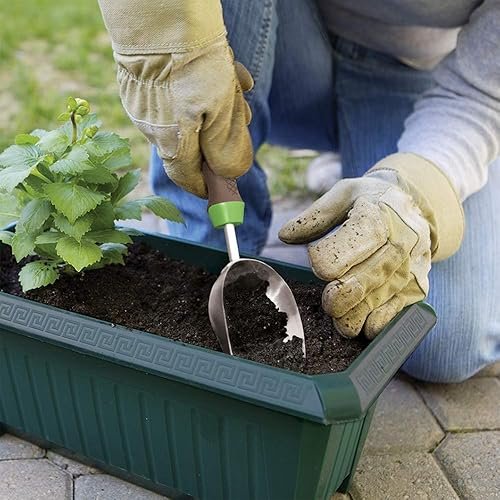
Are you tired of struggling with your soil scoop every time you work in the garden? Using a soil scoop might seem simple, but mastering it can save you time and make your gardening tasks much easier.
Imagine digging, planting, and mixing soil without the usual mess or frustration. You’ll discover practical tips that help you use your soil scoop more effectively, so your gardening feels smoother and more enjoyable. Keep reading to unlock easy ways to get the most out of your soil scoop and boost your gardening success.
Credit: www.gardengatemagazine.com
Choosing The Right Soil Scoop
Using a soil scoop makes gardening easier. Picking the right scoop helps you work faster and with less effort.
Think about the material, size, and shape before buying a soil scoop. These factors affect how well it works.
Materials And Durability
Soil scoops come in different materials. Some last longer and resist rust better than others.
Metal scoops are strong and hold up well. Plastic scoops are light but may break easily.
- Stainless steel resists rust and is very durable
- Aluminum is light but may bend under pressure
- Plastic is lightweight but less durable for heavy soil
- Wood handles give a good grip but need care to avoid splinters
Size And Shape Considerations
Choose a scoop size that fits your gardening needs. A bigger scoop moves more soil but can be heavy.
The shape affects how easy it is to dig and carry soil. Some scoops have pointed tips for hard soil.
- Small scoops work well for pots and tight spaces
- Large scoops help move soil faster in big gardens
- Rounded scoops hold soil securely when carrying
- Pointed scoops dig easily into compact soil
Preparing Your Garden Bed
Preparing your garden bed well helps your plants grow strong. Using a soil scoop makes this task easier and cleaner.
Start by clearing the area and then loosen the soil. This creates a healthy base for your seeds and plants.
Clearing Debris
Remove sticks, rocks, and dead leaves from the garden bed. This helps the soil stay clean and ready for planting.
- Use your hands or a rake to pick up debris
- Dispose of plant waste properly
- Check for any weeds and pull them out
- Clear small stones that block roots
Loosening The Soil
Loosen the soil with your soil scoop to improve air and water flow. This helps roots grow deep and healthy.
| Tool | Purpose |
| Soil Scoop | Dig and loosen soil in small areas |
| Garden Fork | Break up hard soil clumps |
| Hand Trowel | Turn soil gently without damage |
Proper Scooping Techniques
Using a soil scoop correctly helps you work faster and with less effort. Good technique protects your hands and keeps your plants healthy.
Learn how to hold the scoop and move soil smoothly. This will make gardening easier and cleaner.
Correct Grip And Angle
Hold the soil scoop with a firm but relaxed grip. Use your dominant hand near the handle end and support the scoop with your other hand if needed.
- Keep your wrist straight to avoid strain.
- Angle the scoop about 45 degrees to the soil surface.
- Insert the scoop edge first to break the soil gently.
- Lift smoothly to avoid spilling soil.
Efficient Soil Transfer
Moving soil from one place to another needs care to prevent waste and mess. Follow these tips to transfer soil cleanly.
| Tip | Reason |
| Use a container close to the scoop | Reduces soil drops and saves time |
| Hold the scoop steady over the container | Prevents soil from falling outside |
| Empty the scoop with a gentle shake | Ensures all soil is transferred |
| Clean the scoop after use | Keeps soil fresh and tool ready |
Maintaining Your Soil Scoop
Keeping your soil scoop in good shape helps it last longer. Regular care makes digging easier and faster.
Simple maintenance steps can prevent damage and keep the scoop working well. Focus on cleaning and rust prevention.
Cleaning Tips
Clean your soil scoop after every use. Dirt and moisture can cause wear and rust.
- Remove loose soil with a brush or cloth.
- Wash the scoop with water and mild soap.
- Dry the scoop completely to avoid moisture.
- Wipe metal parts with an oily rag to protect the surface.
- Store in a dry place to keep it clean and dry.
Rust Prevention
Rust can damage your soil scoop and make it less effective. Use these tips to stop rust from forming.
| Rust Prevention Tip | How It Helps |
| Keep scoop dry | Moisture causes rust to form quickly |
| Apply light oil or WD-40 | Creates a barrier to block air and water |
| Store indoors | Protects from rain and humidity |
| Inspect regularly | Catch rust spots early before they spread |
Creative Uses Beyond Scooping
A soil scoop is not just for moving soil. You can use it in many creative ways in your garden. These tips help you use your soil scoop better and save time.
Try these ideas to get more from your soil scoop. They make gardening easier and more fun.
Planting Bulbs
Use your soil scoop to dig small holes for bulbs. It helps you place them at the right depth without breaking them.
The scoop shape is perfect for making neat holes quickly. It also helps move soil back gently to avoid disturbing the bulbs.
Mixing Soil Amendments
Your soil scoop can mix compost, fertilizer, or other soil additives easily. Use it to blend amendments evenly into the soil.
The scoop’s size lets you handle small amounts at a time. This control helps you avoid overmixing or making a mess.
- Measure amendments with the scoop for accuracy
- Mix in layers to keep soil healthy
- Use the scoop to spread amendments evenly

Credit: www.amazon.com
Troubleshooting Common Issues
Using a soil scoop can be easy, but some problems may happen. Knowing how to fix these issues helps you work better.
This guide explains how to handle hard soil and wet or sticky soil with your scoop.
Dealing With Hard Soil
Hard soil makes scooping difficult and tiring. It can damage your scoop or slow your work.
To manage hard soil, try to loosen it before scooping. Use a garden fork or spade to break the soil.
- Water the soil lightly a few hours before scooping to soften it.
- Use firm pressure but avoid forcing the scoop too hard.
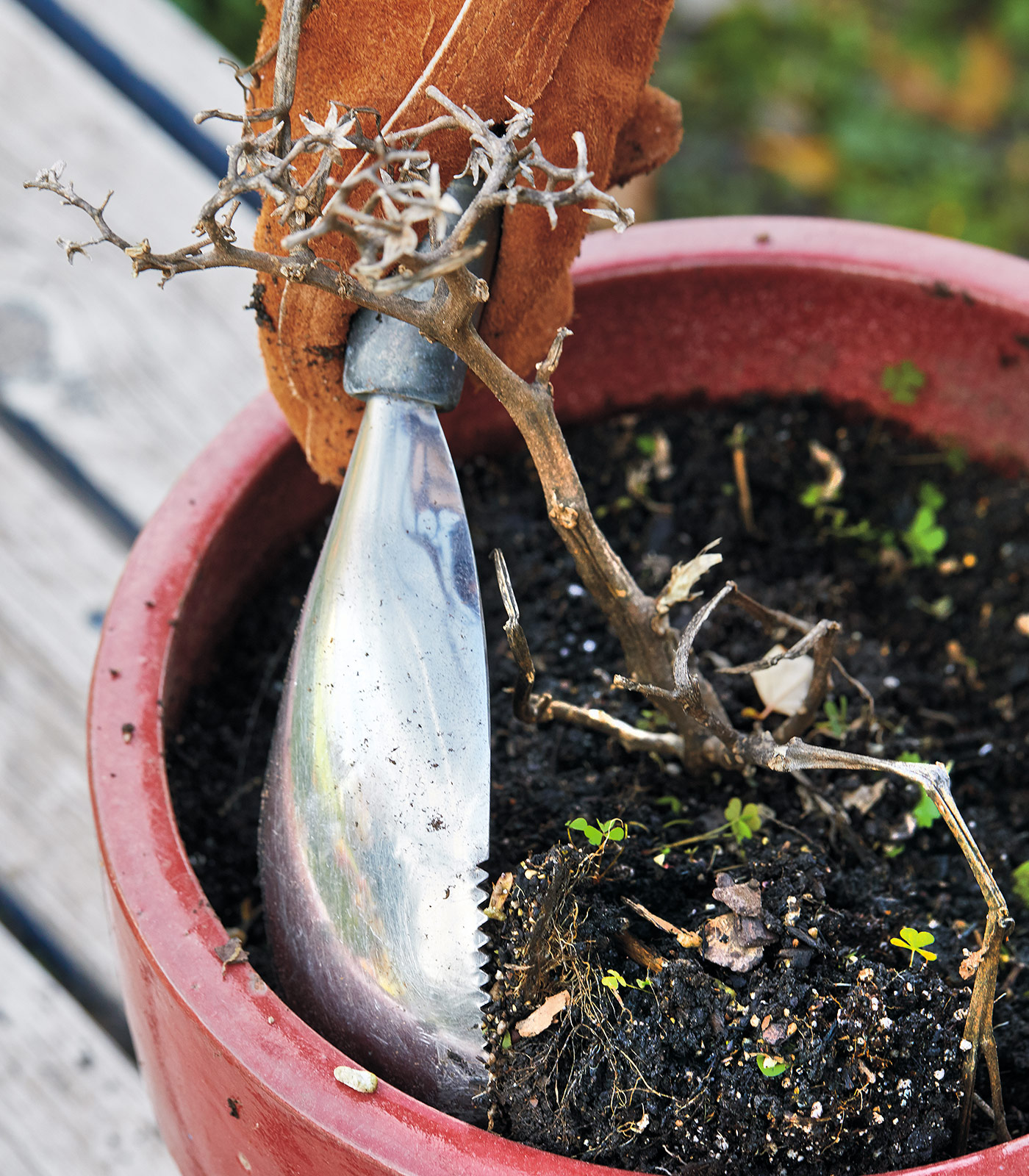
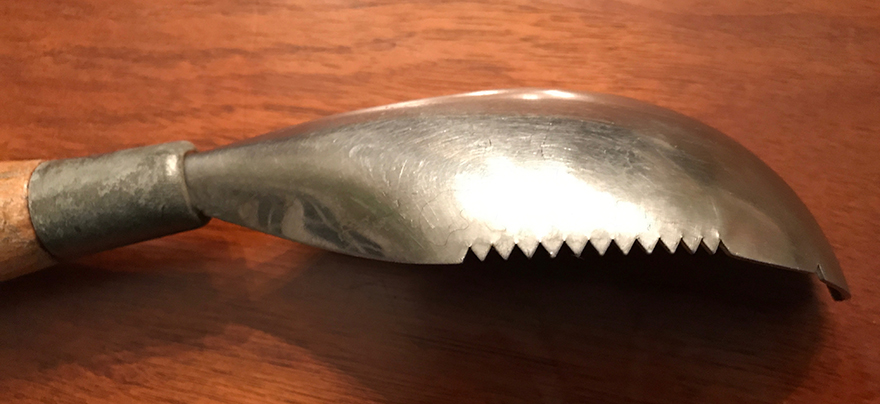
- Choose a scoop with a sharp edge to cut into tough soil.
- Work in smaller areas to avoid strain and improve control.
Handling Wet Or Sticky Soil
Wet or sticky soil can cling to your scoop and slow you down. It may also make the soil heavy to lift.
To reduce sticking, clean the scoop often while working. Dry soil on the scoop can help stop clumps.
- Spray the scoop with water before use to create a wet barrier.
- Wipe the scoop clean regularly to prevent buildup.
- Use a scoop made of non-stick material or with a smooth surface.
- Work slowly and avoid lifting too large amounts of sticky soil.
Credit: www.harvesting-history.com
Frequently Asked Questions
What Is A Soil Scoop Used For?
A soil scoop is primarily used for digging, planting, and soil manipulation. Its pointed tip and curved shape make it ideal for precision tasks. Gardeners use it for tasks like transplanting seedlings, adding soil amendments, and creating holes for planting bulbs.
It’s a versatile tool for any gardening enthusiast.
How Do You Maintain A Soil Scoop?
To maintain a soil scoop, clean it after each use to prevent rust. Sharpen the edges regularly to ensure efficient cutting. Store it in a dry place to avoid moisture damage. Oiling the metal parts occasionally will keep it in good condition and prolong its lifespan.
Can A Soil Scoop Replace A Trowel?
A soil scoop can sometimes replace a trowel for certain tasks. While a trowel is better for digging and larger planting holes, a soil scoop excels in precision work. It’s useful for scooping soil, transplanting small plants, and mixing soil amendments.
Both tools have their unique advantages in gardening.
How To Choose The Right Soil Scoop?
Choose a soil scoop based on handle comfort, material durability, and size. Opt for a scoop with an ergonomic handle for comfortable use. Stainless steel scoops are durable and rust-resistant. Consider the scoop’s size depending on your gardening needs, ensuring it fits well in your hands for optimal control.
Conclusion
Using a soil scoop correctly saves time and effort in your garden. Keep your scoop clean to avoid mixing old soil with fresh soil. Scoop gently to protect plants and roots. Practice makes your work easier and more precise. Small steps lead to better gardening results.
Enjoy the process and watch your plants grow well. A good soil scoop helps you care for your garden every day. Simple tools, smart use. That’s the key.
