If you own a miter saw, you know how important it is for your cuts to be precise and smooth every time. But did you know that without proper care, your saw can lose its accuracy and even become unsafe to use?
Keeping your miter saw in top shape doesn’t have to be complicated or time-consuming. In this guide, you’ll discover simple, effective steps to maintain your tool so it works like new for years. Ready to save time, avoid costly repairs, and get the best results from your projects?
Let’s dive into everything you need to keep your miter saw sharp and reliable.
Choosing The Right Miter Saw
Picking the right miter saw helps you work safely and accurately. It saves time and gives clean cuts.
Understanding different types and features makes choosing easier. This guide covers key points to help you decide.
Types Of Miter Saws
Miter saws come in several types, each with unique uses. Knowing their differences helps you pick the best one.
- Standard Miter Saw:Cuts wood at various angles. Good for simple projects.
- Compound Miter Saw:Tilts to cut angles on two planes. Useful for crown molding.
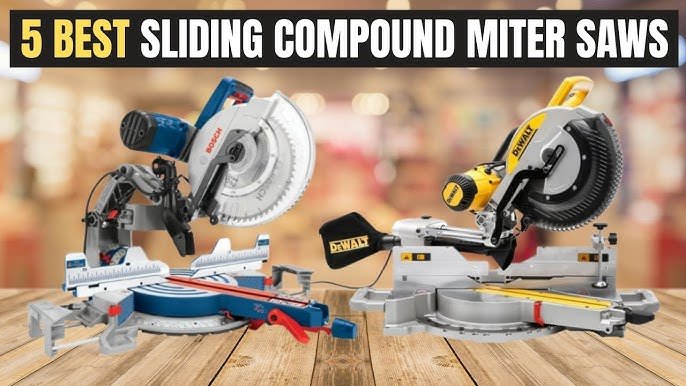
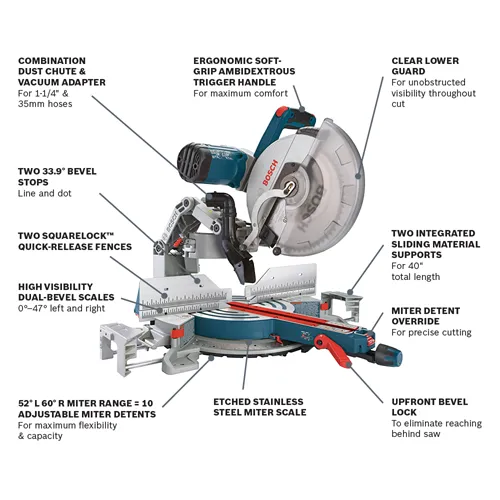
- Sliding Compound Miter Saw:Has a sliding arm for wider cuts. Ideal for large wood pieces.
- Bevel Miter Saw:Tilts in one direction to cut bevel angles. Works for precise edge cuts.
Key Features To Consider
| Feature | Why It Matters | What to Look For |
| Blade Size | Affects cutting capacity and depth | Choose 10 to 12 inches for most tasks |
| Cutting Angles | Allows angled and beveled cuts | Check for easy angle adjustments and stops |
| Sliding Capability | Increases cutting width | Needed for wide boards or lumber |
| Power | Determines cutting speed and smoothness | Look for 15 amps or more for tough jobs |
| Safety Features | Protects user during operation | Blade guards and electric brakes are important |
Daily Maintenance Routine
Keeping your miter saw in good shape helps it work better and last longer. A simple daily routine can prevent problems and ensure safety.
Spend a few minutes each day to clean and check your saw. This stops dust and debris from building up and keeps parts moving smoothly.
Cleaning The Blade And Components
Clean the blade after each use to remove sawdust and resin. This keeps the blade sharp and cuts smooth.
Also clean other parts like the guard, table, and fence. Dust can cause parts to stick or stop working right.
- Unplug the saw before cleaning
- Use a soft brush or cloth to remove dust
- Apply a blade cleaner if resin builds up
- Wipe the table and fence with a dry cloth
- Check the blade guard for dirt and clean gently
Lubricating Moving Parts
Lubricate parts that move to stop friction and wear. This helps the saw move smoothly and last longer.
Focus on pivot points, hinges, and the sliding rails. Use light machine oil or a silicone-based lubricant.
- Unplug the saw before lubrication
- Apply a small amount of lubricant on moving joints
- Wipe off excess oil to avoid dust buildup
- Move the saw arm to spread the lubricant evenly
- Check for any stiff parts and add more lubricant if needed
Blade Care And Replacement
Maintaining your miter saw blade is important for clean cuts and safety. Taking care of the blade helps it last longer.
Replacing the blade at the right time keeps your saw working well. Learn to spot dull blades and change them safely.
Signs Of A Dull Blade
A dull blade can cause rough cuts and stress the saw motor. Watch for signs that show the blade needs attention.
- The saw pushes hard while cutting
- Wood edges look rough or splintered
- Burn marks appear on the wood
- The saw makes unusual noises
- Cutting takes longer than usual
How To Replace The Blade Safely
Always unplug the saw before changing the blade. This stops the saw from turning on by accident.
Use the right tools and follow these steps to replace the blade correctly and safely.
- Remove the blade guard carefully
- Use a wrench to loosen the blade bolt
- Take off the old blade and check the direction of teeth
- Put the new blade on the same way the old one was
- Tighten the bolt securely but do not over-tighten
- Replace the blade guard before plugging the saw back in

Credit: gemma-global.com
Calibration And Alignment
Keeping your miter saw calibrated and aligned ensures accurate cuts. It helps avoid mistakes and keeps your work safe.
Regular checks and simple adjustments keep your saw working well. Focus on the bevel angle and fence alignment for best results.
Checking The Bevel Angle
The bevel angle controls the tilt of the blade. Check it often to make sure cuts are straight and accurate.
- Unlock the bevel adjustment and set the blade to zero degrees.
- Use a reliable digital angle gauge or a protractor on the blade.
- Compare the reading to the saw’s bevel scale.
- If the angle is off, loosen the bevel lock and adjust the blade until it matches zero.
- Tighten the bevel lock securely before cutting.
Aligning The Fence And Blade
The fence keeps your workpiece steady and square with the blade. Align them to avoid angled cuts and improve safety.
| Step | Action | Tool Needed |
| 1 | Set the blade to zero degrees and lock it. | Wrench |
| 2 | Place a combination square against the fence and blade. | Combination square |
| 3 | Check for gaps or misalignment between fence and blade. | Visual check |
| 4 | Loosen fence bolts and adjust fence until it is perfectly square with blade. | Screwdriver or wrench |
| 5 | Tighten bolts and recheck alignment. | Wrench or screwdriver |
Safety Checks Before Use
Before using a miter saw, safety checks are essential. These checks help prevent accidents and tool damage.
Focus on electrical parts and the blade guard. Both must work correctly for safe operation.
Inspecting Electrical Components
Check the power cord for cuts, cracks, or frays. A damaged cord can cause electrical shock or fire.
- Look for loose connections or exposed wires.
- Test the power switch to ensure it turns on and off smoothly.
- Make sure the plug fits tightly into the outlet.
- Verify that the saw’s motor runs without strange noises.
Ensuring Proper Blade Guard Function
The blade guard protects you from the saw blade. It must move freely and cover the blade completely.
| Blade Guard Check | What to Look For | Action Needed |
|---|---|---|
| Movement | Guard should move up and down smoothly | Clean or lubricate if stiff |
| Coverage | Guard must cover blade when not cutting | Replace if damaged or missing |
| Damage | No cracks or breaks in the guard | Replace immediately |

Credit: gemma-global.com
Storage Tips For Longevity
Proper storage keeps your miter saw safe and working well. It helps avoid damage and extends the tool’s life.
Learn how to protect your saw from dust and moisture. Also, understand the best ways to store it.
Protecting From Dust And Moisture
Dust and moisture can harm your miter saw. Dust can clog moving parts. Moisture can cause rust and electrical problems.
- Cover your saw with a dust-resistant cover after use.
- Store the saw in a dry place, away from water sources.
- Use silica gel packs or moisture absorbers near the saw.
- Clean the saw regularly to remove dust and debris.
- Check for rust spots and treat them promptly.
Proper Storage Positions
How you position your miter saw affects its safety and performance. Keep it stable and avoid stress on parts.
| Storage Position | Benefits |
| Flat on a sturdy surface | Prevents tipping and damage |
| Blade lowered and locked | Protects blade and reduces accidents |
| Remove battery (if cordless) | Prevents battery drain and damage |
| Keep away from heavy objects | Avoids accidental falls and dents |
Troubleshooting Common Issues
Miter saws can face problems that stop them from working well. Fixing these issues quickly helps keep your projects on track.
This guide covers common troubles with miter saw motors and cutting accuracy. Follow the tips to solve these problems.
Fixing Motor Problems
If the motor does not start or runs weakly, check the power source and connections. Dirty or worn brushes can also cause motor trouble.
- Inspect the power cord for damage or loose plugs.
- Clean the motor vents to remove dust and debris.
- Replace worn carbon brushes to restore motor power.
- Check the motor switch for proper function.
- Lubricate motor bearings if they are dry or noisy.
Resolving Inaccurate Cuts
Inaccurate cuts can ruin your work. Check the blade alignment and fence position to fix these issues.
| Issue | Possible Cause | Solution |
| Blade cuts not square | Misaligned blade or fence | Adjust the blade angle and fence to 90 degrees |
| Cut length too short or long | Incorrect fence positioning | Reposition fence to the correct measurement |
| Blade drifts during cut | Dull blade or loose components | Sharpen or replace blade; tighten screws |
Upgrading And Accessorizing
Keeping your miter saw updated helps you work better and safer. Adding new parts and tools can make cutting easier and more precise.
Knowing when to add accessories or upgrade your saw can save time and money. This guide covers useful add-ons and signs it is time to upgrade.
Useful Add-ons
Accessories improve your saw’s performance and comfort. Some add-ons help you cut faster, while others make your work safer.
- Laser guides for accurate cuts
- Clamp systems to hold materials steady
- Dust collection attachments for cleaner work
- Extension wings to support longer boards
- Replacement blades for different materials
When To Upgrade Your Saw
Upgrade your miter saw when it no longer meets your needs. Signs include slower cuts, poor accuracy, or safety concerns.
| Sign | What It Means |
| Blade dulls quickly | Needs better blade or upgrade |
| Motor struggles | Power is too low for tasks |
| Inaccurate cuts | Calibration or new saw needed |
| Frequent repairs | Upgrade is more cost-effective |
| New project types | Different features required |
Credit: www.boschtools.com
Frequently Asked Questions
How Often Should I Clean My Miter Saw?
To maintain optimal performance, clean your miter saw after each use. Regular cleaning prevents dust buildup, ensuring smooth operation and precision. Use a brush or compressed air to remove debris from the blade and motor housing. Periodically check for loose screws and tighten them as needed.
What Lubricant Is Best For Miter Saws?
Use a lightweight machine oil or silicone spray to lubricate your miter saw. These lubricants reduce friction and wear on moving parts, extending the tool’s lifespan. Apply the lubricant sparingly to the pivot and slide rails. Avoid using heavy grease, as it can attract dust and debris.
How Do I Align My Miter Saw Blade?
To align your miter saw blade, first, unplug the saw. Loosen the bevel and miter adjustments. Use a square to ensure the blade is perpendicular to the table. Adjust the bevel and miter angles as needed, then retighten. Regular alignment ensures accuracy and clean cuts.
Why Is My Miter Saw Making Unusual Noises?
Unusual noises may indicate a loose part or debris in the saw. Turn off and unplug the saw. Inspect for loose screws or debris lodged in the blade or motor housing. Tighten any loose components and remove obstructions. If the noise persists, consult the manufacturer’s manual.
Conclusion
Maintaining your miter saw keeps it safe and working well. Clean the blade and check the parts often. Tighten screws and oil moving pieces regularly. This care helps your saw cut smoothly and last longer. Small steps now save time and money later.
Keep your saw ready for every project. Simple upkeep makes big differences in performance. Stay safe and enjoy better results with your miter saw.