Are your chisel blades not cutting as smoothly as they used to? Dull chisels can make your woodworking frustrating and slow.
But don’t worry—sharpening your chisel blades is easier than you think. This guide will show you simple, step-by-step techniques to bring your blades back to life. By the end, you’ll save time, work more precisely, and enjoy every project even more.
Ready to make your chisels sharp and reliable again? Let’s get started!

Credit: beavercrafttools.com
Choosing The Right Sharpening Tools
Choosing the right tools is important to keep your chisel blades sharp. Using proper equipment makes sharpening easier and safer.
There are different tools available for sharpening. Knowing their uses helps you pick the best one for your needs.
Types Of Sharpening Stones
Sharpening stones come in many types. Each type has a different grit level for various sharpening stages.
- Coarse stones remove chips and reshape edges quickly.
- Medium stones refine the edge after coarse sharpening.
- Fine stones polish the blade for a smooth finish.
- Waterstones need soaking before use and cut fast.
- Oilstones use oil for lubrication and last longer.
- Synthetic stones are consistent and easy to maintain.
Using Honing Guides
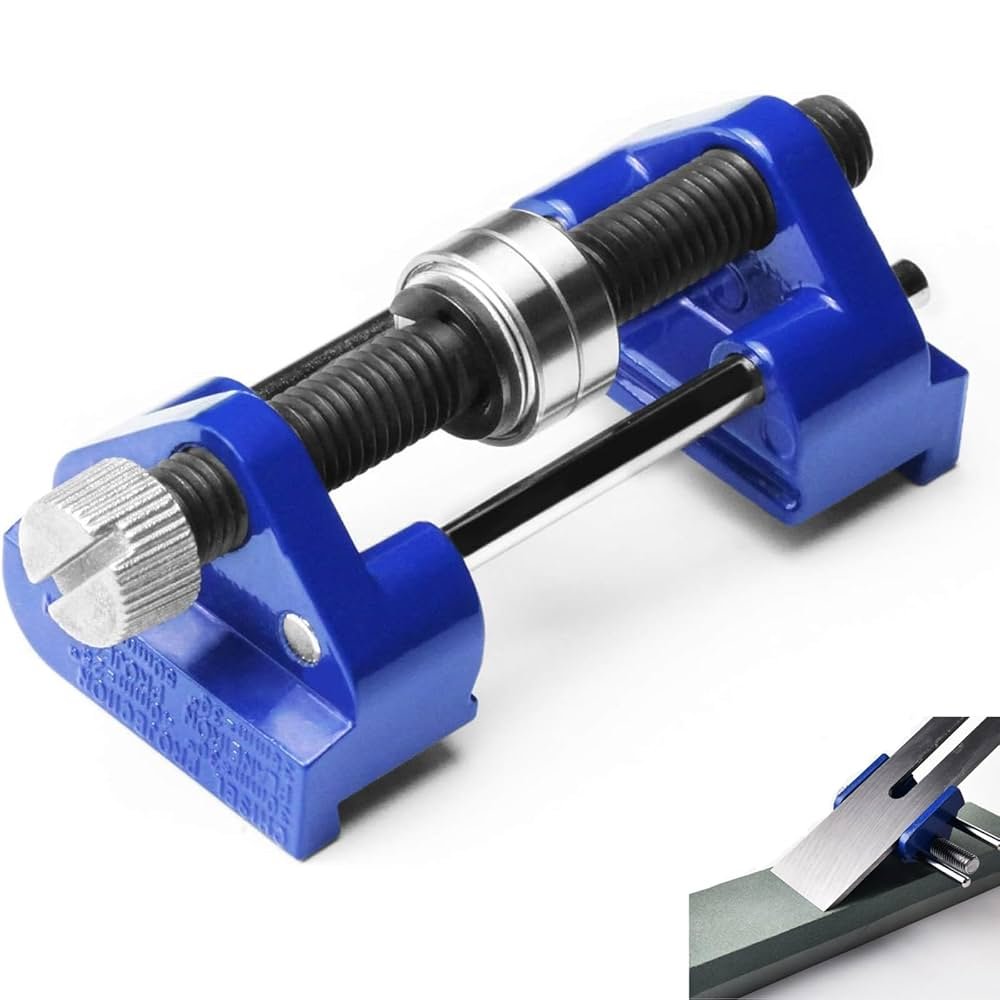
Honing guides help keep a steady angle while sharpening. They make the process accurate and repeatable.
| Type | Description | Best For |
| Clamp guides | Hold the blade firmly at a fixed angle | Beginners and precise sharpening |
| Roller guides | Use a rolling action to maintain angle | Quick touch-ups |
| Magnetic guides | Attach magnetically to the blade | Convenient and easy setup |
Additional Accessories
Some extra tools improve sharpening results and safety. They help you work faster and better.
- Leather stropspolish the edge and remove burrs.
- Lubricantslike oil or water reduce friction on stones.
- Sharpening jigshold blades steady for angled sharpening.
- Angle findersmeasure sharpening angles precisely.
Preparing The Chisel For Sharpening
Preparing your chisel before sharpening makes the process easier and more effective. Proper preparation helps keep the blade safe and improves the sharpening results.
This guide covers how to clean the blade, check for damage, and set the right angle for sharpening.
Cleaning The Blade
Remove dirt, rust, and old oil from the chisel blade. Clean blades sharpen better and last longer. Use a soft cloth and mild cleaner to wipe the blade gently.
- Use a cloth dampened with soapy water for light dirt.
- Apply rust remover carefully if rust is present.
- Dry the blade completely before moving on.
- Use fine steel wool for stubborn grime.
Checking For Damage
Look closely at the chisel blade for chips, nicks, or bends. Small damage can affect sharpening and cutting quality. Catching issues early helps fix them before sharpening.
| Type of Damage | Signs to Look For | Action Needed |
| Chips | Small missing pieces on the edge | Remove damaged area by grinding |
| Nicks | Irregular dents or rough spots | Sharpen carefully to smooth out |
| Bends | Blade not straight or warped | Use a hammer and anvil to straighten |
Setting The Angle
Sharpening at the correct angle keeps the chisel effective and safe. Most chisels sharpen between 25 and 30 degrees. Use a guide or jig to keep the angle steady.
Here is a simple checklist to set your sharpening angle:
- Check manufacturer’s recommended angle if available.
- Use an angle guide to hold the chisel steady.
- Practice holding the angle before sharpening.
- Keep the angle consistent during all strokes.
Sharpening Techniques
Sharpening chisel blades is essential for clean, precise cuts. Using the right techniques keeps blades sharp and safe.
This guide explains important sharpening techniques. Learn how to grind the bevel, create a secondary bevel, and use water or oil.
Grinding The Bevel
Grinding the bevel restores the blade’s edge by removing dull metal. Use a bench grinder or sharpening stone for this step.
Keep the bevel angle steady while grinding. Avoid overheating the blade by dipping it in water often.
- Hold the chisel firmly at the correct bevel angle
- Move the blade smoothly across the grinding surface
- Cool the blade frequently to prevent damage
Creating A Secondary Bevel
A secondary bevel is a small, sharper angle at the blade edge. It improves cutting performance and edge durability.
Create this bevel using a finer sharpening stone. It makes the chisel easier to sharpen and keeps the edge strong.
- Use a fine grit stone for the secondary bevel
- Sharpen only the edge, keeping the main bevel intact
- Maintain a consistent, small angle for the secondary bevel
Using Water Or Oil
Water or oil helps lubricate sharpening stones. This reduces friction and keeps the stone clean during sharpening.
Use water with water stones and oil with oil stones. Never mix the two or use too much lubricant.
- Apply lubricant evenly on the sharpening stone
- Use water stones with water only
- Use oil stones with light honing oil
- Keep the stone surface clean for better sharpening

Credit: woodworkersinstitute.com
Honing For A Razor Sharp Edge
Honing a chisel blade gives it a sharp edge for clean cuts. It is the final step after sharpening.
This guide covers how to hone your chisel for the best results.
Selecting The Right Grit
Choose a honing stone with the right grit for your blade. Finer grits create sharper edges.
Start with a medium grit if your blade is dull. Use a fine grit to finish the edge.
- Coarse grit (200-400) removes chips and reshapes
- Medium grit (800-1200) sharpens edges
- Fine grit (3000-8000) polishes and hones
Maintaining Consistent Strokes
Use steady and even strokes to keep the edge uniform. Consistency improves sharpness.
Move the blade in the same direction and angle each time. Avoid changing pressure or speed.
- Hold the chisel at the correct bevel angle
- Use smooth, long strokes along the stone
- Count strokes to ensure even sharpening
Removing The Burr
A burr is a tiny metal edge that forms during honing. Removing it reveals a sharp blade.
Gently flip the chisel and rub the back flat on the stone. This removes the burr cleanly.
- Check for burr by running your finger lightly
- Use light pressure on the flat side to remove it
- Finish with a few strokes on fine grit stone
Testing The Sharpness
Sharpening a chisel blade is not complete without testing its sharpness. Checking helps ensure the blade cuts smoothly and safely. There are simple methods to test sharpness.
Use these tests after sharpening to confirm the blade’s edge is ready for work. Each test shows different signs of sharpness and blade condition.
Paper Test
The paper test shows if the blade can slice cleanly. Use a sheet of plain paper and try to cut it with the chisel edge.
- Hold the paper firmly on a flat surface.
- Gently press the chisel edge onto the paper.
- Pull the blade through the paper in one smooth motion.
- Look for a clean cut without tearing or snagging.
- Repeat if necessary to check consistency.
Wood Cutting Test
Cutting into wood shows how the blade performs under real use. Use a softwood block for this test.
| Test Action | What to Look For |
| Make a light cut into the wood | Blade should enter smoothly without force |
| Try shaving thin layers | Shavings should be thin and even |
| Check for rough or torn wood | Smooth cuts mean sharp edge; rough means dull |
Visual Inspection
Look closely at the chisel edge under good light. A sharp edge looks thin and even.
- No chips or dents on the edge
- Consistent bevel angle along the blade
- Shiny edge with no rounded spots
Maintaining Sharp Edges
Keeping chisel blades sharp is important for good work. Sharp edges make cutting easier and safer.
Regular care helps your chisels last longer and perform better every time.
Regular Honing Schedule
Honing your chisels often keeps the edges sharp and ready. Use a honing stone or a strop for best results.
Check the blade before each use and hone it if it feels dull or rough.
- Hone after every few hours of work
- Use light pressure to avoid removing too much metal
- Keep the honing angle steady for consistent edges
Proper Storage Tips
Store chisels properly to protect the sharp edges. Avoid places where blades can bump or rub against hard surfaces.
Use blade guards or covers to keep edges safe and dry. Moisture can cause rust that dulls the blade.
- Keep chisels in a wooden rack or tool roll
- Use plastic or leather blade covers
- Store in a dry place away from humidity
Avoiding Common Mistakes
Many people damage chisels by using wrong techniques. Avoid using chisels on nails or hard materials.
Do not apply too much force when sharpening. This can change the blade shape and reduce sharpness.
- Do not use chisels as pry bars
- Keep sharpening angle consistent
- Avoid skipping regular honing sessions
- Do not store chisels loose in a toolbox

Credit: woodworkersinstitute.com
Frequently Asked Questions
How Often Should I Sharpen Chisel Blades?
You should sharpen chisel blades when they become dull. Regular sharpening every few months is ideal. It depends on usage frequency. Frequent users may need to sharpen weekly. Sharp tools ensure precision and safety. Always inspect your chisels for sharpness before starting a project.
What Tools Are Needed To Sharpen Chisels?
To sharpen chisels, you’ll need a sharpening stone or diamond plate. A honing guide helps maintain the correct angle. You might also need a leather strop for polishing. These tools ensure a sharp, efficient edge. Proper equipment enhances the sharpening process and prolongs chisel life.
Can I Sharpen Chisels With A Grinder?
Yes, you can use a grinder to sharpen chisels. Be cautious to avoid overheating. Overheating can damage the blade’s temper. Use a light touch and constant movement. Finish with a sharpening stone for a polished edge. This method can quickly restore dull blades.
How Do I Maintain Chisel Sharpness?
To maintain chisel sharpness, store them properly and avoid moisture. Use a protective cover when not in use. Regularly hone them with a strop or fine stone. Avoid cutting materials that can damage the edge. These practices ensure long-lasting sharpness and efficiency.
Conclusion
Sharpening chisel blades keeps your tools ready for work. Regular care improves cutting and extends blade life. Use the right angle and steady strokes each time. Clean and store blades properly after sharpening. Small steps make a big difference in results.
Practice often to gain confidence and skill. Your chisels will perform better and last longer. Keep these tips in mind for smooth, sharp edges. Easy sharpening means better projects and less frustration. Give your chisels the care they deserve.