
Transplanting seedlings can feel tricky, but it doesn’t have to be. If you want your young plants to grow strong and healthy, knowing how to move them safely is key.
In this guide, you’ll discover simple steps that protect your seedlings from shock and help them thrive in their new home. Whether you’re a beginner or have some experience, these tips will make your transplanting process smooth and successful. Keep reading to unlock the secrets of safe seedling transplanting and watch your garden flourish!
Credit: homelyhens.com
Preparing Seedlings For Transplant
Transplanting seedlings helps your plants grow strong outside. Preparing seedlings carefully reduces shock and damage.
Good preparation means your seedlings will adjust faster to their new home. This guide covers key steps for success.
Choosing The Right Time
Transplant seedlings when the weather is mild. Avoid very hot or cold days to keep plants safe.
Look for strong, healthy growth before moving seedlings outdoors. This gives them a better chance to survive.
- Choose a cloudy or cool day
- Transplant in the morning or late afternoon
- Wait until seedlings have a few true leaves
Hardening Off Seedlings
Hardening off means slowly exposing seedlings to outdoor conditions. This helps them get used to sun, wind, and temperature changes.
Start by placing seedlings outside for a few hours each day. Increase time outside over one to two weeks.
- Begin with 1-2 hours in shade
- Gradually add more sunlight daily
- Bring seedlings indoors at night
- Watch for signs of stress and adjust time
Selecting Healthy Plants
Pick seedlings that look strong and healthy. Avoid plants with yellowing leaves or weak stems.
Check roots by gently removing some soil. Healthy roots are white and spread well without damage.
- Choose seedlings with firm stems
- Look for vibrant green leaves
- Avoid plants with spots or holes
- Check for healthy, white roots
Selecting The Perfect Location
Choosing the right spot for your seedlings is very important. The location affects how well plants grow and stay healthy.
Consider soil, sunlight, and space to give your seedlings the best chance to thrive.
Soil Requirements
Good soil helps seedlings take root and get nutrients. The soil should be loose, well-drained, and rich in organic matter.
- Check the soil texture; sandy loam works well.
- Make sure the soil does not stay waterlogged.
- Mix compost to improve fertility and structure.
- Test soil pH; most plants like a pH between 6 and 7.
Sunlight And Shade Needs
Seedlings need the right amount of light to grow strong. Some plants like full sun, while others prefer shade.
| Plant Type | Sunlight Needed |
| Tomatoes | Full sun (6-8 hours) |
| Lettuce | Partial shade |
| Herbs | Full sun to partial shade |
| Spinach | Partial shade |
Spacing Considerations
Give seedlings enough room to grow without crowding. Proper spacing helps air flow and stops disease.
- Check seed packet for spacing recommendations.
- Leave space between rows for easy access.
- Avoid planting too close to trees or large plants.
- Use thinning to keep the strongest seedlings.
Tools And Materials Needed
Transplanting seedlings needs the right tools and materials. Using proper items helps plants grow strong.
Gather all tools before you start. This makes the process smooth and safe for your seedlings.
Essential Gardening Tools
You need several tools to move seedlings safely. These tools protect roots and prevent damage.
- Hand trowel for digging small holes
- Garden gloves to protect your hands
- Seedling trays for carrying young plants
- Pruning shears to trim damaged leaves
- Labels to mark plant types
Soil Amendments
Good soil helps seedlings grow after transplanting. Amendments improve soil quality and drainage.
Use these materials to enrich your soil. They add nutrients and keep soil loose for roots.
- Compost to add organic matter
- Perlite or vermiculite for aeration
- Peat moss to retain moisture
- Balanced fertilizer for nutrients
- Garden lime to adjust soil pH
Watering Equipment
Water seedlings gently after transplanting. Proper watering helps them settle into new soil.
Choose watering tools that give soft, even water flow. Avoid strong sprays that harm seedlings.
- Watering can with a fine rose
- Spray bottle for misting leaves
- Drip irrigation system for steady water
- Soaker hose for deep watering
- Moisture meter to check soil dampness
Credit: www.permaculturegardens.org
Step-by-step Transplanting Process
Transplanting seedlings is an important task to help plants grow strong. Doing it carefully keeps roots safe and plants healthy.
This guide shows how to move seedlings step-by-step. Follow these steps for the best results in your garden.
Preparing The Planting Hole
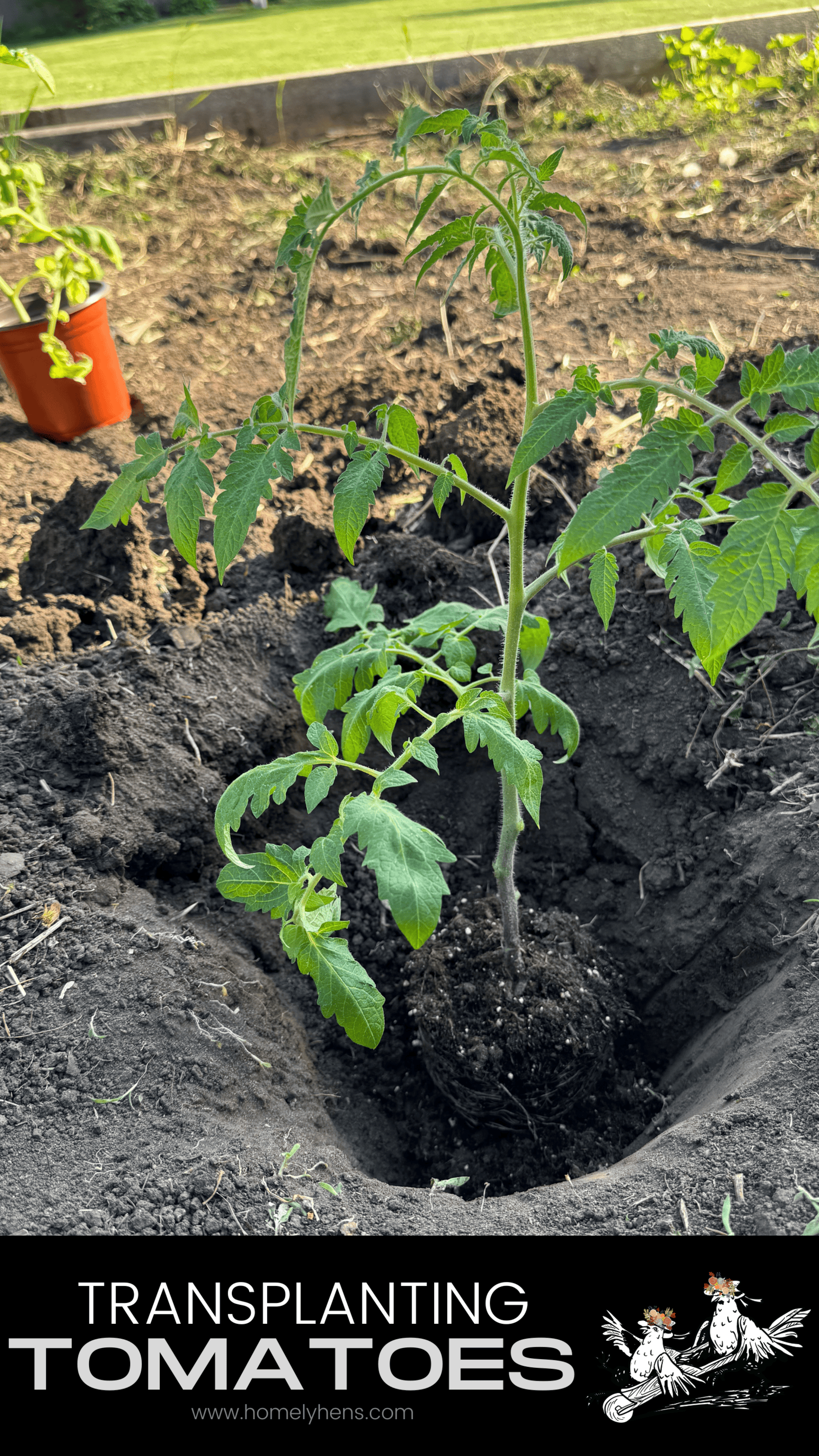
Make a hole that fits the seedling’s root ball well. The hole should be wide and deep enough for roots to spread.
Loosen the soil around the hole so roots can grow easily after planting.
- Dig the hole twice the size of the root ball
- Make the hole deep enough so the seedling sits at the same soil level
- Loosen soil at the bottom and sides of the hole
Removing Seedlings Gently
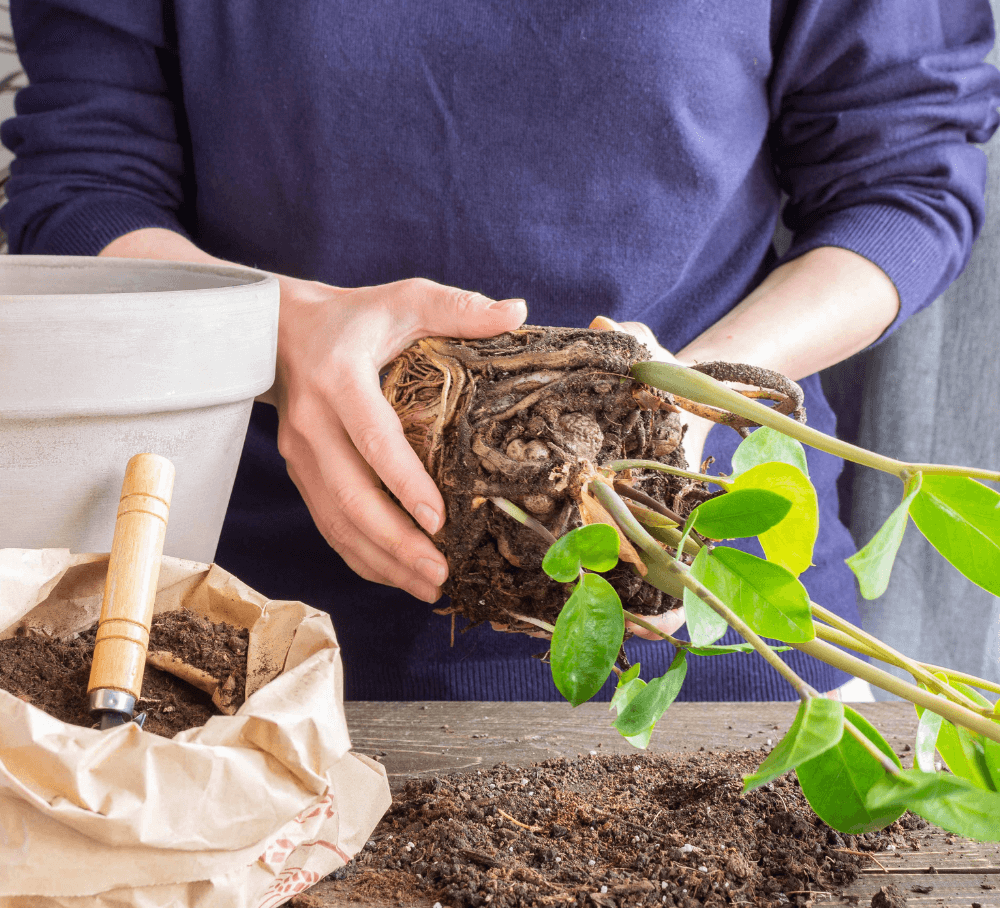
Handle seedlings carefully to avoid breaking roots or stems. Use a small tool if needed to lift them from trays or pots.
Keep the root ball intact while moving the seedling to the new spot.
- Water seedlings a few hours before transplanting
- Hold seedlings by their leaves, not stems
- Use a small trowel or spoon to lift seedlings
- Avoid shaking or dropping seedlings
Planting And Firming Soil
Place the seedling in the hole carefully. Fill the hole with soil around the roots without leaving air pockets.
Press the soil gently to support the seedling and keep it upright.
- Set seedling at the same depth as before
- Fill soil slowly around roots
- Press soil with fingers to remove air pockets
- Do not compact soil too hard
Initial Watering Techniques
Water seedlings immediately after planting. This helps settle the soil and reduce transplant shock.
Use gentle watering to avoid washing away soil or damaging roots.
- Use a watering can with a fine rose
- Water slowly and evenly around the base
- Keep soil moist but not soaked
- Water in the early morning or late afternoon
Post-transplant Care Tips
After moving seedlings to a new spot, they need extra care. This helps them grow strong and healthy.
Good care after transplant keeps plants safe from stress and damage. It helps roots settle well.
Watering Schedule
Keep soil moist but not soaked after transplanting. Water seedlings gently to avoid root damage.
Watering in the morning is best. It gives plants time to dry before night and reduces disease risks.
- Check soil daily for dryness
- Water deeply to help roots grow down
- Reduce watering as plants grow stronger
Mulching Benefits
Mulch helps keep soil moist longer. It also stops weeds from growing near seedlings.
Mulching keeps soil temperature steady. This protects roots from cold or heat stress.
- Use organic mulch like straw or leaves
- Apply 2-3 inches around seedlings
- Keep mulch a little away from stems
Protecting From Pests And Diseases
Check seedlings often for signs of pests or diseases. Early detection helps stop problems fast.
Keep the area clean by removing dead leaves and debris. This lowers the chance of pests and illness.
- Use natural pest repellents like neem oil
- Space plants to improve air flow
- Remove infected plants quickly

Credit: migardener.com
Troubleshooting Common Issues
Transplanting seedlings can be tricky. Problems like wilting, leaf drop, and root damage often happen.
Fixing these issues quickly helps seedlings grow strong and healthy. Learn how to spot and solve common troubles.
Wilting And Leaf Drop
Wilting and leaf drop show the seedling is stressed. It may lack water or get too much sun.
- Water seedlings right after transplanting.
- Keep them in shade for a few days.
- Check soil moisture daily to avoid drying out.
- Use a gentle spray of water to avoid damage.
Root Damage Prevention
Roots break easily during transplant. Damaged roots slow growth or kill seedlings.
| Cause | Prevention |
|---|---|
| Pulling seedlings too hard | Loosen soil gently before lifting |
| Removing too much soil | Keep soil around roots intact |
| Dry roots during transplant | Keep roots moist until planted |
| Planting too deep or shallow | Match original soil depth carefully |
Dealing With Transplant Shock
Transplant shock is stress causing slow growth and droopy leaves. It lasts a few days to weeks.
- Water seedlings deeply after transplant.
- Keep soil moist but not waterlogged.
- Protect seedlings from wind and direct sun.
- Use a light fertilizer after one week.
- Be patient as plants adjust to new soil.
Frequently Asked Questions
How To Prepare Soil For Transplanting Seedlings?
To prepare soil, ensure it’s loose, well-draining, and rich in organic matter. Incorporate compost or aged manure to boost nutrients. Test pH levels for optimal growth conditions, adjusting as necessary. Remove weeds and debris. Moisten the soil slightly before transplanting to prevent root shock and promote healthy growth.
When Is The Best Time To Transplant Seedlings?
The best time to transplant seedlings is during the early morning or late afternoon. Avoid transplanting during the hottest part of the day to prevent stress. Choose a day when the weather is mild and overcast. This helps seedlings adjust to their new environment and reduces the risk of wilting.
How Do You Avoid Transplant Shock?
To avoid transplant shock, harden off seedlings by gradually exposing them to outdoor conditions. Ensure roots are moist before transplanting. Handle seedlings gently, avoiding damage to roots. Water immediately after transplanting to settle the soil. Mulch around the base to retain moisture and regulate temperature, aiding in stress reduction.
What Tools Are Needed For Transplanting Seedlings?
For transplanting seedlings, you’ll need a trowel, watering can, and garden gloves. Use a dibber for precise planting holes. A hand fork helps loosen soil, while a spray bottle misting seedlings gently can prevent dehydration. Label markers assist in identifying plant varieties, keeping your garden organized.
Conclusion
Transplanting seedlings carefully helps plants grow strong and healthy. Handle roots gently and water well after moving. Choose the right time and place for best results. Watch your plants daily to catch any problems early. Small steps make a big difference in gardening success.
Enjoy watching your seedlings grow into thriving plants. Keep learning and practicing to improve your skills. Gardening brings joy and fresh food to your home. Take your time, be patient, and your plants will thank you.
