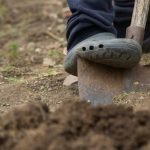
If you want your garden to thrive, digging the right planting trenches is a crucial first step. Using a spade might seem simple, but doing it the right way can save you time, effort, and even protect your plants.
You’ll discover easy tips that make digging trenches smoother and more effective. By following these simple tricks, your plants will have the perfect start, and you’ll enjoy a healthier, more beautiful garden. Ready to dig in and get your hands dirty the smart way?
Let’s dive into the best tips for using a spade to dig planting trenches.
Choosing The Right Spade
Using a spade to dig planting trenches needs the right tool. The right spade makes digging easier and faster.
Choose a spade that fits your digging style and soil type. This guide covers types, size, weight, and materials.
Types Of Spades
Spades come in different shapes and designs. Each type works best for certain tasks and soil conditions.
- Digging spades with a flat blade for cutting soil and roots
- Trenching spades with narrow blades for digging thin trenches
- Border spades with rounded edges for shaping garden beds
- Drain spades with pointed blades for digging in wet soil
Spade Size And Weight
Choose a spade size and weight that you can handle comfortably. Heavy spades tire you out quickly.
| Size | Best Use | Weight Range |
| Small (blade under 7 inches) | Light digging, small trenches | 2 to 3 lbs |
| Medium (blade 7-9 inches) | General digging and trenching | 3 to 5 lbs |
| Large (blade over 9 inches) | Heavy soil and large trenches | 5 to 7 lbs |
Material And Durability
Spades are made from different materials. Choose one that lasts and suits your soil.
- Steel bladesare strong and hold sharp edges well.
- Stainless steelresists rust and is easy to clean.
- Fiberglass handlesreduce weight and resist weather damage.
- Wooden handlesprovide a good grip but may need more care.
Preparing The Soil
Using a spade to dig planting trenches needs good soil preparation. Proper soil makes planting easier and helps plants grow strong.
Before digging, check the soil condition. Prepare the area well to get the best results from your work.
Clearing Debris
Remove sticks, rocks, and old roots from the soil. Debris can block the spade and make digging hard.
Clear the area by hand or use a rake. Clean soil helps the trench stay neat and easy to work with.
Moisture Levels
Soil that is too dry is tough to dig. Wet soil can be heavy and sticky. Aim for soil that is moist but not muddy.
Check moisture by squeezing soil in your hand. It should hold shape but not drip water.
- Dry soil cracks and breaks apart
- Wet soil clumps and sticks
- Moist soil is crumbly and easy to dig
Marking The Trench Area
Mark the trench before digging to keep lines straight. Use string, sticks, or spray paint to show the area.
Clear markings help you dig evenly and avoid mistakes. Check measurements twice to get the right size.
Proper Digging Techniques
Using a spade to dig planting trenches needs the right methods. Good techniques help you work faster and avoid injury.
This guide covers posture, grip, body weight, and a clear digging process. Follow these tips to dig trenches well.
Correct Posture And Grip
Stand straight with your feet shoulder-width apart. Hold the spade handle firmly but not too tight. Keep your back straight to protect it.
- Keep your knees slightly bent
- Grip the spade with both hands
- Place one hand near the top of the handle
- Place the other hand closer to the blade
- Keep your head up and look forward
Using Body Weight Efficiently
Use your body weight to push the spade into the soil. This reduces arm strain and makes digging easier. Shift your weight from one foot to the other.
| Action | How to Use Body Weight |
|---|---|
| Step Forward | Place one foot on the spade blade and press down with your body weight |
| Shift Weight | Move weight from front foot to back foot while digging |
| Leverage | Use your hips and legs to lift the soil, not just your arms |
Step-by-step Digging Process
Follow these steps to dig a planting trench correctly. Take your time and stay steady.
- Mark the trench line with a string or marker
- Insert the spade blade into the soil at the start point
- Push the blade down using your foot and body weight
- Lift the soil out and move it to the side
- Repeat along the marked line, keeping trench depth even
- Check the trench depth with a measuring stick
- Smooth the trench edges for planting
:strip_icc()/bhg-excavating-tools_EDNclBiqKUXAQ2GOSD4JP5-83b2610bdddf4bb780bec22ba1a10d19.jpg)
Credit: www.bhg.com
Maintaining Trench Depth And Width
Using a spade to dig planting trenches needs care. Keeping the right depth and width helps plants grow well.
Trenches that are too shallow or narrow can stop roots from spreading. Too deep or wide trenches waste effort and soil.
Measuring Tools
Use simple tools to check trench size. A tape measure or ruler works well for depth and width.
Mark the spade handle to guide how deep to dig. This helps keep each trench the same size.
- Tape measure for trench length and width
- Ruler for checking depth frequently
- Mark the spade handle with tape or paint
Consistency Tips
Dig each trench with steady and even movements. Stop to check trench depth and width often.
Work in small sections. This stops the trench from getting uneven or too wide.
- Check trench size every few feet
- Keep spade angle steady while digging
- Fill in or remove soil to fix uneven spots
Adjusting For Different Plants
Different plants need different trench sizes. Know your plant’s root depth and spread before digging.
Adjust trench depth and width to match plant needs. Bigger plants need deeper and wider trenches.
| Plant Type | Recommended Depth | Recommended Width |
| Small flowers | 6 to 8 inches | 4 to 6 inches |
| Vegetables | 8 to 12 inches | 6 to 10 inches |
| Shrubs | 12 to 18 inches | 12 to 18 inches |
Handling Tough Or Rocky Soil
Digging planting trenches with a spade can be hard when the soil is tough or full of rocks. Using the right techniques helps make the job easier.
Breaking the soil and removing obstacles lets your plants grow better roots and stay healthy.
Pre-soaking The Ground
Watering the soil before digging softens it. This makes the ground easier to cut with a spade.
Soak the area for a few hours or overnight if the soil is very dry. Avoid digging in muddy soil.
Breaking Up Hard Soil
Use the spade to chop and loosen compacted soil. Push the blade down firmly and rock it back and forth.
Breaking the soil into smaller pieces helps roots grow and lets water reach plants easily.
- Stand with feet apart for good balance
- Use your body weight to push the spade blade down
- Lift and turn the soil in small chunks
- Repeat until the soil is loose and crumbly
Removing Rocks And Roots
Pull out rocks and roots from the trench to avoid damage to plants. These can block roots and stop water flow.
Use your hands or a garden fork to lift out tough roots and stones. Clear the trench before planting.
- Wear gloves to protect your hands
- Check the trench bottom and sides carefully
- Remove all large rocks and thick roots
- Break up any remaining clumps of soil

Credit: meadowlarkjournal.com
Safety Tips While Digging
Using a spade to dig planting trenches can be safe with the right care. Proper safety helps avoid injuries and accidents.
Follow simple tips on protective gear, body care, and tool handling to make your digging work safer and easier.
Protective Gear
Wearing the correct protective gear keeps you safe from cuts, dirt, and other hazards. Gloves protect your hands from blisters and sharp objects. Sturdy boots guard your feet from heavy tools and uneven ground. Eye protection stops dirt or debris from getting into your eyes.
- Wear thick gardening gloves
- Use boots with good grip and protection
- Put on safety glasses or goggles
- Wear long sleeves and pants to protect skin
Avoiding Strain And Injury
Digging can strain your back, arms, and legs if you do not use the right techniques. Bend your knees, not your back, to lift soil. Take breaks and drink water to avoid fatigue. Use smooth, steady movements to reduce muscle strain.
- Warm up your muscles before starting
- Bend your knees when lifting soil
- Use your legs, not your back, to push the spade
- Take short breaks every 20 to 30 minutes
- Drink water to stay hydrated
Safe Tool Storage
Storing your spade properly prevents accidents and keeps the tool in good shape. Keep it in a dry place to avoid rust. Store it out of reach of children to prevent injuries. Position the spade with the blade down or hanging on a wall hook.
| Storage Tip | Reason |
| Keep tool dry | Prevents rust and damage |
| Store blade down | Reduces risk of cuts and injuries |
| Hang on wall hook | Keeps tool organized and off the floor |
| Keep away from children | Prevents accidental injury |
Cleaning And Caring For Your Spade
A spade is a useful tool for digging planting trenches. Keeping it clean and sharp helps it last longer.
Proper care also makes digging easier and safer. Here are some tips on cleaning and caring for your spade.
Removing Dirt And Rust
After use, remove dirt and mud from your spade with a stiff brush or water. Dry it well to stop rust.
- Use a wire brush to scrape off rust spots.
- Apply a light coat of oil to metal parts to prevent rust.
- Wipe wooden handles with linseed oil to keep them strong.
Sharpening The Blade
A sharp blade cuts soil easier and reduces effort. Use a file or sharpening stone to keep the edge smooth.
- Secure the spade in a clamp or hold it firmly.
- File the blade edge at a 45-degree angle.
- Check the sharpness by touching the edge carefully.
- Wipe the blade clean and add a thin oil layer.
Proper Storage
| Storage Tip | Reason |
| Store in a dry place | Prevents rust and wood damage |
| Hang the spade on a wall hook | Keeps blade off the ground |
| Keep away from direct sunlight | Avoids handle cracking |

Credit: www.noozhawk.com
Frequently Asked Questions
How Do You Use A Spade For Trench Digging?
To use a spade for trench digging, start by marking your trench line. Position the spade vertically and push it into the soil. Lift the soil and place it aside. Repeat along the marked line, ensuring consistent depth and width.
This method ensures effective planting trenches.
What Is The Best Spade For Trench Digging?
The best spade for trench digging is a long-handled, sharp-edged spade. It provides leverage and precision. Look for durable materials like stainless steel or carbon steel. A comfortable grip can reduce hand fatigue, making digging easier.
How Deep Should Planting Trenches Be?
Planting trenches should typically be 6 to 12 inches deep. The depth depends on the type of plants. For vegetables, around 6 inches is sufficient. For larger plants, aim for 12 inches. This ensures adequate root growth and nutrient access.
Why Is Trench Digging Important For Planting?
Trench digging is vital for planting as it improves root growth and drainage. Trenches allow roots to spread easily and access nutrients. They also prevent waterlogging, ensuring plant health. Properly dug trenches lead to healthier, more productive plants.
Conclusion
Using a spade to dig planting trenches takes practice and care. Keep your back straight and use your legs for strength. Take small steps and dig slowly to avoid tiring quickly. Sharp tools make the job easier and safer. Clean the trench edges for better planting results.
With patience, your garden will grow well and healthy. Enjoy the process and watch your plants thrive. Simple tips like these help you work smarter, not harder. Gardening becomes more fun and less work with good habits.