Choosing the right table saw can make all the difference in your woodworking projects. Whether you’re a beginner or a seasoned pro, the saw you pick will affect the quality, safety, and ease of your work.
You might feel overwhelmed by all the options out there, but don’t worry—this guide will help you find the perfect fit for your needs. Keep reading to discover what really matters when selecting a table saw, so you can work smarter and create with confidence.
Types Of Table Saws
Table saws come in different types to fit many jobs and spaces. Choosing the right one depends on your needs and workspace.
Each type has unique features and uses. Understanding them helps you pick the best saw for your work.
Benchtop Saws
Benchtop saws are small and light. You can place them on a table or workbench.
They are good for small projects and easy to move around. These saws usually have less power than bigger types.
- Portable and lightweight
- Fits small workspaces
- Best for light-duty cutting
- Affordable price
Contractor Saws
Contractor saws are bigger than benchtop saws. They have a strong motor and a sturdy base.
These saws work well for medium to heavy tasks. They are usually portable but heavier than benchtop saws.
- More power than benchtop saws
- Sturdy and stable
- Can be moved if needed
- Good for home workshops
Cabinet Saws
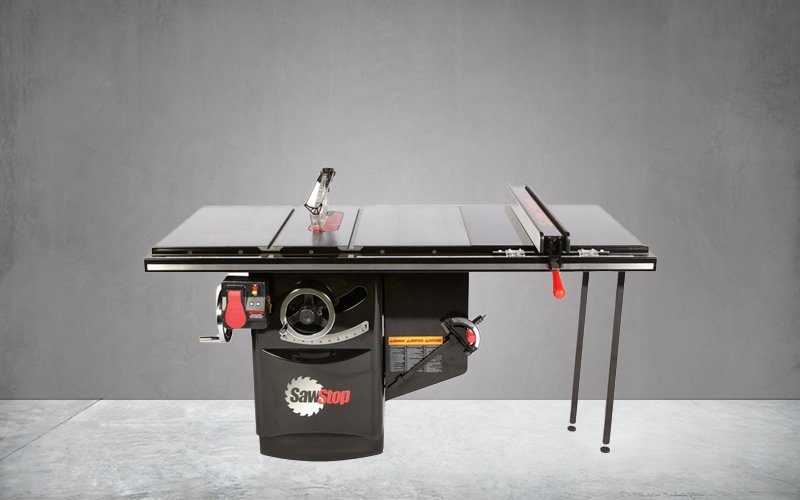
Cabinet saws are large and heavy. They have powerful motors inside a closed cabinet base.
These saws give precise cuts and long-lasting performance. They suit professional woodworkers and big workshops.
- Very powerful motor
- Heavy and stable
- Excellent cutting accuracy
- Best for professional use
Hybrid Saws
Hybrid saws mix features of contractor and cabinet saws. They offer good power and lighter weight.
These saws suit hobbyists who want better quality but less bulk. They work well in home workshops.
- Balanced power and size
- Quieter than contractor saws
- More affordable than cabinet saws
- Good for serious hobbyists

Credit: www.findbuytool.com
Key Features To Consider
Choosing the right table saw is important for safety and precision. Knowing key features helps you pick the best tool for your needs.
This guide covers five main features to look for before buying a table saw. Each feature affects how well the saw performs.
Blade Size And Type
Blade size affects the depth and type of cuts you can make. Most table saws use blades between 8 and 12 inches.
- Smaller blades cut thinner wood
- Larger blades cut thicker wood and wider boards
- Different blade types suit wood, metal, or plastic
- Choose blades with the right teeth for smooth or fast cuts
Motor Power
Motor power affects cutting speed and ability to handle tough materials. More power means smoother cuts and less strain.
| Motor Power (Amps) | Best For |
| 10–12 | Light wood and small projects |
| 13–15 | Most woodworking tasks |
| 15+ | Heavy-duty and professional work |
Fence Accuracy
The fence guides your wood during cuts. A precise fence helps keep cuts straight and safe.
- Look for fences that lock firmly in place
- Easy adjustments improve accuracy
- Check for smooth sliding without wiggle
Table Size And Extension
Larger tables support bigger wood pieces and improve stability. Extensions add extra space when needed.
| Feature | Benefit |
|---|---|
| Large Table | Supports wide boards |
| Table Extension | Extra space for long cuts |
| Foldable Extensions | Saves space when not used |
Dust Collection
Good dust collection keeps your work area clean and protects your lungs. Some saws have built-in systems or ports for external vacuums.
- Check if the saw has a dust port
- Look for models with built-in dust bags or chambers
- Consider adding a vacuum for better dust control
Safety Features To Look For
Choosing the right table saw means paying close attention to safety features. These features help prevent accidents and protect you during use.
Understanding each safety feature will help you pick a table saw that fits your needs and keeps you safe.
Blade Guards
Blade guards cover the saw blade to stop accidental contact. They reduce the risk of cuts and injuries while cutting wood.
Most blade guards are transparent, so you can see the blade and the cut line clearly. Make sure the guard is easy to remove and replace for cleaning.
Riving Knives
Riving knives sit behind the blade to keep the wood from pinching the blade. This helps to avoid kickbacks, which can be dangerous.
They move up and down with the blade and stay close to it. A good riving knife adjusts easily for different blade heights and angles.
Anti-kickback Pawls
Anti-kickback pawls are small arms that grab the wood if it starts to move backward. They prevent the wood from kicking back toward the user.
- They have sharp teeth to grip the wood.
- They allow wood to move forward but stop it from moving backward.
- They reduce the chance of serious injury from kickback.
Emergency Stop Switches
Emergency stop switches let you turn off the saw quickly in case of danger. They are usually large and easy to reach.
| Type | Feature | Benefit |
| Push Button | Big red button on the front | Quick to press in emergencies |
| Pull Cord | Cord that stops saw when pulled | Easy to access from any side |
| Smart Switch | Stops saw automatically if needed | Adds extra safety without user action |
Budgeting For Your Table Saw
Buying a table saw is a big decision for your workshop. You need to plan your budget carefully. This helps you find a saw that fits your needs without overspending.
Think about the price, quality, and future costs. This guide will help you understand how to budget for a good table saw.
Price Ranges
Table saws come in many price levels. You can find basic models for less money. More advanced saws cost more but offer better features.
Here are common price ranges and what to expect in each:
- Under $200:Basic models for small projects and light use.
- $200 to $600:Mid-range saws with more power and features.
- $600 and above:Professional saws for heavy use and precision.
Balancing Cost And Quality
Choose a table saw that balances price and quality. Cheaper saws may save money at first. But they can wear out quickly or lack safety features.
Investing in a mid-range saw often gives better value. Look for good build quality and important features like blade guards and easy adjustments.
- Check reviews for reliability
- Look for safety features
- Consider the saw’s power and size
- Pick a model that fits your project needs
Long-term Maintenance Costs
Think about the cost to keep your saw working well. Maintenance includes blade changes, motor care, and cleaning. Some saws need special parts that cost more.
Regular maintenance helps your saw last longer and work safely. Budget money for replacement blades and occasional repairs.
- Replace blades every few months or as needed
- Keep the motor clean and lubricated
- Check belts and parts for wear
- Buy spare parts that are easy to find
Tips For Making Accurate Cuts
Choosing the right table saw is important for precise woodworking. Accurate cuts improve the quality of your projects.
Follow these tips to ensure your cuts are straight and clean every time you use your table saw.
Setting The Fence And Miter Gauge
Set the fence firmly to guide your wood straight through the blade. Check that it is parallel to the blade to avoid angled cuts.
The miter gauge helps you make angled cuts. Adjust it carefully to the correct angle before cutting.
- Lock the fence in place to prevent movement
- Check the fence alignment with a square tool
- Set the miter gauge angle precisely for angled cuts
- Use the miter gauge slot to keep the wood steady
Blade Height Adjustment
Adjust the blade height so it just clears the thickness of the wood. This reduces tear-out and gives a cleaner edge.
Keep the blade sharp and clean for better cutting performance and accuracy.
- Set blade height about 1/8 inch above the wood
- Use a sharp blade for smooth cuts
- Clean the blade to avoid burn marks
Proper Material Support
Support your wood properly on both sides of the blade. This keeps the material stable and prevents binding or kickback.
Use extension tables or stands for long or large pieces. This helps maintain control and accuracy.
- Use outfeed support for long boards
- Keep the wood flat and steady
- Never let the wood tilt during the cut
- Use rollers or stands for heavy pieces
Using Push Sticks And Guides
Push sticks keep your hands away from the blade. They also help guide small or narrow wood safely and accurately.
Use feather boards and guides to hold the wood firmly against the fence. This prevents movement during cutting.
- Use push sticks for narrow cuts under 6 inches
- Hold wood firmly with feather boards
- Keep steady pressure against the fence
- Never remove safety devices during cutting

Credit: www.popularmechanics.com
Maintenance And Care
Keeping your table saw in good shape makes it safer and lasts longer. Regular care helps the saw work smoothly and cuts accurately.
Follow simple maintenance steps often. This keeps the saw ready for every job and avoids costly repairs.
Blade Sharpening And Replacement
Dull blades reduce cutting quality and increase risk of accidents. Check the blade for sharpness before use.
- Sharpen the blade if it feels dull or cuts slowly.
- Replace the blade if it is damaged or worn out.
- Use the correct blade type for the material you cut.
- Always unplug the saw before changing blades.
Cleaning And Lubrication
Dust and debris build-up can cause problems in the saw’s moving parts. Clean the saw after every use.
| Task | Frequency | Details |
|---|---|---|
| Remove dust | After each use | Use a brush or air compressor to clear dust |
| Clean table surface | Weekly | Wipe with a damp cloth to remove dirt |
| Lubricate moving parts | Monthly | Apply light machine oil to gears and rails |
Checking Alignments Regularly
Proper alignment ensures straight cuts and reduces blade wear. Check the blade and fence alignment often.
- Turn off and unplug the saw.
- Use a square to check the blade angle to the table.
- Adjust the blade if it is not perpendicular to the table.
- Check the fence is parallel to the blade.
- Tighten all adjustment knobs after aligning.

Credit: www.popularmechanics.com
Frequently Asked Questions
What Features Should I Look For In A Table Saw?
Look for blade size, motor power, safety features, and fence accuracy. These ensure precise cuts and safe operation. Also, consider portability if you need to move the saw frequently.
How Much Should I Spend On A Quality Table Saw?
Quality table saws typically range from $300 to $1,200. Choose based on your needs, frequency of use, and desired features. Investing in a reliable model saves money in the long run.
Which Table Saw Blade Is Best For Woodworking?
A carbide-tipped blade is ideal for woodworking. It stays sharp longer and provides clean, precise cuts. Select blade size and teeth count based on the material and cut type.
Is A Portable Table Saw Suitable For Home Projects?
Yes, portable table saws are great for home use. They are lightweight, easy to store, and versatile. However, they may have less power and smaller cutting capacity than stationary models.
Conclusion
Choosing the right table saw ensures your woodworking projects succeed. Prioritize safety features and ease of use. Consider the space in your workshop. Match the table saw to your project’s needs. Think about your budget but don’t compromise on quality.
Research and compare models before making a decision. Consult reviews and user experiences for insights. Visit stores to see options in person. A well-chosen table saw saves time and effort. It becomes a trusted tool in your workshop. Make your decision wisely, and enjoy safer, more efficient woodworking.