Choosing the right drill bit can make or break your carpentry project. You might think all drill bits are the same, but using the wrong one can cause frustration, waste time, and even damage your materials.
Imagine this: you’re halfway through your work, and suddenly your drill bit slips or breaks. How much smoother would your project go if you knew exactly which bit to pick from the start? You’ll discover simple tips to select the perfect drill bit every time.
Keep reading, and you’ll save effort, get cleaner results, and feel more confident with every hole you drill.

Credit: www.amazon.ca
Types Of Drill Bits
Choosing the right drill bit is key for carpentry projects. Different bits cut wood in different ways.
This guide covers common types of drill bits used in woodworking. Each type fits specific tasks.
Twist Bits
Twist bits are the most common drill bits. They have a spiral shape that removes wood chips as they drill.
These bits work well for general drilling in soft and hard woods. They also drill metal and plastic.
Spade Bits
Spade bits have a flat blade with sharp edges. They create large, rough holes quickly.
- Best for drilling big holes in soft wood
- Not suitable for metal or precise holes
- Easy to use with handheld drills
Brad Point Bits
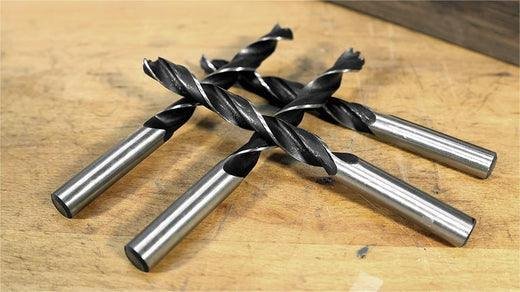
Brad point bits have a sharp tip in the center. This tip helps start the hole exactly where you want.
They drill clean, accurate holes in wood without splintering the surface.
Forstner Bits
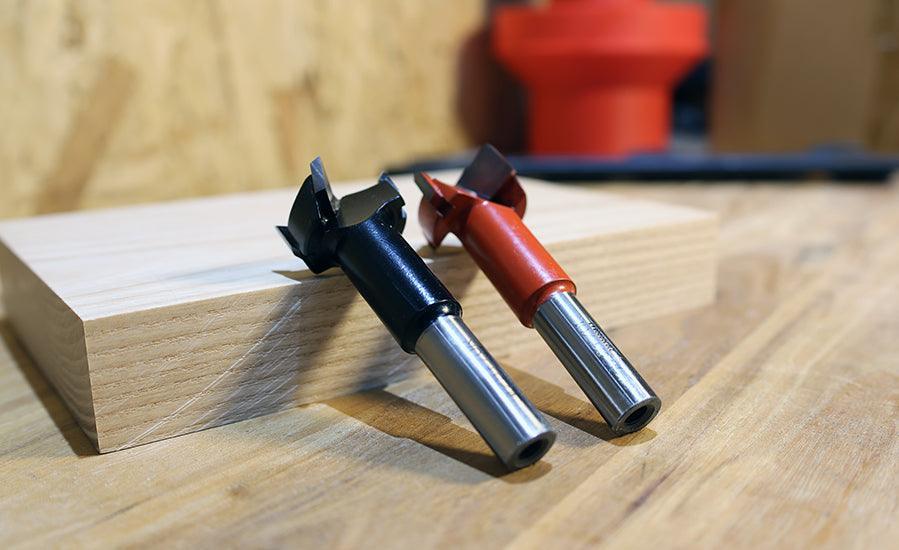
Forstner bits make flat-bottomed holes. They cut clean edges and are good for precise woodworking.
| Feature | Description |
| Hole Type | Flat-bottomed, smooth edges |
| Uses | Hinges, dowels, and large holes |
| Best Wood Type | Soft and hard woods |
| Speed | Slower drilling with control |
Hole Saws
Hole saws are ring-shaped bits. They cut wide holes by removing a circle of wood.
They work well for making holes for pipes, cables, and door hardware.

Credit: huanatools.com
Choosing The Right Material
Selecting the right drill bit material is important for carpentry projects. The material affects the bit’s strength and durability.
Using the correct material helps you drill clean holes and avoid damage to wood or tools.
High-speed Steel
High-speed steel (HSS) bits are common for woodworking. They are strong and cost less than other types.
HSS bits work well for soft and hardwoods. They hold sharp edges but wear out faster with hard materials.
Cobalt Bits
Cobalt drill bits mix steel with cobalt for extra strength. They resist heat and last longer than HSS bits.
These bits handle hardwoods and dense materials better. They cost more but give better performance on tough jobs.
Carbide-tipped Bits
Carbide-tipped bits have a hard carbide tip on a steel body. They stay sharp for a long time and resist wear.
These bits are good for drilling very hard wood and materials that wear down normal bits quickly.
Matching Drill Bits To Wood Types
Choosing the right drill bit makes your carpentry work easier and cleaner. Different woods need different bits to avoid splitting or burning.
Knowing which drill bit fits each wood type helps you get smooth holes and strong joints. Learn about bits for softwoods, hardwoods, plywood, and MDF.
Softwoods
Softwoods like pine and cedar are easy to drill. Use standard twist drill bits or brad point bits. Brad point bits help keep the hole clean and precise.
- Choose bits with sharp points to reduce splintering.
- Use slow drill speed to avoid burning the wood.
- Try countersink bits for neat screw holes.
Hardwoods
Hardwoods like oak and maple are dense and tough. Use high-quality brad point or spade bits to drill through without cracking the wood.
| Drill Bit Type | Best For | Tip |
| Brad Point | Clean, precise holes | Sharp center point for accuracy |
| Spade Bit | Large holes | Use slow speed to avoid burning |
| Forstner Bit | Flat-bottom holes | Good for furniture joints |
Plywood And Mdf
Plywood and MDF can chip or splinter easily. Use sharp brad point bits or carbide-tipped bits to reduce damage.
- Use tape on the drilling spot to avoid surface splintering.
- Drill slowly and remove the bit often to clear dust.
- Consider a backing board to protect the underside.
Bit Size And Hole Accuracy
Choosing the right drill bit size is important for carpentry projects. The bit size affects how well the hole fits the screw or bolt.
Accurate holes help keep wood strong and parts fit tightly. This guide explains bit sizes and how to drill precise holes.
Measuring Bit Sizes
Drill bits come in many sizes. You measure them by their diameter, the width across the tip.
Use a caliper or bit gauge to check the size. This helps match the bit to the screw or hole needed.
- Metric sizes show millimeters (mm)
- Imperial sizes show inches or fractions
- Check the bit label for size info
- Measure the bit tip for exact size
Ensuring Precise Holes
Drill straight and steady for accurate holes. Use a drill guide or clamp to keep the bit level.
Start with a small pilot hole for large screws. This prevents the wood from splitting and guides the bigger bit.
- Use the right drill speed for wood type
- Keep the drill perpendicular to the surface
- Check hole size with a gauge or test screw
- Clean wood chips from the hole before screwing
Speed And Feed Considerations
Choosing the right drill speed and feed rate helps you work faster and avoid damage. These factors affect the quality of your holes and the life of your drill bits.
Understanding how speed and pressure work together makes your carpentry projects smoother. It also keeps your tools in good shape for longer use.
Optimal Drill Speeds
Drill speed depends on the bit size and the type of wood you are working with. Smaller bits need higher speeds. Larger bits require slower speeds to avoid burning the wood.
- Use high speeds for bits under 1/8 inch
- Medium speeds fit bits from 1/8 to 1/2 inch
- Slow speeds work best for bits over 1/2 inch
- Softwoods allow faster speeds than hardwoods
- Always check the drill bit manufacturer’s guidelines
Proper Pressure And Feed Rate
Apply steady pressure to keep the bit cutting well. Too much force can break the bit or damage the wood. Too little pressure slows the work and wears out the bit.
| Pressure Level | Effect |
| Light | Slow cutting, bit may dull quickly |
| Moderate | Best cutting speed and clean holes |
| Heavy | Bit overheating, wood burning, possible breakage |
Feed rate means how fast you push the drill into the wood. Match the feed rate to the drill speed for smooth holes. Adjust if you see smoke or hear burning sounds.
Preventing Common Drilling Problems
Choosing the right drill bit helps avoid problems in carpentry. Using the wrong bit can damage wood or tools.
This guide covers how to prevent splintering, bit wander, and heat build-up during drilling.
Avoiding Splintering
Splintering happens when wood breaks at the drill point. It leaves rough edges and ruins your work.
To avoid splintering, use a sharp bit and drill slowly. Support the wood under the drill spot.
- Use a backing board to protect the wood
- Start drilling at a low speed
- Try brad point bits for cleaner holes
Reducing Bit Wander
Bit wander is when the drill slips from the mark. This causes holes to be off-center.
To reduce bit wander, mark the spot clearly and use a punch or nail to make a small dent.
- Hold the drill steady and straight
- Use a sharp bit for better grip
- Start drilling slowly to keep control
Managing Heat Build-up
Heat build-up can dull bits and damage wood. It happens when drilling too fast or too long.
To manage heat, use sharp bits and take breaks during drilling. Let the bit cool down.
- Use proper speed for the wood type
- Pull the bit out sometimes to clear debris
- Keep bits sharp and clean
Maintaining And Sharpening Bits
Drill bits need regular care to work well and last longer. Keeping bits clean and sharp helps you make smooth holes in wood.
This guide covers simple cleaning methods and easy sharpening tools. Use these tips to keep your bits ready for any carpentry job.
Cleaning Techniques
Dirt and wood chips can clog drill bits. Cleaning them removes debris and prevents rust. Always clean bits after use.
- Use a wire brush to remove sawdust and resin.
- Soak bits in warm soapy water for stubborn dirt.
- Dry bits thoroughly to stop rust.
- Apply light machine oil to protect metal surfaces.
- Store bits in a dry case or rack.
Sharpening Tools And Methods
Sharp bits cut wood cleanly and reduce effort. Use the right tools to sharpen bits safely and accurately.
| Tool | Purpose | How to Use |
| Diamond File | Sharpen cutting edges | Gently file edges at original angle |
| Bench Grinder | Shape and sharpen quickly | Lightly touch bit to spinning wheel |
| Sharpening Stone | Fine edge finishing | Rub bit on stone with water or oil |
| Drill Bit Sharpener | Precise angle sharpening | Follow machine instructions carefully |
Credit: www.findbuytool.com
Specialty Drill Bits For Unique Tasks
Choosing the right drill bit is important for carpentry projects. Specialty drill bits help with unique tasks that regular bits cannot do well.
These bits save time and improve the quality of your work. Knowing when to use each type makes a big difference.
Countersink Bits
Countersink bits create a conical hole. This allows screw heads to sit flush with the wood surface. They are useful for a clean, smooth finish.
- Make holes for flat-head screws
- Prevent wood from splitting
- Improve the look of the finished piece
Step Bits
Step bits drill holes in different sizes with one bit. They have a cone shape with steps that increase in diameter.
| Hole Size | Use |
| Small | Pilot holes for screws |
| Medium | Wire or pipe passages |
| Large | Mounting holes for hardware |
Auger Bits
Auger bits drill deep, clean holes in wood. They have a screw tip that pulls the bit through the material.
Benefits of auger bits:
- Make deep holes quickly
- Produce less splintering
- Work well with hand drills
Frequently Asked Questions
What Drill Bit Types Are Best For Wood Carpentry?
For wood carpentry, use spade, brad point, or auger bits. These bits provide clean, precise holes and reduce wood splintering. Choose based on hole size and project requirements for best results.
How To Choose The Right Drill Bit Size?
Select a drill bit slightly smaller than the screw or fastener diameter. This ensures a tight fit and prevents wood splitting. Always measure the screw and test on scrap wood before drilling.
Can I Use Metal Drill Bits On Wood?
Metal drill bits can work on wood but may cause rough holes. Wood-specific bits have sharper tips for cleaner holes. For precision and smooth results, use drill bits designed for wood projects.
Why Are Brad Point Bits Preferred For Carpentry?
Brad point bits have sharp tips that prevent bit wandering. They create clean, accurate holes with minimal wood splintering. This makes them ideal for detailed woodworking and carpentry tasks.
Conclusion
Choosing the right drill bit is key in carpentry. It ensures smooth, precise work. Each project needs a specific bit. Wood, metal, or plastic all require different types. Proper selection prevents damage and extends tool life. Always match the bit to the material.
Consider size and type. Understand your tools for better results. Practice safe drilling techniques. Knowledge and preparation lead to success. Happy building!