
Your electrical breaker box is the heart of your home’s power system. When it works well, you barely notice it.
But if it fails, it can cause serious problems—like power outages or even electrical fires. That’s why taking care of your breaker box is so important. You’ll discover simple maintenance tips that anyone can follow to keep your electrical system safe and running smoothly.
Keep reading to protect your home and avoid costly repairs down the road.
Signs Of A Faulty Breaker Box
Your breaker box controls the electricity in your home. It protects your wiring from damage.
Recognizing problems early helps avoid electrical hazards. Watch for these signs of a faulty breaker box.
Frequent Tripping Issues
Breakers trip to stop electrical overloads. But if it happens often, the box may be faulty.
Frequent trips can cause power loss and damage to devices. It needs quick attention from a professional.
Burning Smell Or Discoloration
A burning smell near your breaker box is a serious warning. It could mean wires are overheating.
Look for dark marks or discoloration around the breakers. These signs show heat damage inside the box.
- Burning odor near the panel
- Brown or black stains on breakers
- Melted or damaged plastic parts
Buzzing Or Sparking Sounds
Buzzing noises from the breaker box mean loose or damaged connections. Sparks can cause fires.
If you hear buzzing or see sparks, turn off the main power. Call an electrician to check the box.
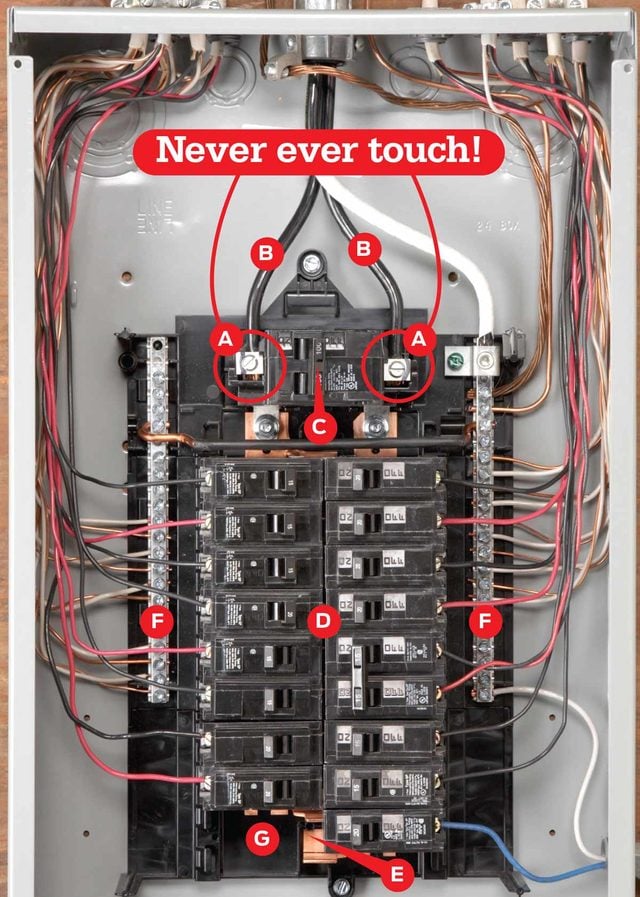
Credit: www.familyhandyman.com
Safety Precautions Before Maintenance
Electrical breaker boxes carry high voltage. Always prioritize safety before starting any work. Taking the right steps prevents accidents and injury.
Follow clear procedures to prepare for maintenance. Proper gear and tools help you work safely and efficiently.
Power Shutoff Procedures
Turn off the main power before opening the breaker box. Confirm that all circuits are de-energized to avoid shocks.
- Locate the main breaker switch.
- Flip the main breaker to the OFF position.
- Use a voltage tester to check for power.
- Inform others in the area about the power shutdown.
Using Protective Gear
Wear safety equipment to protect against electric shock and injury. Use the right gear every time you work on electrical components.
- Insulated gloves to prevent shocks.
- Safety goggles to protect eyes from sparks.
- Rubber-soled shoes for electrical insulation.
- Long-sleeve clothing made from non-conductive materials.
Tools Required For Maintenance
Use proper tools designed for electrical work. Keep tools in good condition to ensure safety and success.
| Tool | Purpose | Safety Tip |
| Insulated Screwdrivers | Loosen or tighten screws inside the breaker box | Check insulation for cracks before use |
| Voltage Tester | Verify if circuits are live | Test on known live circuit before use |
| Wire Strippers | Remove insulation from wires safely | Use correct size for wire gauge |
| Multimeter | Measure voltage, current, and resistance | Set to correct measurement mode |
Cleaning The Breaker Box
Keeping the breaker box clean helps it work safely and well. Dust, dirt, and moisture can cause problems inside the box. Regular cleaning stops these issues.
Follow simple tips to clean the breaker box and keep your home safe from electrical faults.
Dust Removal Techniques
Dust can build up inside the breaker box and block airflow. This causes the parts to get hot and wear out fast. Use soft tools to clean dust safely.
- Turn off the main power before cleaning.
- Use a dry, soft brush to remove dust from surfaces.
- Use a vacuum with a nozzle to pick up loose dust.
- Never use water or liquid cleaners inside the box.
- Wear gloves to protect from sharp edges.
Checking For Corrosion
Corrosion can cause poor connections and electrical failures. Check all metal parts for rust or greenish buildup regularly. Clean and fix any corrosion found.
| Corrosion Sign | What to Do |
| Rust on screws or terminals | Remove rust with a wire brush and tighten screws |
| Green or white powdery deposits | Clean with a damp cloth and dry well |
| Loose connections | Tighten connections or call an electrician |
Avoiding Moisture Damage
Moisture can cause short circuits and damage the breaker box parts. Keep the box dry and protected from water and humidity.
Tips to avoid moisture damage:
- Install the breaker box in a dry, indoor place.
- Use a cover to protect it from water splashes.
- Check for leaks or damp walls near the box.
- Use a dehumidifier in damp basements or garages.
- Do not store wet items near the breaker box.
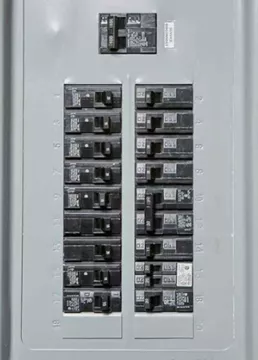
Credit: www.premium-electric.ca
Inspecting Breaker Components
Regular inspection of your breaker box keeps your electrical system safe. It helps find issues before they cause problems.
Check each part of the breaker box carefully. Look for signs of wear, damage, or loose parts.
Testing Breaker Functionality
Testing breakers ensures they work properly. Use a breaker tester or multimeter to check if a breaker trips as it should.
- Turn off all devices on the circuit
- Switch the breaker off and on
- Use a tester to check voltage
- Confirm the breaker trips under fault conditions
Tightening Loose Connections
Loose connections cause heat and can lead to fire. Tighten screws and clamps that hold wires firmly in place.
| Tool Needed | Purpose |
| Screwdriver | Tighten terminal screws |
| Wrench | Secure bolts on bus bars |
| Insulated Gloves | Protect while working |
Replacing Damaged Breakers
Replace breakers that show cracks, burn marks, or do not reset properly. Use the exact replacement type and rating.
Steps to replace a damaged breaker:
- Turn off the main power supply.
- Remove the panel cover carefully.
- Disconnect the damaged breaker’s wire.
- Pull out the old breaker from the panel.
- Install the new breaker and reconnect the wire.
- Replace the panel cover and turn on the main power.
Upgrading For Efficiency
Keeping your electrical breaker box updated helps your home run safely and smoothly. Older breaker boxes may cause energy waste and safety risks.
Upgrading parts of your breaker box can improve efficiency and protect your electrical system from damage.
Installing Modern Breakers
Modern breakers offer better safety features than older models. They react faster to electrical faults and prevent overloads efficiently.
Replacing old breakers with new ones can reduce the risk of electrical fires and improve power management in your home.
Adding Surge Protection
Surge protection devices help guard your electrical system from voltage spikes. These spikes can damage appliances and electronics.
Installing surge protectors inside your breaker box shields your home’s electrical network from sudden surges.
- Protects sensitive devices
- Prevents costly repairs
- Improves electrical system lifespan
Optimizing Circuit Distribution
Organizing circuits evenly prevents overloads and improves efficiency. Balanced circuits use electricity better and reduce risks.
Reviewing and rearranging circuit distribution ensures each area gets the right power load without strain.
- Limits overheating risks
- Keeps power stable
- Makes future upgrades easier

Credit: www.premium-electric.ca
When To Call A Professional
Electrical breaker boxes need regular care to keep your home safe. Some problems are simple to fix. Other issues require a professional’s help.
Knowing when to call an expert can prevent damage and danger. Here are times you should get a professional involved.
Complex Electrical Issues
Breaker boxes can have complex problems that are unsafe to fix alone. These include frequent tripping or burning smells.
If breakers trip often, it could mean wiring is damaged or overloaded. Burning smells may signal overheating or electrical faults.
- Repeated breaker trips
- Burning or melting odors
- Visible damage or corrosion
- Flickering lights linked to the breaker box
Code Compliance Checks
Electrical codes change to improve safety. A professional can check if your breaker box meets current rules. This helps avoid hazards and fines.
Professionals know local codes and can advise on upgrades or repairs needed to keep your system legal and safe.
- Confirm wiring meets local codes
- Check breaker box labeling and access
- Inspect grounding and bonding
- Recommend updates for older systems
Regular Professional Inspections
Routine inspections by a professional catch issues early. They test breakers, connections, and safety devices to keep your system reliable.
Annual or biannual inspections help spot wear and tear before it causes problems. Professionals use tools that homeowners usually do not have.
- Test breaker functionality
- Check for loose or damaged wires
- Inspect for moisture or rust inside the box
- Verify overall electrical panel condition
Frequently Asked Questions
How Often Should I Inspect My Electrical Breaker Box?
Inspect your breaker box at least once a year. Look for signs of wear, corrosion, or loose connections. Regular checks prevent electrical hazards and ensure smooth functioning.
What Are Common Signs Of Breaker Box Problems?
Common signs include frequent tripping, burning smells, and flickering lights. These indicate overloads, faulty breakers, or wiring issues needing immediate attention.
Can I Clean My Electrical Breaker Box Safely?
Yes, but only when power is off. Use a dry cloth to remove dust. Avoid moisture and never touch live components to ensure safety.
Why Is Breaker Box Maintenance Important?
Maintenance prevents electrical fires, extends equipment life, and ensures safety. It helps detect issues early, avoiding costly repairs and power outages.
Conclusion
Maintaining your electrical breaker box ensures home safety and efficiency. Regular checks can prevent costly repairs. Always switch off power before beginning any maintenance task. Tighten loose connections for safe electricity flow. Keep the box area clean and free of clutter.
Moisture can damage components, so ensure dryness. Call a professional for complex issues. Regular upkeep extends the life of your breaker box. Make maintenance a priority to keep your home safe. Remember, a little effort now saves trouble later. Safety first, always.
