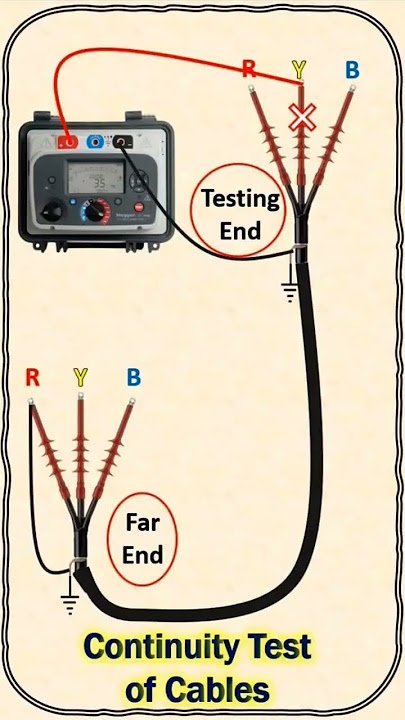
Electrical continuity testing is crucial to ensure the safety and functionality of electrical systems. Imagine confidently handling your electrical projects, knowing they are safe and reliable.
Sounds great, right? But to reach that level of assurance, you must perform these tests carefully. Mistakes can lead to dangerous situations, so understanding safety tips is essential. This blog post is designed just for you, to guide you through the process safely and effectively.
Dive in to learn how to protect yourself and your electrical systems with expert advice and practical tips. Your safety and peace of mind are just a few steps away.
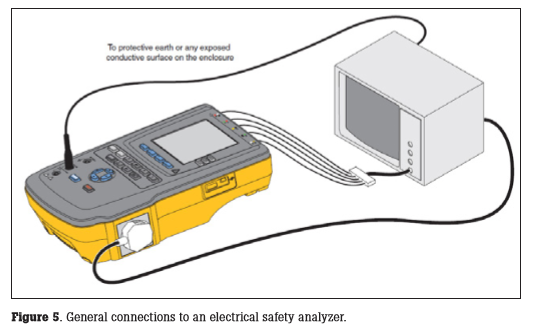
Credit: www.flukebiomedical.com
Basics Of Continuity Testing
Continuity testing checks if electricity can flow through a wire or circuit. It helps find breaks or faults in electrical paths.
This test is important for safety and fixing electrical problems in homes or devices.
Purpose Of Continuity Tests
Continuity tests show if a circuit is complete. If the path is broken, the test will fail. This helps in:
- Finding damaged wires
- Checking switches and fuses
- Verifying connections in devices
- Ensuring safety before powering equipment
Common Tools Used
| Tool | Use |
| Multimeter | Measures voltage, current, and continuity |
| Continuity Tester | Simple device to check if circuit is complete |
| Test Leads | Connect tools to circuit points |
| Probes | Touch small or hard-to-reach contacts |
Safety Gear Essentials
Electrical continuity testing is important but can be risky without the right gear. Safety gear helps protect you from shocks and other dangers.
Always wear proper equipment to keep yourself safe during testing. This guide covers key safety gear essentials.
Protective Equipment
Use protective equipment to avoid electric shocks and injuries. Insulated gloves and safety glasses are must-haves.
- Insulated rubber gloves protect your hands from electricity
- Safety glasses shield your eyes from sparks and debris
- Insulated mats prevent grounding and reduce shock risk
- Use face shields for extra protection when needed
Check all equipment for damage before use. Replace any worn or torn items immediately.
Proper Clothing
Wear clothing that reduces the chance of injury. Avoid loose clothes that can catch on equipment.
- Wear flame-resistant shirts and pants
- Choose non-conductive footwear with rubber soles
- Avoid metal accessories like rings or bracelets
- Wear long sleeves to protect your arms from sparks
Proper clothing helps keep you safe from burns and electrical hazards. Always dress carefully before testing.
Preparing For The Test
Electrical continuity testing helps find breaks or faults in circuits. Safety is key before starting any test.
Proper preparation protects you and your equipment during the test.
Power Shutdown Procedures
Always turn off power before testing continuity. This stops electric shocks and damage.
Follow these steps to shut down power safely:
- Locate the main power switch or circuit breaker
- Turn off the power to the circuit you will test
- Use a voltage tester to confirm power is off
- Lock the switch or breaker if possible to prevent accidental restart
- Inform others nearby about the power shutdown
Inspecting Equipment
Check your testing tools before use. Damaged equipment can cause wrong results or injuries.
Look for these signs when inspecting tools:
- Cracked or worn insulation on test leads
- Loose or broken connectors
- Corrosion or dirt on contacts
- Proper functioning of the continuity tester
- Correct calibration if needed
Safe Testing Techniques
Electrical continuity testing helps check if a circuit is complete. It is important to follow safe testing methods. This keeps you safe and protects equipment.
Using the right tools and following safety steps prevents accidents. Always prepare before you start any electrical testing task.
Correct Use Of Testers
Use testers according to their instructions. Check the tester’s condition before use. Damaged leads or broken parts can cause wrong results or shocks.
Set the tester to the correct mode for continuity testing. Connect the probes properly. Make sure the circuit power is off unless the tester is designed for live testing.
- Inspect tester for damage before use
- Select the correct test setting
- Connect probes firmly to test points
- Turn off power unless using live testers
- Hold probes by insulated handles only
Avoiding Electrical Hazards
Always switch off power before testing continuity. Never test live circuits unless your tester is rated for it. This reduces shock risk.
Wear personal protective equipment like gloves and safety glasses. Keep your work area dry and clean. Avoid metal jewelry that can cause short circuits.
- Turn off power and lock out circuits
- Use insulated gloves and safety glasses
- Keep the workspace dry and tidy
- Remove rings, watches, and metal items
- Follow all electrical safety rules
Handling Faulty Circuits
Electrical continuity testing checks if circuits have a complete path. Faulty circuits can cause hazards and damage. It is important to handle them carefully to stay safe.
Following safety tips helps avoid shocks and fires. Always prepare well before testing or fixing circuits that do not work properly.
Identifying Risks
Faulty circuits can have hidden dangers. Look for signs like sparks, smells, or burnt parts. These signs show risks that need attention.
Check if wires are damaged or loose. Faulty insulation or wet areas increase danger. Always be aware of what can cause electric shocks.
- Burn marks or melted wires
- Unusual sounds like buzzing
- Smell of burning plastic or rubber
- Loose or exposed wiring
- Wet or damp environments near circuits
Steps To Take
Before testing, turn off power to the circuit. Use proper tools like insulated testers and gloves. Never touch wires with bare hands.
After testing, fix or replace faulty parts. If unsure, call a professional electrician. Always follow safety rules to prevent accidents.
- Switch off the main power supply
- Use insulated tools and safety gloves
- Test circuits only with power off, unless specified
- Replace damaged wires or components
- Call experts if the problem is complex
Common Mistakes To Avoid
Electrical continuity testing is vital for safety and performance. Many errors can cause false results or damage.
Avoiding common mistakes helps ensure reliable tests and protects both the tester and equipment.
Ignoring Manufacturer Guidelines
Many people skip reading the manufacturer’s instructions. This can lead to incorrect test methods or damage.
- Using wrong test settings for the device
- Failing to use recommended accessories or probes
- Ignoring maintenance instructions for the tester
- Testing on damaged or incompatible equipment
- Not following the advised test sequence
Overlooking Environmental Factors
Environmental conditions affect test accuracy and safety. Ignoring them causes errors or hazards.
| Environmental Factor | Impact on Testing | Precaution |
| Humidity | May cause false continuity due to moisture | Test in dry conditions |
| Temperature | Extreme heat or cold affects meter accuracy | Allow tester to acclimate |
| Dust and Dirt | Can block contacts and probes | Clean equipment before testing |
| Electrical Noise | Interferes with readings | Test away from heavy machinery |
Maintenance And Calibration
Electrical continuity testers must be well maintained for safe use. Regular calibration keeps results accurate and reliable.
Proper care prevents tool damage and reduces the risk of false readings during testing.
Tool Care Tips
Keep continuity testers clean and dry to avoid corrosion. Store them in a safe place away from dust and moisture.
Inspect cords and probes for cracks or damage before each use. Replace any worn parts to prevent electric shocks.
- Wipe tools with a dry cloth after use
- Avoid dropping or hitting the tester
- Store tools in a protective case
- Check battery condition regularly
Ensuring Accurate Results
Calibrate your continuity tester regularly to maintain precision. Follow the manufacturer’s instructions for calibration procedures.
Test the tool on a known good conductor before use. This confirms the tester works correctly and gives accurate readings.
- Schedule calibration checks monthly or as recommended
- Use certified calibration equipment
- Document calibration dates and results
- Do not use the tester if calibration is overdue
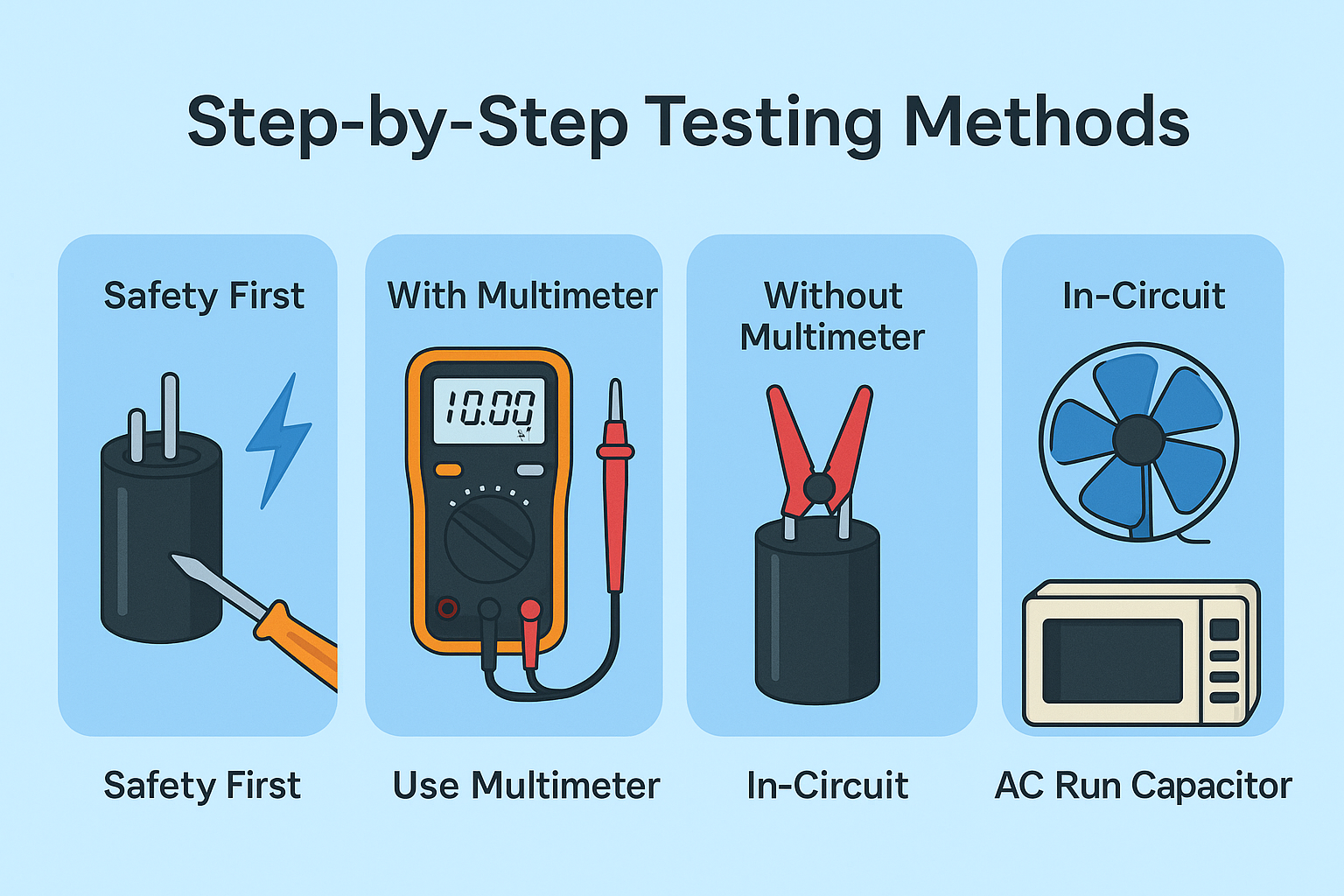
Credit: www.ersaelectronics.com
Emergency Response Measures
Electrical continuity testing is important for safety. Sometimes accidents happen. Knowing how to respond in emergencies saves lives.
This guide covers key actions for dealing with electric shock and basic first aid steps to follow.
Dealing With Electric Shock
If someone gets an electric shock, act quickly but safely. Do not touch the person if they are still in contact with the electrical source.
Turn off the power or use a non-conductive object like wood to separate the person from the electricity.
- Switch off the power supply immediately.
- Use dry wooden or plastic objects to move the victim.
- Do not touch the victim with bare hands if the power is on.
- Call emergency services right away.
First Aid Basics
After removing the person from the electrical source, check their breathing and pulse. If needed, start CPR.
Keep the person calm and warm until help arrives. Do not give food or drink if they are unconscious.
- Check for breathing and pulse.
- Perform CPR if the person is not breathing.
- Cover burns with a clean cloth.
- Keep the person still and warm.
- Wait for medical professionals to take over.
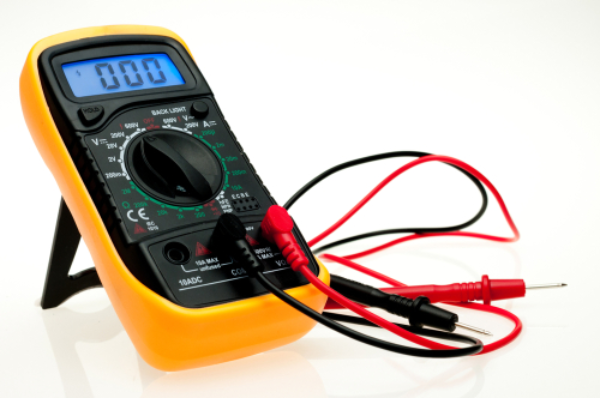
Credit: mrelectric.com
Frequently Asked Questions
What Is Electrical Continuity Testing?
Electrical continuity testing checks if a circuit is complete. It ensures current can flow through wires or components without breaks.
Why Is Safety Important In Continuity Testing?
Safety prevents electric shock and equipment damage. Proper precautions avoid accidents and ensure accurate test results.
How Do I Prepare For Continuity Testing?
Turn off power and discharge capacitors. Use insulated tools and wear safety gear like gloves and goggles.
What Tools Are Best For Continuity Testing?
A digital multimeter or continuity tester is ideal. They provide quick, reliable readings and often include safety features.
Conclusion
Electrical continuity testing needs care and attention every time. Always check your tools before use. Wear safety gear to protect yourself. Keep the work area dry and clean. Never test live circuits without proper precautions. Following these safety tips prevents accidents and saves lives.
Stay alert and take your time during tests. Safety is simple but very important. Keep these tips in mind for safe electrical work.
