Are you considering tackling some electrical projects around your home? While DIY projects can be rewarding and cost-effective, they come with their own set of risks, especially when electricity is involved.
Don’t let a simple mistake turn into a costly or dangerous situation. You’ll discover essential electrical safety tips that every DIY enthusiast needs to know. By understanding and applying these guidelines, you can protect yourself, your family, and your home.
Keep reading to ensure your next DIY project is not only successful but also safe and sound. Your peace of mind is just a few tips away!
Credit: education.theiet.org
Basic Electrical Safety Rules
Working with electricity needs care and attention. Following safety rules helps prevent accidents and injuries.
These simple rules protect you and your home during any DIY electrical work.
Turn Off Power Before Work
Always switch off the main power before starting electrical work. This stops electricity from flowing.
Use a circuit tester to check the power is off. Never assume wires are safe to touch.
- Find the correct breaker or fuse
- Turn it off completely
- Use a tester to confirm no power
Use Insulated Tools
Use tools with insulated handles to protect against electric shock. These tools have rubber or plastic coatings.
Insulated tools help keep electricity from passing through your body during work.
- Use screwdrivers with insulated grips
- Choose pliers and cutters with rubber handles
- Check tools for damage before use
Avoid Water Near Electrical Work
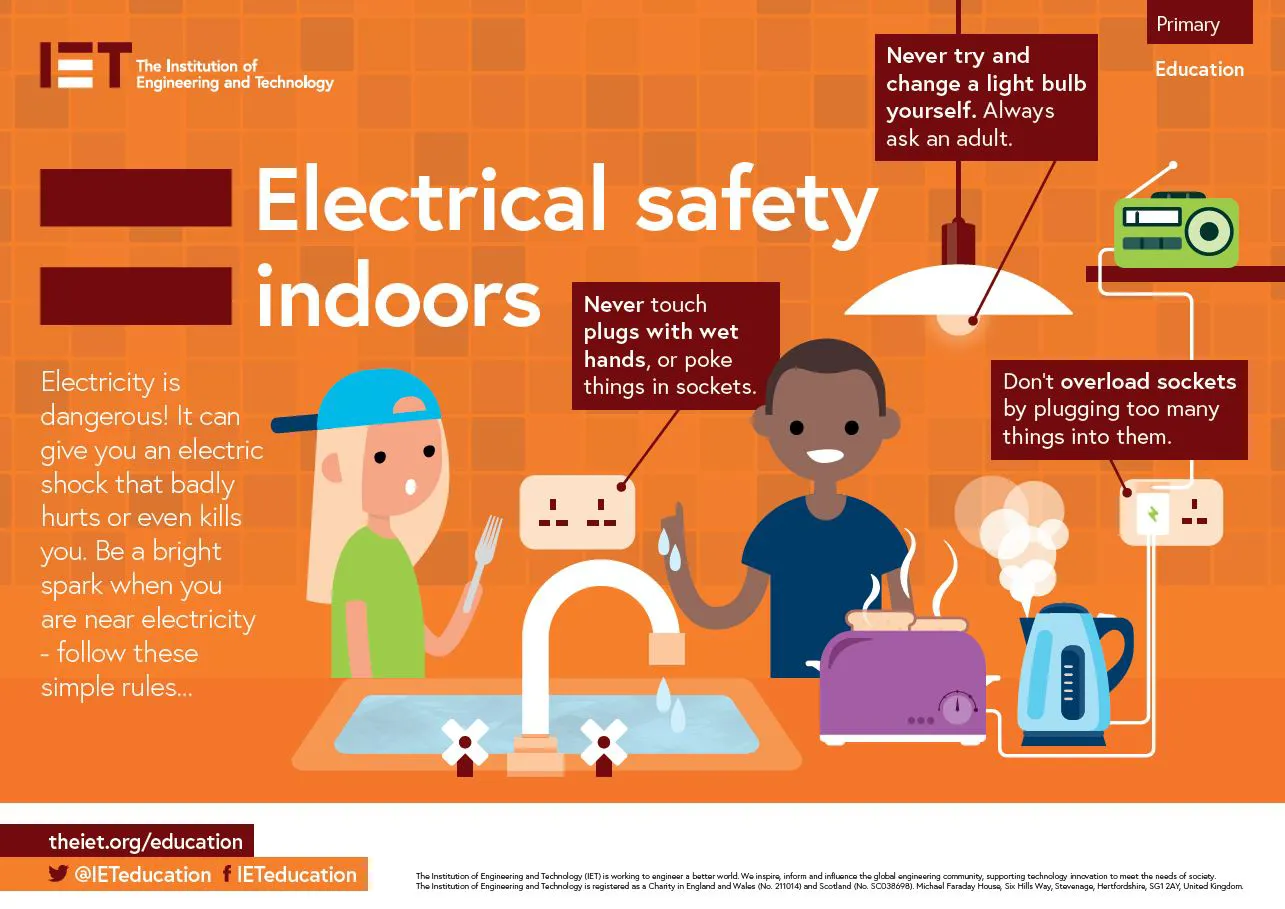
Water and electricity do not mix. Keep your work area dry to avoid shocks.
Do not work on electrical devices if the floor or hands are wet.
- Dry your hands before handling tools
- Do not work in damp rooms
- Fix leaks before starting work

Credit: expresselectricalservices.com
Personal Protective Equipment
Using personal protective equipment (PPE) is very important for electrical safety. PPE helps protect you from electric shocks and injuries while working on DIY electrical projects.
Wearing the right gear reduces risks and keeps you safe. Always prepare before starting any electrical work.
Wear Rubber-soled Shoes
Rubber-soled shoes help stop electric current from passing through your body. They act as a barrier between you and the ground.
Choose shoes with thick rubber soles and no holes. Avoid wearing sandals or barefoot when working with electricity.
Use Safety Glasses
Safety glasses protect your eyes from sparks, debris, and unexpected flashes. Electrical work can cause small particles to fly.
Wear clear safety glasses that fit well. Do not use regular glasses as they do not provide enough protection.
Wear Gloves For Protection
Insulated gloves protect your hands from electric shocks and cuts. Use gloves made for electrical work, not regular gloves.
Check gloves for holes or damage before use. Replace gloves if they are worn out to stay safe.
Safe Handling Of Electrical Devices
Working with electrical devices at home can be safe if you follow simple rules. Knowing how to handle these devices lowers the risk of shock or fire.
Always check your tools and cords before use. Use devices in the right way to keep yourself and your family safe.
Check Cords And Plugs
Before using any electrical device, look at the cords and plugs carefully. Do not use devices with damaged cords or broken plugs.
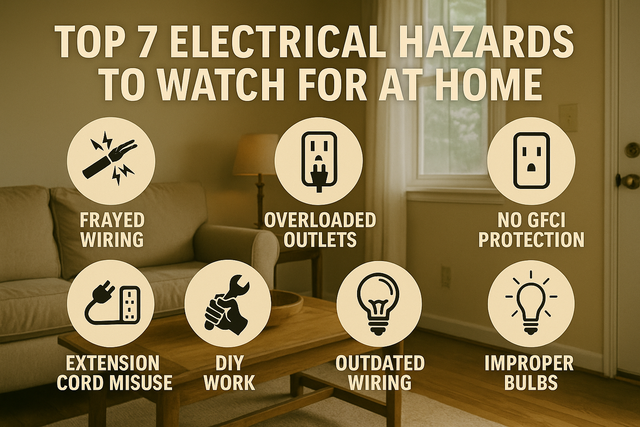
Frayed wires or loose plugs can cause shocks or start fires. Replace or repair damaged parts before use.
- Look for cracks or cuts on cords
- Check if plugs fit tightly in outlets
- Do not use cords with exposed wires
- Replace damaged cords immediately
Avoid Overloading Outlets
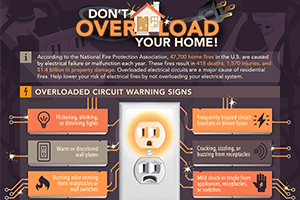
Plugging too many devices into one outlet can cause overheating. This can lead to electrical fires or damage to your devices.
Use outlets wisely and spread devices across different sockets. Turn off devices when not in use to reduce risk.
- Do not connect multiple power strips together
- Check the outlet’s max wattage before plugging devices
- Unplug devices when done to avoid overload
- Use outlets that are not damaged or loose
Use Proper Extension Cords
Choose extension cords that match the power needs of your devices. Using the wrong cord can cause overheating or damage.
Only use extension cords for temporary needs. Do not run cords under rugs or through doors where they can get damaged.
- Pick cords rated for the device’s power use
- Use outdoor cords for outside projects
- Do not use damaged or old extension cords
- Unplug cords when not needed
Working With Wiring And Circuits
Working safely with wiring and circuits is very important. You can avoid injuries by following simple safety steps.
Knowing how to handle electrical parts helps you finish your projects without problems.
Identify Circuit Breakers
Find the right circuit breaker before you start working. Turn off power to the area you will work on.
Label the breakers if they are not marked. This keeps you safe and avoids accidents.
Use Voltage Testers
Always check wires with a voltage tester before touching them. This tool shows if a wire has electricity.
- Turn off the circuit breaker first.
- Test the voltage tester on a known live wire.
- Check wires in the work area for voltage.
- Do not touch wires until tester shows no power.
Follow Wiring Color Codes
Use the right color codes for wires to avoid confusion. Color codes tell you which wire is live, neutral, or ground.
| Wire Color | Purpose |
| Black or Red | Live (Hot) Wire |
| White | Neutral Wire |
| Green or Bare Copper | Ground Wire |
Precautions For Outdoor Electrical Work
Working with electricity outside needs extra care. Outdoor conditions can cause hazards that indoor work does not have.
Follow safety tips to avoid shocks, injuries, or damage to your tools and home.
Keep Equipment Dry
Water and electricity are a dangerous mix. Always keep your tools and cords dry to prevent accidents.
- Do not use electrical tools in rain or wet areas.
- Store equipment in dry places when not in use.
- Use waterproof covers for plugs and outlets outdoors.
- Wear rubber-soled shoes to reduce shock risk.
Watch For Underground Wires
Before digging, check for hidden electrical cables underground. Hitting a wire can cause serious injury or power loss.
| Tip | Action |
| Call utility companies | Request a location map of underground wires. |
| Use a wire detector | Scan the area before digging. |
| Dig carefully | Use hand tools near marked wires, not machines. |
Use Ground Fault Circuit Interrupters
Ground fault circuit interrupters (GFCIs) stop electric shocks by turning off power quickly.
- Install GFCIs on all outdoor outlets.
- Test GFCIs monthly to ensure they work.
- Replace any faulty GFCIs immediately.
- Use portable GFCI adapters if fixed ones are not available.
Emergency Preparedness
Working with electricity at home can be risky. It is important to prepare for emergencies before they happen. Knowing what to do can save lives and reduce injuries.
Follow these safety tips to be ready in case of an electrical accident. Being calm and prepared helps you act quickly and safely.
Know First Aid For Electrical Shock
If someone gets an electrical shock, act fast but stay safe. Do not touch the person if they are still in contact with the source.
- Turn off the power source if possible.
- Call emergency services immediately.
- Use a non-conductive object to move the person away from the source.
- Check if the person is breathing and has a pulse.
- Start CPR if trained and necessary.
- Keep the person calm and warm until help arrives.
Keep Fire Extinguishers Nearby
Electrical fires can start quickly. Have a fire extinguisher ready in your work area. Make sure it is the right type for electrical fires.
| Extinguisher Type | Use |
| Class C | For electrical fires |
| Dry Chemical | Works on electrical and other fires |
| CO2 (Carbon Dioxide) | Safe for electrical fires, leaves no residue |
Keep the extinguisher visible and check it regularly. Learn how to use it before starting any electrical project.
Have Emergency Contacts Ready
In an emergency, quick contact with help is crucial. Keep a list of important phone numbers near your workspace.
- Local Emergency Services: 911 or your country’s emergency number
- Poison Control Center
- Nearest Hospital
- Electrician or Electrical Service Provider
- Family Member or Friend
Credit: www.casecontractinginc.com
Frequently Asked Questions
What Are The Basic Electrical Safety Tips For Diy Projects?
Always turn off the power before starting any work. Use insulated tools and wear rubber-soled shoes. Avoid wet areas and check for damaged wires. Follow manufacturer instructions and never overload circuits. These steps reduce shock risk and ensure safer DIY electrical tasks.
How Can I Prevent Electrical Shocks During Diy Work?
Turn off the main power supply before handling wires. Use insulated gloves and tools designed for electrical work. Avoid working in damp conditions and keep your hands dry. Always test wires with a voltage tester to confirm no current flow.
When Should I Call A Professional Electrician Instead Of Diy?
Hire a professional for complex wiring, new installations, or if unsure about safety. If local codes require licensed work, call an electrician. Complex tasks like breaker panel changes or faulty wiring need expert handling for safety and compliance.
What Personal Protective Equipment (ppe) Is Essential For Electrical Diy?
Wear insulated gloves, safety goggles, and rubber-soled shoes. Use tools with insulated handles. PPE protects against shocks, sparks, and debris. Always prioritize safety gear to minimize injury risks during electrical tasks.
Conclusion
Staying safe during electrical DIY tasks is very important. Always turn off power before starting any work. Use the right tools and check wires carefully. Don’t rush and follow instructions step by step. Small mistakes can cause big problems. If unsure, ask a professional for help.
Safety protects you and your home. Keep these tips in mind for every project. Simple actions can prevent accidents and injuries. Stay alert and work smart to finish safely. Your safety is worth the extra care.