Are you concerned about the safety of your home’s electrical system? You’re not alone.
Many homeowners worry about potential hazards lurking in their walls. Ensuring that your home wiring is safe and efficient is crucial for your peace of mind and the well-being of your loved ones. By mastering a few electrical testing tips, you can take proactive steps to safeguard your home.
Imagine the relief of knowing that your electrical setup is functioning properly, reducing the risk of unexpected outages or, worse, dangerous electrical fires. Dive into these essential tips, and empower yourself to make informed decisions about your home’s wiring. Your safety and comfort are worth it, so let’s get started on making your home a safer place.

Credit: elmershomeservices.com
Basic Tools For Electrical Testing
Testing home wiring is important for safety and function. You need the right tools to check electrical circuits properly. This guide covers basic tools used in electrical testing.
These tools help find issues like breaks, shorts, and poor connections in wiring. Knowing how to use them can save time and prevent accidents.
Multimeters And Voltage Testers
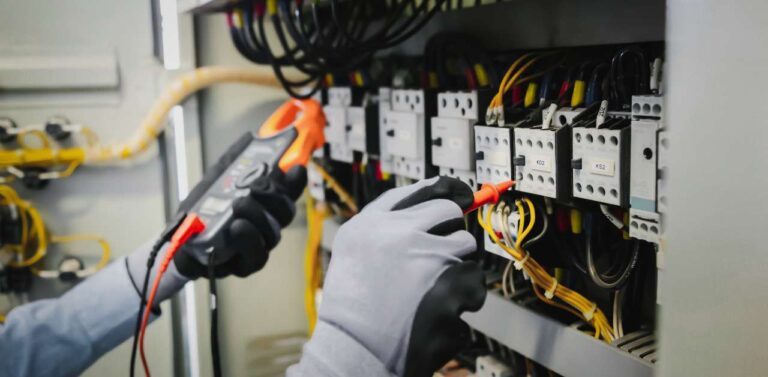
Multimeters measure voltage, current, and resistance in wires. Voltage testers check if a wire has electric power. Both tools are essential for quick and accurate tests.
- Multimeters can test AC and DC voltage.
- Voltage testers show live wires by lighting up or beeping.
- Use these tools to avoid electric shocks before working on wiring.
- They help check batteries, outlets, and switches.
Circuit Breaker Finders
Circuit breaker finders help locate the correct breaker controlling a wire or outlet. This tool saves time by identifying which switch to turn off before repairs.
| Feature | Purpose |
| Transmitter | Plugs into outlet or wire to send signal |
| Receiver | Scans breaker panel to find signal source |
| Signal Type | Usually audible beep or light flash |
| Use | Turn off correct breaker safely before work |
Insulation Resistance Testers
Insulation resistance testers check if wires are properly insulated. They measure resistance between conductors and ground to find leaks or damage.
Common uses include:
- Testing new wiring installations
- Checking old wiring for wear
- Ensuring safety in high voltage circuits
These testers apply a high voltage and measure resistance in megaohms.

Credit: www.esfi.org
Safety Precautions Before Testing
Testing home wiring is important to keep your electrical system safe. Before starting, you must follow safety rules. These rules protect you and your home from harm.
Always prepare well before doing any electrical testing. This helps avoid accidents and ensures accurate results.
Power Shutdown Procedures
Always turn off the power before testing any wiring. This stops electricity from flowing and lowers the risk of shock.
Make sure to switch off the main breaker or fuse box. Check twice that power is off before touching any wires.
- Locate the main electrical panel
- Turn off the main breaker or relevant circuit breaker
- Use a voltage tester to confirm power is off
- Lock or tag the breaker to prevent accidental turn-on
Using Personal Protective Equipment
Wear the right safety gear before testing. This equipment protects you from shocks and injuries.
Use insulated gloves and safety glasses. These reduce the chance of electrical burns and eye injury.
- Insulated rubber gloves rated for electrical work
- Safety glasses to protect eyes
- Non-conductive shoes or boots
- Wear clothes that cover your body fully
Avoiding Common Hazards
Be aware of common dangers when testing wiring. Avoid touching wet wires or working in damp places.
Keep your tools dry and use insulated handles. Stay focused to prevent mistakes that cause accidents.
- Never test wiring with wet hands
- Check your tools for damage before use
- Keep your workspace clean and dry
- Do not rush or work when tired
Testing Methods For Home Wiring
Testing home wiring ensures safety and proper function. It helps find problems before they cause damage or injury.
Different methods check various parts of your wiring system. Use the right tools and follow safety rules.
Continuity Testing
Continuity testing checks if wires connect properly. It finds breaks or loose connections in the circuit.
- Turn off power to the circuit.
- Set the multimeter to continuity mode.
- Touch the probes to each end of the wire.
- A beep or zero reading means good continuity.
- No beep or high reading shows a break.
Voltage Measurement
Voltage measurement shows if power flows in the wiring. It checks outlets, switches, and devices.
| Tool | Use | Safety Tip |
| Multimeter | Measure AC voltage at outlets | Wear insulated gloves |
| Voltage Tester | Test live wires | Do not touch metal parts |
| Clamp Meter | Measure current without disconnecting | Keep fingers away from jaws |
Grounding Checks
Grounding checks ensure electrical safety. Proper grounding protects from shocks and fires.
To check grounding:
- Turn off the main power.
- Use a multimeter on resistance mode.
- Test between ground wire and metal parts.
- Low resistance means good grounding.
- High resistance or no reading means a problem.
Identifying Wiring Issues
Checking your home wiring can prevent electrical hazards. Knowing how to spot problems saves time and money.
Some wiring issues are easy to miss. Learning key signs helps keep your home safe and powered correctly.
Detecting Loose Connections
Loose connections cause flickering lights and power loss. They may also create sparks or heat near outlets.
- Check switches and outlets for movement.
- Look for discoloration or burn marks.
- Listen for buzzing sounds from electrical points.
- Test affected circuits with a voltage tester.
Spotting Faulty Breakers
Faulty breakers trip often or fail to reset. This may cause frequent power outages in parts of your home.
| Symptom | Possible Cause | Action |
| Breaker trips quickly | Short circuit or overload | Inspect wiring and reduce load |
| Breaker won’t reset | Damaged breaker | Replace breaker |
| Breaker feels warm | Loose connection | Tighten terminals |
Recognizing Overloaded Circuits
Overloaded circuits cause frequent breaker trips and dim lights. Too many devices on one circuit cause this problem.
To avoid overload, follow these tips:
- Limit the number of devices on one circuit.
- Use energy-efficient bulbs and appliances.
- Spread out high-power devices across circuits.
- Upgrade your electrical panel if needed.
Tips To Enhance Accuracy
Testing home wiring needs care and focus. Small errors can cause big problems. Accurate testing keeps your home safe.
Use the right methods to improve your test results. Follow clear steps to get the best outcomes.
Calibrating Your Tools
Check your tools before each use. Calibration ensures your meters and testers show the right values. Use a known reference to adjust your device.
- Turn on the tool and let it warm up for a few minutes.
- Use a calibration device or a certified reference.
- Adjust the tool to match the reference value exactly.
- Repeat calibration regularly to keep accuracy.
Testing Under Different Conditions
Test wiring at various times and conditions. Temperature and humidity affect results. Try to simulate real operating conditions for better accuracy.
| Condition | Effect on Testing |
| Cold Weather | Can cause resistance to rise |
| High Humidity | May create false readings |
| Power Load | Stress wiring and affect voltage |
Documenting Test Results
Write down every test result clearly. Good notes help track problems and fixes. Use a simple format to avoid confusion.
- Date:Enter test date
- Location:Specify wiring area
- Tool Used:Name and model
- Reading:Voltage, current, resistance values
- Notes:Any unusual findings or actions taken
Credit: www.thacs.com.au
When To Call A Professional
Electrical problems can cause serious risks in your home. Knowing when to call an expert keeps your family safe.
Simple tests are fine for small issues. Complex problems need a licensed electrician’s help.
Signs Of Complex Wiring Problems
Some wiring issues look simple but are actually dangerous. Watch for these signs and call a pro if you see them.
- Lights flicker or dim often
- Frequent circuit breaker trips
- Warm or discolored outlet covers
- Burning smells near outlets or switches
- Buzzing sounds from electrical panels
- Outlets or switches that do not work
Legal And Safety Considerations
Electrical work must follow local laws and safety codes. Unlicensed work can cause fires and legal problems.
| Risk | Explanation |
| Fire Hazard | Poor wiring can start fires |
| Electric Shock | Faulty work risks injury |
| Code Violation | Illegal work may void insurance |
| Failed Inspection | Can delay home sale or repair |
Choosing The Right Electrician
Picking a skilled electrician helps avoid future trouble. Here are tips to find the best one for your home.
- Check for valid license and insurance
- Read customer reviews and ratings
- Ask about experience with home wiring
- Get a clear written estimate
- Confirm warranty or guarantee on work
Frequently Asked Questions
What Tools Are Essential For Electrical Testing At Home?
Basic tools include a multimeter, voltage tester, and circuit tester. These tools help check voltage, continuity, and circuit integrity safely and efficiently.
How Often Should Home Wiring Be Tested For Safety?
Home wiring should be tested every 3 to 5 years. Regular checks help detect faults early and prevent electrical hazards.
Can I Test Electrical Wiring Without Professional Help?
Yes, simple tests like voltage checks can be done safely by homeowners. However, complex issues require professional electricians to avoid risks.
What Are Common Signs Of Faulty Home Wiring?
Flickering lights, frequent breaker trips, and burning smells indicate wiring problems. Immediate testing and repairs are crucial to prevent electrical fires.
Conclusion
Testing your home wiring keeps your family safe and your devices working. Always use the right tools and follow safety steps. Check connections carefully and fix problems quickly. Regular tests help avoid bigger electrical issues later. Stay alert for signs of wiring trouble.
Simple checks can save time and money. Trust your skills but call a pro if unsure. Safety first. Keep your home’s electrical system strong and reliable.