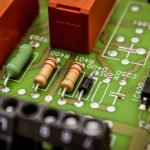
Are you tired of facing frustrating electrical problems in your circuits without knowing where to start? Imagine being able to quickly find and fix issues, saving time and avoiding costly mistakes.
This Electrical Troubleshooting Guide for Circuits is designed just for you. It breaks down complex steps into simple actions, helping you understand what’s wrong and how to fix it confidently. Keep reading, and you’ll gain the skills to tackle electrical problems like a pro—no more guesswork, just clear solutions.
Your next successful repair is closer than you think.

Credit: www.amazon.com
Common Circuit Issues
Electrical circuits can face various problems that stop them from working right. Knowing common circuit issues helps fix problems faster and keeps systems safe.
This guide covers short circuits, open circuits, ground faults, and overloads with overheating. Each type has clear signs and solutions to check.
Short Circuits
A short circuit happens when wires touch each other directly. This makes electricity flow the wrong way and can cause sparks or damage.
Common causes include damaged insulation, loose connections, or water inside electrical boxes. Short circuits often trip breakers quickly.
Open Circuits
An open circuit occurs when a wire breaks or a connection is loose. Electricity cannot flow, so parts of the circuit stop working.
- Broken wires inside cables
- Loose terminal screws
- Faulty switches or components
- Corrosion on connectors
Testing continuity with a multimeter helps find open circuits quickly.
Ground Faults
Ground faults happen when electricity escapes the normal path and touches the ground or metal parts. This can cause shocks or fires.
| Cause | Effect | Solution |
| Damaged insulation | Leak current to ground | Replace damaged wires |
| Moisture inside outlets | Short circuit to ground | Dry and seal outlets |
| Metal touching live wire | Shock hazard | Secure wiring and parts |
Overloads And Overheating
Overloads occur when too much current flows in a circuit. This causes wires and devices to heat up and can damage equipment.
Signs of overloads include:
- Warm or hot wires and outlets
- Frequent breaker trips
- Burning smell near electrical parts
To prevent overloads:
- Do not plug many devices into one outlet
- Use correct wire sizes for the load
- Install circuit breakers rated for the circuit

Credit: www.youtube.com
Essential Tools For Troubleshooting
Electrical troubleshooting needs the right tools to find problems fast. Using these tools helps fix circuits safely and correctly.
Each tool has a special job in testing and checking electrical parts. Knowing how to use them makes repairs easier.
Multimeters And Testers
Multimeters measure voltage, current, and resistance in circuits. They help find shorts and open wires.
Testers check if power is present in wires or devices. They are simple tools for quick checks.
- Multimeters can be digital or analog.
- Use multimeters to test batteries, wires, and switches.
- Testers show if electricity flows through a circuit.
- Always turn off power before testing resistance.
Oscilloscopes
Oscilloscopes show electrical signals as waveforms on a screen. They help see how signals change over time.
These tools are useful for testing complex circuits and electronic devices. They show if signals are clean or noisy.
- Oscilloscopes display voltage changes clearly.
- They help find timing problems in circuits.
- Use probes to connect the scope to test points.
- Adjust settings to see different signal details.
Circuit Tracers
Circuit tracers find wires inside walls or underground. They help follow wires without damage.
These tools send a signal through the wire. The receiver helps locate the wire’s path and breaks.
- They work well in crowded wiring areas.
- Use tracers to find breaks and shorts.
- Can trace wires in walls, floors, and ceilings.
- Some models have tone generators for easier tracking.
Insulation Resistance Testers
Insulation resistance testers check how well wires resist electricity leaking. They find worn or damaged insulation.
These testers apply high voltage and measure resistance. High resistance means good insulation; low means a problem.
- Often called “megohm meters” or “megger.”
- Used on motors, cables, and electrical panels.
- Helps prevent electric shocks and fires.
- Test insulation before and after repairs.
Step-by-step Diagnostic Process
Electrical troubleshooting helps find problems in circuits. Following clear steps makes fixing easier and faster.
This guide explains a simple process to check circuits. You learn how to inspect, test, analyze, and isolate faults.
Visual Inspection Techniques
Look closely at the circuit for obvious signs of damage. Check for burnt parts, loose wires, or broken connections.
Use good lighting and a magnifying glass if needed. Clean the area to see all details clearly.
- Check for burnt or melted components
- Look for loose or disconnected wires
- Inspect solder joints for cracks
- Find corrosion or dirt on contacts
Testing Voltage And Continuity
Use a multimeter to measure voltage at different points. This shows if power flows correctly through the circuit.
Test continuity to ensure wires and paths are complete. No continuity means a break or open circuit.
- Set the multimeter to voltage mode for power tests
- Check voltage against the circuit’s expected values
- Switch to continuity mode to test wire connections
- Listen for beeps indicating good continuity
Analyzing Signal Patterns
Observe signals using an oscilloscope or logic analyzer. This helps find timing or waveform issues in digital circuits.
Compare signals to what the circuit should produce. Irregular patterns may show where the fault is located.
- Connect the scope probe to test points
- Check signal shape and frequency
- Look for unexpected drops or spikes
- Compare with known good signal patterns
Isolating Faulty Components
Remove or disconnect parts to see if the problem stops. This narrows down which component causes the issue.
Replace or test each suspect part separately. Use datasheets and manuals to check correct function.
- Disconnect one component at a time
- Test circuit after each removal
- Use known good replacement parts to test
- Refer to component specifications for testing

Credit: htcautorepair.com
Safety Practices During Troubleshooting
Electrical troubleshooting can be dangerous without proper safety practices. Always follow rules to protect yourself and others. Safety should be the top priority before starting work on any circuit.
Understanding how to work safely with electricity reduces accidents. Use the right tools and follow procedures to stay safe.
Personal Protective Equipment
Wear the correct personal protective equipment (PPE) to prevent injuries. PPE protects your body from electrical shocks and burns.
- Insulated gloves to avoid electric shock
- Safety glasses to protect eyes from sparks
- Flame-resistant clothing to reduce burn risk
- Non-conductive boots to prevent grounding
- Hard hats to protect from falling objects
Lockout-tagout Procedures
Lockout-tagout (LOTO) stops machines from turning on during repairs. It ensures circuits are de-energized and safe to work on.
| Step | Description |
| 1 | Turn off the power supply |
| 2 | Attach lock to power switch |
| 3 | Place a tag warning others not to turn on |
| 4 | Test to confirm power is off |
| 5 | Perform troubleshooting work safely |
Handling Live Circuits
Live circuits carry current and can cause shocks or burns. Only trained people should handle them with care.
- Use insulated tools designed for electrical work
- Keep one hand away to reduce shock risk
- Stand on dry, non-conductive surfaces
- Avoid wearing metal jewelry or watches
- Never touch exposed wires or terminals directly
Emergency Response Tips
Be ready to act quickly in case of electrical accidents. Knowing emergency steps can save lives and limit injury.
- Turn off the power source if safe to do so
- Call emergency services immediately
- Do not touch the injured person if still in contact with electricity
- Use a non-conductive object to separate person from circuit
- Perform CPR if trained and necessary
- Keep the injured person calm and wait for help
Advanced Troubleshooting Strategies
Electrical troubleshooting is key to fixing circuit issues safely and quickly. Using advanced strategies helps find faults that are hard to detect.
This guide covers four powerful methods. Each method improves your ability to diagnose complex circuit problems.
Using Thermal Imaging
Thermal imaging cameras detect heat patterns in circuits. Hot spots often point to bad connections or overloaded parts.
Scan the circuit while it is running. Look for areas with unusual heat. This technique helps find hidden faults without touching live parts.
Interpreting Error Codes
Error codes tell you what part of the circuit has a problem. Each code matches a specific issue or sensor reading.
- Check the device manual for code definitions.
- Note any blinking lights or display messages.
- Use a code reader if available for more details.
- Record codes and symptoms for future reference.
Software-based Diagnostics
Many circuits connect to software tools. These tools run tests and show real-time data from sensors and components.
| Software Tool | Main Function | Benefit |
| Oscilloscope App | Measures signal waveforms | Finds timing errors |
| Multimeter Interface | Displays voltage and current | Checks power levels |
| Diagnostic Scanner | Reads fault codes | Speeds error identification |
Predictive Maintenance Approaches
Predictive maintenance uses data to forecast failures before they occur. It saves time by preventing breakdowns.
- Vibration analysis to detect mechanical wear
- Regular thermal scans to spot overheating
- Monitoring electrical load changes over time
- Using sensors to track circuit health continuously
Preventive Measures For Circuit Health
Keeping electrical circuits healthy helps avoid failures and saves repair costs. Regular care stops small problems from growing.
Simple actions can protect circuits and keep them working well for a long time.
Regular Maintenance Schedules
Check circuits often to find issues early. Set a routine to inspect and clean parts.
Replace old or worn parts before they cause problems. Use tools to test circuit function regularly.
- Inspect wiring and connections monthly
- Clean dust and debris from components
- Test circuit breakers and fuses
- Measure voltage and current for anomalies
Proper Circuit Design
Design circuits to handle the right amount of power. Avoid overloading wires and parts.
Use quality components and follow safety rules. Good design reduces the risk of faults.
- Choose correct wire sizes
- Include fuses or circuit breakers
- Plan for enough space and cooling
- Use clear labeling and diagrams
Surge Protection
Surges can damage circuits quickly. Use devices that block or limit high voltage spikes.
Install surge protectors at key points to keep circuits safe from sudden power jumps.
- Use surge protection devices on main panels
- Protect sensitive electronics with dedicated protectors
- Replace surge protectors after strong surges
- Check grounding systems regularly
Environmental Controls
Keep circuits away from moisture, dust, and extreme temperatures. These conditions cause damage fast.
Use enclosures and ventilation to protect and cool electrical parts.
- Install circuits in dry, clean areas
- Use sealed boxes for dust protection
- Ensure good airflow to prevent overheating
- Control humidity with dehumidifiers if needed
Frequently Asked Questions
What Are Common Causes Of Circuit Failures?
Common causes include loose connections, damaged components, short circuits, and power surges. Regular inspections help detect these issues early.
How Can I Safely Troubleshoot Electrical Circuits?
Always turn off power before testing. Use insulated tools and wear safety gear. Follow proper procedures to avoid shocks.
What Tools Are Essential For Circuit Troubleshooting?
Multimeter, wire strippers, screwdrivers, and circuit testers are essential. These tools help measure voltage, current, and continuity accurately.
How Do I Identify A Short Circuit In Wiring?
Look for burnt smells, tripped breakers, or melted insulation. Use a multimeter to check for continuity where it shouldn’t exist.
Conclusion
Solving electrical issues can be tough, but you can succeed. Follow the steps outlined in this guide. Stay safe and patient during the process. Check connections carefully and use the right tools. If unsure, consult a professional. Regular maintenance helps prevent future problems.
Keep learning and practicing. Your circuits will thank you. Remember, safety always comes first. Understanding basics makes troubleshooting easier. With time, you’ll gain confidence. Keep this guide handy for future reference. Happy troubleshooting!