If you work with tools or handle DIY projects, a bench vise can become your best friend. But how do you choose the right one?
And are you using it to its full potential? This guide to bench vises will give you clear, simple answers that save you time and effort. By the end, you’ll feel confident picking the perfect vise for your needs and using it like a pro.
Ready to make your work easier and more precise? Let’s dive in.

Credit: www.amazon.ca
Choosing The Right Bench Vise
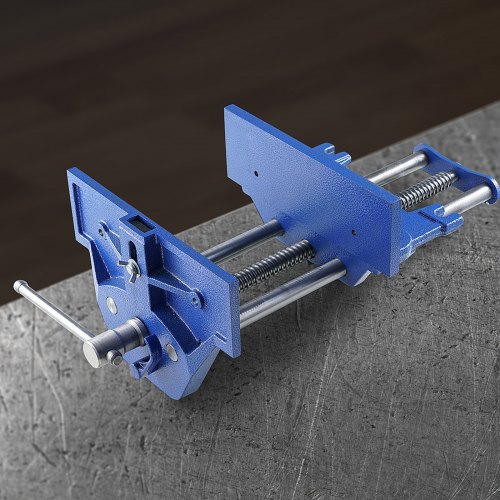
Bench vises hold objects firmly while you work. Picking the right one makes tasks easier and safer.
Consider the type, material, and size of the vise before buying. These affect how well it fits your needs.
Types Of Bench Vises
Different bench vises fit different jobs. Choose one based on what you will work on most.
- Standard Bench Vise:Good for general tasks like holding wood or metal.
- Pipe Vise:Holds round pipes securely for cutting or threading.
- Clamp-on Vise:Easy to move and attach to different surfaces.
- Machine Vise:Used in metalworking machines for precision work.
Material And Build Quality
Strong materials give your vise a longer life. Look for tough metals that resist wear.
Cast iron is common for good strength. Steel parts add durability in moving areas.
- Cast Iron: Heavy and strong, good for most work.
- Ductile Iron: More flexible and less likely to crack.
- Steel: Offers high strength, often used for jaws and screws.
- Aluminum: Lightweight but less strong, for light tasks.
Size And Jaw Width Considerations
Size matters for the tasks and space you have. Bigger jaws hold larger workpieces.
Jaw width affects how much material the vise can grip. Match jaw size to your project needs.
- Small Vises (2-4 inches):Best for small crafts and light work.
- Medium Vises (4-6 inches):Suitable for most home and workshop jobs.
- Large Vises (6+ inches):Used for heavy-duty tasks and large objects.
Installation Tips For Stability
Installing a bench vise securely is important for safety and performance. A stable vise keeps your work steady and prevents accidents.
This guide covers key tips to install your bench vise with good stability and ease of use.
Selecting The Ideal Mounting Surface
Choose a flat, sturdy surface for mounting your bench vise. The surface should not flex or move under pressure.
Wooden workbenches with thick tops or metal tables with strong frames work best. Avoid thin or hollow surfaces.
- Use a surface at least 1 inch thick
- Ensure no cracks or damage on the surface
- Check that the surface is level and stable
Proper Bolting And Fastening
Secure the vise with strong bolts to keep it from moving. Use bolts that fit the holes on your vise base.
Tighten nuts firmly but avoid over-tightening, which can damage the mounting surface or the vise.
- Use bolts at least 3/8 inch thick
- Add washers to protect the surface
- Use lock washers or thread locker to prevent loosening
- Tighten bolts evenly for balanced grip
Positioning For Optimal Access
Place the vise where you can reach it easily while working. The front edge of the bench is a good spot.
Make sure the handle can turn freely without hitting walls or tools. Leave enough space around the vise.
- Mount the vise near the edge of the bench
- Keep 6 to 12 inches of clearance on the sides
- Position the jaws so you can work comfortably
- Avoid placing the vise too close to corners
Maximizing Precision In Use
Bench vises hold workpieces steady during tasks. Using them precisely improves your work quality.
Small adjustments can make a big difference in accuracy. Learn to use your vise effectively.
Aligning Workpieces Accurately
Position the workpiece carefully before tightening the vise. Check the alignment from all sides.
Use a square or ruler to verify the angle. Proper alignment prevents mistakes and uneven cuts.
- Place the workpiece flat against the vise jaws
- Check vertical and horizontal alignment
- Adjust position before fully tightening
- Use measuring tools for precise angles
Adjusting Jaw Pressure
Apply enough pressure to hold the workpiece firmly. Avoid over-tightening to prevent damage.
Check the material type to set the right pressure. Soft materials need less force than hard ones.
- Tighten slowly and test grip strength
- Stop when the workpiece does not move
- Use less pressure on delicate materials
- Recheck pressure during long tasks
Using Soft Jaws And Inserts
Soft jaws and inserts protect workpieces from scratches and dents. They improve grip on irregular shapes.
Choose materials like rubber, plastic, or wood for soft jaws. Replace or adjust them based on your project.
- Attach soft jaws to the vise before clamping
- Use inserts for delicate or shaped workpieces
- Check for wear and replace if damaged
- Match soft jaw material to workpiece type

Credit: www.amazon.com
Maintenance For Longevity
Bench vises need regular care to work well for many years. Simple steps can keep them strong and safe.
Cleaning, checking, and fixing parts help the vise last longer. These tasks are easy to do and save money.
Regular Cleaning And Lubrication
Remove dust and dirt from your bench vise to avoid damage. Use a brush or cloth to clean all parts. Lubricate moving parts often to keep them smooth.
- Wipe the jaws and screw with a clean cloth
- Use light machine oil on the screw and sliding surfaces
- Remove old grease before adding new lubricant
- Clean after each use if the vise is used in dusty or wet areas
Inspecting For Wear And Damage
Check your bench vise for signs of wear or damage regularly. Look at the jaws, screw, and handle for cracks or bends. Catching problems early keeps the vise safe and useful.
| Part | What to Check | Signs of Wear |
| Jaws | Surface and grip | Cracks, chips, or worn teeth |
| Screw | Thread condition | Stripped or damaged threads |
| Handle | Straightness | Bent or loose handle |
Replacing Parts When Needed
Replace parts that are worn or broken. Using damaged parts can cause accidents or reduce the vise’s grip. Follow the manufacturer’s guide for replacement parts.
- Buy jaws that fit your vise model
- Use the correct screw and handle replacements
- Install parts carefully to avoid damage
- Keep spare parts for quick fixes
Safety Tips While Operating
Using a bench vise safely protects you from injuries. Always follow safety rules when working with a vise. Knowing how to use it properly helps avoid accidents.
This guide covers important safety tips to keep you safe. Focus on clamping techniques, avoiding over-tightening, and wearing protective gear.
Proper Clamping Techniques
Place the workpiece firmly between the jaws of the vise. Make sure it sits flat and does not slip out easily. Tighten the handle until the piece is secure but not forced.
Always clamp the workpiece close to the vise base. This reduces movement and increases stability. Use soft jaw covers to protect delicate materials from damage.
- Position the workpiece flat and steady
- Tighten the handle until secure
- Clamp near the vise base
- Use jaw covers for soft materials
Avoiding Over-tightening
Do not tighten the vise more than needed. Over-tightening can damage the workpiece or the vise itself. It can also cause the handle to slip and hurt your hand.
Turn the handle until the workpiece is held firmly but not crushed. If the piece bends or cracks, loosen the vise and try again. Use a torque wrench if you need precise pressure.
- Tighten only until firm hold
- Do not force the handle
- Check the workpiece for damage
- Use torque wrench for control
Protective Gear Recommendations
Wear safety glasses to protect your eyes from flying debris. Gloves can protect your hands but avoid loose ones that may catch on the vise. Use ear protection if you work with loud tools nearby.
Wear sturdy clothing that fits well. Avoid jewelry or accessories that might get caught. Keep your work area clean to prevent slips and trips.
- Wear safety glasses for eye protection
- Use close-fitting gloves
- Wear ear protection near loud tools
- Wear fitted clothing and remove jewelry
- Keep the work area clean
Credit: www.vevor.ca
Specialized Bench Vise Uses
Bench vises hold objects firmly while you work on them. They are useful in many tasks. Different types of vises suit different jobs.
Specialized bench vises help in specific tasks like woodworking, metalworking, and hobby projects. Each use needs unique vise features.
Woodworking Applications
Woodworkers use bench vises to hold wood pieces steady. This keeps the wood from moving while cutting or shaping.
Woodworking vises often have smooth jaws to avoid marking the wood. Some models include wooden jaw covers for extra protection.
- Hold planks for sawing or sanding
- Clamp small parts for gluing or drilling
- Use wood jaw inserts to protect surfaces
- Adjustable angles for better access
Metalworking Applications
Metalworkers need strong vises to hold metal parts tight. These vises have hard, serrated jaws for a better grip.
Metalworking vises resist heat and pressure. They help with cutting, filing, welding, and bending metal safely.
- Secure metal pieces during grinding or cutting
- Hold items for precise welding and soldering
- Use swivel bases for flexible positioning
- Use hardened steel jaws for durability
Hobby And Diy Projects
Hobbyists and DIY lovers use bench vises for many small tasks. These vises help keep parts steady and hands free.
These vises often come with features like quick-release or rotating heads. They work well for model building, electronics, or craft work.
- Hold small parts for painting or assembly
- Use soft jaws to avoid damage
- Quick-release for fast work changes
- Rotate vise for easy access to all sides
Frequently Asked Questions
What Is A Bench Vise Used For?
A bench vise holds materials firmly during work. It stabilizes objects for cutting, drilling, or shaping. This tool improves precision and safety in workshops. It is essential for woodworking, metalworking, and DIY projects.
How To Choose The Right Bench Vise?
Select a bench vise based on jaw width, opening capacity, and material. Consider the work type and size. Choose durable steel or cast iron for heavy tasks. Ensure it mounts securely to your workbench for stability.
How To Maintain A Bench Vise Properly?
Keep the bench vise clean and lubricated regularly. Remove dirt and debris from the screw and jaws. Apply oil to moving parts to prevent rust. Store it in a dry place to extend its lifespan.
Can Bench Vises Damage Delicate Materials?
Yes, bench vises can damage soft materials if clamped too tightly. Use jaw pads or protective covers to prevent marks or dents. Adjust the pressure carefully to avoid crushing delicate items.
Conclusion
Choosing the right bench vise boosts your woodworking efficiency. Think about your needs and workspace before buying. Remember, size matters. Larger vises hold bigger pieces. Smaller vises fit tighter spaces. Material impacts durability. Steel offers strength; cast iron provides stability.
Consider jaw width and opening size. These affect grip and versatility. Quick-release mechanisms save time. Swivel bases offer flexibility. A good bench vise lasts years. Invest wisely and enjoy smoother projects. Happy crafting!