Are you ready to use your drill press but worried about safety? Operating a drill press might seem straightforward, but one small mistake can lead to serious injury.
This guide will show you exactly how to handle your drill press with confidence and care. By following simple, clear steps, you’ll protect yourself and get the best results every time. Keep reading to learn how to make your drilling work safer and easier—your hands will thank you.
Credit: www.amazon.com
Choosing The Right Drill Press
Choosing a drill press that fits your needs improves safety and work quality. The right machine helps you drill holes accurately and reduces risks.
Look at different types and features before buying. Knowing these helps you pick a drill press that matches your projects and skill level.
Types Of Drill Presses
There are several types of drill presses. Each type works best for different tasks and spaces.
- Bench Drill Press:Small and fits on a workbench. Good for light jobs and small spaces.
- Floor Drill Press:Larger and stands on the floor. Suitable for heavy-duty drilling and bigger projects.
- Radial Drill Press:Has a movable arm. Allows drilling in different positions without moving the workpiece.
- Magnetic Drill Press:Portable and uses a magnet to stick to metal surfaces. Ideal for drilling steel beams and pipes.
Key Features To Consider
Check these features to find a drill press that is safe and easy to use.
| Feature | Why It Matters | What to Look For |
| Speed Settings | Different materials need different speeds to drill safely. | Variable speed control is best for more control. |
| Depth Stop | Prevents drilling too deep and damaging the workpiece or drill bit. | Easy-to-set and clear depth stops improve safety. |
| Table Size and Adjustability | A larger, adjustable table holds the workpiece steady and supports bigger items. | Look for tables that tilt and move up or down. |
| Chuck Size | Controls the size of drill bits you can use. | Common sizes are ½ inch or ⅝ inch for more bit options. |
| Safety Features | Protect you from accidents while drilling. | Check for guards, emergency stop buttons, and secure switches. |

Credit: www.amazon.com
Setting Up Your Drill Press
Setting up your drill press correctly is key to working safely. A good setup helps you control the tool better and avoid accidents.
Follow these tips to prepare your workspace and machine before drilling. Proper setup makes your work easier and safer.
Proper Workspace Arrangement
Keep your workspace clean and clear of clutter. Make sure there is enough light to see the drill and your workpiece well.
Place the drill press on a stable surface. This prevents it from tipping or moving while you work.
- Keep tools and materials organized nearby
- Remove any loose objects from the table
- Wear safety glasses and hearing protection
- Make sure the floor is dry and free of debris
Securing The Workpiece
Always fasten the workpiece before drilling. Use clamps or a vise to hold it firmly on the drill press table.
Do not hold the piece by hand while drilling. This can cause the material to spin and hurt you.
- Use clamps that fit the size of your workpiece
- Check that the piece does not move before starting
- Adjust clamps if the piece shifts during drilling
- Keep your hands away from the drill bit
Adjusting Speed And Depth
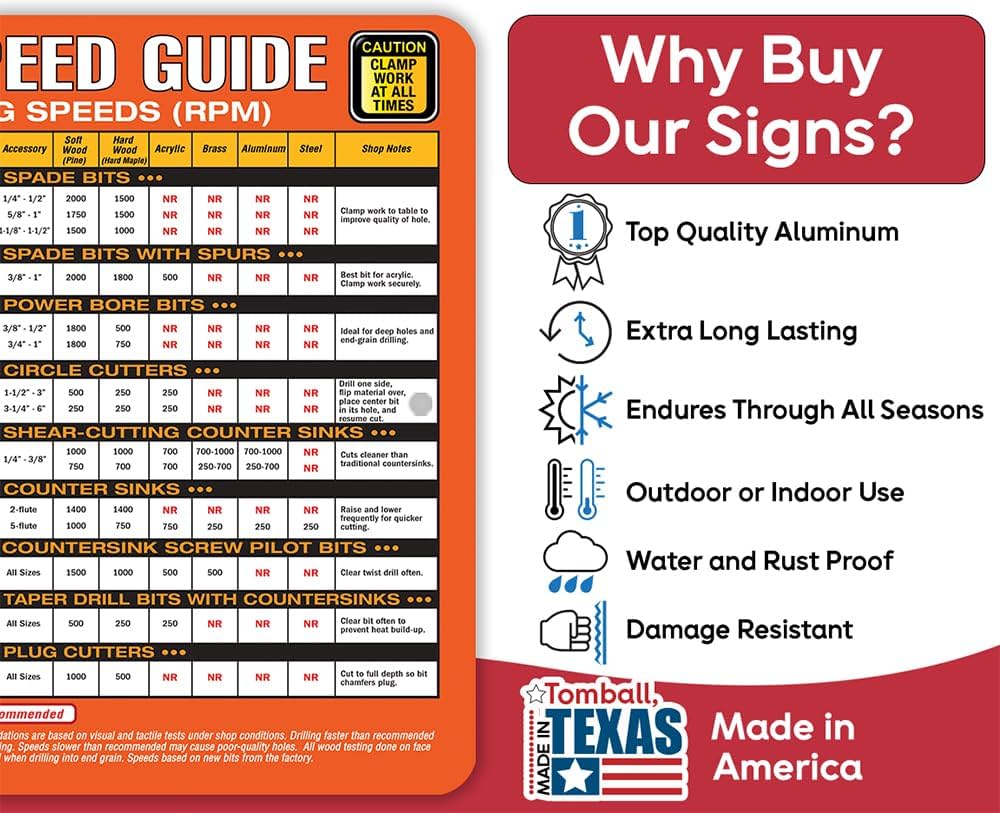
Set the drill press speed based on the material you are drilling. Soft materials need slower speeds, hard materials faster speeds.
Adjust the depth stop to control how deep the drill bit goes. This avoids drilling too far and damaging your workpiece or table.
- Check the drill press manual for speed settings
- Turn the speed control knob before starting the drill
- Set the depth stop by measuring the desired hole depth
- Test on scrap material if unsure about settings
Essential Safety Gear
Using a drill press can be dangerous without the right safety gear. Protecting yourself helps prevent injuries.
This guide covers the key safety equipment you must wear and use to stay safe.
Eye And Ear Protection
Always wear safety glasses to shield your eyes from flying debris. Use ear protection to avoid hearing damage from loud noise.
- Wear impact-resistant safety goggles or glasses
- Use earplugs or earmuffs to reduce noise
- Check that the protection fits well and is comfortable
Appropriate Clothing
Wear clothes that fit close to your body. Loose clothes can get caught in the drill press.
- Wear long sleeves but keep them tight at the wrists
- Remove jewelry and ties before operating
- Wear closed-toe shoes with good grip
- Tie back long hair to keep it away from moving parts
Using Safety Guards
Safety guards stop contact with moving parts. Always use guards supplied with the drill press.
| Guard Type | Purpose |
| Chuck Guard | Protects hands from the rotating chuck |
| Depth Stop | Prevents drilling too deep |
| Feed Handle Guard | Stops accidental contact with the handle |
Safe Operating Techniques
Using a drill press safely is important to avoid accidents. Following safe techniques keeps you and others safe. Learn how to start, control, and avoid hazards.
These tips help you work smoothly and prevent injuries. Always pay attention and use the correct methods.
Starting And Stopping Correctly
Make sure the drill press is set up before turning it on. Check the workpiece and tools for any damage. Clear the area around the machine.
- Secure the workpiece firmly to the table.
- Set the correct speed for the material and drill bit.
- Turn on the drill press using the switch.
- Wait for the drill to reach full speed before drilling.
- Once done, turn off the machine and wait for it to stop completely.
Maintaining Control
Keep your hands steady and away from the drill bit. Use clamps or a vise to hold the workpiece. Never force the drill; let it cut at its own pace.
| Tip | Reason |
| Wear safety glasses | Protect eyes from flying debris |
| Use a brush to clear chips | Keep hands away from moving parts |
| Hold the drill press handle firmly | Maintain steady pressure and control |
| Do not wear loose clothing | Prevent getting caught in the machine |
Avoiding Common Hazards
Drill presses can cause serious injuries if not used carefully. Watch for loose tools or debris on the table. Always keep the workspace clean and organized.
- Loose clothing or jewelry near the drill
- Using dull or damaged drill bits
- Forcing the drill through the material
- Not securing the workpiece properly
- Ignoring the machine’s maintenance needs
Maintenance Tips For Longevity
Keeping a drill press in good shape helps it work well for years. Regular care stops parts from breaking early. This guide covers simple ways to maintain your drill press.
Following these tips will keep your drill press safe and reliable. It also saves money by avoiding costly repairs. Let’s look at cleaning, lubrication, and checking parts.
Regular Cleaning
Dust and debris can cause damage if left on your drill press. Clean it often to keep it running smoothly. Wipe down the machine after each use to remove dirt and metal shavings.
- Use a soft brush or cloth to clean hard-to-reach areas
- Keep the table and base free of dust and scraps
- Remove chips from the drill chuck and spindle regularly
- Avoid water or harsh chemicals that can cause rust
Lubrication Practices
Lubricate moving parts to reduce friction and wear. Use the right oil or grease for each part. Regular lubrication keeps the drill press parts moving freely.
| Part | Type of Lubricant | Frequency |
| Spindle | Light machine oil | Before each use |
| Chuck | Light machine oil | Weekly |
| Gearbox | Grease | Monthly |
| Feed handles | Light oil | Monthly |
Checking For Wear And Tear
Inspect your drill press parts often. Look for signs of damage or looseness. Early detection helps you fix problems before they get worse.
- Check belts for cracks or fraying
- Test the chuck to ensure it grips tightly
- Look for wobbling or unusual noises during operation
- Make sure bolts and screws are tight
- Replace worn parts immediately
Troubleshooting Common Issues
Using a drill press safely means fixing problems quickly. Problems can stop work and cause harm.
This guide helps you fix usual issues like strange sounds, wrong drilling, and power troubles.
Unusual Noises
Strange sounds can mean a problem with your drill press. These noises warn you about damage or wear.
- Check if belts are loose or worn out.
- Look for loose screws or parts.
- See if the motor needs oil or cleaning.
- Ensure the drill bit is not bent or dull.
- Listen for grinding sounds, which may mean bearing issues.
Inaccurate Drilling
Drilling holes that are off mark can spoil your work. Accuracy is key for safe operation.
| Cause | Fix |
| Loose drill bit | Tighten the chuck firmly |
| Worn drill bit | Replace with a new sharp bit |
| Misaligned table | Adjust the table to be square |
| Wrong feed rate | Slow down the feed speed |
| Damaged spindle | Check and replace if needed |
Power Problems
Power issues stop the drill press from working. Fix power problems to stay safe and productive.
Try these fixes:
- Check if the power cord is plugged in securely.
- Inspect the cord for cuts or damage and replace if needed.
- Test the switch to make sure it turns on and off properly.
- Reset any tripped circuit breakers or replace blown fuses.
- Have a technician check the motor if power still fails.
Credit: ftp.spaceneedle.com
Frequently Asked Questions
How Do I Set Up A Drill Press Safely?
To set up safely, secure the drill press on a stable surface. Adjust the table height and lock the bit properly. Wear safety goggles and remove loose clothing. Always check the machine for damage before use.
What Personal Protective Equipment Is Essential For Drill Press Use?
Essential PPE includes safety goggles, ear protection, and gloves. Avoid loose clothing or jewelry to prevent entanglement. Use a dust mask if drilling materials produce dust. Proper PPE minimizes injury risks during operation.
How Can I Prevent Drill Bit Slippage?
Ensure the drill bit is tightly secured in the chuck. Use the correct bit size for the material. Apply steady pressure and avoid forcing the drill. Regularly check and maintain the chuck to keep it gripping firmly.
What Are Common Drill Press Hazards To Avoid?
Common hazards include bit breakage, flying debris, and entanglement. Avoid distractions and keep hands clear of the bit. Never leave the machine running unattended. Use clamps to secure workpieces for stability.
Conclusion
Operating a drill press safely is crucial. Safety first. Always. Wear protective gear every time. Understand the machine’s parts. Know their functions. Follow guidelines strictly. Maintain a clean workspace. Keep focus sharp. Distractions lead to accidents. Regularly inspect your drill press.
This ensures smooth operation. Replace worn-out parts promptly. Stay informed about safety updates. Practice enhances skill and confidence. Share safety tips with others. Encourage a safe working environment. Safety knowledge saves lives. Remember, a safe worker is a productive worker.
Keep learning. Stay safe. Happy drilling!