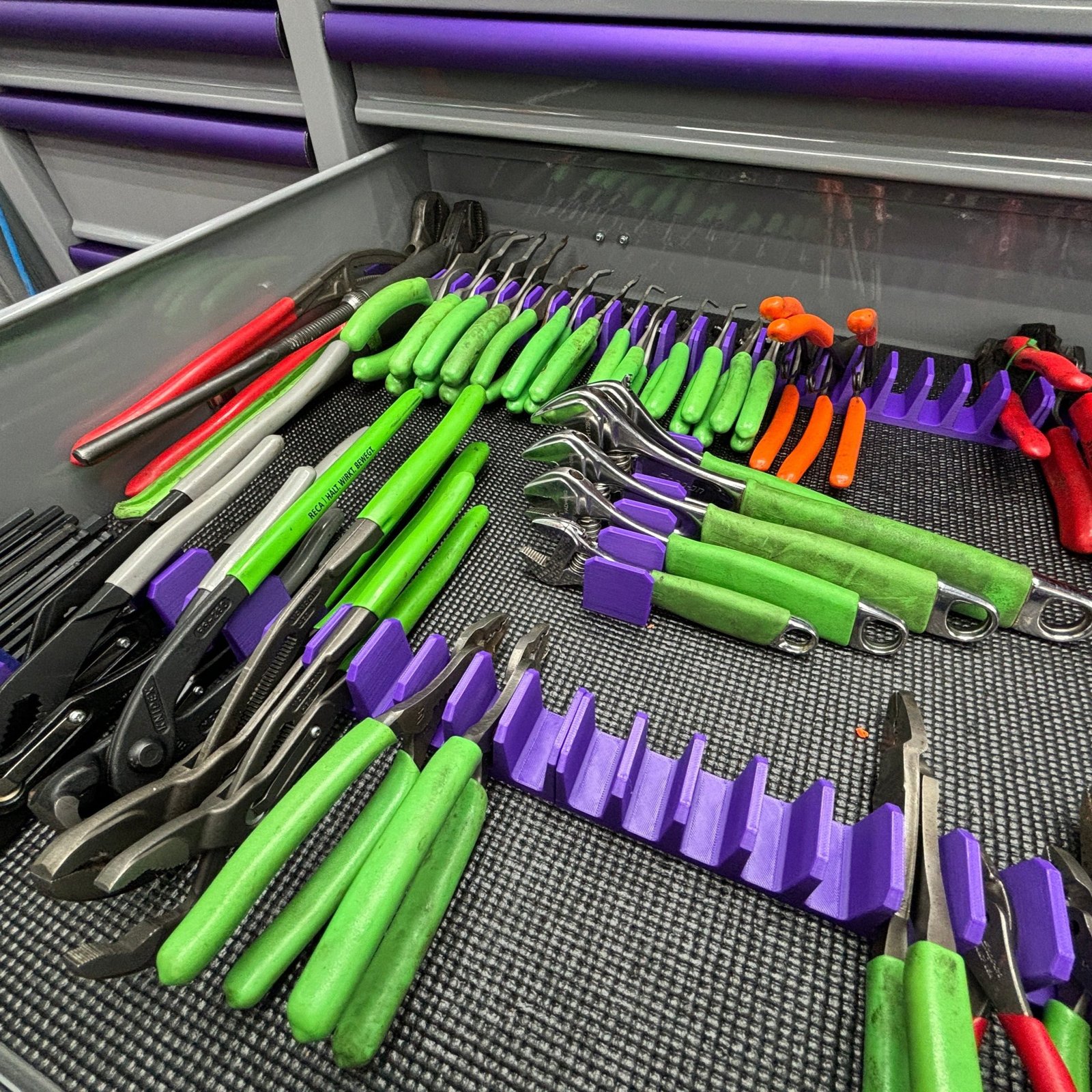
Are you tired of fumbling through a chaotic drawer every time you need a pair of pliers? Imagine the relief and satisfaction of opening a drawer to find every tool neatly organized and within easy reach.
In this guide, you’ll discover simple yet effective strategies to bring order to your tool chaos. We’ll share tips that not only save you time but also enhance your efficiency. Dive into the secrets of organizing pliers in drawers, and transform your workspace into a haven of productivity.
Your tools will thank you, and so will your future self!

Credit: www.sjworganizers.com
Choosing The Right Drawer
Selecting the right drawer is key to keeping your pliers organized. A well-chosen drawer helps you find tools quickly and saves space.
Think about the size, material, and how easy it is to reach your pliers. These factors improve your workspace and tool care.
Assessing Drawer Size
Measure the length, width, and depth of the drawer. Make sure it can hold all your pliers without crowding.
- Choose a drawer deep enough for long-handled pliers.
- Allow extra space for adding new tools later.
- Consider drawer dividers to separate different plier types.
- A wider drawer helps keep tools flat and visible.
Considering Drawer Material
Drawer materials affect durability and maintenance. Pick one that suits your work style and environment.
| Material | Advantages | Disadvantages |
|---|---|---|
| Wood | Sturdy and quiet | Can warp if wet |
| Metal | Strong and durable | May rust without coating |
| Plastic | Lightweight and easy to clean | Less durable under heavy load |
Evaluating Accessibility
Easy access saves time and protects your tools. Check how the drawer opens and how you reach inside.
Here are some tips to improve accessibility:
- Choose drawers with smooth sliding rails.
- Make sure the drawer pulls fully open.
- Use drawer organizers to keep pliers visible.
- Place the drawer at a comfortable height.
Preparing Pliers For Storage
Organizing pliers in drawers keeps your tools safe and easy to find. Proper preparation makes storage more effective.
Taking time to clean, sort, and inspect your pliers extends their life and keeps them ready for use.
Cleaning And Drying
Clean pliers remove dirt and grease that can cause rust. Use a cloth and mild soap to wipe each tool.
Dry pliers completely after cleaning. Moisture left on the metal can lead to corrosion and damage.
Sorting By Type And Size
Sorting pliers helps you find the right tool quickly. Group them by type and size before storing.
- Needle-nose pliers
- Slip-joint pliers
- Cutting pliers
- Linesman pliers
Inspecting For Damage
Check each pair of pliers for wear or damage. Look at jaws, handles, and pivot points carefully.
| Part | What to Check |
| Jaws | Look for chips, cracks, or uneven edges |
| Handles | Check for cracks or loose grips |
| Pivot | Ensure smooth movement without looseness |
Organizing Methods
Keeping pliers in order helps you find the right tool fast. Drawers can get messy without a plan.
Using different organizing methods can save space and protect your tools.
Using Drawer Dividers
Drawer dividers separate your pliers into sections. They keep tools from moving around.
You can buy adjustable dividers or make your own from wood or plastic strips.
- Sort pliers by size or type
- Place frequently used pliers in front
- Label each section for quick access
Employing Foam Inserts
Foam inserts hold pliers securely inside drawers. They protect tools from scratches.
You can cut foam to fit the shape of each plier. This creates a neat and safe storage.
- Use soft foam to avoid tool damage
- Cut custom slots for each plier
- Label slots to keep tools in place
Magnetic Strips And Holders
Magnetic strips attach to the inside of drawers or walls. They hold metal pliers firmly.
This method saves drawer space and keeps pliers visible and easy to grab.
- Mount strips where pliers fit easily
- Ensure magnets are strong enough to hold tools
- Keep heavier pliers on lower strips
Maximizing Space
Organizing pliers in drawers helps you save space and find tools fast. Proper placement and storage can keep your workspace neat.
Use smart methods to store pliers so you can fit more tools in less space. This guide explains key ways to arrange them.
Vertical Vs Horizontal Placement
Placing pliers vertically uses drawer height and keeps handles easy to grab. Horizontal placement lays tools flat and stacks better.
- Vertical placement saves drawer width and shows tool types clearly.
- Horizontal placement fits pliers side by side and allows stacking.
- Choose vertical for quick access and horizontal for compact stacking.
Stacking Techniques
Stack pliers carefully to avoid damage and keep tools visible. Use separators or trays to organize stacks inside drawers.
| Stacking Method | Advantages | Drawbacks |
| Simple Pile | Easy to do | Hard to find specific pliers |
| Divided Tray | Keeps pliers separated | Needs more drawer height |
| Vertical Dividers | Good for vertical placement | Limited stacking space |
Labeling For Quick Access
Labels help you find pliers quickly without searching. Use clear labels on the drawer or dividers.
- Write tool names on tape or stickers
- Use color codes for different plier types
- Place labels where they are easy to see
Maintaining Organization
Keeping pliers organized in drawers helps you find tools quickly. It also keeps your workspace neat and safe.
Regular care and smart habits keep your pliers drawer tidy over time. This guide explains how to maintain good order.
Regular Cleaning Routine
Clean your pliers and drawer often to stop dirt build-up. Wipe tools with a dry cloth after each use.
Remove all pliers from the drawer once a month. Use a soft brush or cloth to clear dust and debris inside.
- Wipe pliers to remove grease and dirt
- Clean drawer bottom and sides
- Check for rust or damage on tools
- Replace liners if dirty or worn
Periodic Reassessment
Look over your pliers and drawer setup every few months. Decide if each tool is used enough to keep.
Move or remove rarely used pliers to avoid clutter. This keeps the drawer focused on your main tools.
- Sort pliers by type and size
- Remove broken or unused tools
- Adjust drawer dividers for better fit
- Label sections to find tools fast
Avoiding Overcrowding
Do not put too many pliers in one drawer. Overcrowding makes it hard to find the right tool.
Leave space between tools to keep them safe and easy to grab. Use trays or dividers to separate pliers.
- Keep only needed pliers in each drawer
- Use drawer organizers to separate tools
- Store extra pliers elsewhere
- Check space regularly to avoid crowding

Credit: www.amazon.ca
Additional Storage Tips
Keeping pliers organized helps you find the right tool fast. Extra storage ideas make your workspace neat.
Try different storage options to save space and protect your tools.
Using Tool Rolls
Tool rolls are cloth or leather cases with pockets. They keep pliers in place and easy to carry.
Roll them up to save drawer space or take tools on the go. Tool rolls protect pliers from scratches and rust.
- Separate pliers by size or type in each pocket
- Label pockets for quick identification
- Choose water-resistant material for durability
Wall-mounted Options
Mounting pliers on the wall frees up drawer space. Use pegboards or magnetic strips for easy access.
Wall storage keeps tools visible and organized. It also helps keep your workbench clear.
- Install hooks or clips to hold pliers securely
- Arrange pliers by function or size for convenience
- Place wall mounts near your work area
Portable Storage Solutions
Portable boxes or cases let you carry pliers to different job sites. They protect tools and keep them organized.
Choose storage with compartments or foam inserts to prevent tool damage. Portable cases help keep tools clean.
- Look for lightweight cases with sturdy handles
- Use adjustable compartments for different pliers sizes
- Pick cases with secure locks for safety

Credit: toolguyd.com
Frequently Asked Questions
How Can I Organize Pliers Efficiently In Drawers?
Use drawer dividers or small containers to separate plier types. Arrange them by size or function for easy access and neat storage.
What Drawer Materials Work Best For Storing Pliers?
Wood or plastic drawer organizers are ideal. They protect pliers from damage and keep them securely in place.
How Do I Prevent Pliers From Rusting In Drawers?
Store pliers in a dry environment. Use silica gel packs or rust inhibitor sprays to minimize moisture and rust formation.
Can I Use Foam Inserts For Plier Organization?
Yes, foam inserts provide custom compartments for each plier. They prevent movement and damage, keeping tools well-organized.
Conclusion
Organizing pliers in drawers saves time and reduces clutter. Keep tools easy to find by sorting them by type and size. Use dividers or small containers to separate different pliers. Label each section clearly for quick access. Regularly check and tidy your drawer to maintain order.
A neat workspace helps you work faster and safer. Start organizing today for a stress-free toolbox tomorrow. Simple steps lead to big improvements in tool storage.