Choosing the right sanding block can make a huge difference in your project’s finish. Whether you’re smoothing wood, prepping walls, or working on a DIY craft, the right tool helps you work faster and get better results.
But with so many options out there, how do you know which sanding block fits your needs? This guide will walk you through everything you need to consider, so you can pick the perfect sanding block and take your work to the next level.
Keep reading to discover simple tips that will save you time and effort!
Types Of Sanding Blocks
Sanding blocks help smooth surfaces by holding sandpaper firmly. Different types suit different tasks and materials.
Choosing the right sanding block makes your work easier and improves the finish quality.
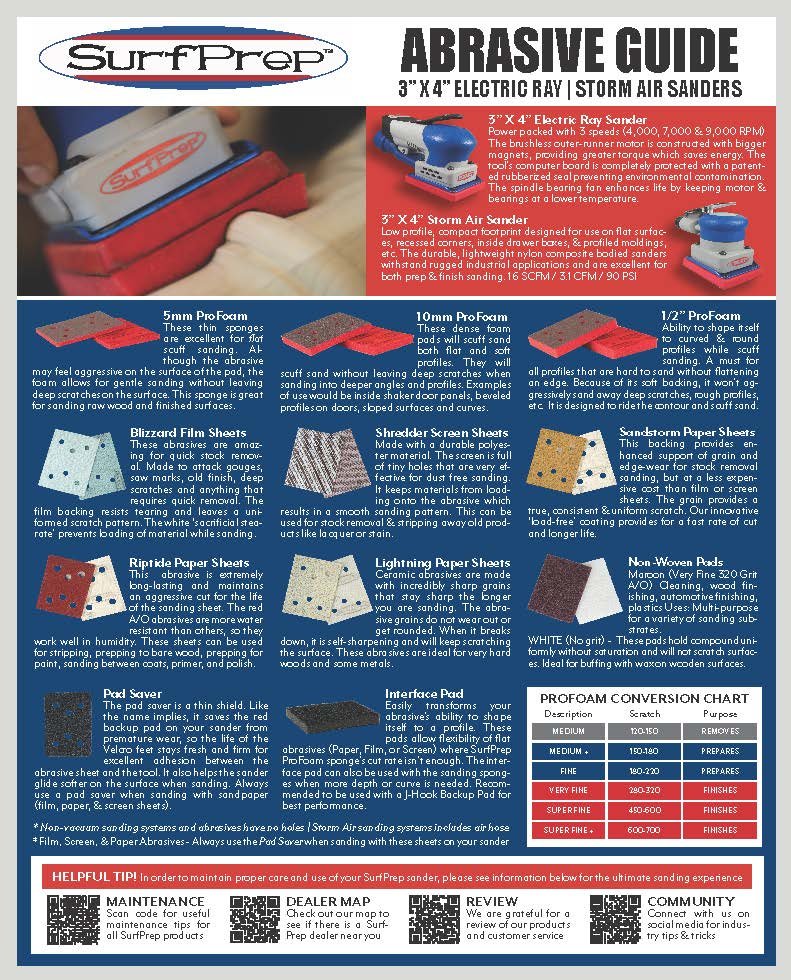
Foam Sanding Blocks
Foam sanding blocks are lightweight and flexible. They conform well to curves and uneven surfaces.
They are gentle on delicate materials and reduce the risk of gouging the surface.
Wooden Sanding Blocks
Wooden sanding blocks are sturdy and provide strong support for sandpaper. They work best on flat surfaces.
These blocks give you good control and pressure, which helps in removing rough spots quickly.
Rubber Sanding Blocks
Rubber sanding blocks are flexible but firm. They adapt to curves better than wooden blocks.
Rubber blocks offer a balance between softness and support, making them versatile for many projects.
Sponge Sanding Blocks
Sponge sanding blocks are soft and compressible. They are ideal for sanding curved or uneven surfaces.
These blocks help spread pressure evenly, reducing the chance of sanding marks.
Choosing The Right Grit
Sanding blocks come with different grit sizes. The grit number shows how rough or smooth the sandpaper is. Picking the right grit helps you get the best results for your project.
Using the wrong grit can damage your work or take longer to finish. Learn about coarse, medium, and fine grits to choose well.
Coarse Grit For Heavy Material Removal
Coarse grit has large, rough particles. It removes a lot of material fast. Use it to take off old paint or shape wood quickly.
Coarse grit numbers are usually 40 to 60. It is rough and not for smooth finishing.
- Good for stripping paint or varnish
- Ideal for shaping rough wood
- Use with care to avoid deep scratches
Medium Grit For Smoothing Surfaces
Medium grit has smaller particles than coarse grit. It smooths out rough spots and marks left by coarse grit. It prepares the surface for finishing.
Numbers between 80 and 120 are medium grit. It balances material removal and smoothness.
- Good for sanding between coats of paint
- Removes minor scratches and rough patches
- Prepares surfaces for fine sanding
Fine Grit For Finishing Touches
Fine grit has very small particles. It gives a smooth, clean finish. Use it last to make surfaces soft and ready for painting or staining.
Fine grit ranges from 150 to 220 or higher. It removes tiny scratches and polishes the surface.
- Use before applying final coats
- Perfect for delicate surfaces
- Leaves a smooth, even finish
Materials And Durability
Selecting the right sanding block depends on the material used. The block’s material affects how well it works on different surfaces.
Durability is also key. A block that lasts longer saves time and money in the long run.
Impact Of Block Material On Performance
Sanding blocks come in many materials such as foam, rubber, and wood. Each type offers different benefits for sanding tasks.
- Foam blocks:Soft and flexible. Best for curved surfaces.
- Rubber blocks:Firm grip and good for even sanding.
- Wood blocks:Sturdy and ideal for flat surfaces.
- Plastic blocks:Lightweight and durable.
Longevity Of Different Sanding Blocks
How long a sanding block lasts depends on its material and use. Some materials wear out faster under heavy pressure.
| Material | Durability | Best Use |
|---|---|---|
| Foam | Moderate | Light sanding on curves |
| Rubber | High | General sanding, flat or curved |
| Wood | Very High | Flat surfaces, heavy use |
| Plastic | High | Light to medium sanding |
Ergonomics And Comfort
Sanding blocks are tools used for smoothing surfaces. Choosing the right block affects your comfort and work quality.
Good ergonomics reduce strain on your hands and wrists. This helps you work longer without pain.
Grip And Handling Features
A sanding block should fit well in your hand. Look for blocks with soft, non-slip grips to improve control.
- Soft rubber coating to prevent slipping
- Contoured shapes that match hand curves
- Lightweight materials to ease handling
- Textured surfaces for better grip
Reducing Fatigue During Use
Fatigue can stop your work early. Choose sanding blocks that reduce hand stress and make sanding easier.
| Feature | Benefit |
| Ergonomic shape | Reduces wrist strain |
| Lightweight design | Lowers hand tiredness |
| Shock-absorbing pads | Softens pressure on joints |
| Wide surface area | Spreads force evenly |
Specialized Sanding Blocks
Specialized sanding blocks help you work on different surfaces easily. They come in many shapes and sizes for specific jobs.
Choosing the right block improves your sanding quality and saves time. Each type fits certain tasks better.
Flexible Blocks For Curved Surfaces
Flexible sanding blocks bend to match curved shapes. They allow smooth sanding on rounded edges and irregular forms.
These blocks reduce the risk of sanding flat spots on curves. They are often made of soft materials like foam or rubber.
- Good for sanding furniture with rounded edges
- Ideal for car bodywork and model making
- Available in different sizes and flexibility levels
Detail Blocks For Tight Spaces
Detail sanding blocks are small and shaped for narrow areas. They fit into tight corners and hard-to-reach spots.
These blocks help you sand without damaging nearby surfaces. They often have pointed or angled edges for precision.
- Perfect for window frames and molding
- Useful for sanding inside grooves and crevices
- Often made with firm but small sanding surfaces

Credit: www.amazon.ca
Maintenance And Care
Taking good care of your sanding blocks helps keep them effective. Proper maintenance saves money by extending their use.
Clean sanding blocks regularly to remove dust and debris. This keeps the surface smooth and ready for the next job.
Cleaning Tips
Clean your sanding blocks after each use. Dry brushing removes loose dust easily. For stubborn dirt, use a damp cloth and mild soap.
- Brush off dust with a soft brush
- Use water and mild soap for sticky dirt
- Rinse and air dry completely before storing
- Avoid soaking blocks to prevent damage
Extending Block Lifespan
Store sanding blocks in a dry place away from sunlight. Heat and moisture can weaken the block material. Rotate blocks to use all sides evenly.
| Care Tip | Benefit |
| Store in dry area | Prevents warping and mold |
| Avoid direct sunlight | Keeps materials strong |
| Use all block sides | Ensures even wear |
| Clean after use | Maintains sanding quality |
Common Mistakes To Avoid
Choosing the right sanding block is important for a smooth finish. Many people make mistakes that damage the surface or waste time.
Understanding these common errors helps you get better results and save effort.
Using Incorrect Grit Sequence
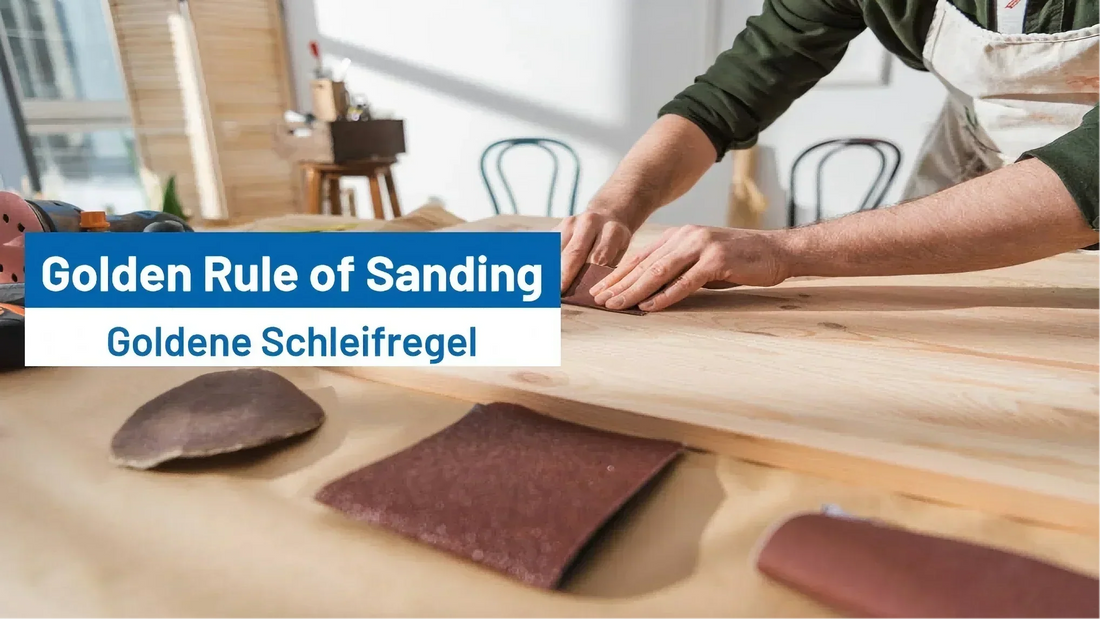
Using the wrong grit order can cause scratches or rough spots. Start with coarse grit and move to finer grit for best results.
Skipping grits or going backward makes sanding uneven and leaves marks that are hard to remove.
- Begin with coarse grit to remove rough areas
- Use medium grit to smooth the surface
- Finish with fine grit for a polished look
- Avoid jumping between grits randomly
Applying Excessive Pressure
Pressing too hard on the sanding block can damage the material. It can create deep scratches or uneven surfaces.
Let the sanding block do the work. Use light, even strokes to avoid harming the surface.
- Hold the block with a relaxed grip
- Move the block gently over the surface
- Check your progress often to avoid over-sanding
- Replace the sandpaper when it wears out
Credit: fastplus.eu
Tips For Perfect Finishes
Getting a smooth finish on your project depends on using the right sanding block. Careful sanding removes rough spots and prepares surfaces well.
Follow simple tips to avoid scratches and uneven areas. These help you achieve a clean, professional look.
Proper Sanding Techniques
Use even pressure to avoid gouges or uneven sanding. Move the block in the direction of the grain for wood surfaces.
- Start with coarse grit to remove roughness
- Switch to finer grit for a smooth finish
- Keep the sanding block flat on the surface
- Sand in long, steady strokes
- Clean dust off between sanding steps
When To Replace Sanding Blocks
Old or worn sanding blocks do not sand evenly. They can cause scratches or leave rough patches.
| Sign | When to Replace |
| Worn edges | Block feels uneven or rounded |
| Clogged surface | Dust and debris stay stuck on the block |
| Loss of grit | Sanding no longer smooths the surface |
| Damage | Block cracks or breaks during use |

Credit: www.amazon.ca
Frequently Asked Questions
What Are Sanding Blocks Used For?
Sanding blocks provide a firm grip for sanding surfaces evenly. They help smooth wood, metal, and drywall. Using blocks prevents uneven sanding and improves control during projects.
How To Choose The Right Sanding Block?
Select a sanding block based on material type and project size. Consider block firmness, shape, and compatibility with sandpaper grit. Choose ergonomic designs for comfort during extended use.
Can Sanding Blocks Be Reused?
Yes, sanding blocks can be reused multiple times. Replace sandpaper sheets once they wear out. Clean blocks after use to maintain effectiveness and prolong their lifespan.
What Grit Sanding Block Suits Beginners?
Start with medium grit (around 120-150) for most projects. It balances material removal and surface smoothing. Beginners find it easier to control and less likely to damage surfaces.
Conclusion
Choosing the right sanding block is essential for smooth finishes. Consider the material and size for your project needs. Foam blocks are flexible, great for curves. Wooden blocks offer firm support for flat surfaces. Always test on a small area first.
This ensures the best results. Remember, a comfortable grip prevents hand fatigue. With the right choice, your sanding becomes efficient and effective. Practice makes perfect in achieving flawless surfaces. Keep experimenting to find what works best. Happy sanding!