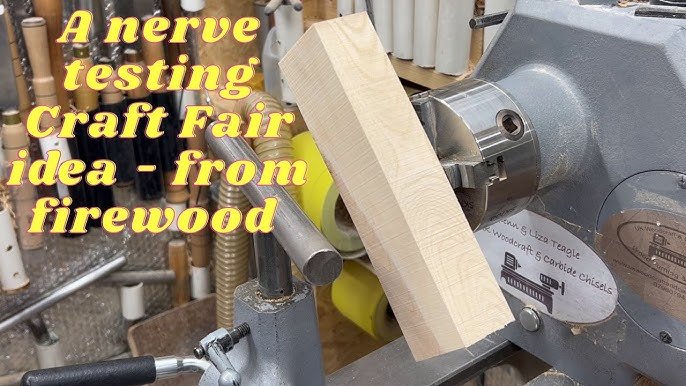
If you own a wood lathe, you know how satisfying it is to create beautiful pieces from raw wood. But to keep your lathe running smoothly and safely, you need to take good care of it.
Ignoring maintenance can lead to costly repairs or even accidents. You’ll discover simple, practical steps to maintain your wood lathe like a pro. By following these tips, you’ll extend your lathe’s life, improve its performance, and enjoy your woodworking projects even more.
Keep reading to unlock the secrets of hassle-free wood lathe maintenance!
Choosing The Right Lathe
Choosing the right wood lathe helps you work safely and easily. Different lathes fit different projects and skill levels.
Consider what you want to make and where you will use the lathe. This guide covers types and key features.
Types Of Wood Lathes
Wood lathes vary by size, power, and use. Pick one that matches your space and project size.
- Mini Lathes:Small and light, good for small projects and beginners.
- Midi Lathes:Medium size, fits most home workshops and can handle larger wood pieces.
- Full-Size Lathes:Large and powerful, best for big projects and professional use.
- Variable Speed Lathes:Allow speed changes for different woods and techniques.
Key Features To Consider
| Feature | Why It Matters | What to Look For |
| Motor Power | Stronger motor handles bigger wood pieces | At least 1 HP for general use |
| Swing Over Bed | Maximum diameter of wood you can turn | Choose size based on projects planned |
| Distance Between Centers | Length of wood you can mount | Longer distance for longer pieces |
| Speed Control | Adjust speed for safety and finish quality | Variable speed is best |
| Weight and Stability | Heavier lathes vibrate less | Look for solid build and weight |
Setting Up Your Lathe
Setting up a wood lathe correctly helps ensure safe and smooth operation. Proper setup also extends the life of your machine and improves the quality of your work.
This guide covers key points about placing your lathe and aligning its parts before you start turning wood.
Proper Placement And Stability
Choose a stable and level surface for your lathe. The area should be spacious and clear of clutter. Avoid placing the lathe on uneven floors to prevent vibrations.
- Use a sturdy workbench or stand to support the lathe.
- Check that the surface does not wobble or shake.
- Place the lathe away from dust and moisture.
- Keep the workspace well-lit and ventilated.
- Secure the lathe to the bench if possible to stop movement.
Aligning The Headstock And Tailstock
Proper alignment of the headstock and tailstock is crucial. Misalignment can cause uneven turning and damage to your wood or tools.
| Check Point | What to Do |
| Visual Alignment | Look from the front to see if the centers line up. |
| Test with a Dial Indicator | Measure runout on the headstock spindle. |
| Adjust Tailstock | Loosen and slide tailstock until centers match perfectly. |
| Lock Tailstock | Tighten the clamp once aligned to keep it secure. |
| Test Rotation | Turn the lathe on low speed and check for wobble. |
Daily Maintenance Routine
Keeping your wood lathe in good shape is important. A daily routine helps the machine work well every time.
Simple care after each use extends the life of your lathe and keeps it safe to use.
Cleaning After Each Use
Remove wood dust and shavings from the lathe after every project. This stops buildup that can cause damage.
Use a brush or soft cloth to clean hard-to-reach areas. Avoid using water to prevent rust.
- Brush off wood chips from the bed and tool rest
- Wipe down the headstock and tailstock with a dry cloth
- Keep the motor vents clear of dust
- Check the spindle for any debris
Checking For Loose Parts
Check for loose screws, bolts, and nuts before and after using the lathe. Tight parts keep the machine safe and steady.
Pay close attention to the tool rest, tailstock, and motor mount. Tighten any parts that feel loose.
- Test the tool rest for firmness
- Check the tailstock locking mechanism
- Inspect motor mounts and belts
- Tighten all hand knobs and fasteners
Lubrication Tips
Keeping your wood lathe well-lubricated helps it run smoothly. Proper lubrication lowers friction and wear on parts.
Regular care with the right lubricant extends the life of your lathe. It also keeps your work safe and precise.
Choosing The Right Lubricant
Pick a lubricant made for metal parts and machines. It should protect against rust and heat.
A light machine oil or grease works well for most wood lathes. Avoid thick oils that can attract dust and dirt.
- Use oil for smooth bearings and moving parts
- Choose grease for high-pressure areas like gears
- Check the lathe manual for recommended lubricants
Lubrication Frequency
Lubricate your wood lathe parts regularly to keep them working well. The schedule depends on how often you use it.
For casual use, oil the bearings and moving parts every few weeks. For heavy use, do it every week or after each project.
- Clean parts before applying lubricant
- Apply a small amount to avoid buildup
- Check for signs of dry or noisy parts often
Inspecting Electrical Components
Keeping your wood lathe in good shape means checking its electrical parts. This helps the machine run safely and smoothly.
Look closely at wires, switches, and the motor. Fix any problems before using the lathe again.
Checking Power Cords And Switches
Start by inspecting power cords for cracks or cuts. Damaged cords can cause shocks or stop the lathe from working.
Next, test the switches. Make sure they turn the lathe on and off without any issues.
- Look for exposed wires or frayed cords
- Check if plugs fit tightly into outlets
- Press switches to confirm they click and stay in position
- Replace any damaged cords or faulty switches
Ensuring Motor Health
Check the motor for unusual sounds or smells. These can show signs of wear or damage.
Keep the motor clean and free from dust. This helps it run cooler and last longer.
- Listen for grinding or rattling noises
- Look for burnt smells near the motor
- Clean dust with a soft brush or cloth
- Make sure the motor spins smoothly by hand when off
Sharpening And Caring For Tools
Keeping your wood lathe tools sharp is key to good work. Sharp tools cut better and safer. Caring for tools helps them last longer.
Regular care includes cleaning, sharpening, and proper storage. These steps keep your tools ready and effective.
Maintaining Cutting Tools
Check cutting edges often for dullness or damage. Use a sharpening stone or grinder to restore sharp edges. Keep the tool angles correct while sharpening.
After sharpening, smooth the edges with fine grit for a clean finish. Clean tools with a dry cloth to remove dust and resin. Apply a light coat of oil to stop rust.
- Inspect edges before each use
- Use the right sharpening angle
- Sharpen with stones or grinders carefully
- Remove burrs with fine grit
- Clean and oil tools after sharpening
Storing Tools Safely
Store tools in a dry place to prevent rust. Use racks, toolboxes, or holders to keep tools organized. Avoid piling tools on top of each other.
Cover sharp edges with guards or sheaths. Label storage spots so you can find tools fast. Keep tools away from children and pets.
- Keep tools dry and clean before storing
- Use protective covers on sharp edges
- Organize tools in racks or boxes
- Label storage locations
- Store tools out of reach of children
Troubleshooting Common Issues
Wood lathes are great tools for woodworking. Sometimes, they can have problems that affect their use.
Knowing how to fix common issues helps keep the lathe working well and safe to use.
Vibration Problems
Vibration can make it hard to work on your project. It may cause poor cuts or damage the lathe.
Vibration often comes from loose parts or an unbalanced workpiece. Check these first to reduce shaking.
- Make sure the lathe is on a flat, stable surface.
- Tighten all bolts and screws on the lathe.
- Balance the wood piece before turning it.
- Check the tool rest for tightness and proper position.
- Inspect the bearings for wear or damage.
Unusual Noises And Their Causes
Strange sounds from the lathe can show that something is wrong. These noises may come from parts rubbing or failing.
Listen carefully to find where the noise comes from. This helps to fix the problem fast.
- Grinding noise can mean worn or dry bearings.
- Clicking sounds may come from loose belts or pulleys.
- Buzzing can be caused by motor issues or loose screws.
- Rattling may happen if the wood is not secured well.

Credit: www.reddit.com
Seasonal Maintenance Tasks
Keeping your wood lathe in good shape helps it work well for a long time. Seasonal maintenance means doing special tasks each season. This stops problems and keeps the lathe safe.
These tasks take more time but protect your tool from dirt and damage. Check your lathe carefully and follow these steps to maintain it.
Deep Cleaning
Deep cleaning removes dust, wood chips, and grease from your lathe. Clean parts work better and last longer. Use a soft brush and cloth to clean all parts.
Take off the tool rest and tailstock to clean hard-to-reach areas. Use a mild cleaner if needed, but avoid water on metal parts. Dry everything well before putting parts back.
- Remove dust and chips from bed ways
- Wipe down the headstock and tailstock
- Clean tool rest and remove rust spots
- Check motor vents for blockages
- Use compressed air to blow out small particles
Rust Prevention
Rust can damage your lathe and make it hard to use. Apply a thin oil layer to all metal surfaces to stop rust. Focus on the bed ways, tool rest, and tailstock.
Store your lathe in a dry place. Use a cover to keep moisture and dust away. Check for rust regularly and remove it with fine steel wool or a rust remover.
- Apply machine oil or rust inhibitor after cleaning
- Keep lathe covered when not in use
- Use a dehumidifier if room is damp
- Inspect metal parts monthly for rust spots
- Remove rust gently to avoid damage
Upgrading And Replacing Parts
Keeping your wood lathe in good shape means knowing when to replace parts. Upgrades can also improve how well your lathe works.
Regular checks and timely changes help your lathe last longer and work safely. Let’s look at when to replace parts and what upgrades can help.
When To Replace Components
Some parts wear out faster than others. Replace these parts as soon as you notice problems. This keeps your lathe safe and running smoothly.
- Belts that are cracked or frayed
- Bearings that make noise or feel rough
- Tool rests that are bent or loose
- Drive pulleys with worn grooves
- Switches that do not work properly
- Electrical cords with damage or cracks
Check these parts often to avoid bigger damage. Replacing them early is cheaper than fixing major problems later.
Recommended Upgrades For Performance
Upgrades can make your lathe faster, quieter, and easier to use. Some upgrades cost little but give great results.
| Upgrade | Benefit | Notes |
|---|---|---|
| Variable Speed Motor | Better control over speed | Good for different wood types |
| Digital RPM Display | Shows exact speed | Helps with precision work |
| Improved Tool Rest | More stability and comfort | Adjustable and stronger |
| Heavy-Duty Belts | Last longer and reduce slip | Use high-quality rubber or leather |
| Noise Dampening Pads | Reduce vibration and sound | Place under the lathe base |

Credit: woodturnerswonders.com

Credit: www.reddit.com
Frequently Asked Questions
How Often Should I Clean My Wood Lathe?
You should clean your wood lathe after every use. Remove dust, wood chips, and debris to ensure smooth operation. Regular cleaning prevents buildup that can affect precision and machine life. Use a soft brush and cloth for best results.
What Type Of Lubricant Is Best For Wood Lathes?
Use a high-quality machine oil or grease designed for metal parts. Lubricate the bed, spindle, and tailstock regularly. Proper lubrication reduces friction, prevents rust, and extends the lathe’s lifespan. Always follow the manufacturer’s recommendations for lubrication type and frequency.
How Can I Check My Wood Lathe’s Alignment?
Use a dial indicator or test bar to check alignment. Ensure the headstock and tailstock are perfectly aligned. Misalignment causes uneven cuts and tool wear. Adjust the tailstock or bed as needed for precise turning and better results.
Why Is Regular Maintenance Important For Wood Lathes?
Regular maintenance ensures safety, accuracy, and longevity. It helps prevent breakdowns and costly repairs. Proper care maintains smooth operation and consistent turning quality. Scheduled maintenance saves time and money while protecting your investment.
Conclusion
Caring for your wood lathe boosts its lifespan. Regular cleaning prevents dust buildup. Lubricate parts to ensure smooth operation. Check alignment often for accurate work. Tighten loose bolts to avoid vibrations. Sharpen tools for precise cuts. Store in a dry place to prevent rust.
Always follow the manual for specific guidelines. Safety first, always wear protective gear. By following these steps, your lathe remains efficient. Happy woodworking!