Are your jigsaw cuts looking rough or uneven? The secret to perfect, precise cuts lies in one simple skill: sharpening your jigsaw blades.
When your blades are sharp, you get cleaner cuts, faster work, and better results every time. In this guide, you’ll discover easy, step-by-step methods to sharpen your jigsaw blades for maximum accuracy. Whether you’re a beginner or a seasoned DIYer, mastering this skill will save you time, money, and frustration.
Keep reading, and you’ll learn how to make your tools work smarter—so your projects turn out exactly how you want.
Choosing The Right Jigsaw Blade
Choosing the right jigsaw blade is key to cutting accurately. The right blade helps you get clean cuts and reduces damage to your material.
This guide explains how to pick blades based on type, material, and tooth design. Knowing these will improve your cutting results.
Blade Types And Uses
Jigsaw blades come in different shapes and sizes for specific jobs. Each type works best with certain materials and cut styles.
- Standard blades are good for straight cuts in wood and plastic.
- Metal-cutting blades have finer teeth for cutting thin metal sheets.
- Scroll blades are narrow and used for curved or detailed cuts.
- Abrasion blades cut materials like ceramic or fiberglass.
Material Considerations
Choose blades based on the material you will cut. Using the wrong blade can damage your work or the blade itself.
Blades for wood usually have large teeth. Metal blades have small, closely spaced teeth. Some blades are made with special steel for hard materials.
- Wood: Use high carbon steel blades with big teeth.
- Metal: Choose bi-metal blades with fine teeth.
- Plastic: Use blades with medium teeth to avoid chipping.
- Hard materials: Use carbide-grit blades for durability.
Blade Tooth Configurations
The tooth shape and pattern affect cutting speed and smoothness. Different tooth designs suit different cutting needs.
Some blades have straight teeth for fast cuts. Others have wavy or reverse teeth to reduce splintering on delicate surfaces.
- Regular tooth: Cuts fast but rougher edges.
- Reverse tooth: Reduces splinters on the top side.
- Ground tooth: Provides smooth, clean cuts.
- Ground and set tooth: Balanced for speed and finish.

Credit: www.yahoo.com
Signs Your Blade Needs Sharpening
Keeping your jigsaw blades sharp is key for accurate cuts. Dull blades can cause problems that affect your work.
Watch for clear signs that tell you when the blade needs sharpening. These signs help you fix issues early.
Reduced Cutting Precision
Dull blades do not cut straight or clean. Cuts may look rough and uneven. This makes it hard to follow your lines.
- Edges of cuts appear jagged or splintered
- Blade wanders off the cutting line
- Increased chipping on the material surface
- Difficulty in making tight curves or detailed cuts
Slower Cutting Speed
A sharp blade cuts through material quickly. When the blade dulls, cutting slows down. You might feel the blade struggling.
| Condition | Cutting Speed |
| Sharp blade | Fast and smooth |
| Dull blade | Slow and rough |
Visible Wear And Damage
Check your blade closely for signs of wear. Look for cracks, missing teeth, or discoloration. These signs mean your blade needs attention.
- Broken or bent teeth
- Worn-down or rounded teeth edges
- Rust or corrosion on the blade surface
- Uneven tooth spacing or missing teeth
Tools Needed For Sharpening
Sharpening jigsaw blades makes cutting more accurate. Using the right tools helps keep blades sharp and safe to use.
This guide covers the basic tools needed for sharpening your jigsaw blades at home.
Files And Sharpening Stones
Files and sharpening stones are key tools for sharpening jigsaw blades. They help remove dull edges and create a sharp cutting surface.
Small, fine-toothed files work best for jigsaw blades. Sharpening stones come in different grit sizes for smooth finishing.
- Needle files for detailed sharpening
- Diamond sharpening stones for hard metals
- Water stones for smooth edges
- Oil stones for longer-lasting sharpness
Sharpening Jigs And Guides
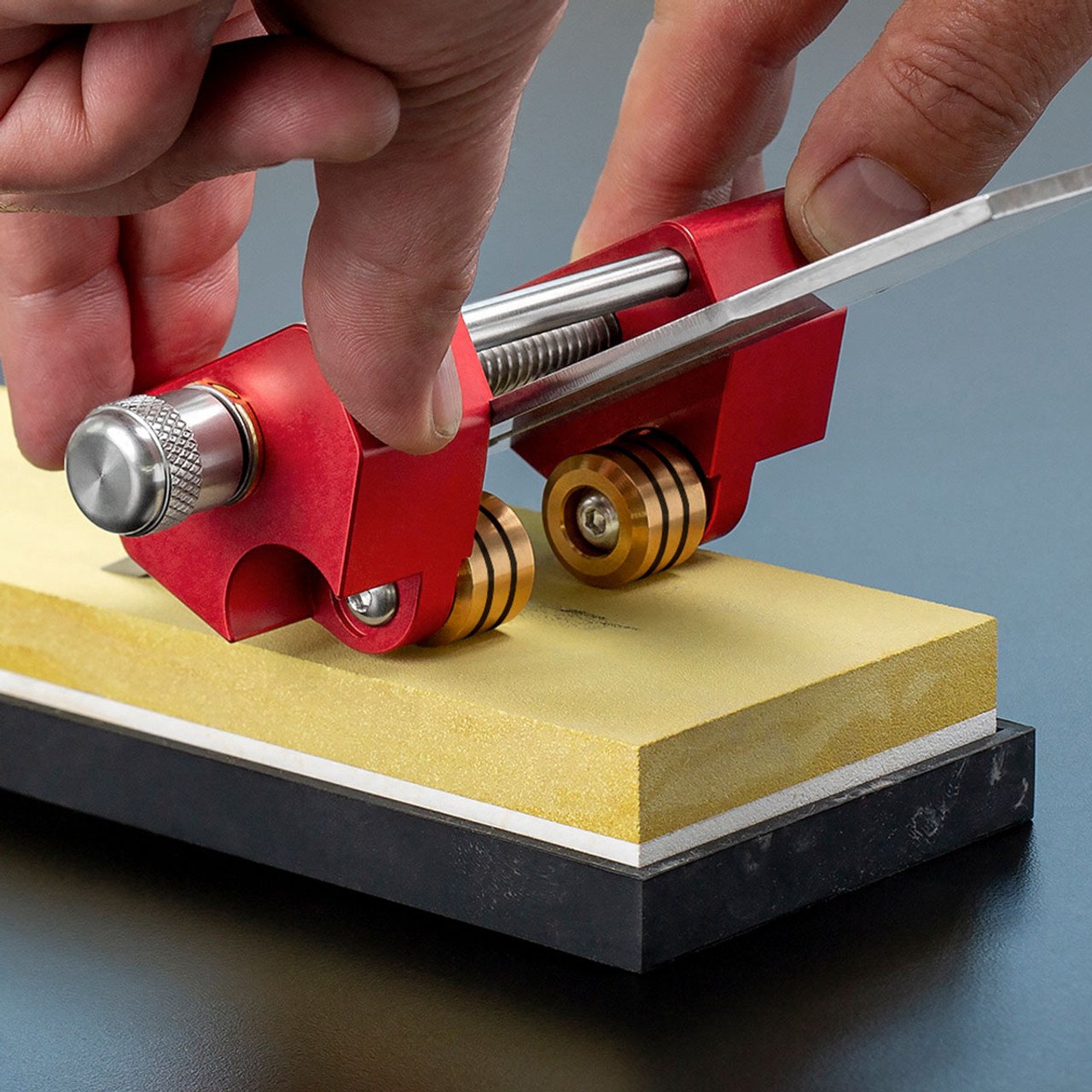
Sharpening jigs and guides hold the blade steady. They keep the right angle while you sharpen the teeth.
Using a jig reduces mistakes and makes sharpening easier for beginners.
- Blade holders to secure jigsaw blades
- Angle guides to keep consistent sharpening
- Adjustable clamps for different blade sizes
Safety Equipment
Safety is important when sharpening blades. Sharp edges and metal dust can cause injuries.
Wear the right safety gear to protect your eyes, hands, and lungs.
- Safety glasses to protect your eyes
- Cut-resistant gloves to protect hands
- Dust mask to avoid breathing metal dust
- Work apron to protect clothing

Credit: sakparts.com
Preparing The Blade For Sharpening
Preparing your jigsaw blade well is important before sharpening. It helps you get precise cuts and extends blade life.
Start by cleaning, securing, and marking the blade. These steps make sharpening easier and safer.
Cleaning The Blade
Remove dirt and rust from the blade before sharpening. Clean teeth sharpen more evenly and last longer.
Use a wire brush or cloth with a little oil. Wipe off any debris and dry the blade well.
Securing The Blade
Hold the blade firmly to avoid slips during sharpening. Secure it in a clamp or vise for safety and control.
Make sure the blade is steady but not bent. Proper securing helps you sharpen each tooth evenly.
Marking The Teeth
Mark the teeth to track your progress and sharpen evenly. Use a marker or pencil to highlight every few teeth.
- Mark every second or third tooth for reference
- Helps avoid missing teeth during sharpening
- Makes it easier to maintain consistent angles
Sharpening Techniques
Sharpening jigsaw blades helps improve cutting accuracy. It keeps the teeth strong and precise.
Use the right tools and methods to sharpen blades safely. This guide covers key sharpening techniques.
Filing The Teeth
Filing the teeth restores their sharp edges. Use a small flat or round file depending on tooth shape.
- Clamp the blade firmly to avoid movement.
- File each tooth with smooth, even strokes.
- Keep the file angle steady for uniform sharpness.
- File only the front edge of each tooth.
- Count the strokes to keep consistency.
Maintaining Tooth Angles
Tooth angles affect cutting quality. Keep the original angles to maintain blade performance.
| Tooth Part | Recommended Angle |
| Front Edge | 60 degrees |
| Top Face | 15 degrees |
| Side Face | 10 degrees |
Checking Sharpness
Check sharpness by carefully touching the teeth tips. They should feel crisp, not dull or rounded.
Use this quick test to check blade sharpness:
- Hold the blade safely by its back.
- Gently run a fingernail across a tooth’s edge.
- If it catches or feels rough, the tooth is sharp.
- If it slides smoothly, the tooth needs filing.
Maintaining Blade Accuracy
Keeping your jigsaw blade sharp helps you cut with more control. A sharp blade reduces mistakes and improves safety.
Proper care of the blade keeps it accurate. This guide covers key steps to maintain blade accuracy for your jigsaw.
Balancing The Blade
A balanced blade cuts straight and lasts longer. If the blade is uneven, it will wobble and cause rough cuts.
Check the blade balance by placing it on a thin rod or pencil. The blade should stay level without tipping to one side.
- Remove any dirt or rust before balancing
- Sharpen dull teeth evenly on both sides
- Replace blades that cannot be balanced
Avoiding Over-sharpening
Sharpening too much can weaken the blade and reduce accuracy. Only sharpen when the blade feels dull.
Use gentle, even strokes on each tooth. Stop sharpening as soon as the edge is sharp again to keep the blade strong.
- Use a fine file or sharpening stone
- Keep the same angle on each tooth
- Avoid removing too much metal
Regular Inspection
Check your jigsaw blade often for damage or wear. Look for bent teeth, cracks, or rust spots.
Replacing or sharpening blades at the right time keeps your cuts clean and accurate.
- Inspect before each use
- Clean the blade after cutting
- Store blades in a dry place
Storing And Caring For Blades
Proper storage and care help keep jigsaw blades sharp and accurate. Good habits make blades last longer.
Taking care of your blades prevents damage and rust. This saves time and money on replacements.
Proper Storage Methods
Store blades in a dry, clean place to avoid damage. Keep them separate to stop bending or dulling.
- Use blade cases or holders to organize blades.
- Keep blades flat or hanging to prevent warping.
- Avoid storing blades loose in toolboxes.
- Label storage containers for easy blade selection.
Preventing Rust And Corrosion
Rust weakens blades and reduces cutting accuracy. Keep blades dry and clean after use to stop rust.
- Wipe blades with a dry cloth after each use.
- Apply a light coat of oil to metal parts.
- Store blades in low-humidity areas.
- Use silica gel packs to absorb moisture in storage.
When To Replace Blades
Replace blades when they no longer cut cleanly or accurately. Using dull blades can damage your work.
- Blade teeth are chipped or missing.
- Cutting speed slows down significantly.
- Blade bends or warps during use.
- Repeated sharpening does not improve performance.

Credit: www.youtube.com
Frequently Asked Questions
How Do You Sharpen A Jigsaw Blade?
To sharpen a jigsaw blade, secure it in a vice. Use a metal file to gently sharpen each tooth, maintaining the original angle. Ensure consistent pressure for an even edge. Finally, check for straightness and test the blade on scrap material to confirm sharpness and accuracy.
Why Is Jigsaw Blade Sharpness Important?
Sharpness ensures precise cuts and reduces material splintering. A sharp blade enhances efficiency, requiring less force during operation. It prolongs the blade’s lifespan and reduces the risk of accidents. Regularly maintaining sharpness ensures optimal performance, saving time and improving the quality of your projects.
How Often Should I Sharpen Jigsaw Blades?
Sharpen jigsaw blades when you notice reduced cutting efficiency. This can vary based on material and usage frequency. Regular inspection after each project helps determine the need. If you frequently cut harder materials, consider more frequent sharpening to maintain blade performance and accuracy.
Can Dull Jigsaw Blades Cause Damage?
Yes, dull blades can cause uneven cuts and strain the motor. This can lead to tool damage over time. They also increase the risk of kickback and user injury. Regular sharpening helps prevent these issues, ensuring safe and efficient operation of your jigsaw.
Conclusion
Sharpening jigsaw blades improves cutting accuracy and extends blade life. Regular sharpening keeps your cuts clean and smooth. Use the right tools and follow safety steps carefully. This guide helps you maintain blades easily at home. Keep your jigsaw ready for any project.
Practice sharpening often to get better results. Precise cuts make woodworking more enjoyable and less frustrating. Stay patient and take your time with each blade. Your projects will benefit from sharper, stronger blades.