
Are you ready to tackle your next framing project with confidence? A claw hammer is your trusty sidekick in this endeavor, and knowing how to wield it effectively can make all the difference.
In this guide, you’ll discover simple techniques that will transform your hammering skills and boost your project efficiency. Imagine the satisfaction of driving nails with precision and ease, all while ensuring the stability and durability of your structures. Whether you’re a seasoned DIY enthusiast or a curious beginner, mastering the use of a claw hammer will empower you to take on any framing challenge.
So, why wait? Dive in and unlock the secrets to using a claw hammer like a pro!
Choosing The Right Claw Hammer
Picking the right claw hammer is important for framing projects. The right hammer makes your work easier and safer.
Consider the hammer’s type, weight, handle material, grip, and balance to choose the best one for your needs.
Types Of Claw Hammers
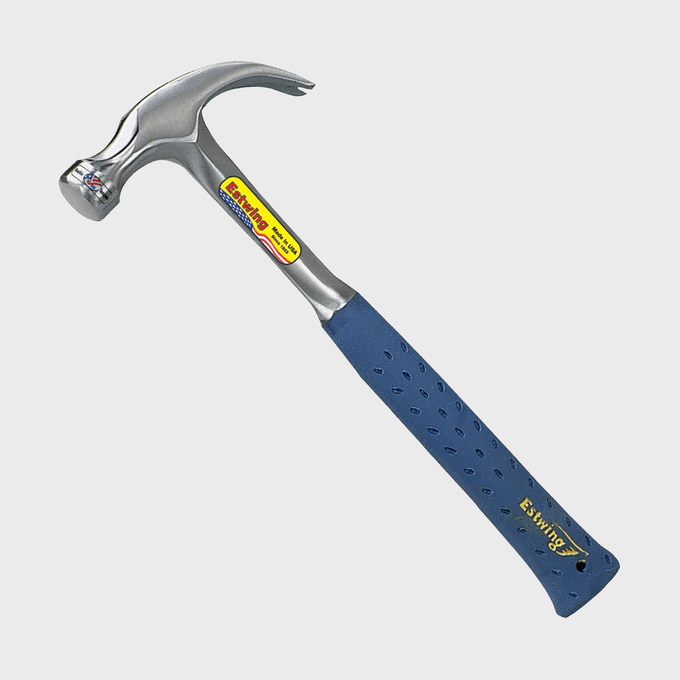
There are different claw hammer types for framing. Some have straight claws, others have curved claws. Each type helps with different tasks.
Straight claw hammers are good for pulling nails and prying wood apart. Curved claw hammers are better for general carpentry and framing.
- Straight Claw Hammer: Best for prying and nail pulling
- Curved Claw Hammer: Good for framing and general use
- Framing Hammer: Heavier with a longer handle for driving large nails
Weight And Handle Material
Weight affects how much force you can apply with the hammer. A heavier hammer drives nails faster but can tire your arm.
Handle materials vary from wood, fiberglass, to steel. Each offers different durability and shock absorption.
- Wood Handles: Lightweight and absorb shock well but can break
- Fiberglass Handles: Strong, durable, and reduce vibration
- Steel Handles: Very strong but can cause more vibration
Grip And Balance
A good grip helps you hold the hammer firmly. It prevents slipping and reduces hand fatigue during long use.
Balance means the hammer feels even when you hold it. A well-balanced hammer improves control and accuracy.
- Look for rubber or textured grips for better hold
- Check if the hammer feels steady and balanced in your hand
- A balanced hammer saves energy and improves nail placement

Credit: www.thisoldhouse.com
Essential Safety Tips
Using a claw hammer in framing work needs care and attention. Safety is important to avoid injuries.
Below are key safety tips to keep you protected and your work smooth.
Protective Gear
Always wear the right gear before starting your project. This gear protects your body from flying debris and accidents.
- Wear safety glasses to protect your eyes.
- Use gloves to keep your hands safe from splinters and blisters.
- Wear sturdy boots with non-slip soles.
- Use ear protection if working near loud tools.
- Consider a hard hat if working under overhead structures.
Safe Handling Techniques
Hold the hammer correctly to avoid strains and accidents. Use smooth, controlled swings.
| Technique | Description |
| Grip | Hold the hammer near the end of the handle for control. |
| Swing | Use your wrist and elbow, not just your arm, for power. |
| Striking | Hit the nail squarely to prevent bending or slipping. |
| Rest | Put the hammer down safely when not in use. |
Work Area Preparation
Prepare your work area to keep it safe and efficient. Clear the space of any hazards.
Follow these rules before you start:
- Remove loose objects and trash from your workspace.
- Make sure the floor is dry and free from spills.
- Arrange materials and tools close by but not in the way.
- Ensure good lighting to see your work clearly.
- Keep children and pets away from the area.
Basic Hammering Techniques
A claw hammer is a key tool in framing projects. Using it well saves time and keeps work safe.
This guide covers basic hammering skills. Focus on stance, grip, nail striking, and swing control.
Proper Stance And Grip
Stand with feet shoulder-width apart for balance. Keep your body relaxed but firm.
- Hold the hammer near the end of the handle for power.
- Wrap your fingers around the handle, with your thumb on top.
- Keep your wrist straight to avoid strain.
- Use your elbow and shoulder to guide the swing.
Striking Nails Accurately
Focus your eyes on the nail head before swinging. This helps hit nails cleanly and avoids bending them.
| Tip | Reason |
| Start with light taps | Secure the nail before full swings |
| Keep the hammer face flat | Prevents nails from bending |
| Strike the nail head squarely | Ensures the nail goes straight |
| Watch the nail as you hit | Improves accuracy |
Controlling Swing Force
Use smooth, controlled swings. Avoid wild or too hard hits that can damage wood or tools.
Follow these tips for swing control:
- Start with a gentle swing to guide the nail.
- Increase force only after the nail is steady.
- Keep your arm relaxed to control speed.
- Stop the swing sharply to avoid extra force.
Credit: www.familyhandyman.com
Nail Removal Strategies
Removing nails is a common task in framing projects. Using a claw hammer properly can save time and avoid damage.
This guide covers techniques to pull nails out smoothly and safely.
Using The Claw For Extraction
Place the claw of the hammer under the nail head. Pull the handle back slowly to lift the nail out. Keep the claw close to the wood surface to avoid damage.
If the nail is flush with the wood, tap the claw gently with the hammer to get underneath the nail head before pulling.
Leveraging Techniques
Use the hammer handle as a lever to increase pulling power. Push the handle down steadily while holding the claw tight around the nail.
- Position the claw under the nail head.
- Place the hammer’s fulcrum on the wood surface near the nail.
- Pull the handle back slowly to lever the nail out.
- If needed, move the claw closer as the nail rises.
- Remove the nail completely once it loosens.
Dealing With Stubborn Nails
Some nails may be rusted or bent, making removal harder. Try easing the nail side to side to loosen it.
| Problem | Solution |
|---|---|
| Bent Nail | Use pliers to straighten before pulling |
| Rusty Nail | Apply lubricant and wait a few minutes |
| Deep Nail | Use a flat bar to pry if hammer claw can’t reach |
Advanced Framing Tips
Using a claw hammer well can make framing easier and faster. These tips help you work better on your framing projects.
Focus on how to save time, protect the wood, and work in small spaces. This guide covers these important points.
Speed And Efficiency
Hold the hammer near the end of the handle for more power. Use smooth, controlled swings to drive nails quickly.
Keep your eyes on the nail head and use your other hand to steady the wood if needed. This helps you nail faster and with less effort.
- Hold hammer at the end for better swing
- Use smooth swings to save energy
- Watch the nail head closely
- Steady wood with your free hand
Avoiding Wood Damage
Tap nails lightly at first to set them. Do not hit too hard or the wood might split. Use a nail set to drive nails below the surface.
Remove bent nails carefully to avoid extra holes. Use the claw end of the hammer gently to pry nails out without damaging the wood.
- Tap nails lightly before full drive
- Use nail set to hide nail heads
- Remove bent nails gently
- Use claw to pry without damage
Working In Tight Spaces
Use a shorter hammer or one with a slim handle to reach tight spots. Position your body to get the best angle for swinging.
Consider starting nails by hand or with pliers in hard-to-reach places. This helps you avoid missed hits and saves time.
- Use a short or slim hammer handle
- Adjust your stance for better swing angle
- Start nails by hand or with pliers
- Take your time to avoid mistakes
.png)
Credit: www.misterworker.com
Maintaining Your Claw Hammer
Keeping your claw hammer in good shape helps it last longer. Regular care makes sure it works well on framing projects.
Simple maintenance tasks can prevent damage and keep the hammer safe to use. This guide covers cleaning, handle care, and rust prevention.
Cleaning And Inspection
Clean your hammer after each use to remove dirt and sap. Check the head and handle for any cracks or damage before starting work.
- Wipe the hammer with a dry cloth after use
- Use mild soap and water for sticky residue
- Inspect the head for chips or looseness
- Look for cracks or splinters on the handle
- Replace the hammer if any damage affects safety
Handle Care And Replacement
Wooden handles need oil to stop drying and cracking. Synthetic handles should be checked for cracks or breaks. Replace the handle if it is weak.
| Handle Type | Care Tips | When to Replace |
| Wood | Apply linseed oil monthly | Splinters or cracks appear |
| Fiberglass | Clean with soap and water | Visible cracks or breaks |
| Steel | Wipe dry after use | Rust or bending |
Sharpening And Rust Prevention
The claw can become dull after heavy use. Sharpen it carefully to keep it effective. Prevent rust by storing the hammer in a dry place.
- Use a file to sharpen the claw edges
- Remove rust with steel wool or sandpaper
- Apply a light coat of oil to metal parts
- Store the hammer in a dry toolbox or hang it up
Frequently Asked Questions
What Is The Best Claw Hammer For Framing Projects?
The best claw hammer for framing has a 16-ounce head and a fiberglass handle. It offers a balance of weight and control, ideal for driving large nails and removing them efficiently.
How Do You Properly Use A Claw Hammer For Framing?
Grip the hammer near the end of the handle for power. Strike the nail squarely and use the claw to remove nails with controlled leverage. Keep wrists straight to avoid injury.
Can A Claw Hammer Be Used For Framing Nails?
Yes, claw hammers are designed for driving and removing framing nails. Their curved claw allows easy nail extraction, making them perfect for framing tasks.
How To Maintain A Claw Hammer For Longevity?
Keep the hammer clean and dry to prevent rust. Check the handle for cracks and tighten loose parts. Store it in a tool box to protect the head and handle.
Conclusion
Using a claw hammer correctly makes framing easier and safer. Hold the hammer firmly and strike nails with steady force. Remove nails carefully with the claw to avoid damage. Practice these tips to build strong, reliable frames. Safety always comes first on any project site.
Keep your tools clean and check for wear often. A good hammer helps complete tasks faster and better. Start your framing project with confidence and care. Enjoy building with the right tools and skills.
