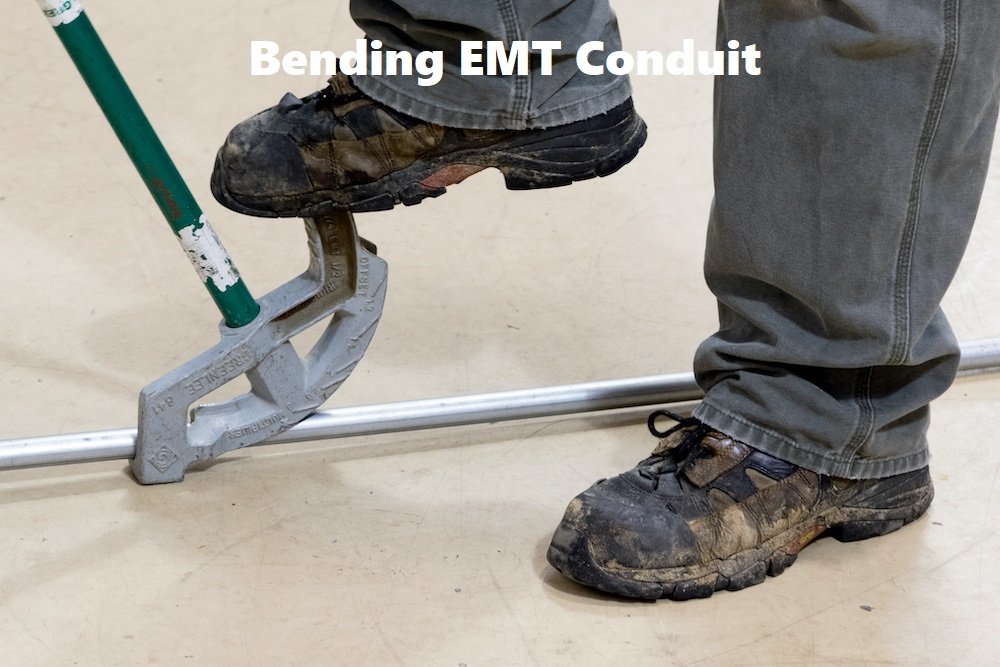
Are you ready to take control of your electrical projects and make your work look professional? Learning how to use a conduit bender is the key to bending pipes with precision and ease.
Whether you’re a beginner or just want to improve your skills, this guide will walk you through every step. By the end, you’ll feel confident handling your conduit bender like a pro, saving time and avoiding costly mistakes. Keep reading to unlock the secrets that electricians rely on to get the job done right.
Conduit Bender Basics
A conduit bender is a tool used to bend electrical conduit pipes. It helps shape the pipes to fit around corners and obstacles. Using a bender correctly saves time and ensures safe wiring.
This guide explains the main types of conduit benders, the tools you need, and safety tips to follow.
Types Of Conduit Benders
There are several types of conduit benders. Each type fits different conduit sizes and materials. Choose the right bender for your job.
- Hand Benders: Simple tools for small conduit sizes, usually 1/2 inch to 1 inch.
- Electric Benders: Powered tools for bending larger or tougher conduits.
- Hydraulic Benders: Use fluid pressure to bend thick metal conduits easily.
- Rotary Draw Benders: Provide smooth, precise bends for metal conduit.
Essential Tools And Materials
You need more than just a conduit bender to do the job. Having the right tools and materials makes bending easier and more accurate.
| Tool | Purpose |
| Measuring Tape | Measure conduit length and bend points |
| Marker | Mark where to bend |
| Level | Check if the bend is straight |
| Conduit Bender | Bend conduit pipes |
| Pipe Cutter | Cut conduit to size |
Safety Gear And Precautions
Safety is important when using a conduit bender. Wear the right gear and follow safety rules to avoid injuries.
- Wear safety glasses to protect your eyes.
- Use gloves to protect your hands from sharp edges.
- Wear sturdy shoes to protect your feet.
- Check the bender for damage before use.
- Bend conduit on a stable surface to avoid slips.
Preparing For Bending
Using a conduit bender needs careful preparation. Proper setup makes bending easier and more accurate.
Start by planning your work and gathering all needed tools. This helps avoid mistakes and saves time.
Measuring And Marking Conduit
Measure the conduit carefully before bending. Use a tape measure to find the exact points to bend.
- Mark the bend point clearly with a permanent marker.
- Double-check measurements to avoid errors.
- Use a square or straight edge to keep marks aligned.
- Note the distance from the conduit end to the bend mark.
Selecting The Right Bender Size
Choose a bender size that fits your conduit diameter. Using the wrong size can cause poor bends or damage.
| Bender Size | Conduit Diameter |
| 1/2 inch | 1/2 inch conduit |
| 3/4 inch | 3/4 inch conduit |
| 1 inch | 1 inch conduit |
| 1 1/4 inch | 1 1/4 inch conduit |
| 1 1/2 inch | 1 1/2 inch conduit |
| 2 inch | 2 inch conduit |
Setting Up Your Workspace
Prepare a clean, flat area for bending. Keep tools and materials within reach.
- Clear the floor to prevent tripping.
- Use a sturdy surface to support the conduit.
- Ensure good lighting to see markings and measurements.
- Wear safety gloves and glasses for protection.
Step-by-step Bending Techniques
Using a conduit bender correctly helps shape electrical conduits safely. Each type of bend fits different wiring needs. Learning these bends will improve your work quality.
This guide shows how to make 90-degree bends, 45-degree bends, offsets, saddles, and other common bends. Follow each section to bend conduit with ease and precision.
Making 90-degree Bends
Start by marking the point on the conduit where the bend begins. Place the conduit in the bender with the mark aligned to the arrow on the bender shoe. Pull the handle smoothly until the conduit reaches a 90-degree angle. Check the angle using a square or protractor to ensure accuracy.
Creating 45-degree Bends
Mark the conduit where the bend should start. Position the conduit in the bender with the mark on the arrow. Pull the handle until the bend reaches 45 degrees. Use a level or angle finder to confirm the bend. This angle is useful for gentle turns in conduit runs.
Forming Offsets And Saddles
Offsets and saddles allow conduit to avoid obstacles. To make an offset, bend the conduit twice at equal angles. For saddles, make three bends to create a raised section. Measure the offset height and length before bending.
- Mark the starting point for the first bend.
- Bend the conduit to about 22.5 degrees.
- Measure the distance for the offset or saddle.
- Make the second bend in the opposite direction.
- For saddles, add a third bend to straighten the conduit.
Bending Stubs And Back-to-back Bends
Stubs are short bends used to connect conduits. Back-to-back bends join two conduits at a corner. Use precise measurements to avoid errors. Bend carefully to keep the conduit shape intact.
| Type of Bend | Use | Key Tip |
| Stub Bend | Connect short runs | Measure stub length first |
| Back-to-Back Bend | Join corners | Bend in opposite directions |

Credit: www.amazon.ca
Advanced Bending Tips
Using a conduit bender well takes practice and attention. Advanced tips help you get better bends and save time.
This guide covers key points to improve your bending skills and avoid common errors.
Adjusting For Bend Radius
Bend radius affects the strength and shape of your conduit bends. Adjust your technique to match the radius size.
Use a larger radius for thick conduits to prevent kinks. For tight spaces, a smaller radius works but requires care.
- Measure the bend radius before starting.
- Mark the conduit to match the radius.
- Slowly bend to avoid sharp corners.
- Check bends with a template or gauge.
Avoiding Common Bending Mistakes
Many errors happen during conduit bending. Knowing these helps you avoid them and save material.
- Do not force the bender; it can break the conduit.
- Keep the conduit straight before bending.
- Use the correct bender size for the conduit.
- Measure twice, bend once to reduce errors.
- Wear gloves to keep a good grip and avoid injury.
Using Bender Markings Effectively
Bender markings guide your bends. Learn to read and use them for accurate results.
| Marking | Use | Example |
| Arrow | Align with conduit end | Start point for bend |
| Degree marks | Stop bending at mark | 90°, 45°, etc. |
| Offset marks | Measure space between bends | Mark conduit for spacing |
Troubleshooting And Maintenance
Keeping your conduit bender in good shape ensures accurate bends and long tool life. This guide covers common problems and care tips.
Follow these steps to fix bend mistakes, maintain your tool, and know when it needs replacement.
Fixing Bend Inaccuracies
Bend errors happen when the bender slips or the angle is off. Check the following to fix issues:
- Make sure the conduit is properly placed in the bender shoe.
- Verify the angle markings match the desired bend angle.
- Use a level or angle gauge to check the bend angle after bending.
- Apply steady pressure to avoid sudden bending or kinks.
- Adjust your technique to avoid overbending or underbending.
Maintaining Your Conduit Bender
Regular maintenance keeps your bender working smoothly and extends its life. Clean and inspect your tool often.
| Maintenance Task | Frequency | Details |
| Clean the bender | After each use | Remove dirt and debris with a brush or cloth |
| Lubricate moving parts | Monthly | Apply light oil to pivot points |
| Check for cracks | Monthly | Inspect the frame and shoe for damage |
| Tighten loose bolts | Monthly | Use a wrench to secure all fasteners |
When To Replace Your Bender
Know when your bender needs replacement to avoid poor bends and safety risks. Signs include:
- Visible cracks or bent parts on the frame or shoe
- Worn angle markings that are hard to read
- Loose or missing bolts that cannot be tightened
- Difficulty bending conduit evenly or smoothly
- Rust or corrosion that weakens the tool
Credit: ftp.spaceneedle.com
Practical Applications
Using a conduit bender helps shape electrical conduit pipes for safe wiring. It makes installation easier and protects cables from damage.
This guide covers how conduit benders work in different projects and explains common uses for bending conduit pipes.
Residential Wiring Projects
In homes, conduit bending helps run wires neatly through walls and ceilings. It protects wires from nails and keeps them organized.
- Bending conduit around corners to avoid drilling extra holes
- Making offsets to go around pipes or beams
- Creating stubs for connecting electrical boxes
- Adjusting conduit length to fit tight spaces
Commercial And Industrial Uses
Commercial buildings need strong conduit runs to handle many wires. Benders help fit conduit in complex layouts.
| Application | Benefit |
| Large conduit bends | Fit wide wiring paths |
| Multiple offsets | Avoid obstructions |
| Back-to-back bends | Save space in tight areas |
| Long sweeps | Protect cables from sharp angles |
Custom Bends For Unique Installations
Some jobs need special bends to fit unusual spaces. Custom bends help match the conduit to the building shape.
Here are common custom bends:
- Saddle bends to clear pipes
- Back bends to change direction sharply
- Kick bends for small height adjustments
- Combination bends for complex paths

Credit: www.amazon.com
Frequently Asked Questions
What Is A Conduit Bender Used For?
A conduit bender shapes electrical conduit pipes to fit wiring paths. It helps create precise bends without damaging the pipe. This tool is essential for electricians to install wiring neatly and safely.
How Do You Measure Bends With A Conduit Bender?
Use the bender’s angle markings to measure bends accurately. Align the conduit with the desired angle on the bender. Mark the pipe for consistent, precise bends before applying pressure.
What Safety Tips Should I Follow When Using A Conduit Bender?
Wear gloves and safety glasses to protect hands and eyes. Ensure the workspace is clear to avoid tripping hazards. Always apply steady pressure to prevent pipe damage or injury.
Can A Conduit Bender Be Used On Different Pipe Sizes?
Yes, conduit benders come in various sizes for different pipe diameters. Choose the bender size that matches your conduit for accurate bends and to avoid pipe damage.
Conclusion
Mastering conduit bending takes practice and patience. Start with small projects to build confidence. Remember to measure accurately before each bend. Always double-check your angles for precision. Use the right tools to ensure safety and efficiency. With time, you’ll gain skills and speed.
Keep this guide handy for quick reference. Practice consistently to improve your technique. Soon, you’ll bend conduits like a pro. Happy bending!