Have you ever faced a heavy object that just wouldn’t budge no matter how hard you pushed or pulled? What if there was a simple tool that could make lifting those heavy items easier and safer for you?
A crowbar might be exactly what you need. In this guide, you’ll discover how to use a crowbar effectively to lift heavy objects without straining yourself or risking injury. Keep reading, and you’ll learn the tips and tricks that professionals use to turn tough jobs into manageable tasks.
Your next heavy lift just got a whole lot simpler.
Choosing The Right Crowbar
Using a crowbar helps lift heavy objects with less effort. Picking the right crowbar makes the job safer and easier.
Not all crowbars work the same. Different types suit different tasks. Learn about types, materials, and safety features.
Types Of Crowbars
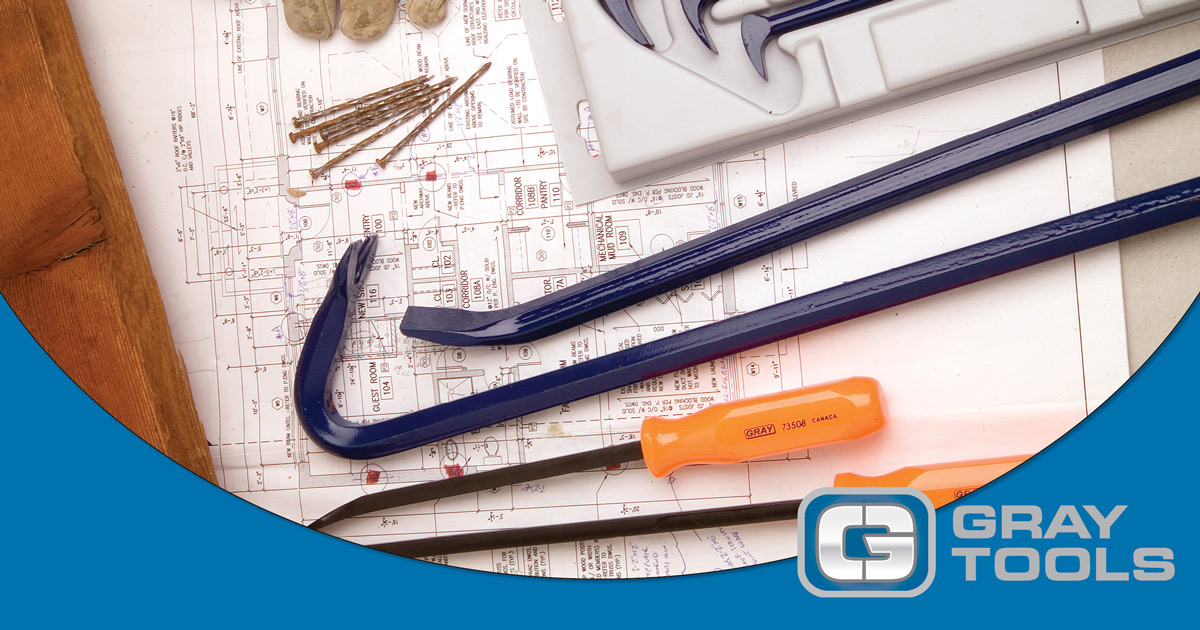
Crowbars come in many shapes and sizes. Each type fits specific lifting or prying jobs.
- Flat Bar: Thin and flat, good for sliding under objects.
- Gooseneck Bar: Curved end for extra leverage when lifting.
- Wrecking Bar: Heavy and strong, made for tough demolition.
- Pinch Bar: Long and narrow, best for tight spaces.
Material And Size Considerations
Crowbars are made from different metals. The material affects strength and weight.
Length also matters. Longer bars give more leverage but are harder to control.
- Steel: Strong and durable, common for heavy use.
- Chrome Vanadium: Rust-resistant and long-lasting.
- Length: Choose 12 to 36 inches based on job size.
- Weight: Heavier bars lift more but may tire you fast.
Safety Features To Look For
Safety is key when using a crowbar. Some features help protect you and improve control.
Look for grips and smooth edges to avoid injuries during use.
- Non-slip grip handles to prevent slipping.
- Rounded edges to reduce cuts and scratches.
- Sturdy construction to avoid bending or breaking.
- Proper balance for better control and less strain.
Preparing For The Lift
Using a crowbar to lift heavy objects can make the job easier and safer. Proper preparation helps prevent injuries and damage.
Before lifting, take time to check the object and your surroundings. Follow safety steps to protect yourself.
Assessing The Object’s Weight And Shape
Know how heavy the object is and its shape before lifting. This helps you decide the best way to use the crowbar.
| Aspect | What to Check |
| Weight | Is it too heavy to lift alone? Get help if needed. |
| Shape | Is it round, flat, or uneven? This affects crowbar placement. |
| Size | Can you reach the right spots with the crowbar? |
| Fragility | Is the object fragile or solid? Lift carefully to avoid damage. |
Clearing The Work Area
Make sure the space around the object is clear. Remove anything that may cause trips or falls.
- Move tools and debris away from the area.
- Check the floor for slippery spots or loose items.
- Ensure there is enough room to use the crowbar safely.
- Keep other people at a safe distance.
Using Protective Gear
Wear gear to protect your hands, eyes, and feet during the lift. This reduces risk of injury.
- Wear sturdy gloves to protect hands from cuts and blisters.
- Use safety glasses to guard against flying debris.
- Wear steel-toed boots for foot protection in case the object falls.
- Consider a hard hat if working in a construction area.
Proper Crowbar Techniques
Using a crowbar correctly helps lift heavy objects safely. It reduces the risk of injury and damage.
Learn how to position the crowbar, apply leverage, and keep control during lifting tasks.
Positioning The Crowbar Correctly
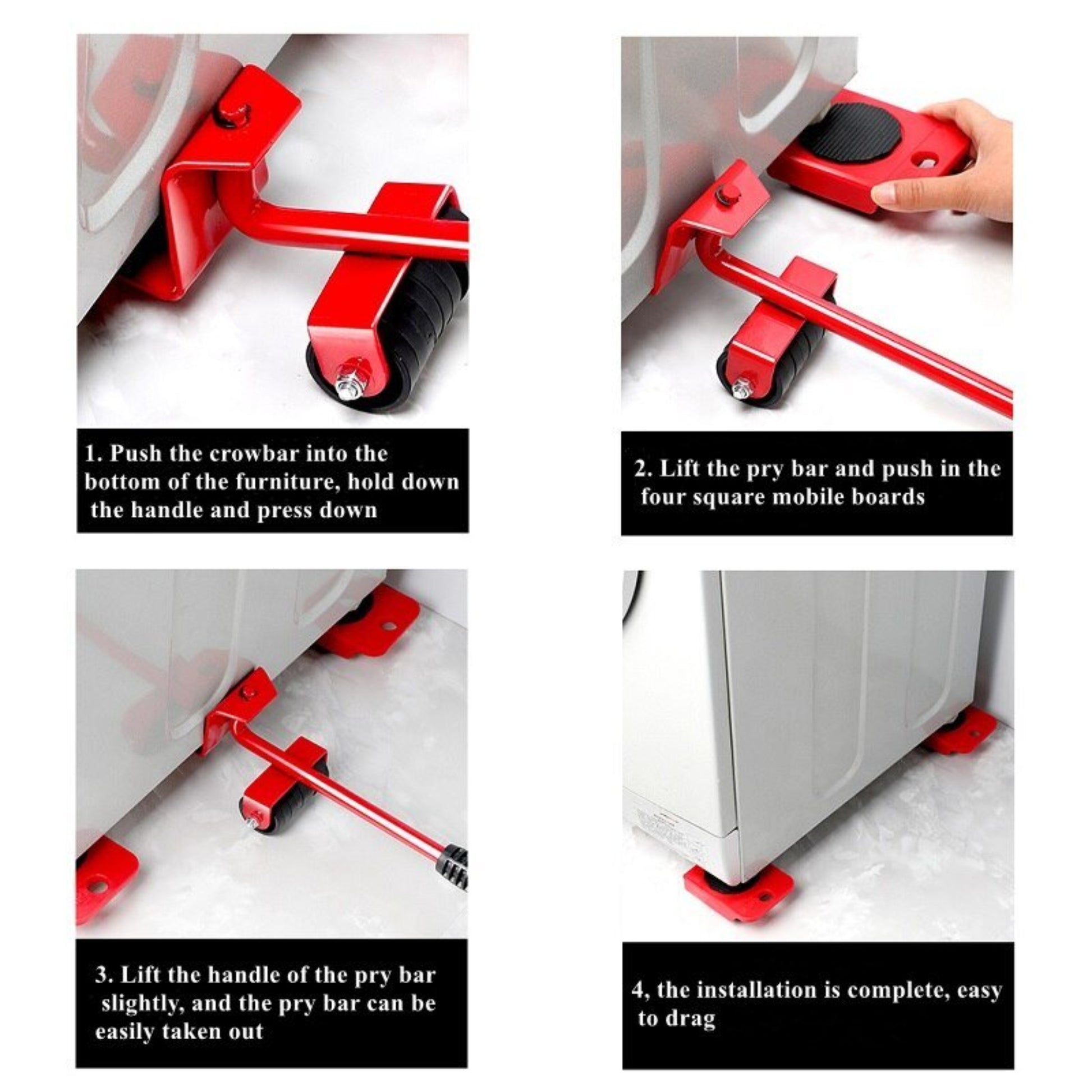
Place the crowbar close to the object’s edge. The tip should go under the object firmly.
Ensure the crowbar lies flat against the surface to avoid slipping while lifting.
Applying Leverage Efficiently
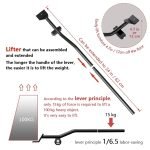
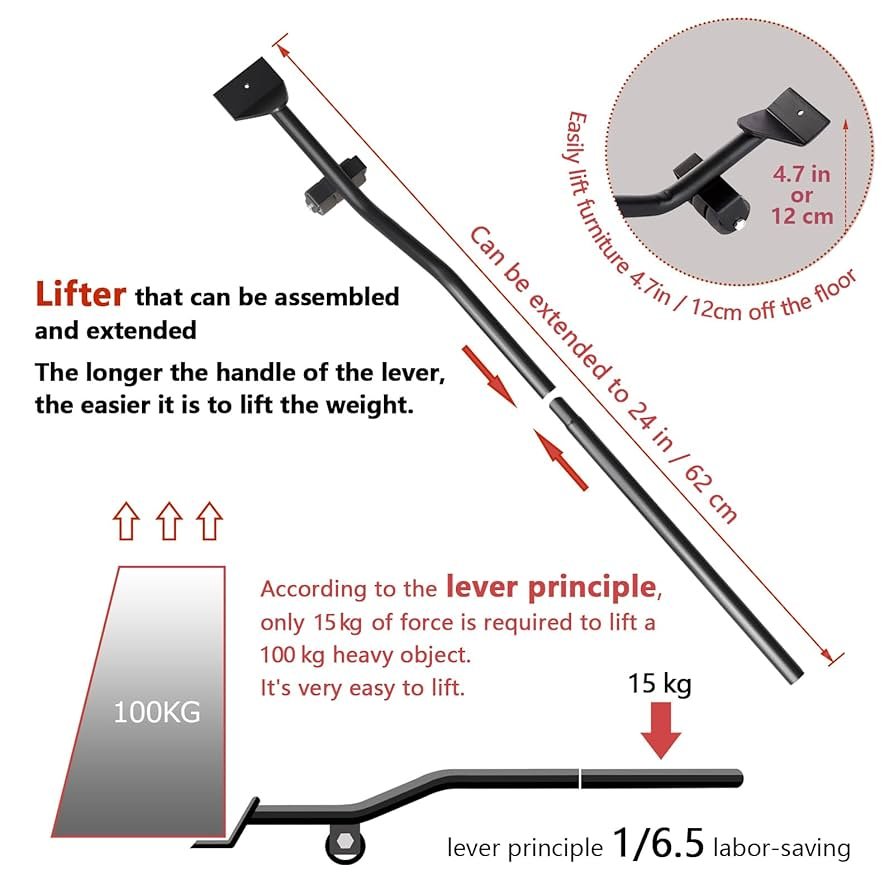
Use the length of the crowbar to your advantage. The longer the bar, the more force you can apply.
- Position the fulcrum (pivot point) close to the object.
- Push down on the longer end of the bar slowly and steadily.
- Keep your hands away from the lifting point to avoid injury.
Maintaining Balance And Control
Stand with feet shoulder-width apart for stability. Hold the crowbar with both hands firmly.
| Tip | Reason |
|---|---|
| Keep your back straight | Prevents strain and injury |
| Lift slowly | Maintains balance and control |
| Wear gloves | Improves grip and protects hands |

Credit: trueprepper.com
Common Mistakes To Avoid
Using a crowbar to lift heavy objects can make the job easier. Many people still make errors that cause injury or damage.
Knowing what mistakes to avoid helps you work safely and efficiently with a crowbar.
Overestimating Your Strength
Many users think they can lift heavy items alone with a crowbar. This is not always true and can lead to injury.
Trying to force the crowbar beyond your ability may cause muscle strain or accidents.
- Do not try to lift objects too heavy for you alone
- Use teamwork when the load is large
- Take breaks to avoid fatigue
Ignoring Safety Precautions
Skipping safety steps puts you at risk of injury. Always wear gloves and eye protection.
Make sure the area is clear before you start prying or lifting with a crowbar.
- Wear protective gloves to avoid splinters and cuts
- Use safety glasses to protect your eyes from debris
- Check for any obstacles or hazards around you
Using The Wrong Tool For The Job
Not every crowbar suits every task. Using the wrong type can damage the tool or object.
Choose a crowbar size and shape that fits the weight and shape of the object.
- Use a longer crowbar for more leverage on heavy loads
- Pick a flat crowbar for prying nails or boards
- Choose a curved crowbar for lifting or moving heavy objects
Maintaining Your Crowbar
Keeping your crowbar in good shape helps it last longer and work better. Proper care makes lifting heavy objects safer.
Follow simple steps to clean, store, inspect, and repair your crowbar. This guide shows how to do it right.
Cleaning And Storage Tips
After using your crowbar, clean dirt and debris off its surface. Use a wire brush or cloth to remove stuck material.
- Wipe the crowbar with a dry cloth to remove moisture
- Apply light oil to prevent rust
- Store in a dry place away from moisture
- Hang it or place it on a rack to avoid damage
- Keep away from chemicals that cause corrosion
Inspecting For Damage
Check your crowbar before each use. Look for cracks, bends, or chips that can weaken it.
| Damage Type | What to Look For | Action Needed |
|---|---|---|
| Cracks | Lines or splits along the metal | Stop use; replace or repair |
| Bends | Uneven or twisted shape | Try to straighten or replace |
| Chips | Missing small metal parts on edges | Sharpen or smooth edges |
| Rust | Brown or orange spots on metal | Clean and oil the surface |
Sharpening And Repairs
Keep the crowbar’s ends sharp for better grip. Use a metal file or grinder carefully to sharpen.
- Wear safety gloves and goggles before sharpening
- File in one direction for a clean edge
- Remove any burrs or rough spots after sharpening
- Replace the crowbar if damage is too severe
Credit: scccltd.com
Credit: www.tenaquip.com
Frequently Asked Questions
What Is The Best Way To Use A Crowbar For Lifting?
Use the crowbar as a lever, placing the fulcrum close to the object. Apply steady pressure to lift safely and efficiently.
Can A Crowbar Lift Very Heavy Objects Alone?
A crowbar can lift moderately heavy objects, but very heavy ones may require additional tools or assistance to avoid injury.
How Do I Position The Crowbar To Lift Objects Safely?
Place the crowbar’s curved end under the object and the fulcrum on a stable surface. This maximizes leverage and reduces risk.
What Safety Tips Should I Follow When Using A Crowbar?
Wear gloves and eye protection. Ensure stable footing and lift slowly to avoid sudden movements or strain.
Conclusion
Using a crowbar can make lifting heavy objects easier. It’s simple and effective. Always check the crowbar’s condition before use. Make sure to lift with your legs, not your back. This keeps you safe from injuries. Practice makes you better and more confident.
Crowbars are versatile tools, useful for many tasks. Keep one handy in your toolbox. Remember, safety first. Wear gloves and sturdy shoes for protection. With these tips, using a crowbar becomes straightforward. Stay safe, and lift smart.