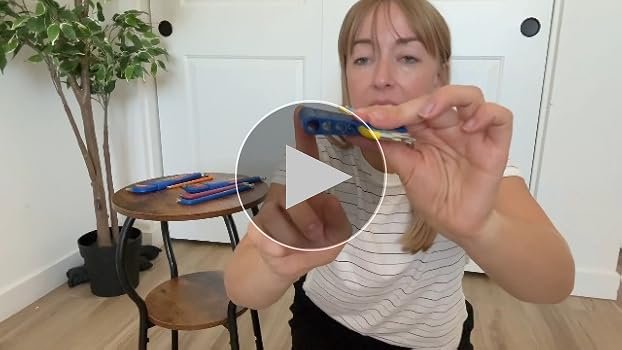
If you’ve ever struggled with tiny screws or confusing instructions during an assembly project, a hex key might just become your new best friend. Knowing how to use a hex key correctly can save you time, reduce frustration, and make your projects smoother from start to finish.
In this guide, you’ll discover simple tips and tricks to master this handy tool, so your next assembly task feels easy and even enjoyable. Ready to turn those loose parts into a finished product? Let’s dive in.

Credit: www.ebay.com
Choosing The Right Hex Key
Using the right hex key is important for assembly projects. It helps you tighten or loosen screws easily and safely.
Selecting the correct size and type of hex key prevents damage to screws and tools. This guide explains how to choose one.
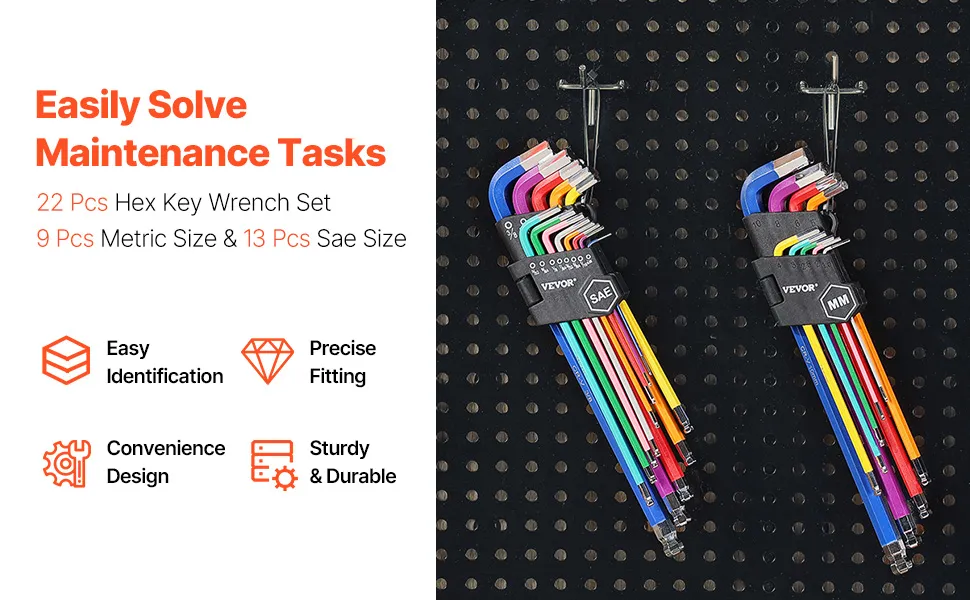
Types Of Hex Keys
Hex keys come in different shapes and materials. Each type fits specific tasks and screw heads.
- Standard L-shaped keys are common and easy to use.
- T-handle keys offer better grip and torque.
- Ball-end keys allow turning at an angle.
- Fold-up hex keys are compact and portable.
- Long-arm keys reach screws in tight spaces.
Choose a type that matches your project needs and workspace.
Size Matching Tips
Hex keys come in metric and imperial sizes. Using the wrong size can strip the screw or damage the key.
Check the screw head for size markings or measure it before picking a hex key.
- Start with a smaller key and test fit.
- If it feels loose, try the next size up.
- Do not force a key that does not fit well.
- Use a caliper or ruler for precise measurement.
Proper size matching saves time and protects your tools and materials.
Preparing For Assembly
Using a hex key correctly starts with good preparation. This helps make your assembly project smooth and safe.
Before you begin, gather all needed tools and understand the fasteners you will use. This saves time and avoids mistakes.
Gathering Tools And Materials
Collecting the right tools and materials is important. A hex key is small but useful. You also need matching fasteners and sometimes other tools.
- Hex key set with various sizes
- Screws or bolts for your project
- Screwdriver or wrench for other fasteners
- Protective gloves and safety glasses
- Instruction manual or assembly guide
Checking Fastener Types
Fasteners come in different sizes and shapes. The hex key must fit the fastener head to work well. Check each fastener before starting.
| Fastener Type | Hex Key Size Needed | Notes |
| Hex Socket Screw | 2 mm to 10 mm | Common in furniture |
| Hex Head Bolt | Usually larger sizes | May need wrench |
| Set Screw | Small sizes (1.5 mm to 5 mm) | Used for locking parts |
| Allen Bolt | Various sizes | Standard hex key fits |
Basic Hex Key Techniques
Using a hex key correctly helps you assemble projects with ease. It fits into hexagonal screw heads to tighten or loosen them.
Learning simple techniques can prevent damage and make your work smoother.
Inserting The Hex Key Properly
Place the short end of the hex key fully into the screw head. This ensures a strong grip and prevents slipping.
- Align the hex key straight with the screw.
- Push it firmly into the socket.
- Make sure it fits snugly without any wiggle.
- Use the long end as a handle for better leverage.
Applying Correct Pressure
Apply steady and even pressure when turning the hex key. Avoid forcing it to prevent stripping the screw.
| Pressure | Effect |
| Too Light | May slip out and waste effort |
| Correct | Turns screw smoothly and safely |
| Too Hard | Can damage screw or tool |
Credit: www.vevor.com
Step-by-step Assembly Process
Using a hex key for assembly projects is simple and effective. This tool helps you tighten screws and bolts with hexagonal sockets.
Follow these steps to assemble your project correctly and safely.
Aligning Parts
Start by placing the parts you want to join close together. Make sure the holes for screws line up perfectly.
Check the edges and corners to ensure parts fit well without gaps.
- Lay parts flat on a clean surface
- Match screw holes on both parts
- Adjust until parts are flush and even
Tightening Fasteners
Insert the hex key into the screw or bolt head carefully. Turn the key clockwise to tighten the fastener.
Apply steady pressure and avoid forcing the key to prevent damage.
- Insert the hex key fully into the fastener
- Turn slowly to engage threads
- Tighten until secure but do not overtighten
Ensuring Stability
After tightening, check that parts do not wobble or shift. Stability means the assembly is strong and safe.
Tighten any loose fasteners again if needed. Test the assembled item by gently applying pressure.
- Press on the assembly to test firmness
- Re-tighten loose screws with the hex key
- Confirm all parts stay in place
Common Challenges And Solutions
Using a hex key for assembly projects can be simple, but some problems may appear. These problems can slow you down or damage parts.
Knowing how to fix these problems helps you finish your work faster and avoid damage.
Stripped Screws
Stripped screws happen when the hex key slips inside the screw head. This makes the screw hard to turn or remove.
To fix stripped screws, you need to get a better grip or use special tools to remove them.
- Use a larger hex key for a tighter fit.
- Apply firm, steady pressure to avoid slipping.
- Try rubber bands between the key and screw for extra grip.
- Use pliers or screw extractors if the screw is badly stripped.
Stuck Fasteners
Stuck fasteners are screws or bolts that won’t turn easily. They may be rusted or tightened too much.
You can loosen stuck fasteners with gentle force or by using some helpful tricks.
- Apply penetrating oil to loosen rust or dirt.
- Tap the fastener lightly with a hammer to break rust bonds.
- Use a longer hex key handle to increase leverage.
- Warm the fastener with heat to expand metal and ease turning.
Maintenance And Care
Keeping your hex keys clean and stored well helps them last longer. Good care makes assembly projects easier and safer.
Regular maintenance prevents rust and damage. It also keeps the tools ready for any job.
Cleaning Hex Keys
After use, clean your hex keys to remove dirt and grease. Use a dry cloth or brush to wipe off grime.
- Wipe keys with a soft cloth
- Use mild soap and water for tough dirt
- Dry thoroughly to avoid rust
- Apply light machine oil to protect metal
Storing Tools Safely
Store your hex keys where they won’t get lost or damaged. Proper storage keeps them organized and easy to find.
| Storage Method | Benefits |
| Toolbox with compartments | Keeps keys separated and protected |
| Magnetic strip | Quick access and prevents loss |
| Key holder rack | Organizes sizes clearly |
| Plastic case | Protects from dirt and moisture |

Credit: www.liberia.ubuy.com
Frequently Asked Questions
What Is A Hex Key Used For In Assembly?
A hex key fits hexagonal socket screws, commonly found in furniture and machinery. It provides precise torque for secure assembly and easy disassembly.
How Do I Choose The Right Hex Key Size?
Select a hex key that snugly fits the screw head. Using the wrong size can strip screws or damage tools.
Can I Use A Hex Key For Tightening Bolts?
Yes, hex keys effectively tighten bolts with hex socket heads. Ensure proper size and apply steady pressure to avoid slipping.
How To Avoid Stripping Screws With A Hex Key?
Use the correct hex key size and apply firm, even pressure. Avoid forcing the tool at an angle to prevent damage.
Conclusion
Using a hex key is straightforward and practical. These tools fit into small spaces, making assembly easier. Always match the hex key size with the bolt. This prevents wear and damage. Tighten or loosen with steady pressure. Hex keys come in sets, so keep them organized.
Practice improves confidence in using them. Remember, patience is key in assembly projects. Safety should always be your top priority. With these tips, you can handle your projects efficiently. Enjoy assembling with ease and accuracy!