
Ever stood there, tape measure in hand, wondering how to accurately measure a long distance without getting tangled or frustrated? You’re not alone.
Tape measures are essential tools, yet they can feel tricky when stretching across vast areas. Imagine confidently measuring any space, knowing exactly how to handle your tape measure with ease. That’s not just a possibility; it’s a skill you can master.
In this guide, you’ll discover simple strategies and tips to effectively use a tape measure for long distances. Get ready to transform your measuring tasks from daunting to doable. Keep reading, because by the end of this article, you’ll be equipped with all the knowledge you need to measure like a pro.

Credit: www.creeklinehouse.com
Choosing The Right Tape Measure
Using a tape measure for long distances needs the right tool. The right tape helps you measure accurately and easily.
Pick a tape measure that fits your measuring needs. Look at types, length, material, and special features.
Types Of Tape Measures
There are several tape measure types. Each suits different kinds of measuring tasks.
- Steel Tape:Strong and stiff. Good for long distances.
- Fiberglass Tape:Flexible and resistant to stretching. Works well outdoors.
- Cloth Tape:Soft and bendable. Best for curved surfaces, not long distances.
- Open Reel Tape:Often long tapes that roll up on a reel. Easy to handle long distances.
Length And Material Considerations
Choose a tape long enough for your project. Tapes come in lengths from 25 feet to 300 feet or more.
Material affects durability and ease of use. Steel is tough but can rust. Fiberglass resists weather and stays accurate.
- Longer tapes reduce the need to move and re-measure
- Steel tapes are best on flat surfaces
- Fiberglass tapes work well on rough or wet ground
- Check for rust resistance and weatherproof coatings
Features For Long Distance Measuring
Look for features that help with measuring long distances. These make your work faster and more accurate.
- Wide blade:Holds straight better for longer measurements.
- Locking mechanism:Keeps tape in place without slipping.
- Clear markings:Large numbers and easy-to-read scales reduce mistakes.
- Reel handle:Helps roll the tape back quickly and neatly.
- Hook or tang:Strong end piece to grab edges or nails.
Preparing For Accurate Measurement
Using a tape measure for long distances needs careful preparation. Small errors can add up and affect the final result.
Follow these steps to get the most accurate measurement possible every time.
Selecting The Measuring Surface
Pick a flat and stable surface to lay your tape measure on. Uneven surfaces can cause the tape to bend, leading to wrong readings.
Hard surfaces like concrete or wood work best. Avoid soft or rough ground that might cause the tape to sink or stretch.
Clearing Obstacles
Remove any objects that block the tape path. Items like rocks, branches, or tools can push the tape up or down.
- Check the entire measuring line for obstacles.
- Clear away debris or loose items.
- Ask for help if the distance is too long to manage alone.
- Keep the tape straight and unobstructed for best results.
Ensuring Proper Tape Alignment
Align the tape measure straight between the two points. Misalignment can cause the tape to show a longer or shorter distance.
| Common Alignment Mistakes | Effect on Measurement |
| Tape bent or twisted | Gives a longer reading |
| Tape loose or slack | Gives a shorter reading |
| Tape pulled too tight | Can stretch and give a longer reading |
| Tape not level with the ground | Causes inaccurate distance |
Techniques For Measuring Long Distances
Measuring long distances with a tape measure requires careful techniques. This guide explains key methods to get accurate results.
By using the tape measure properly, you can avoid mistakes and save time on your projects.
Using The Hook End Effectively
The hook end of the tape helps you start measuring from edges or corners. Make sure the hook catches firmly on the starting point.
Hold the hook tight to avoid slipping. The small movement of the hook is built into the tape’s accuracy.
Stretching The Tape Correctly
Keep the tape straight and level while measuring. Do not let it sag or bend.
- Pull the tape firmly but do not overstretch it.
- Keep your hand steady at the end with the hook.
- Use a helper to hold the tape at long distances.
- Check that the tape lies flat on the surface.
- Read the measurement at eye level to avoid errors.
Marking Intervals Along The Distance
Mark points clearly to keep track of your measurements. Use chalk, tape, or pencil marks.
| Marking Tool | Best Use |
| Chalk | Outdoor surfaces like concrete or wood |
| Masking Tape | Temporary marks on smooth surfaces |
| Pencil | Permanent marks on wood or drywall |
| Marker | Visible marks on metal or plastic |
Common Challenges And Solutions
Measuring long distances with a tape measure can be tricky. You may face problems like tape sag, errors, or bad weather. Knowing how to handle these can make your work easier and more accurate.
This guide explains common issues and offers simple ways to solve them. Follow these tips to improve your measuring results every time.
Dealing With Tape Sag
Tape sag happens when the tape bends or droops in the middle. This causes wrong measurements because the tape is not straight. Sagging is common on long distances.
To fix sag, keep the tape tight and supported. Use helpers to hold the tape at points between the start and end. You can also use a straight edge or guide if possible.
- Pull the tape firmly to reduce sag
- Ask someone to hold the tape at middle points
- Use stakes or clamps to support the tape
- Measure in short sections if needed
Avoiding Measurement Errors
Errors can come from misreading the tape or starting at the wrong point. These mistakes add up, especially on long distances. Always check your starting and ending marks.
Use clear markers and double-check numbers. Keep the tape straight and read measurements at eye level. Write down numbers right away to avoid forgetting.
- Start measuring from the tape’s zero mark
- Hold the tape flat and level
- Read measurements at eye height
- Mark points clearly before measuring
- Write down measurements immediately
Handling Wind And Weather Conditions
Wind can make the tape move and cause errors. Rain or moisture can make the tape slippery or hard to read. Work carefully in bad weather to keep your tape steady.
Use clips or weights to hold the tape in place. Try to measure when the wind is calm. Keep the tape dry and wipe it if it gets wet. Protect the tape from dirt and damage.
- Use tape clips or weights to stop movement
- Measure during calm weather if possible
- Keep the tape dry and clean
- Store the tape properly after use
Maintaining Your Tape Measure
Keeping your tape measure in good shape helps it last longer. Regular care makes measuring easy and accurate.
Simple steps like cleaning and checking for damage keep your tape measure ready for use every time.
Cleaning And Storage Tips
Clean your tape measure after each use. Dirt and dust can cause it to stick or wear out.
- Wipe the tape with a dry cloth to remove dust.
- Use a damp cloth for sticky dirt, then dry it well.
- Do not soak the tape in water to avoid rust.
- Store the tape measure in a dry place away from sunlight.
- Keep the tape retracted fully when not in use.
Inspecting For Damage
Check your tape measure often for signs of damage. Small issues can cause big problems when measuring.
| Damage Type | What to Look For | Why It Matters |
| Tape Cracks | Visible splits or breaks | Can cause incorrect length readings |
| Hook Damage | Bent or loose end hook | Leads to inaccurate measurements |
| Lock Failure | Lock does not hold tape | Tape may retract unexpectedly |
| Rust Spots | Brown or orange discoloration | Weakens tape and affects smooth movement |
Extending Tape Life
Take steps to extend the life of your tape measure. Small habits make a big difference.
- Always retract the tape slowly to avoid snapping.
- Keep the tape away from sharp objects to prevent cuts.
- Avoid pulling the tape beyond its full length.
- Use the tape only for measuring, not as a tool for other tasks.
- Apply a light oil on the tape if it starts to stick.
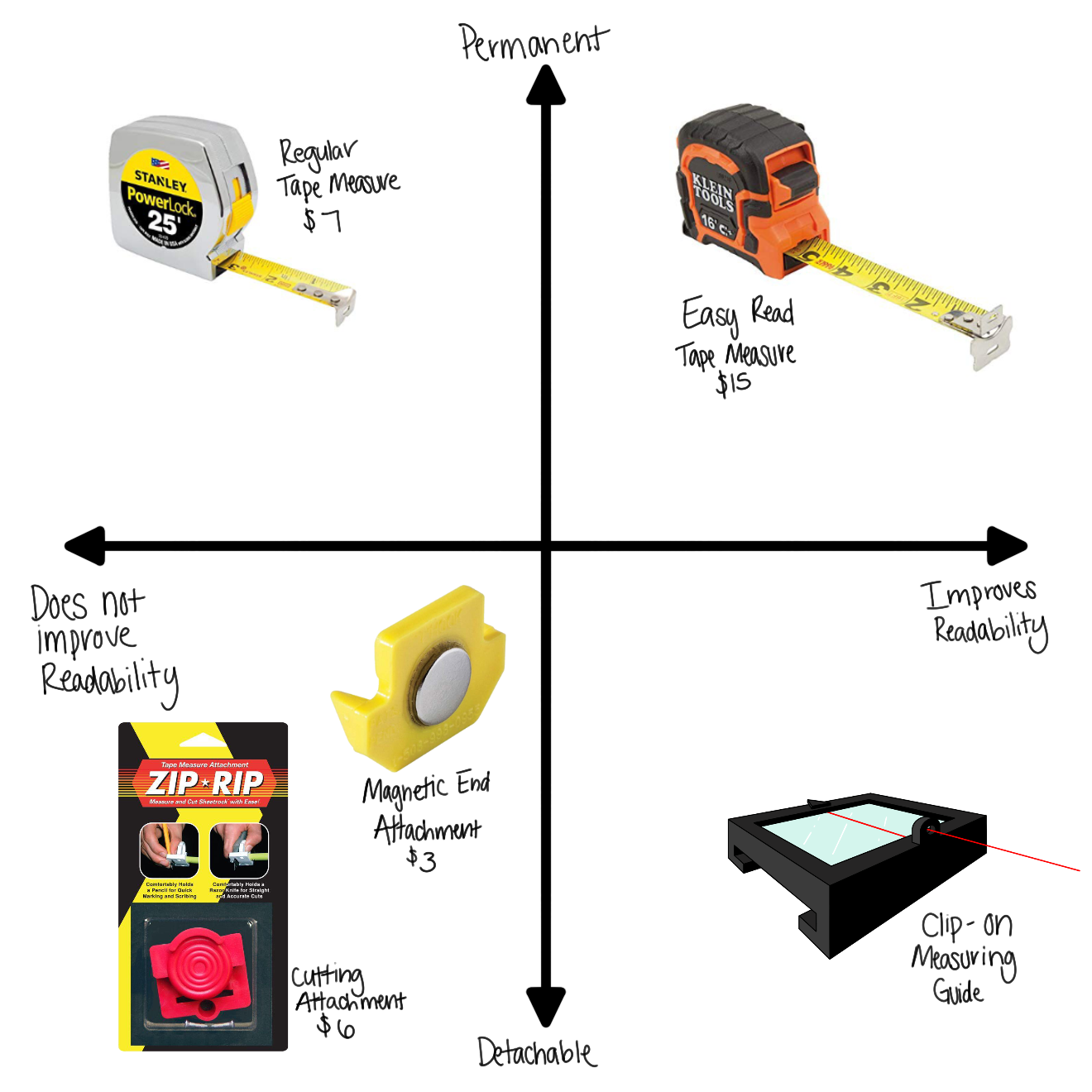
Credit: medium.com
Advanced Tips For Professionals
Using a tape measure for long distances needs skill and care. Advanced users can improve accuracy and efficiency with certain techniques.
This guide covers ways to work with a partner, use technology, and measure tricky surfaces.
Using A Partner For Accuracy
Measuring long distances alone can cause errors. A partner helps hold the tape straight and steady. This reduces sag and mistakes.
- One person holds the tape start point firmly.
- The other pulls the tape tight at the end.
- Both watch the tape markings carefully.
- Communicate clearly to confirm measurements.
- Use clamps or weights if needed to keep tape stable.
Incorporating Technology
Technology can make long distance measuring faster and more accurate. Laser distance meters work well with tape measures.
| Tool | Use | Benefit |
| Tape Measure | Measure straight lines | Simple and low cost |
| Laser Distance Meter | Measure long or hard-to-reach distances | High precision and fast |
| Smartphone Apps | Record and store measurements | Helps track data easily |
Measuring Irregular Surfaces
Irregular surfaces need special care. Flexible tape measures can follow curves and edges well.
Tips for measuring irregular surfaces:
- Use a cloth or fiberglass tape for better flexibility.
- Mark key points along the surface before measuring.
- Measure in sections and add the lengths together.
- Keep the tape snug but not stretched to avoid errors.

Credit: learn.reeb.com
Frequently Asked Questions
How Do I Measure Long Distances Accurately With A Tape Measure?
To measure long distances accurately, keep the tape straight and taut. Use a helper for longer spans. Avoid sagging or bending for precise results.
What Tape Measure Length Is Best For Long Distances?
For long distances, use a tape measure of at least 25 to 50 feet. Longer tapes reduce the need for multiple measurements and improve accuracy.
Can I Use A Tape Measure Outdoors For Long Distances?
Yes, you can use a tape measure outdoors. Ensure the tape is durable and weather-resistant. Avoid windy conditions to maintain accuracy.
How Do I Avoid Errors When Measuring Long Distances?
Avoid errors by keeping the tape tight and level. Double-check measurements and mark start and end points clearly. Use consistent units throughout.
Conclusion
Measuring long distances with a tape measure is simple and useful. Take your time and keep the tape straight. Use clear markers to note measurements. Double-check numbers to avoid mistakes. Practice helps you feel confident and accurate. A good tape measure makes tasks easier.
Follow these tips for better results every time. Measuring long distances is now easier than before. Keep practicing, and you will improve quickly.
