Picture this: You’re in the middle of a DIY project, and you’re just about to tighten that crucial bolt. But wait, your toolbox doesn’t seem to have the right size wrench.
Frustrating, isn’t it? This is where an adjustable wrench becomes your best friend. It’s versatile, easy to use, and can save you time and effort. Imagine having just one tool that fits many sizes, cutting down on clutter and confusion.
In this guide, we’ll show you how to make the most out of your adjustable wrench. Whether you’re a seasoned DIY enthusiast or just getting started, understanding how to use this tool effectively can make a world of difference. Ready to simplify your toolbox and your tasks? Let’s dive in and unlock the full potential of the adjustable wrench together.

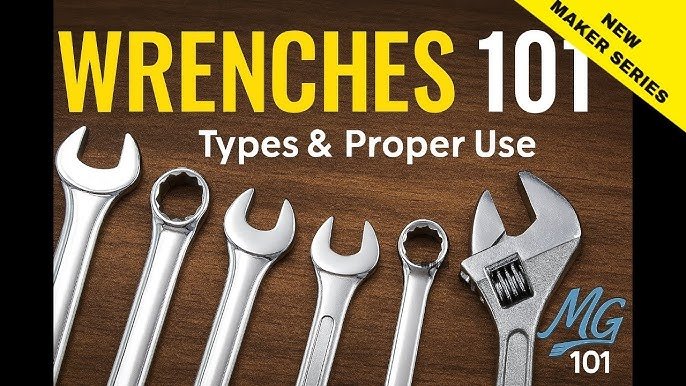
Credit: www.youtube.com
Types Of Adjustable Wrenches
Adjustable wrenches are handy tools that fit different sizes of nuts and bolts. They save space and money by replacing many fixed-size wrenches.
There are several types of adjustable wrenches. Each type works best for certain tasks and tools.
Standard Adjustable Wrenches
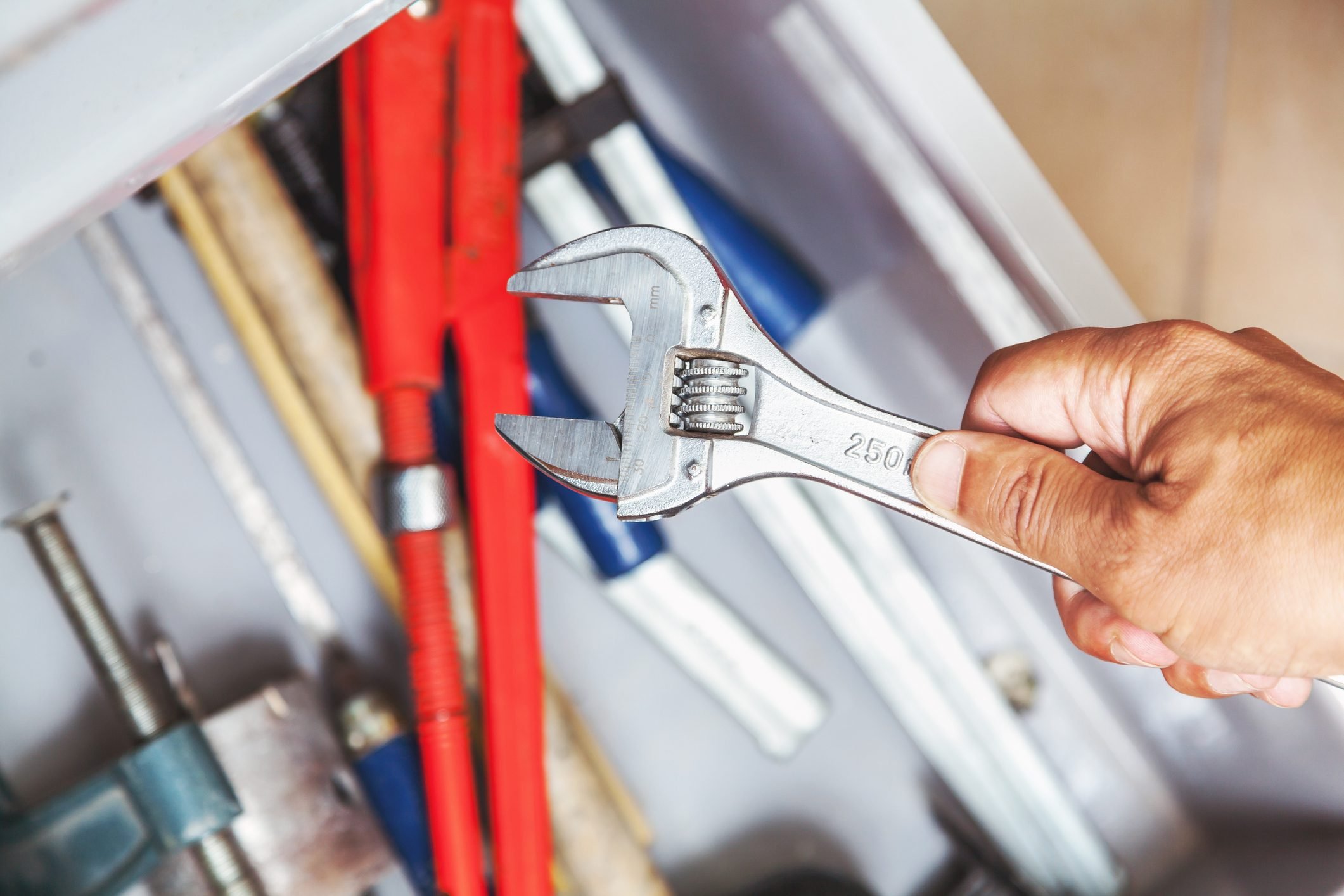
Standard adjustable wrenches have a smooth jaw that can open wider or smaller. You turn a screw to change the jaw size.
They are good for general use and fit many bolt sizes. The flat jaws work well on square or hex nuts.
Crescent Wrenches
Crescent wrenches are a popular type of adjustable wrench. They have angled jaws for better grip on nuts and bolts.
The handle is often curved for comfort. These wrenches are common in home tool kits and are easy to use.
Monkey Wrenches
Monkey wrenches have large, straight jaws and a heavy handle. They are strong and good for big jobs.
They work well on pipes and round fittings. The jaws adjust by turning a screw near the handle.
Specialized Adjustable Wrenches
Specialized adjustable wrenches fit specific tasks. Examples include pipe wrenches and spud wrenches.
Pipe wrenches have teeth for gripping round pipes. Spud wrenches have a pointed end to align holes.
- Pipe wrenches: grip round objects tightly
- Spud wrenches: align holes and tighten bolts
- Flare nut wrenches: protect soft metal fittings
Choosing The Right Wrench
Choosing the right adjustable wrench makes your work easier and safer. A good wrench fits well and lasts long.
Think about the size, material, and comfort when picking a wrench. These factors affect how well the wrench works.
Size And Jaw Capacity
Choose a wrench size that fits the nuts or bolts you work with. The jaw capacity tells you the largest size it can open.
| Wrench Size | Jaw Capacity (inches) | Best Use |
| 6-inch | 1/2 | Small bolts and nuts |
| 8-inch | 3/4 | Medium bolts |
| 10-inch | 1 | Larger bolts and plumbing |
| 12-inch | 1-1/4 | Heavy-duty jobs |
Material And Build Quality
Look for wrenches made from strong metals like chrome vanadium or steel. These last longer and resist rust.
- Chrome plating prevents corrosion
- Forged steel adds strength
- Heat treatment improves durability
Ergonomic Design
Comfort is key if you use a wrench for a long time. Ergonomic handles reduce hand strain and increase grip.
- Soft rubber grips to prevent slipping
- Curved handles that fit your hand
- Lightweight design to reduce fatigue
Basic Techniques For Use
Adjustable wrenches are useful tools for many jobs. They can fit different sizes of nuts and bolts. Knowing how to use them correctly makes your work easier and safer.
This guide explains simple techniques to use adjustable wrenches well. You will learn how to adjust the jaw, hold the wrench, and apply the right pressure.
Adjusting The Jaw Width
Start by opening the jaws of the wrench. Turn the screw to make the jaw wider or smaller. Fit the jaw around the nut or bolt you want to turn.
The jaw should be snug but not too tight. If it is loose, the wrench might slip and cause damage. Adjust carefully to get a firm hold.
- Turn the screw counterclockwise to widen the jaw
- Turn the screw clockwise to narrow the jaw
- Check the fit before using the wrench
Proper Grip And Positioning
Hold the wrench handle firmly with your dominant hand. Place your hand near the end of the handle for better control. Position the wrench so the fixed jaw is against the side you want to push.
Keep your wrist straight and your body balanced. This helps you apply force safely and reduces the risk of slipping. Make sure the wrench teeth grip the nut or bolt fully.
- Grip near the handle’s end for more leverage
- Align the wrench jaws squarely on the fastener
- Keep your wrist and arm in line
Applying Correct Pressure
Push or pull the wrench slowly and steadily. Avoid quick or jerky movements. Use steady pressure to turn the fastener without slipping.
Do not use too much force. If the fastener does not move, check the fit of the wrench or try another tool. Applying too much pressure can damage the wrench or the fastener.
- Apply steady, even pressure
- Stop if the wrench slips or binds
- Use the right tool if more force is needed
Common Diy Tasks
An adjustable wrench is a handy tool for many home projects. You can use it to tighten or loosen nuts and bolts of different sizes. This guide covers common tasks where an adjustable wrench is useful.
Knowing how to use this tool can save time and help you complete repairs or assembly easily. Below are some typical DIY tasks that need an adjustable wrench.
Tightening And Loosening Bolts
Adjustable wrenches fit many bolt sizes. Turn the screw on the wrench to open or close the jaws. Place the wrench on the bolt head and twist to tighten or loosen it.
- Adjust the wrench to fit the bolt snugly
- Turn clockwise to tighten the bolt
- Turn counterclockwise to loosen the bolt
- Use steady pressure to avoid slipping
Plumbing Repairs
Many plumbing fittings use nuts that need an adjustable wrench. It helps in tightening leaks or disconnecting pipes. Always turn slowly to prevent damage.
| Plumbing Part | Use of Adjustable Wrench |
| Pipe Fittings | Tighten or loosen joints |
| Drain Pipes | Remove or install sections |
| Valve Nuts | Adjust valve tightness |
Automotive Maintenance
Adjustable wrenches help with many car repairs. Use them for battery terminals, brake lines, or engine parts. Make sure to adjust the wrench tightly to avoid slipping.
Tips for automotive use:
- Wear gloves for safety
- Check bolt size before adjusting wrench
- Use the correct side of the wrench for best grip
- Work on a flat surface for balance
Furniture Assembly
Many flat-pack furniture kits include bolts that need an adjustable wrench. It helps tighten connections firmly. Avoid over-tightening to prevent damage.
- Set wrench to bolt size
- Hold the bolt head steady
- Turn the wrench to tighten securely
- Check all bolts after assembly
Tips To Avoid Damage
Using an adjustable wrench correctly helps protect your tools and workpieces. Follow simple tips to keep the wrench in good shape.
These tips also help you work safely and avoid slipping or breaking parts.
Preventing Slippage
Slippage can ruin the tool and damage bolts or nuts. Make sure the wrench grips the fastener firmly before turning.
Keep the wrench clean and free from oil or grease to avoid slipping.
- Adjust the wrench jaw tightly around the fastener
- Pull the wrench handle, do not push it
- Keep your hands dry and clean
- Use a wrench size close to the fastener size
Maintaining Jaw Alignment
Jaw alignment keeps the wrench biting evenly on the fastener. Misaligned jaws cause damage to both tool and fastener.
Check the jaws often and adjust the wrench smoothly to keep them parallel.
- Turn the adjustment screw slowly
- Avoid forcing the jaws beyond their limits
- Clean debris from the jaws before use
- Inspect jaws for wear or damage regularly
Using The Right Torque
Applying the correct torque prevents stripping or breaking fasteners. Too much force can damage parts or tools.
Use a steady, controlled motion to apply force. Stop if the fastener feels stuck or tight.
- Use a torque wrench if exact force is needed
- Apply force slowly and evenly
- Do not use extensions or cheater bars
- Replace worn wrenches to keep torque accurate
Credit: abascotools.com
Maintenance And Care
Adjustable wrenches need regular care to work well. Proper maintenance helps them last longer.
Cleaning, lubricating, and storing are key parts of taking care of your wrench.
Cleaning After Use
Wipe your wrench with a clean cloth after each use. Remove dirt, grease, and debris from the tool.
If the wrench is very dirty, wash it with warm water and mild soap. Dry it completely to stop rust.
- Use a brush for hard-to-reach spots
- Never leave water on metal parts
- Check for stuck dirt inside the adjustable jaw
Lubricating Moving Parts
Lubricate the screw and sliding parts regularly. This keeps the wrench moving smoothly.
Use light machine oil or a spray lubricant. Apply a small amount and move the jaw to spread it well.
- Lubricate at least once a month
- Clean off old grease before adding new oil
- Do not over-lubricate to avoid attracting dirt
Proper Storage
Store your adjustable wrench in a dry place. Avoid leaving it in damp or humid areas.
Use a tool box or hang the wrench on a pegboard. Proper storage prevents rust and damage.
- Keep the wrench away from moisture
- Keep it separate from heavy tools that can cause dents
- Close the jaw slightly to protect the threads
Safety Precautions
Using an adjustable wrench can be easy and safe if you follow some rules. Safety helps avoid injuries and tool damage.
Learn how to protect yourself and your tools while working with adjustable wrenches.
Wearing Protective Gear
Wear gloves to protect your hands from cuts and pinches. Safety glasses keep your eyes safe from flying debris.
Closed-toe shoes protect your feet if you drop the wrench or other tools.
- Wear gloves to avoid hand injuries
- Use safety glasses to protect your eyes
- Wear sturdy shoes to protect your feet
Inspecting Tools Before Use
Check the adjustable wrench for cracks or damage before using it. A damaged tool can break and cause accidents.
Make sure the wrench moves smoothly and the jaws grip tightly. Loose parts reduce control and increase risk.
- Look for cracks or rust on the wrench
- Test the adjustable jaw for smooth movement
- Ensure the wrench holds firmly on nuts or bolts
Avoiding Over-tightening
Do not use too much force when tightening bolts. Over-tightening can damage the bolt and the tool.
Stop tightening once the bolt is secure. Using a torque wrench can help apply the right amount of force.
- Apply only enough force to secure the bolt
- Avoid forcing the wrench beyond its limit
- Use a torque wrench for precise tightening
Credit: www.familyhandyman.com
Frequently Asked Questions
What Is The Best Way To Adjust An Adjustable Wrench?
To adjust an adjustable wrench, turn the thumbwheel until the jaws fit snugly around the fastener. Ensure a tight grip to avoid slipping and damage.
How Do I Maintain An Adjustable Wrench For Longevity?
Keep the wrench clean and dry. Lubricate the moving parts regularly with light oil to prevent rust and ensure smooth adjustment.
Can An Adjustable Wrench Replace A Set Of Fixed Wrenches?
An adjustable wrench is versatile but may not fit all fasteners perfectly. For precision, use fixed wrenches alongside it for specific sizes.
What Materials Are Adjustable Wrenches Commonly Made From?
Adjustable wrenches are typically made from chrome-vanadium steel or carbon steel. These materials offer strength, durability, and resistance to corrosion.
Conclusion
Adjustable wrenches fit many different nuts and bolts. They save space and money by replacing many tools. Always choose the right size and grip firmly. Keep the wrench clean and check for damage often. Practice using it slowly to avoid slipping.
A good wrench makes your work easier and safer. Use these tips to handle tasks with confidence. Your toolbox will be ready for many jobs ahead. Simple tools, smart use—perfect results every time.