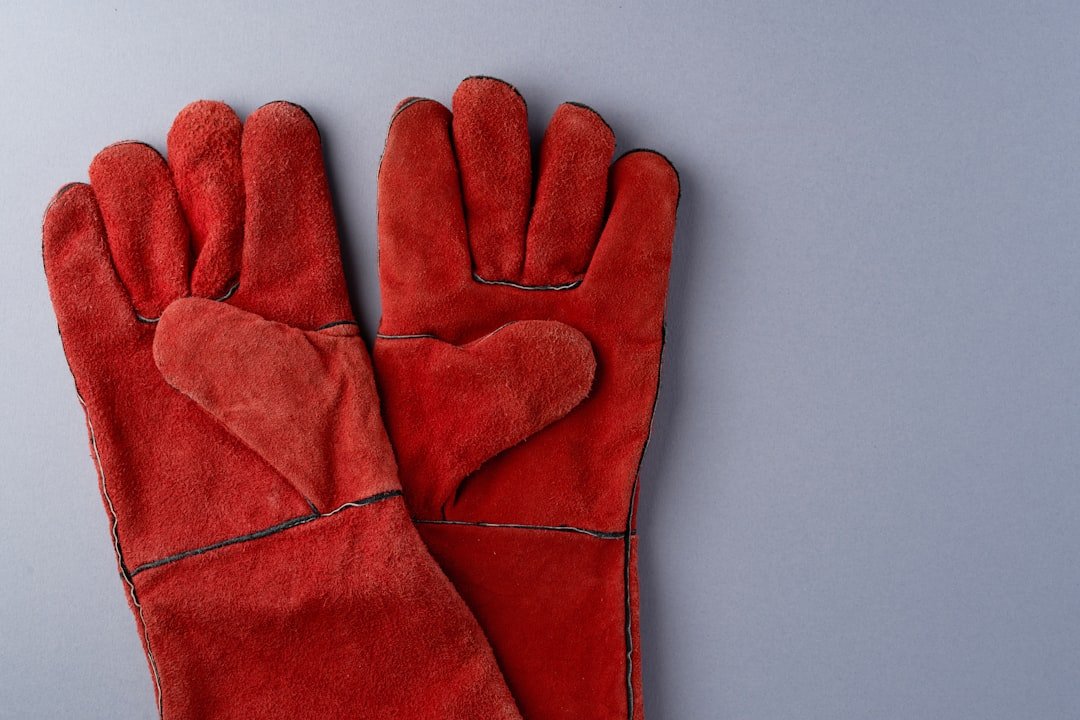
When you’re working with electricity, your safety should always come first. Using insulated gloves is one of the smartest ways to protect yourself from electric shocks and injuries.
But do you know how to choose the right gloves? Or how to use them properly to stay safe on the job? This guide will give you clear, simple steps to help you understand everything about insulated gloves. By the time you finish reading, you’ll feel confident and ready to handle electrical work with the right protection.
Keep reading—your safety depends on it.
Types Of Insulated Gloves
Insulated gloves protect workers from electrical shocks. They are essential for safe electrical work. Different types serve different purposes and provide varying levels of protection.
Understanding the types of insulated gloves helps in choosing the right pair. This guide explains rubber gloves, leather protectors, and voltage ratings.
Rubber Gloves
Rubber gloves are the main barrier against electric shocks. They are made from natural or synthetic rubber. These gloves insulate the hands from live electrical parts.
- Provide high insulation against electric current
- Flexible and comfortable to wear
- Must be tested regularly for damage
- Used alone or with leather protectors
Leather Protectors
Leather protectors cover rubber gloves. They guard against cuts, punctures, and abrasion. Leather gloves do not insulate but extend rubber gloves’ life.
- Protect rubber gloves from physical damage
- Improve grip and durability
- Should fit well over rubber gloves
- Not a substitute for insulated gloves
Voltage Ratings
Voltage ratings show the maximum voltage a glove can handle. Choosing the right rating is critical for safety. Gloves come in different classes based on voltage levels.
| Class | Maximum Use Voltage (Volts AC) | Typical Use |
|---|---|---|
| Class 00 | 500 | Low voltage, under 500 volts |
| Class 0 | 1,000 | Up to 1,000 volts |
| Class 1 | 7,500 | Up to 7,500 volts |
| Class 2 | 17,000 | Up to 17,000 volts |
| Class 3 | 26,500 | Up to 26,500 volts |
| Class 4 | 36,000 | Up to 36,000 volts |

Credit: www.familyhandyman.com
Choosing The Right Gloves
Insulated gloves protect you from electrical shocks. Choosing the right gloves is important for safety and comfort.
This guide helps you pick gloves that fit your work needs and keep you safe on the job.
Assessing Work Environment
Look at your work area before choosing gloves. Check if you work indoors or outdoors, and if the area is wet or dry.
- Indoor dry areas need lighter gloves
- Wet or damp places require waterproof gloves
- Outdoor work may need gloves with extra durability
- High-temperature spots need heat-resistant gloves
Selecting Based On Voltage
Gloves must match the voltage you work with. Different gloves protect against different voltage levels.
| Glove Class | Max Voltage Protection |
| Class 00 | Up to 500 volts AC |
| Class 0 | Up to 1,000 volts AC |
| Class 1 | Up to 7,500 volts AC |
| Class 2 | Up to 17,000 volts AC |
| Class 3 | Up to 26,500 volts AC |
| Class 4 | Up to 36,000 volts AC |
Sizing And Fit
Gloves should fit well to keep hands safe and allow easy movement. Too tight or loose gloves cause problems.
- Measure your hand size carefully
- Choose gloves that cover your wrist
- Try gloves to check comfort before using
- Replace gloves if they stretch or tear
Inspection Before Use
Insulated gloves protect workers from electrical shocks. Checking gloves before use is very important.
Inspection helps find damage or wear that could cause danger. Always inspect gloves carefully.
Visual Checks
Look closely at the gloves for cuts, holes, or cracks. Check the surface for dirt or oil that can hide damage.
Inspect seams and cuffs for tears or loose threads. Make sure the gloves are dry and clean before use.
- Check for cracks or splits on the glove surface
- Look for holes or punctures
- Inspect seams and cuffs for damage
- Ensure gloves are clean and dry
Leakage Tests
Leakage tests check if gloves can stop electricity. These tests find holes too small to see.
Use an air or water test to find leaks. Inflate the glove and look for bubbles or air loss.
- Fill the glove with air and look for leaks
- Use water to spot bubbles showing holes
- Do not use damaged gloves for electrical work
Frequency Of Inspections
Inspect gloves before every use to stay safe. Regular checks help catch damage early.
Follow your workplace rules for detailed tests. Some tests may need to be done monthly or yearly.
- Check gloves visually before each use
- Perform leakage tests regularly as required
- Keep records of all inspections and tests

Credit: www.envirosafetyproducts.com
Proper Wearing Techniques
Using insulated gloves correctly is vital for safety in electrical work. Proper techniques help protect against shocks and injuries.
This guide explains how to wear gloves properly, use leather protectors, and avoid contamination.
Donning Gloves Correctly
Put on insulated gloves carefully to avoid damage and ensure full protection. Check gloves for tears or dirt before wearing them.
- Clean your hands and dry them completely.
- Inspect gloves for holes, tears, or cracks.
- Insert your hand slowly to avoid stretching the glove.
- Ensure the cuff fits snugly around your wrist.
- Test the gloves by flexing your fingers gently.
Using Leather Protectors
Leather protectors shield insulated gloves from cuts, abrasions, and punctures. Always wear them over the insulated gloves for added safety.
| Leather Protector Care | Instructions |
| Inspection | Check for holes or tears before use |
| Fit | Wear over insulated gloves without tightness |
| Cleaning | Use mild soap and water; air dry |
| Replacement | Replace if damaged or worn out |
Avoiding Contamination
Keep insulated gloves clean to maintain their protective properties. Contamination can cause glove failure and increase risk.
- Do not touch dirt, oil, or chemicals with gloves on.
- Store gloves in a clean, dry place away from sunlight.
- Clean gloves regularly with approved cleaning agents.
- Never use gloves that appear dirty or damaged.
Maintenance And Storage
Proper care of insulated gloves is key to keeping them safe for electrical work. Maintenance and storage help extend their life and protect your hands.
Follow the right steps to clean, store, and repair gloves. This guide covers what you need to know.
Cleaning Methods
Clean your insulated gloves regularly to remove dirt and oils. Use mild soap and warm water only.
- Wash gloves gently with a soft cloth or sponge.
- Do not use solvents, bleach, or harsh chemicals.
- Rinse well to remove all soap residue.
- Dry gloves away from direct heat or sunlight.
Storage Conditions
Store insulated gloves properly to prevent damage and aging. Keep them in a cool, dry place.
| Storage Factor | Recommendation |
| Temperature | Below 30°C (86°F) |
| Humidity | Low to moderate |
| Light | Avoid direct sunlight |
| Chemicals | Keep away from oils and solvents |
| Position | Flat or hung loosely |
Repair And Replacement
Inspect gloves before each use. Repair minor damage only if safe and approved.
- Check for holes, cracks, or tears.
- Do not use gloves with visible damage.
- Replace gloves after severe wear or electrical tests fail.
- Follow manufacturer guidelines for repairs.
Safety Practices During Electrical Work
Using insulated gloves is very important for safety in electrical work. These gloves protect you from electric shocks.
Follow safety rules to keep yourself safe while working with electricity. Pay close attention to how you use your gloves.
Avoiding Damage
Check your insulated gloves before each use. Look for cuts, holes, or cracks that can reduce protection.
Do not use gloves that have any damage. Store gloves in a clean, dry place away from sunlight and chemicals.
- Inspect gloves for tears or punctures
- Keep gloves away from sharp objects
- Store gloves in a cool, dry area
- Replace gloves after heavy use or damage
Working With Tools
Wear insulated gloves when using tools near live electrical parts. This helps prevent electric shock.
Use tools that are insulated or rated for electrical work. Avoid metal tools without protection.
- Always wear gloves before touching tools
- Use insulated tools designed for electrical work
- Do not remove gloves while working
- Keep gloves clean to maintain insulation
Emergency Procedures
If an accident happens, stay calm and act quickly. Do not touch the person if they are in contact with electricity.
Turn off the power source before helping. Call emergency services right away if someone is hurt.
- Do not touch the victim while they contact electricity
- Switch off the power or unplug the source
- Call emergency medical help immediately
- Perform CPR only if trained and safe to do so

Credit: www.envirosafetyproducts.com
Frequently Asked Questions
What Are Insulated Gloves Used For?
Insulated gloves are essential for electrical work. They protect workers from electric shocks and burns. These gloves are specifically designed to handle high voltage tasks safely. They are made from rubber or latex, which provides excellent insulation. Using them ensures both safety and compliance with industry standards.
How To Choose The Right Insulated Gloves?
Choosing the right insulated gloves involves checking voltage ratings and size. Ensure they meet industry standards for your specific task. Look for gloves that are comfortable and fit well. Always verify the gloves’ integrity by checking for any damages or wear.
Regular inspection is crucial for safety.
How Often Should Insulated Gloves Be Tested?
Insulated gloves should be tested before each use. Regular testing ensures they maintain their protective properties. It’s recommended to have them tested professionally every six months. This helps in identifying any potential damages. Regular testing guarantees safety during electrical work.
Can You Reuse Insulated Gloves?
Yes, you can reuse insulated gloves if they are undamaged. Always inspect them before each use for any wear or tear. Proper storage and handling extend their lifespan. Avoid exposing them to extreme conditions. Regular maintenance ensures they remain effective and safe for electrical work.
Conclusion
Using insulated gloves keeps you safe during electrical work. Always choose the right gloves for the job. Check gloves for damage before each use. Clean and store them properly to last longer. Remember, safety is your top priority. Protect your hands to avoid electric shocks and injuries.
Stay alert and follow all safety rules. Good habits help prevent accidents and save lives. Keep practicing safe work methods every day. Your safety depends on the care you take.