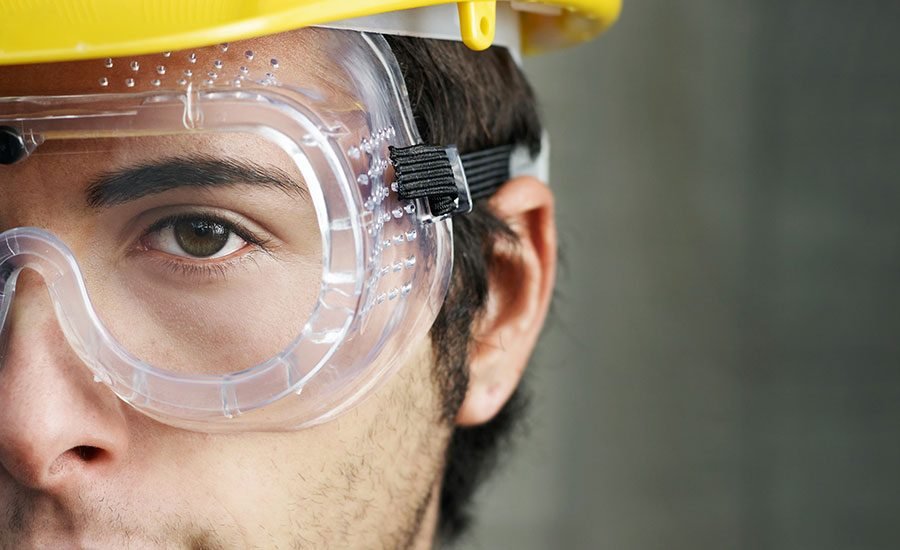
Are you wearing safety goggles but still worry about your eyes during work? It’s not just about putting them on—it’s about wearing them the right way.
Your eyes are vulnerable to dust, chemicals, and flying debris, and even a small mistake can cause serious harm. This guide will show you exactly how to wear safety goggles properly, so you can protect your vision without discomfort or distraction.
Keep reading to learn simple tips that make a big difference in your safety every day.

Credit: www.ishn.com
Choosing The Right Safety Goggles
Wearing safety goggles protects your eyes from hazards. Picking the right pair keeps you safe and comfortable.
This guide helps you choose goggles that fit your needs and work environment.
Types Of Safety Goggles
Safety goggles come in many styles. Some fit tightly around the eyes. Others have vents to reduce fogging.
- Direct vent goggles allow air but may let dust in.
- Indirect vent goggles block dust but let air flow.
- Non-vented goggles offer the best protection against liquids.
- Over-the-glasses (OTG) goggles fit over regular glasses.
Materials And Durability
Goggles are made from different materials. Look for strong, lightweight frames and lenses.
| Material | Feature | Durability |
| Polycarbonate | Impact-resistant and clear | High |
| PVC | Flexible and chemical-resistant | Medium |
| Rubber | Soft and comfortable seal | Medium |
| Polyurethane | Lightweight and strong | High |
Lens Options And Coatings
Lenses come in many types and coatings. Choose lenses that fit your work needs.
- Clear lenses for general use and good visibility.
- Tinted lenses reduce glare and bright light.
- Anti-fog coatings stop lenses from fogging up.
- Scratch-resistant coatings make lenses last longer.
- UV protection lenses shield eyes from sunlight.
Fitting Safety Goggles Correctly
Wearing safety goggles properly protects your eyes from hazards. A good fit keeps debris and chemicals out. It also makes wearing goggles comfortable for long periods.
Focus on adjusting the straps and frames, ensuring a secure seal, and fitting them over prescription glasses if needed. Each step helps maintain safety and comfort.
Adjusting Straps And Frames
Start by adjusting the straps to fit snugly around your head. The frame should sit comfortably on your face without pressing too hard. Loose goggles let particles inside.
- Pull the straps evenly on both sides.
- Check that the frame rests on your nose and cheeks.
- Avoid twisting the straps or frame.
- Tighten the straps just enough to hold the goggles firmly.
- Make sure the goggles do not move when you shake your head.
Ensuring A Secure Seal
A secure seal stops dust, liquids, and particles from entering your eyes. The edges of the goggles must touch your skin all around your eyes. Check for gaps or spaces.
| Check Point | What to Look For |
| Top edge | Firm contact with skin, no gaps |
| Side edges | Even pressure, no gaps or pinching |
| Bottom edge | Comfortable fit, no space to let air in |
| Bridge of nose | Resting without pain or slipping |
Accommodating Prescription Glasses
Many people need to wear safety goggles over their prescription glasses. Choose goggles with a roomy frame or those made to fit over glasses. Adjust the fit carefully to avoid discomfort.
- Put on your prescription glasses first.
- Wear the safety goggles over them, checking for enough space.
- Adjust straps so goggles do not press hard on glasses.
- Make sure the goggles do not fog up quickly.
- Look for models labeled “OTG” (over the glasses).
Wearing Safety Goggles In Different Environments
Safety goggles protect your eyes from hazards. Different places need different types of goggles.
Wearing goggles the right way keeps your eyes safe and comfortable in many situations.
Laboratory And Chemical Handling
In labs, chemicals can splash and harm your eyes. Goggles must fully cover your eyes and fit tightly.
Look for goggles with anti-fog lenses and ventilation. This stops the lenses from fogging up during work.
- Use goggles with side shields for full protection
- Check for chemical resistance in the lens material
- Wear goggles over prescription glasses if needed
- Clean goggles after each use to avoid contamination
Construction And Industrial Sites
Construction sites have dust, debris, and flying objects. Goggles must be impact resistant and snug.
Choose goggles that fit well with hard hats and dust masks. Adjust straps to avoid gaps around your eyes.
- Pick goggles made from polycarbonate for strong impact protection
- Use goggles with foam padding to block dust
- Check that goggles meet safety standards like ANSI Z87.1
- Replace goggles if they get scratched or cracked
Outdoor And Dusty Conditions
Outdoor work often has dust and wind that irritate eyes. Goggles must seal tightly and be comfortable.
Look for goggles with UV protection and anti-fog features. This helps during sunny or humid weather.
- Use goggles with adjustable straps for a secure fit
- Choose tinted lenses for bright sunlight
- Pick goggles with ventilation to reduce sweat buildup
- Wear a face shield over goggles for extra protection if needed
Maintaining And Cleaning Goggles
Safety goggles protect your eyes from hazards. Keeping them clean and well-maintained helps them work better.
Follow simple steps to clean and store your goggles. Check them often to know when to replace them.
Proper Cleaning Techniques
Use mild soap and water to clean goggles. Avoid harsh chemicals that can damage lenses.
- Rinse goggles under warm water to remove dirt.
- Apply mild soap with a soft cloth or fingers.
- Gently rub lenses to avoid scratches.
- Rinse thoroughly and shake off excess water.
- Air dry or use a soft lint-free cloth.
Storage Tips To Prevent Damage
Keep your goggles safe by storing them properly. This prevents scratches and damage.
| Storage Tip | Reason |
| Store in a hard case | Protects from impacts and dust |
| Keep away from direct sunlight | Prevents lens warping and discoloration |
| Place in a cool, dry place | Stops moisture buildup and mold |
| Avoid stacking goggles | Prevents lens scratches |
When To Replace Safety Goggles
Replace goggles if they no longer protect your eyes properly. Look for signs of wear or damage.
- Scratched or cracked lenses reduce visibility and protection.
- Broken straps or loose frames affect fit and safety.
- Fogging that cleaning does not fix can be a sign of wear.
- Discoloration or cloudiness lowers lens clarity.
- Follow manufacturer guidelines for replacement time.
Common Mistakes To Avoid
Wearing safety goggles protects your eyes from hazards. Using them wrong reduces their protection.
Learn common mistakes to keep your eyes safe while working.
Wearing Goggles Incorrectly
Some people wear goggles too loose or too tight. Loose goggles let dust and chemicals in.
Tight goggles cause discomfort and may make you remove them. Both reduce safety.
- Adjust straps for a snug but comfortable fit
- Make sure goggles cover your eyes fully
- Wear goggles over glasses if needed
Ignoring Damage Or Wear
Damaged goggles cannot protect your eyes well. Scratches and cracks block vision.
Worn-out foam or loose parts reduce comfort and safety. Check goggles before use.
- Inspect lenses for scratches or cracks
- Replace goggles if straps are broken
- Clean goggles regularly to avoid dirt build-up
Neglecting Compatibility With Other Ppe
Wearing goggles with other PPE can cause problems. Goggles may not fit with helmets or masks.
Wrong combinations cause gaps and reduce protection. Plan your PPE setup carefully.
- Check that goggles fit well with helmets
- Make sure goggles do not fog with masks
- Choose PPE designed to work together

Credit: www.ishn.com
Enhancing Comfort And Visibility
Wearing safety goggles protects your eyes from hazards. Comfort and clear vision help you work better.
Proper fitting and special features reduce fog and improve airflow. These keep your goggles comfortable all day.
Anti-fog Solutions
Fogged lenses block your view and cause discomfort. Use goggles with anti-fog coatings or treatments.
- Apply anti-fog sprays before use
- Choose goggles with built-in anti-fog layers
- Keep lenses clean and dry
- Avoid touching the inside of the lenses
Ventilation Features
Good airflow stops heat buildup and sweat. Ventilation holes or channels help air move freely.
| Ventilation Type | Benefit |
| Direct vents | Allow fresh air in, reduce fog |
| Indirect vents | Keep dust out while allowing airflow |
| Foam-lined vents | Comfort and gentle airflow |
Custom Fit Accessories
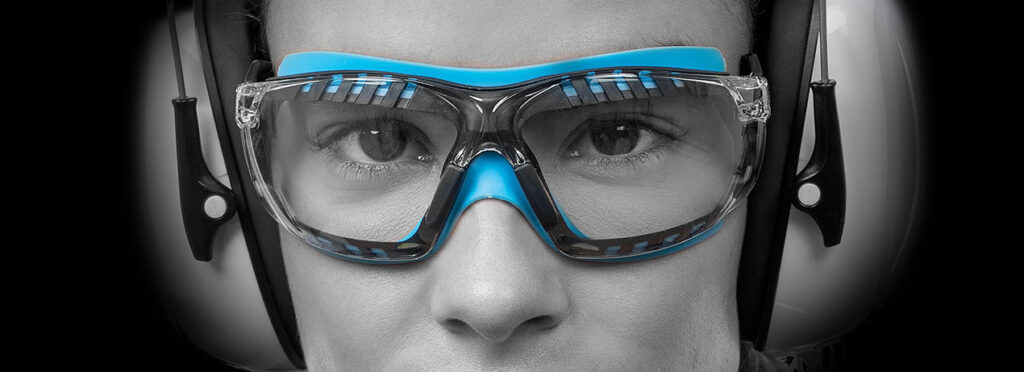
Accessories help goggles fit your face better. This increases comfort and keeps goggles stable.
- Adjustable nose pads for better grip
- Soft foam liners to prevent pressure points
- Elastic straps with adjustable lengths
- Temple arms with flexible hinges
Credit: www.pegasosafety.com
Frequently Asked Questions
How Do Safety Goggles Protect Your Eyes?
Safety goggles shield your eyes from harmful substances and physical hazards. They prevent dust, chemicals, and flying debris from causing injury. Wearing goggles is crucial in environments with potential eye hazards. They ensure your eyes remain safe and unharmed during tasks that pose risks.
Can You Wear Safety Goggles Over Glasses?
Yes, you can wear safety goggles over glasses. Many goggles are designed to fit comfortably over prescription eyewear. This ensures you have both vision correction and eye protection. Always choose goggles that offer ample space and adjustable straps for a snug fit.
How Often Should You Replace Safety Goggles?
Replace safety goggles when they show signs of wear or damage. Scratches, broken straps, or fogging reduce effectiveness. Regularly inspect your goggles for any defects. It’s essential to maintain optimal protection for your eyes by ensuring your equipment is always in good condition.
Are Safety Goggles Necessary For All Jobs?
Safety goggles are essential for jobs involving eye hazards. Construction, lab work, and woodworking often require them. They protect against potential injuries from chemicals, dust, and debris. Always assess your work environment to determine if eye protection is necessary.
Conclusion
Wearing safety goggles correctly protects your eyes from harm. Always check for a snug fit and clear lenses. Clean your goggles regularly to keep good vision. Replace them if they get scratched or damaged. Remember, safety starts with proper gear use.
Stay alert and keep your eyes safe every day. Safety goggles are simple but very important tools. Use them right to avoid accidents and injuries. Your eyes deserve the best care.